Why a Chihuahua Runs Out of Blood Sugar So Fast
It can be absolutely terrifying to see your tiny Chihuahua suddenly become weak, disoriented, or even collapse, and often, the culprit is a swift and dangerous drop in blood sugar. This isn't just a puppy problem; it can affect adult Chihuahuas too, leaving owners scrambling to understand why their little companion runs out of fuel so quickly. This guide is here to shed light on the unique physiological reasons behind a Chihuahua's predisposition to hypoglycemia and equip you with the knowledge to prevent and manage these frightening episodes.
The Tiny Physiology of a Chihuahua's Metabolism
Chihuahuas are marvels of miniature engineering, but their small size comes with a unique set of metabolic challenges. Unlike larger breeds, their bodies operate on a much finer margin, especially when it comes to energy regulation. Understanding these fundamental differences is key to appreciating why they are so prone to sudden blood sugar drops.
Minimal Energy Reserves
One of the most significant factors contributing to a Chihuahua's rapid blood sugar depletion is their minimal energy reserves. These tiny dogs, particularly those on the smaller end of the breed standard, simply don't have the robust fat and muscle stores that larger dogs possess. Think about it: a Chihuahua weighing in at a healthy four pounds has very little body mass dedicated to storing glycogen (the body's stored form of glucose) or fat, which can be converted into energy when glucose runs low. This means they burn through available glucose at an astonishing rate, without a substantial backup supply to tap into during periods of fasting or increased energy demand.
When a larger dog misses a meal or experiences a short period of stress, its body can typically access these reserves to maintain stable blood sugar levels. A Chihuahua, however, lacks this buffer. Their metabolic system is like a high-performance sports car with a tiny fuel tank; it runs efficiently, but it needs frequent top-ups and cannot go long distances without refueling. This explains why even a slightly extended period between meals can tip them into a hypoglycemic state, particularly when they are young and their systems are still developing.
High Metabolic Rate
Beyond their limited reserves, Chihuahuas possess an incredibly high metabolic rate relative to their body size. This isn't unique to Chihuahuas; it's a characteristic shared by many small creatures. Their tiny bodies work harder just to maintain core body temperature and perform basic functions. Imagine a small engine constantly running at a higher RPM compared to a much larger engine. This constant, elevated activity means they are burning calories and utilizing glucose at a faster pace per pound of body weight than, say, a Labrador Retriever or a Golden Retriever.
This high metabolic rate is partly why you often see Chihuahuas shivering, even when it doesn't seem particularly cold to you. That shivering is their body's attempt to generate heat, and it consumes a significant amount of energy, drawing heavily on their already limited glucose supply. When you combine this rapid burn rate with their small fuel tank, it's easy to see why they can exhaust their blood sugar so quickly. Any additional stressor, whether it's excitement, fear, or a slightly cooler room, can accelerate this energy expenditure, leaving them vulnerable to a sudden crash.
Immature Organs in Puppies
For Chihuahua puppies, the situation is even more precarious due to their immature internal organs, especially the liver. The liver plays a crucial role in regulating blood glucose levels by storing glycogen and releasing it as glucose into the bloodstream when needed, a process called glycogenolysis, or even creating new glucose from non-carbohydrate sources (gluconeogenesis). In very young Chihuahua puppies, however, this vital organ isn't fully developed. Its capacity to store glycogen is limited, and its ability to produce new glucose on demand is not yet mature.
This developmental stage means that a puppy's liver simply cannot keep up with the demands of its high metabolism for long periods. They rely almost entirely on a constant external supply of glucose from their food. This is why you'll often hear about the critical importance of feeding a Chihuahua puppy every few hours. Skipping even one meal, or having a period of intense play without a snack, can quickly lead to a severe drop in blood sugar. The vulnerability of young Chihuahuas to this condition, often referred to as Chihuahua Hypoglycemia and the Puppy Emergency, is why careful monitoring and a strict feeding schedule are absolutely non-negotiable for their first few months of life.
Understanding Hypoglycemia in Chihuahuas
When a Chihuahua's blood sugar drops, it's not just a minor dip; it's a full-blown emergency for their tiny bodies. Knowing what happens internally and how quickly it can escalate is essential for any Chihuahua owner.
What Happens When Blood Sugar Drops
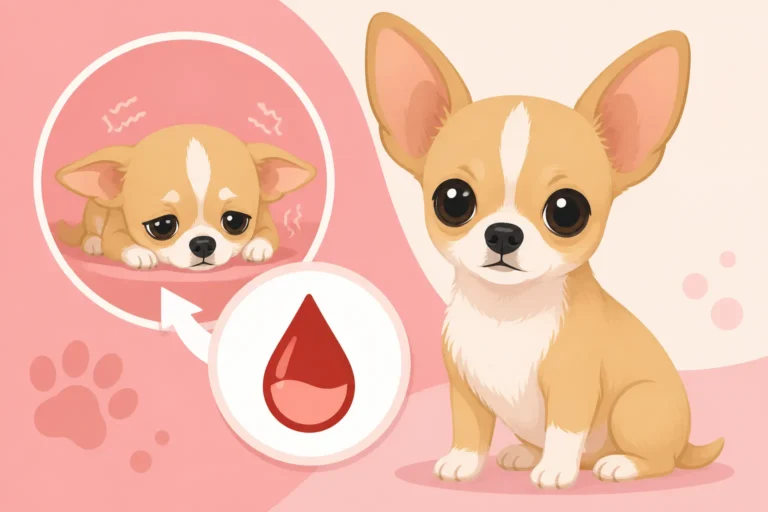
Blood sugar, or glucose, is the primary fuel source for every cell in your Chihuahua's body, but it's especially critical for the brain. When glucose levels in the bloodstream fall below a healthy threshold, the brain is the first organ to suffer. It can't function without a steady supply of sugar, and without it, the neurological symptoms start to appear. You might notice your energetic little companion suddenly becoming lethargic, seeming disoriented, or even weak and wobbly. They might stumble as if drunk, stare blankly, or simply lie down and refuse to move.
As the blood sugar continues to plummet, these symptoms escalate. Their muscles won't have the energy to properly function, leading to tremors, shaking, and even a complete inability to stand. In severe cases, a Chihuahua can progress to seizures, go into a coma, or even die. It’s a rapid and terrifying progression, often catching owners completely off guard because their dog seemed fine just moments before. Recognizing these early Chihuahua Hypoglycemia Signs in a Young Puppy is crucial, as early intervention can make all the difference in a positive outcome.
The Speed of Onset
The most alarming aspect of hypoglycemia in Chihuahuas is the incredible speed at which it can develop. One minute, your little friend might be happily playing, and the next, they could be listless or collapsing. This isn't an exaggeration; for a Chihuahua, particularly a young puppy, a significant drop in blood sugar can happen within minutes to an hour. This rapid onset is directly linked to their small size, high metabolism, and limited energy reserves discussed earlier.
Unlike larger dogs who might show gradual signs of illness over hours, a Chihuahua's system has very little buffer. There's no slow decline; it's often a sudden crash. This means there's a very short window for intervention once symptoms appear. Owners often recount stories of a quick outdoor potty break or a brief play session leading to a sudden weakness or even unconsciousness. This rapid progression underscores the need for constant vigilance and preparedness, especially for puppies or adult Chihuahuas who are ill or stressed.
Critical Glucose Levels
While exact numbers can vary slightly, veterinarians generally consider a blood glucose level below 70 mg/dL (milligrams per deciliter) to be hypoglycemic. For very small puppies or Chihuahuas with severe symptoms, levels can drop even lower, into the 40s or 30s mg/dL, which is extremely dangerous. At these critical levels, the brain is literally starving, leading to severe neurological dysfunction.
A veterinarian will perform a blood test to confirm hypoglycemia, but as an owner, you won't have access to this real-time data at home. Therefore, it's imperative to act on the symptoms you observe, not wait for a diagnosis. If your Chihuahua is showing any signs of weakness, disorientation, or collapse, especially if they haven't eaten recently, assume it's hypoglycemia and provide emergency sugar immediately. This rapid response is critical to averting a more severe crisis, and often involves using something like Emergency Sugar for a Collapsing Chihuahua Puppy.
| Condition | Chihuahua Blood Glucose (mg/dL) | Larger Dog Blood Glucose (mg/dL) | Onset Speed | Typical Symptoms |
|---|---|---|---|---|
| Normal Range | 70-120 | 70-120 | N/A | Alert, active, normal appetite |
| Mild Hypoglycemia | 50-70 | 50-70 | Rapid | Lethargy, weakness, mild disorientation, increased hunger (may not always be obvious in Chihuahuas) |
| Severe Hypoglycemia | <50 | <50 | Extremely Rapid | Trembling, stumbling, collapse, seizures, coma, unresponsiveness, dilated pupils, potentially fatal if untreated |
Triggers and Risk Factors for a Sugar Crash
Understanding the underlying physiology is one thing, but knowing the specific situations that can provoke a hypoglycemic episode in your Chihuahua is just as important. Many of these triggers are common, everyday occurrences that can quickly turn dangerous for a tiny dog.
Irregular Feeding Schedules
This is arguably the most common and easily preventable cause of hypoglycemia in Chihuahuas. Because their small bodies have such limited glucose reserves and a high metabolic rate, they simply cannot go long periods without food. An irregular feeding schedule, or skipping meals, is a direct fast-track to a sugar crash. This is particularly true for young puppies, who are still developing the liver function needed to regulate blood sugar effectively. They need very frequent, small meals to maintain stable glucose levels.
Many well-meaning owners might try to free-feed their Chihuahua, leaving food out all day. While this might seem convenient, it doesn't guarantee consistent intake and can lead to overeating or, conversely, periods where the dog doesn't eat enough. For a Chihuahua, a structured feeding schedule is paramount. Feeding a Chihuahua Puppy Every Few Hours is standard for the first few months, often meaning four to six meals a day. Even adult Chihuahuas benefit from at least two to three small meals a day to keep their blood sugar stable, rather than one large meal that might cause a spike and then a rapid drop. Overlooking the importance of consistent meal timing is a significant risk factor, and it's a habit we really need to break when caring for these sensitive little ones.
Stress, Cold, and Over-Exertion
Beyond diet, environmental factors and activity levels play a huge role in a Chihuahua's glucose stability. Stress, cold, and over-exertion are all major energy drains that can rapidly deplete a Chihuahua's already meager sugar reserves. When a Chihuahua is stressed – whether by a loud noise, a new environment, separation anxiety, or an unfamiliar person – their body releases stress hormones that can initially cause a blood sugar spike, but this is often followed by a rapid drop as the body tries to compensate and burns through energy.
Similarly, Chihuahuas have very little body fat to insulate them and are famously prone to shivering. You've probably seen your Chihuahua tremble even when you feel comfortable. This shivering is their body's attempt to generate heat, and it uses up a tremendous amount of glucose. Prolonged exposure to cold, even just a drafty room, can quickly lead to Low Body Temperature in a Chihuahua Puppy and, subsequently, hypoglycemia.
Over-exertion, such as an unusually long walk, a prolonged play session, or even excessive excitement, can also burn through their energy stores at an alarming rate. It's why owners need to be mindful of how much activity their tiny dog is getting, ensuring breaks and small snacks if they're particularly active. Understanding Why Cold and Stress Drop Chihuahua Blood Sugar is vital for preventive care, as these are factors we can actively manage.
Underlying Health Issues
While irregular feeding and environmental stressors are common, sometimes hypoglycemia can be a symptom of a more serious underlying health condition. Puppies, for instance, might suffer from severe internal parasites that prevent them from absorbing nutrients properly, leading to chronic low blood sugar. Infections, liver shunts, or other congenital metabolic disorders can also interfere with the body's ability to produce or regulate glucose.
Even in adult Chihuahuas, although less common, hypoglycemia can signal issues like an insulinoma (a tumor on the pancreas that produces too much insulin), severe liver disease, or even certain types of cancer. If a Chihuahua, especially an adult, experiences recurrent episodes of hypoglycemia despite a proper feeding schedule and environmental management, it's absolutely crucial to seek veterinary attention immediately. Your vet will perform a thorough examination and diagnostic tests, which might include blood work, urinalysis, and potentially imaging, to rule out any serious medical conditions. Organizations like Healthy Paws, which provide pet insurance, can be a great resource for managing the costs of these diagnostic workups and treatments for unexpected health challenges like recurrent hypoglycemia.
Preventing Hypoglycemia: A Proactive Approach
Preventing hypoglycemia in your Chihuahua is largely about consistent, mindful care. By understanding their unique needs, you can implement strategies that keep their blood sugar stable and their energy levels consistent.
Strategic Feeding for Stable Blood Sugar
This is the cornerstone of hypoglycemia prevention for Chihuahuas. Forget the idea of leaving food out all day; instead, focus on frequent, portion-controlled meals. For puppies, especially those under six months, this means at least four to six meals spaced evenly throughout the day. An adult Chihuahua typically does well with three small meals a day. The key is never to let too much time pass between meals, particularly overnight. A small snack before bedtime can often prevent an overnight sugar crash.
When it comes to food, choose a high-quality, calorie-dense kibble specifically formulated for small breed puppies or adults, depending on your dog's age. This ensures they get maximum nutrition in small portions, suitable for Daily Calories for a Three to Seven Pound Chihuahua. Wet food can also be beneficial as it's often more palatable and easier to digest for tiny mouths. It’s also incredibly important to Measure Chihuahua Food to the Gram, rather than relying on imprecise measuring cups, because even a tiny difference in calories can impact their sensitive system. Remember, Why a Chihuahua Should Never Graze All Day isn't just about weight management, but about preventing those dangerous blood sugar dips. Small Frequent Meals Against Chihuahua Hypoglycemia are the best defense.
Managing Environmental Factors
Your Chihuahua's environment plays a huge role in their overall well-being and, by extension, their blood sugar regulation. Because they lack body fat and have a high metabolic rate, they are highly susceptible to cold. Invest in sweaters or coats, especially if you live in a colder climate or your home tends to be chilly. Make sure their sleeping area is warm and draft-free, perhaps with a soft bed and plenty of blankets for them to burrow into. Many Chihuahuas love to snuggle under blankets, which helps them conserve body heat.
Beyond temperature, managing stress is also vital. A calm, predictable routine helps keep anxiety at bay. Avoid overly stimulating environments, sudden loud noises, or rough handling. If your Chihuahua is prone to anxiety, consider providing a safe, quiet space they can retreat to. Additionally, be mindful of their exercise levels. While daily walks are important for their health, don't over-exert them. Short, frequent walks are better than one long, strenuous outing. If you plan an extended activity, pack some small, high-value treats to offer as energy boosts. If you've ever seen your Chihuahua shiver, you'll know that understanding Why a Chihuahua Shivers and What It Means can help you prevent them from burning through too much energy simply trying to stay warm.
Emergency Preparedness
Even with the best preventive measures, accidents happen, or an unforeseen illness can strike. Being prepared for a hypoglycemic emergency can be life-saving. You should always have a fast-acting glucose source readily available at home and even when traveling with your Chihuahua. This includes items like corn syrup (Karo syrup is a common choice), honey, or a specialized canine glucose gel. These can be rubbed on their gums for rapid absorption if they start showing signs of a sugar crash, as detailed in Keeping Glucose Gel for a Chihuahua at Home.
Additionally, know the location and phone number of your nearest emergency veterinary clinic. Time is of the essence during a hypoglycemic crisis, and a quick trip to the vet can provide intravenous glucose and supportive care that you can't administer at home. If you notice your Chihuahua is weak, disoriented, shaking uncontrollably, or has collapsed, administer emergency sugar immediately and then contact your vet on your way to the clinic. Don't wait to see if they improve, as every minute counts. Having a plan for The Emergency Bills That Reach Chihuahua Owners can also provide peace of mind in these stressful situations.
Long-Term Management and Veterinary Care
While addressing immediate concerns is critical, long-term management and consistent veterinary care are essential for maintaining your Chihuahua's health and preventing future hypoglycemic episodes. Their tiny stature means they often have unique needs that require ongoing attention.
Regular Vet Check-ups
Routine veterinary examinations are indispensable for Chihuahuas, especially throughout their puppyhood and senior years. For puppies, these visits allow your vet to monitor their growth and development, ensuring their liver and other organs are maturing correctly. They can also screen for parasites or other underlying conditions that might predispose a puppy to Hypoglycemia in an Adult Chihuahua or chronic low blood sugar. During these check-ups, your vet can also confirm the appropriate feeding schedule and portion sizes as your puppy grows, adjusting to their changing metabolic demands.
As Chihuahuas age, regular vet visits become crucial for detecting early signs of other health conditions that could either cause or exacerbate hypoglycemia, such as dental disease (which can impact appetite) or other metabolic disorders. For instance, a senior Chihuahua might develop issues that affect their ability to absorb nutrients, making them more prone to sugar crashes. Early detection and management of any health issues can prevent a domino effect that impacts their glucose stability. These routine appointments are a chance to discuss any subtle changes you've noticed, allowing for prompt intervention.
Recognizing Subtle Warning Signs
Beyond the obvious symptoms of collapse or seizures, it's vital for Chihuahua owners to become adept at recognizing the more subtle, early warning signs of dipping blood sugar. These can be easy to miss if you're not specifically looking for them. Early indicators might include a slight decrease in activity, unusual quietness, a temporary lack of interest in food, or even a vacant stare. They might seem a bit "off" or less playful than usual. Some Chihuahuas might become clingy, seeking comfort, while others might hide.
These subtle signs are your Chihuahua's way of telling you they're not feeling well and might be heading towards a full-blown sugar crash. If you notice any of these changes, it's wise to offer a small, appealing snack immediately. Don't wait for more severe symptoms to appear. Trust your gut feeling if your dog seems "not quite right." Being proactive at this stage can prevent the terrifying progression to a state of collapse or A Chihuahua Seizure Caused by Low Blood Sugar, potentially saving a trip to the emergency vet. This keen observation is a key part of responsible Chihuahua ownership.
The Role of Nutrition in Lifelong Health
Proper nutrition is not just a short-term fix for hypoglycemia; it's a lifelong commitment to your Chihuahua's health. The food you choose and how you feed it directly impacts their energy levels, metabolism, and overall well-being. Opt for high-quality, nutrient-dense dog food designed for small breeds, which often contains appropriate fat and protein levels to sustain their energy without overloading their tiny digestive systems. Ensure the kibble size is small enough for their delicate mouths to handle comfortably.
Consider adding a small amount of lean protein (like cooked chicken or turkey) to their meals to help stabilize blood sugar further. Avoid foods high in simple carbohydrates or sugars, as these can cause rapid spikes and subsequent crashes. If your Chihuahua has specific dietary needs due to allergies or other health conditions, work closely with your veterinarian to find the best food solution. Companies like Healthy Paws, for instance, often cover prescribed therapeutic diets if they are medically necessary for a condition like chronic hypoglycemia, demonstrating the importance of good nutrition backed by proper veterinary care. Remember, What Six Pounds Means for Chihuahua Food Safety isn't just about avoiding toxins, but also about the balance of macronutrients for their unique metabolism.
Disclaimer
This article is intended for informational purposes only and does not constitute veterinary advice. Always consult with a qualified veterinarian for any health concerns or before making any decisions about your Chihuahua's medical care or diet.