The PRA DNA Test for a Chihuahua Litter
It's heartbreaking to imagine a tiny Chihuahua slowly losing its sight, especially when the cause is a genetic condition that could have been identified early. Progressive Retinal Atrophy (PRA) is a cruel disease that can silently steal a dog's vision, leaving both the dog and its family grappling with the profound challenges of blindness. For responsible breeders and potential puppy parents, understanding and utilizing the PRA DNA test for a Chihuahua litter isn't just a recommendation; it's a vital commitment to ensuring a future full of healthy, sighted companions. This guide will walk you through everything you need to know about this essential test.
Understanding Progressive Retinal Atrophy in Chihuahuas
When we talk about vision problems in Chihuahuas, many people might first think of issues like corneal ulcers due to their prominent eyes, or perhaps cataracts in older dogs. However, Progressive Retinal Atrophy is a particularly insidious condition because it's genetically predetermined and slowly takes away a dog's most precious sense, often before an owner even realizes what's happening. It's not something that develops due to injury or age in the same way; it's written into their very DNA.
PRA isn't just one disease, but a group of genetic disorders that cause the photoreceptor cells in the retina – those critical rods and cones responsible for detecting light and color – to degenerate over time. Imagine a camera sensor slowly breaking down, pixel by pixel, until it can no longer capture an image. That's essentially what happens with PRA. In Chihuahuas, as with many other breeds, this condition often follows an autosomal recessive inheritance pattern, which means a puppy needs to inherit a copy of the faulty gene from both its mother and its father to actually develop the disease. This is why testing the parents, and subsequently the litter, is so incredibly important.
The Genetic Basis of PRA and Its Inheritance Pattern
Understanding the genetics behind PRA can feel a bit like a high school biology lesson, but it’s crucial for any responsible breeder or owner to grasp. When a specific type of PRA, like prcd-PRA (progressive rod-cone degeneration), affects Chihuahuas, it means there's a particular gene mutation at play. Every dog has two copies of each gene, one from each parent.
For PRA that's inherited recessively, we categorize dogs into three groups:
- Clear (or Normal): These dogs have two healthy copies of the gene. They won't develop PRA and cannot pass the mutated gene on to their offspring. They're a genetic "all clear."
- Carrier: These dogs have one healthy copy and one mutated copy of the gene. They won't develop PRA themselves because the healthy gene compensates. However, they can pass the mutated gene to 50% of their puppies. They are silent carriers, perfectly healthy but carrying a genetic secret.
- Affected: These dogs have two mutated copies of the gene. They will develop PRA and eventually go blind. Every single one of their offspring will inherit at least one copy of the mutated gene, making them either carriers or affected if bred with another carrier or affected dog.
The real frustration here is that carrier dogs look completely normal and live perfectly healthy, sighted lives. Without DNA testing, you'd never know they could be passing on such a devastating condition. This is why simply "eyeballing" a parent or assuming health based on appearance just doesn't cut it when it comes to preventing PRA in a Chihuahua litter.
How PRA Progresses in a Chihuahua's Vision
The onset and progression of PRA can vary slightly depending on the specific genetic mutation and individual dog, but the general pattern is heartbreakingly consistent. It's a slow, often unnoticed, decline that starts subtly. The very first sign owners often pick up on is night blindness. Your beloved Chihuahua, who once navigated your home with ease in low light, might start bumping into furniture in the evening, hesitate to go outside in the dark, or seem disoriented in dimly lit rooms. This is because the rod cells, responsible for vision in low light, are typically the first to degenerate.
As the disease progresses, daytime vision also begins to fail. You might notice your Chihuahua's pupils appearing abnormally dilated, even in bright light, as their eyes try to gather every last bit of available light. Their eyes might also have a more reflective, glowing appearance when light hits them – a characteristic known as tapetal reflection, as the retina thins and exposes more of the reflective layer behind it. This slow loss of sight can be incredibly disorienting for such a small dog. A Chihuahua relies heavily on its sight to navigate a world often much larger than itself. They might become more anxious, clingier, or even snappy if startled, as their primary sense for safety is failing.
It's a cruel reality that there is currently no cure for PRA. The progression is irreversible, leading to complete blindness in all affected Chihuahuas. While a blind dog can absolutely live a full and happy life with the right support and environmental adjustments, preventing this outcome through responsible breeding and DNA testing is always the kinder, more ethical path. If you notice signs of Retinal Atrophy Taking a Chihuahua's Night Vision, it's crucial to consult your vet.
The Importance of DNA Testing for Chihuahua Litters
For anyone passionate about Chihuahuas, the idea of these tiny, spirited dogs facing preventable blindness is simply unacceptable. That's why DNA testing is not just a nice-to-have, but an absolutely essential tool for every responsible breeder. It allows us to look beyond what we can see with our eyes and delve into the genetic blueprint, making informed decisions that safeguard the health of future generations.
The true value of this test lies in its ability to provide answers long before any physical symptoms manifest. Imagine a puppy being sold to a loving home, only for it to start losing its vision months or even years down the line. This causes immense heartbreak for the family and reflects poorly on the breeder, even if their intentions were good. DNA testing removes this uncertainty, providing peace of mind to both the breeder and the new owners. It's about proactive care, about putting the dog's well-being first, and preventing unnecessary suffering.
Identifying Carriers and Affected Puppies Before Symptoms Appear
One of the most frustrating aspects of genetic diseases like PRA is their stealthy nature. As discussed, a Chihuahua carrying one copy of the mutated gene (a "carrier") will never show symptoms of PRA. They will have perfect vision throughout their lives. The issue only arises when two carriers are bred together, or a carrier is bred with an affected dog, creating puppies that will eventually go blind. Symptoms of PRA often don't become apparent until a Chihuahua is several years old, by which point a breeding dog might have already produced multiple litters, potentially spreading the mutated gene further into the breed's gene pool.
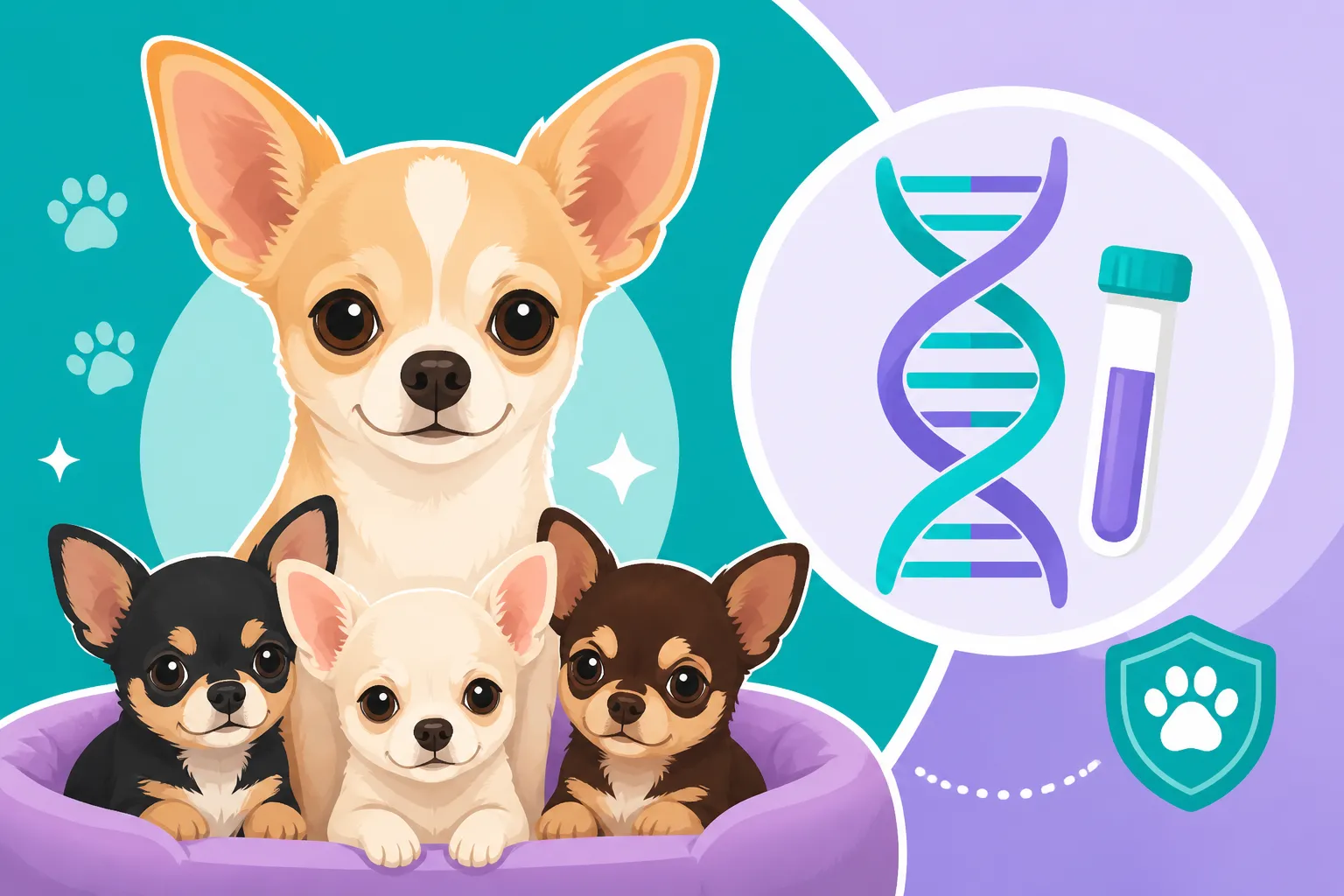
This is precisely where DNA testing shines. By simply taking a non-invasive cheek swab from the parent dogs before they are ever bred, a breeder can determine if they are clear, carriers, or affected. This knowledge empowers them to make responsible breeding choices, ensuring that no puppy is born with a genetic predisposition to blindness. If, for instance, a breeding pair produces a litter and the parents' statuses are known, breeders can also test the puppies to confirm their individual genetic status. This means identifying affected puppies, or even carrier puppies, before they ever leave for their new homes. This level of transparency and foresight is paramount, preventing future anguish for both the dogs and their families. It's a key part of The Health Tests a Chihuahua Breeder Should Run to ensure responsible breeding practices.
Impact on Breeding Decisions and Puppy Placement
The results of a PRA DNA test directly influence critical breeding decisions and, subsequently, the responsible placement of puppies. For a breeder, the goal should always be to produce healthy, genetically sound puppies. Knowing the PRA status of prospective breeding Chihuahuas allows for strategic pairings that reduce or eliminate the risk of affected offspring.
Here's a simplified look at how results guide breeding choices:
| Parent 1 Status | Parent 2 Status | Offspring Probabilities (Clear:Carrier:Affected) | Breeding Recommendation |
|---|---|---|---|
| Clear | Clear | 100% Clear | Ideal pairing; all puppies are genetically clear of PRA. |
| Clear | Carrier | 50% Clear : 50% Carrier : 0% Affected | Acceptable with careful planning; all puppies will be sighted, but some will be carriers. These carriers should not be bred to other carriers. |
| Clear | Affected | 0% Clear : 100% Carrier : 0% Affected | Not recommended for breeding programs focused on reducing carriers. All puppies will be carriers. |
| Carrier | Carrier | 25% Clear : 50% Carrier : 25% Affected | Avoid this pairing completely. There's a 25% chance of producing affected (blind) puppies. |
| Carrier | Affected | 0% Clear : 50% Carrier : 50% Affected | Strongly avoid this pairing. High risk of producing affected puppies. |
| Affected | Affected | 0% Clear : 0% Carrier : 100% Affected | Never breed. All puppies will be affected. |
Beyond breeding, these test results inform ethical puppy placement. Any puppy identified as affected should be placed in a pet-only home with full disclosure of their genetic status and the eventual certainty of blindness. Carriers can also go to pet homes, or to responsible breeding programs that understand the genetics and will only breed them to a "clear" mate. This commitment to transparency not only protects the individual puppies and their future families but also helps to slowly eliminate the mutated gene from the breed over generations. A reputable breeder will always provide you with these genetic health clearances, along with Cardiac and Eye Clearances on a Chihuahua Parent.
Navigating the PRA DNA Test Process
Getting a PRA DNA test done for a Chihuahua litter, or even just for prospective breeding dogs, is a surprisingly straightforward process, especially compared to some of the more invasive medical procedures our little dogs might face over their long lives. It's designed to be simple, stress-free, and accessible for breeders, which means there's really no excuse not to do it. The investment upfront is minimal when you consider the heartache and potential costs associated with managing a blind dog later on, which can easily accumulate over a Chihuahua's potential Chihuahua Lifespan and Why the Breed Reaches Sixteen.
The most important thing is to choose a reputable genetic testing laboratory that specializes in canine DNA and offers the specific PRA test relevant to Chihuahuas. While I can't name specific brands for testing, many well-established labs offer comprehensive panels that include PRA among other genetic conditions. Think of it as investing in an early warning system for your beloved little companions.
Collecting Samples for DNA Analysis
The beauty of DNA testing for PRA is how non-invasive it is. There are no needles, no blood draws (unless the lab offers it as an alternative method), and absolutely no stress for your Chihuahua. The most common and easiest method involves a simple cheek swab, which you can typically do yourself right at home.
Here's how it generally works:
- Order a Kit: You'll order a testing kit directly from a specialized canine genetic testing laboratory. The kit usually contains sterile cotton swabs, instructions, and return envelopes.
- Collect the Sample: For each dog being tested, you'll gently but firmly rub the sterile swab on the inside of their cheek and under their tongue for about 10-30 seconds. The goal is to collect as many cheek cells as possible, as these contain the DNA needed for analysis. Make sure the dog hasn't eaten recently, and try to keep them from licking or chewing on anything immediately beforehand, as food particles can contaminate the sample. If you're testing a litter, it's crucial to keep each puppy's swab separate and clearly labeled to avoid mix-ups.
- Dry and Package: After collection, you'll need to allow the swab to air dry completely before placing it back into its sterile sleeve or envelope. This prevents mold growth during transit.
- Mail It In: Follow the lab's instructions for packaging and mailing your samples.
You can test puppies for PRA as young as a few weeks old, making it ideal for determining their genetic status before they go to their new homes. This means prospective owners can have certainty about their puppy's PRA status from day one.
Interpreting Test Results for Breeders and Buyers
Once your samples are submitted, the lab will analyze the DNA to identify the presence or absence of the specific gene mutation associated with PRA in Chihuahuas. Typically, within a few weeks, you'll receive a detailed report for each dog tested. Understanding these results is paramount for both breeders and potential puppy owners.
The report will clearly state one of three statuses for each tested Chihuahua:
- Clear/Normal: This is the best-case scenario. The dog has two healthy copies of the gene, meaning it will never develop PRA and cannot pass the mutated gene to any offspring. This dog is genetically sound regarding this specific type of PRA.
- Carrier: The dog has one healthy copy and one mutated copy of the gene. This Chihuahua will not develop PRA symptoms itself; its vision will remain unaffected. However, it can pass the mutated gene to about 50% of its offspring. Carriers are perfectly healthy pets, but their breeding must be managed carefully to avoid producing affected puppies.
- Affected: The dog has two mutated copies of the gene. This Chihuahua will develop PRA and eventually go blind. It will also pass one mutated gene to 100% of its offspring. These dogs should never be used for breeding, and if a puppy is identified as affected, future owners must be fully aware of the certainty of eventual blindness.
For breeders, interpreting these results guides responsible breeding practices, ensuring the long-term health of the Chihuahua breed. For buyers, these results provide invaluable information, allowing them to make informed decisions and prepare for any potential future health challenges. While preventive testing is always the best route, knowing your dog's genetic predisposition can also help you plan for potential future care needs. For instance, knowing a dog is affected might prompt a family to consider pet insurance from providers like Healthy Paws earlier in the dog's life to help cover unforeseen veterinary costs related to other conditions that can arise over a long life, though PRA itself often has no medical treatment once diagnosed. Even if the primary issue isn't covered, the peace of mind for other health concerns is vital for dogs that often live well beyond Senior Chihuahua Care Past the Age of Twelve.
Disclaimer
The information provided in this article is for educational purposes only and should not be considered a substitute for professional veterinary advice. Always consult with a qualified veterinarian or veterinary specialist for any health concerns or before making any decisions about your Chihuahua's care, treatment, or breeding.