The Health Tests a Chihuahua Breeder Should Run
It’s an undeniable truth: bringing home a new Chihuahua puppy is one of life's purest joys, but that joy can quickly turn to worry and heartbreak if your tiny companion starts facing serious health issues early in life. The reality is, not all Chihuahuas are bred with the same care and consideration, and sadly, many common and painful conditions could have been avoided with proper health testing of the parents. This guide is here to walk you through the essential health screenings that a responsible Chihuahua breeder should absolutely be conducting, helping you understand what to look for and why it matters so much.
Why Health Testing Matters So Much for Chihuahuas
When you're looking for a Chihuahua, you're often captivated by their charming personalities and those adorable big eyes. But beneath that cute exterior lies a delicate system, prone to specific health challenges that can make their long lifespan a struggle if not addressed through thoughtful breeding practices. Responsible health testing isn't just a fancy add-on; it's a fundamental commitment to the well-being of every puppy.
Avoiding Genetic Heartbreak
Chihuahuas, despite their robust personalities, are susceptible to several inherited conditions that can cause immense pain and sky-high veterinary bills. Imagine falling head over heels for a tiny puppy, only to find out at six months old that they need expensive surgery for a luxating patella, or worse, that they have a serious heart defect. This isn't just a financial strain; it's an emotional one that no new dog owner should have to endure if it could have been prevented.
A good breeder understands that simply having two Chihuahuas who look healthy isn't enough. They recognize that genetic predispositions can lurk beneath the surface, only manifesting in the offspring. By testing the parent dogs, they can identify carriers or affected individuals, making informed decisions about breeding pairs. This proactive approach dramatically reduces the likelihood of passing on debilitating conditions, ensuring that your future companion has the best possible start and can live a full, happy life, potentially reaching that impressive Chihuahua Lifespan and Why the Breed Reaches Sixteen that the breed is known for. Even with the most diligent testing, life can throw curveballs, and unexpected illnesses or accidents can happen. This is where preparing with a good pet insurance plan, perhaps from a provider like Healthy Paws, can offer a crucial safety net, helping to cover significant veterinary costs that can arise.
Protecting the Breed's Future
The integrity of the Chihuahua breed relies heavily on the ethical choices of its breeders. When health testing is overlooked, genetic problems become more widespread, weakening the breed as a whole. Unfortunately, the demand for "teacup" Chihuahuas has sometimes led to irresponsible breeding practices, where size is prioritized over health, often resulting in dogs with compromised immune systems, fragile bones, and a host of other issues.
A reputable breeder, however, is dedicated to upholding the breed standard while simultaneously working to eliminate inheritable diseases from their lines. They see themselves as stewards of the breed, aiming to improve its health and longevity for generations to come. This commitment means they often participate in breed clubs, keep meticulous records, and openly discuss their health testing protocols. They understand that every breeding decision has a ripple effect, and their careful approach contributes to a stronger, healthier future for all Chihuahuas, ensuring that these wonderful little dogs continue to thrive.
Essential Orthopedic Screenings for Chihuahuas
Chihuahuas are known for their lively personalities, but their tiny frames can be surprisingly prone to certain orthopedic issues. Two of the most common and impactful conditions that breeders must screen for are patellar luxation and, to a lesser extent, Legg-Calve-Perthes disease. Ignoring these screenings is like playing Russian roulette with a puppy’s future mobility and comfort.
Patellar Luxation Examinations
This is arguably the most common joint problem in Chihuahuas, and it's absolutely paramount that breeding dogs are screened for it. Patellar Luxation, the Chihuahua's Commonest Joint Problem occurs when the kneecap (patella) slips out of its normal groove in the thigh bone (femur). It can range from a minor, occasional slip to a severe, constant dislocation that causes significant pain and lameness.
Responsible breeders will have their Chihuahuas evaluated by a veterinarian, often an orthopedic specialist, to check for patellar luxation. The Orthopedic Foundation for Animals (OFA) offers a patellar evaluation program where vets manually examine the knee and assign a grade from 0 (normal) to 4 (severe luxation). Breeding dogs should ideally receive an OFA certification of "Normal" or a very mild Grade 1, and many ethical breeders will only breed dogs with Grade 0 or 1. If a dog has The Four Grades of a Slipping Chihuahua Kneecap, especially higher grades, they should absolutely be removed from a breeding program. This isn't just about preventing painful surgery for a puppy; it’s about ensuring that your little one can run, jump, and play without chronic discomfort. Even with careful breeding, some Chihuahuas may still experience a slipping kneecap, and should surgical intervention become necessary, knowing that you have pet insurance like Healthy Paws can significantly reduce the financial burden, allowing you to focus on your dog's recovery.
Legg-Calve-Perthes Disease LCPD Screening
While not as common as patellar luxation in Chihuahuas, Legg-Calve-Perthes Disease (LCPD) is another painful genetic orthopedic condition that deserves attention from responsible breeders. LCPD affects the hip joint, specifically the femoral head (the ball part of the ball-and-socket joint). In affected dogs, the blood supply to the femoral head is interrupted, causing the bone to degenerate and eventually collapse. This leads to severe pain, lameness, and muscle atrophy in the affected leg.
Symptoms usually appear between 5 and 8 months of age, and treatment often involves expensive surgery to remove the damaged femoral head. While there isn't a specific genetic test yet, breeders can look for a history of LCPD in their breeding lines and avoid breeding affected dogs or dogs with close relatives who have produced affected offspring. X-rays of the hips can sometimes reveal early signs, though definitive diagnosis often comes after symptoms appear. A breeder committed to health will be transparent about any known incidence of LCPD in their line and will be cautious about breeding dogs from affected pedigrees. This vigilance helps ensure that your adorable Chihuahua puppy doesn’t face a future of debilitating hip pain and the subsequent Chihuahua Legg-Calve-Perthes Disease treatments.
Cardiac Health Clearances for Breeding Chihuahuas
Considering the Chihuahua's impressive longevity, ensuring a healthy heart is incredibly important. Heart disease is a leading cause of health issues in older Chihuahuas, and responsible breeders go to great lengths to minimize the risk of passing on inheritable heart conditions to their puppies. It’s not enough to simply listen to a heart with a stethoscope; specialized exams are crucial.
Heart Murmur Screenings and OFA/Board-Certified Cardiologist Exams
Many Chihuahuas can develop heart conditions as they age, with Mitral Valve Disease in an Older Chihuahua being particularly common. However, some Chihuahuas are born with congenital heart defects that can severely impact their quality of life from a young age. This is why a breeder should have their breeding stock undergo thorough cardiac examinations.
The gold standard for cardiac screening involves an evaluation by a board-certified veterinary cardiologist. This specialist will perform a comprehensive physical exam, including auscultation (listening to the heart) to detect any murmurs or arrhythmias. If a murmur is detected, further diagnostics like an echocardiogram (an ultrasound of the heart) are performed to determine the cause and severity. The OFA also offers a cardiac database for registering these results, allowing for a transparent record of a dog’s heart health. A breeder who has their dogs screened this way can confidently say they are doing their best to ensure their puppies have healthy hearts. Understanding Chihuahua Heart Murmurs and What Grade Matters can make a huge difference, as a serious murmur could indicate a significant problem.
Understanding Congenital Heart Defects
Congenital heart defects are structural abnormalities of the heart or great vessels that are present at birth. Unlike acquired heart diseases that develop over a dog's lifetime (often due to age or infection), congenital defects are often hereditary. In Chihuahuas, common congenital defects include Patent Ductus Arteriosus (PDA), pulmonic stenosis, and certain types of septal defects.
A good breeder will not only ensure their breeding dogs have clear cardiac exams, but they will also investigate the cardiac health of the dogs in their pedigrees. While some congenital defects can be surgically corrected, they are costly, invasive, and can significantly impact a puppy's lifespan and quality of life. By diligently screening breeding dogs and paying attention to familial history, breeders aim to remove dogs that carry genes for these serious defects from their breeding program. This helps prospective owners avoid the anguish of a puppy diagnosed with a life-threatening heart condition, emphasizing the vital importance of Cardiac and Eye Clearances on a Chihuahua Parent before any breeding takes place.
Eye Health and Other Important Screenings
A Chihuahua's large, expressive eyes are one of their most captivating features, but these prominent eyes can also be prone to specific issues. Beyond the eyes, responsible breeders also consider other breed-specific health concerns, even if they aren't always part of a formal genetic testing panel.
Ophthalmic Examinations CERF/OFA Eye Certification
Chihuahuas are susceptible to a range of eye conditions, some of which are hereditary. These can include Progressive Retinal Atrophy (PRA), cataracts, and primary lens luxation. These conditions can lead to discomfort, impaired vision, or even blindness. Given how sensitive and essential sight is, robust eye screening is a non-negotiable for ethical breeders.
Breeders should have their Chihuahuas examined by a board-certified veterinary ophthalmologist. This specialist performs a comprehensive eye exam, looking for signs of inheritable eye diseases. Historically, these results were registered with CERF (Canine Eye Registration Foundation), which has now merged with the OFA. An OFA Eye Certification indicates that the dog was examined and found to be free of observable, inherited eye disease at the time of the exam. Since some conditions, like PRA, can develop later in life, re-examination of breeding dogs annually is a common practice for diligent breeders. This vigilance helps prevent heartbreak for new owners whose puppy might otherwise develop Retinal Atrophy Taking a Chihuahua's Night Vision or other severe sight impairments. This is a critical step to protect against conditions specific to Chihuahua Eye Problems in a Shallow Socket.
Dental Health and Tracheal Considerations
While you won't find an "OFA Dental Certificate" or a "Tracheal Clearance," a responsible breeder absolutely pays close attention to the dental health and tracheal integrity of their breeding Chihuahuas. Chihuahua Dental Disease in a Crowded Small Jaw is an endemic problem in the breed, leading to chronic pain, infections, and early tooth loss. Likewise, Collapsing Trachea and the Chihuahua Honking Cough is a very real and often debilitating issue.
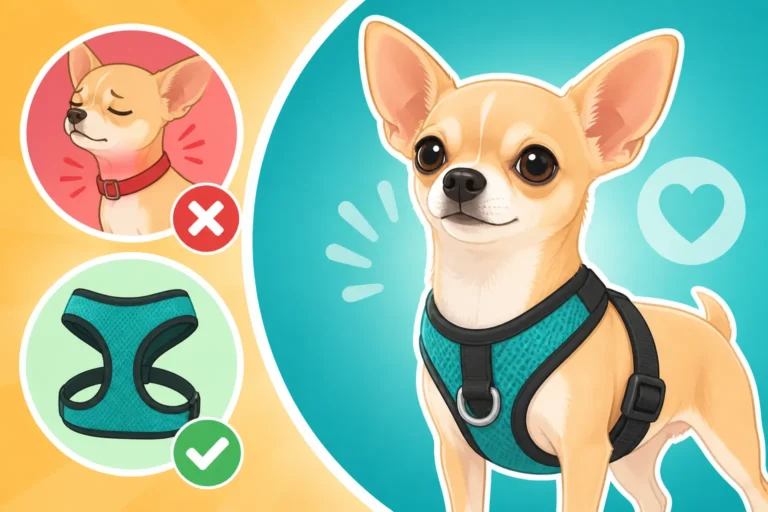
A good breeder will actively manage their breeding dogs' dental health, providing daily brushing and routine professional cleanings. They will also look at the dental history of their dogs' ancestors to see if there's a pattern of severe dental disease or early tooth loss. While no genetic test exists for perfect teeth, a strong history of good dental health in a lineage suggests better oral anatomy. For tracheal issues, breeders observe their dogs for any signs of chronic coughing or breathing difficulties. They will also be very particular about how their dogs are walked, always using harnesses rather than collars to protect the delicate windpipe. While you can't get a "clearance" for these specific issues, a breeder's commitment to proactive care and keen observation for these common Chihuahua health concerns speaks volumes about their overall dedication to producing healthy puppies.
Interpreting Health Certifications and Pedigrees
Finding a reputable Chihuahua breeder often feels like navigating a maze of acronyms and promises. But understanding how to interpret health certifications and pedigrees is your superpower in finding a truly healthy puppy. Don't just take a breeder's word for it; learn how to verify their claims.
Decoding OFA and CERF Databases
The Orthopedic Foundation for Animals (OFA) and the Canine Eye Registration Foundation (CERF, now part of OFA) are incredibly valuable resources for prospective puppy owners. When a breeder tells you their dogs are "OFA certified" or have "clear eyes," this is where you can verify it.
The OFA maintains public databases where you can look up a dog's health screening results by their registered name or registration number. For conditions like patellar luxation, you'll see a grade (e.g., Normal, Grade 1). For cardiac and eye certifications, you'll see "Normal" or notes on any findings. If a breeder is truly transparent, they will readily provide you with the registered names or numbers of the parent dogs so you can conduct these searches yourself. This level of transparency is a hallmark of an ethical breeder. It signifies that they have nothing to hide and are proud of the health clearances their dogs have achieved. For example, if they state they have done Chihuahua Patella Certification Before Breeding, you should be able to look that up on the OFA database. A breeder who shies away from sharing this information should raise an immediate red flag.
The Role of Pedigrees and Breeder Transparency
A pedigree isn't just a fancy family tree; it's a vital document that traces a dog's lineage back several generations, providing insight into potential genetic predispositions. A responsible breeder doesn't just look at the health of the immediate parents; they consider the health history of grandparents, great-grandparents, and siblings. Have there been instances of early-onset heart disease or severe patellar luxation in previous generations? This information is critical for making informed breeding decisions.
An ethical breeder will openly discuss the health history of their lines, including any known issues that have cropped up, even if they were mild or from distant relatives. They will explain how they use this information to select breeding pairs, aiming to minimize risks. They might even discuss how they choose to do The Patella and Cardiac Papers on a Chihuahua Litter to ensure the puppies are healthy. They will also be transparent about the temperament of their dogs and any challenges they've faced, as temperament often has a genetic component. When you're talking to a breeder, ask about the common health concerns in their specific line and how they mitigate them. If you’re concerned about potential future costs for unexpected health issues, even with all these clearances, discussing pet insurance options like those offered by Healthy Paws can provide an additional layer of financial protection and peace of mind. A breeder's willingness to share comprehensive health records and discuss their breeding philosophy openly is perhaps the strongest indicator of their commitment to the welfare of their Chihuahuas.
Common Chihuahua Health Tests Summary
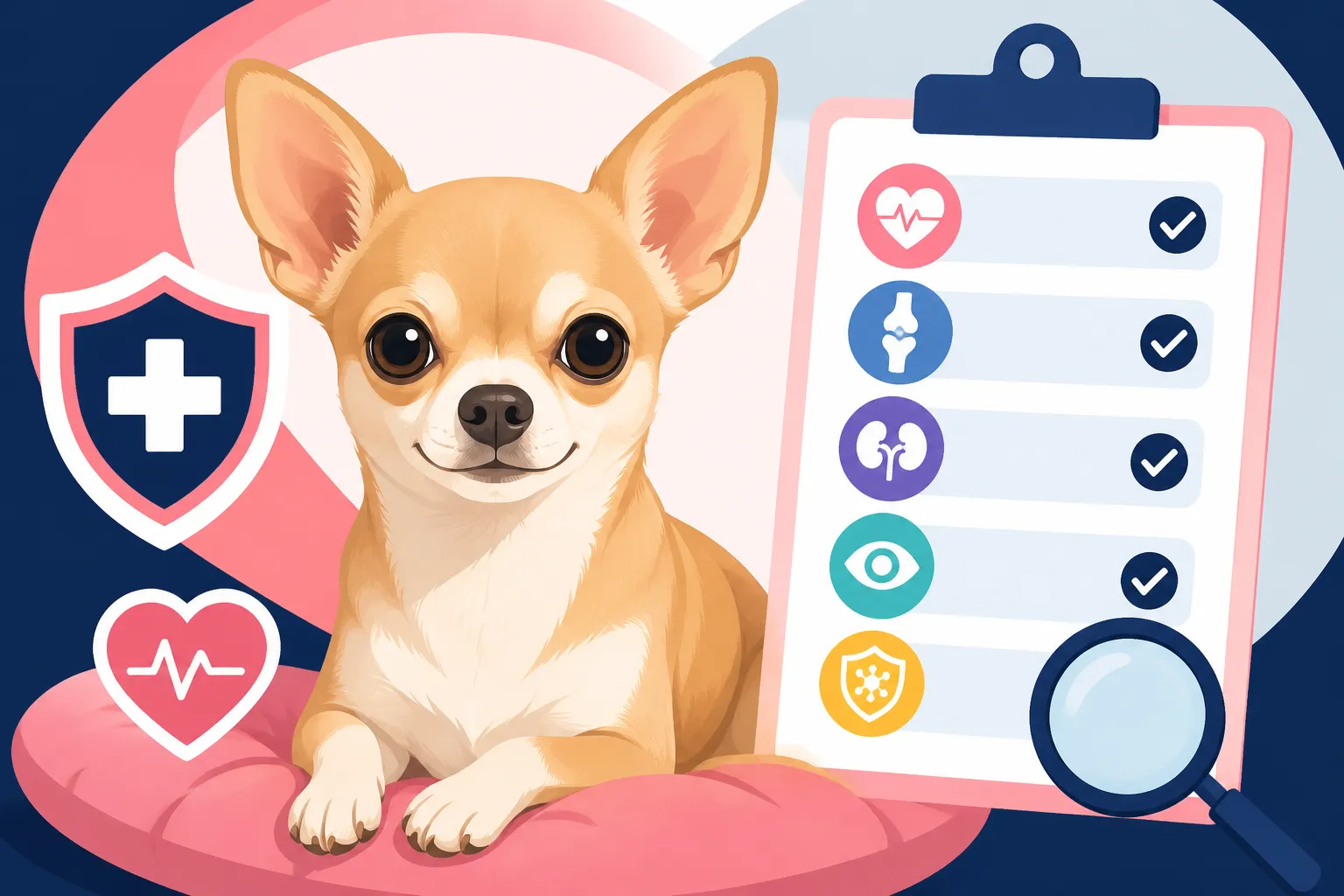
To make things a little easier to digest, here's a quick overview of the key health tests and certifications a responsible Chihuahua breeder should be able to provide or discuss for their breeding dogs:
| Test Name | What it Screens For | Performed By | Certification Body (if applicable) | Typical Age for Testing |
|---|---|---|---|---|
| Patellar Luxation Exam | Slipping kneecaps (joint stability) | Veterinarian (often orthopedic) | OFA | 12+ months |
| Cardiac Exam (Auscultation) | Heart murmurs, arrhythmias | General Veterinarian / Cardiologist | OFA | 12+ months |
| Echocardiogram (if needed) | Detailed heart structure, function, congenital defects | Board-certified Veterinary Cardiologist | OFA | 12+ months |
| Ophthalmic Exam | Inheritable eye diseases (PRA, cataracts, lens luxation) | Board-certified Veterinary Ophthalmologist | OFA (formerly CERF) | 12+ months (often annually) |
| Legg-Calve-Perthes Disease | Degeneration of the femoral head in the hip | Veterinarian (clinical signs, X-rays) | OFA (evaluation based on X-rays) | 5-8 months (when symptoms appear) |
Disclaimer
Please remember that this information is for educational purposes only and should not replace professional veterinary advice. Always consult with a qualified veterinarian regarding your Chihuahua's specific health concerns. While health testing significantly reduces the risk of inheritable diseases, it does not guarantee that a puppy will be free from all health issues throughout its life.