Chihuahua Vaccination and Anesthesia at Toy Size
Bringing your tiny Chihuahua to the vet can often feel like a tightrope walk – you're acutely aware of their small size and the potential for things to go wrong, whether it's a routine vaccine or a necessary surgery. This guide is here to unravel those anxieties, providing a clear, empathetic look at how veterinary care, particularly vaccinations and anesthesia, are safely managed for our smallest companions.
The Unique Challenges of Toy-Sized Chihuahuas at the Vet
It's completely normal to feel a surge of protectiveness when your little Chihuahua heads to the vet. Their delicate frame often makes owners incredibly nervous, and rightly so. These aren't just small dogs; they have unique physiological considerations that impact every aspect of their medical care.
Why Their Small Stature Amplifies Concerns
Think about it: a medication dose for a 60-pound Labrador is vastly different from one for a 6-pound Chihuahua. This isn't just about scaling down; it's about precision. Chihuahuas have a much faster metabolism relative to their body mass, which can affect how quickly they process drugs. Their tiny blood volume means that even a small amount of blood loss during a procedure can be significant. Furthermore, their limited body fat and large surface area to volume ratio make them incredibly prone to hypothermia, especially when under anesthesia or experiencing stress in a cool clinic environment. These factors mean that every decision, from vaccine volume to anesthetic agent choice, must be meticulously calculated and monitored by the veterinary team.
Owners often worry about their Chihuahua shivering in the clinic, and while sometimes it's just nerves, it's a very real concern related to their body's ability to maintain warmth. The veterinarian and their staff are well aware of these challenges and have specific protocols in place to address them, but it doesn't diminish the very real anxiety an owner feels watching their little dog.
Overcoming Owner Anxiety About Vet Procedures
Let's be honest, seeing your little one stressed or facing a medical procedure is tough. Many Chihuahua owners experience significant anxiety, fearing that their dog is too fragile for certain treatments. This isn't just about the physical risks; it's the emotional connection you have with such a small, vulnerable creature. The best way to combat this worry is through open, honest communication with your veterinary team. Don't hesitate to ask detailed questions about their protocols: What specific medications will they use? How will they monitor your Chihuahua? What measures are in place to keep them warm? A good vet will welcome these questions and take the time to explain everything, alleviating some of your fears.
It also helps to choose a vet clinic that is experienced with toy breeds. They often have specialized equipment, like smaller blood pressure cuffs, micro-dosing syringes, and warm-air blankets, specifically designed to cater to the needs of miniature patients. Knowing that your vet takes your Chihuahua's size seriously can make a huge difference in your peace of mind. Remember, your vet wants your Chihuahua to be safe and healthy just as much as you do.
Navigating Chihuahua Vaccination Protocols
Vaccinations are a cornerstone of preventive care for any dog, and Chihuahuas are no exception. However, their size means that the approach to vaccination needs to be thoughtful, balancing protection against potential reactions.
Essential Core Vaccines for Tiny Chihuahuas
Just like their larger canine cousins, Chihuahuas require core vaccinations to protect them from widespread, serious, and often fatal diseases. These typically include Canine Distemper, Adenovirus (Hepatitis), Parvovirus, and Rabies. Despite their small size, the recommended vaccine schedule for Chihuahuas generally follows that of other breeds, starting with a puppy series and then booster shots as adults. You might worry about injecting a tiny dog with what seems like a standard dose, but veterinarians are trained to administer vaccines safely, often using smaller needles and careful technique.
It’s crucial to understand that even if your Chihuahua is primarily an indoor dog, they are still susceptible to these viruses. Parvovirus, for instance, can be carried into your home on shoes or clothing. Rabies is a public health requirement in most places, regardless of your dog's size or indoor status. Prioritizing these core vaccines offers the most comprehensive protection against serious illness. For more detailed information, it's worth learning about Vaccine Reactions in a Toy Sized Chihuahua to understand what to look out for.
Weighing Non-Core Vaccines and Their Risks
Beyond the core vaccines, there are several non-core vaccines that might be recommended based on your Chihuahua's lifestyle and geographical location. These include Leptospirosis, Bordetella (kennel cough), and Lyme disease. For a Chihuahua, the decision to administer these needs to be a careful conversation with your vet. Leptospirosis, for example, is often recommended for dogs who have exposure to wildlife, stagnant water, or rural areas, as it can cause serious kidney and liver disease. If your Chihuahua rarely leaves your apartment, the risk might be lower.
Similarly, the Bordetella vaccine is primarily for dogs who frequent boarding kennels, dog parks, or grooming salons where they interact closely with other dogs. If your Chihuahua's social life is mostly limited to your lap, this vaccine might be less critical. While generally safe, any vaccine carries a small risk of reaction, and for a small dog, even a mild reaction can seem more pronounced. Your vet will help you assess your Chihuahua's specific risks and exposure levels to make informed decisions about these optional, but sometimes beneficial, protections.
Understanding Vaccine Reactions in Toy Breeds
While vaccines are incredibly safe and effective, any dog can have an adverse reaction, and these can sometimes seem more dramatic in a tiny Chihuahua. Reactions usually range from mild, self-limiting symptoms to, in rare cases, severe anaphylaxis. Mild reactions might include lethargy, mild fever, a temporary loss of appetite, or localized swelling and tenderness at the injection site. You might also notice a bit of swelling on their face or hives. These symptoms typically appear within a few hours of vaccination and resolve on their own within a day or two.
More severe, though very uncommon, reactions include difficulty breathing, severe facial swelling, persistent vomiting, or collapse. These are medical emergencies and require immediate veterinary attention. To minimize risk, vets often recommend administering only one or two vaccines at a time, especially for very small or sensitive Chihuahuas, rather than a full cocktail. It's also a good idea to schedule your Chihuahua's vaccinations for a time when you can closely monitor them for the rest of the day. Discuss any previous reactions or concerns you have with your vet, and they can advise on the safest protocol for your specific dog.
The Intricacies of Anesthesia for a Featherlight Frame
Anesthesia is often the biggest source of worry for Chihuahua owners. The thought of their tiny dog "going under" can be terrifying. However, modern veterinary anesthesia has advanced significantly, and protocols are highly tailored to minimize risks, especially for toy breeds.
Pre-Anesthetic Screening: More Than Just a Blood Test
Before any anesthetic procedure, comprehensive pre-anesthetic screening is absolutely paramount for a Chihuahua. This isn't just a standard blood test; it’s a thorough assessment designed to catch any hidden issues that could complicate anesthesia. This screening typically includes a full physical examination, blood chemistry panels to check organ function (especially liver and kidneys which metabolize anesthetic drugs), and a complete blood count (CBC) to check for anemia or infection.
For Chihuahuas, an electrocardiogram (ECG) might also be recommended to check for underlying heart conditions, as heart issues like Chihuahua Heart Disease as the Breed Ages can be a concern. Sometimes, even a pre-anesthetic chest X-ray is performed to assess lung health, particularly if there are any signs of respiratory issues like a history of coughing. This detailed screening allows the veterinary team to identify any potential risks and adjust the anesthetic protocol accordingly, ensuring the safest possible experience for your tiny companion. It's a critical step that no responsible clinic should skip, giving you and your vet the best chance of a smooth procedure.
Anesthesia Protocols Tailored for Chihuahuas
When it comes to the actual anesthesia, the approach for a Chihuahua is highly customized. Vets use a combination of drugs to achieve a balanced anesthetic state, often starting with a sedative to reduce anxiety and allow for smoother induction. The choice of anesthetic gases and injectable agents is carefully selected based on the individual dog's health profile, taking into account their age, any pre-existing conditions, and the nature of the procedure. For instance, drugs that are easily reversible are often favored for small dogs.
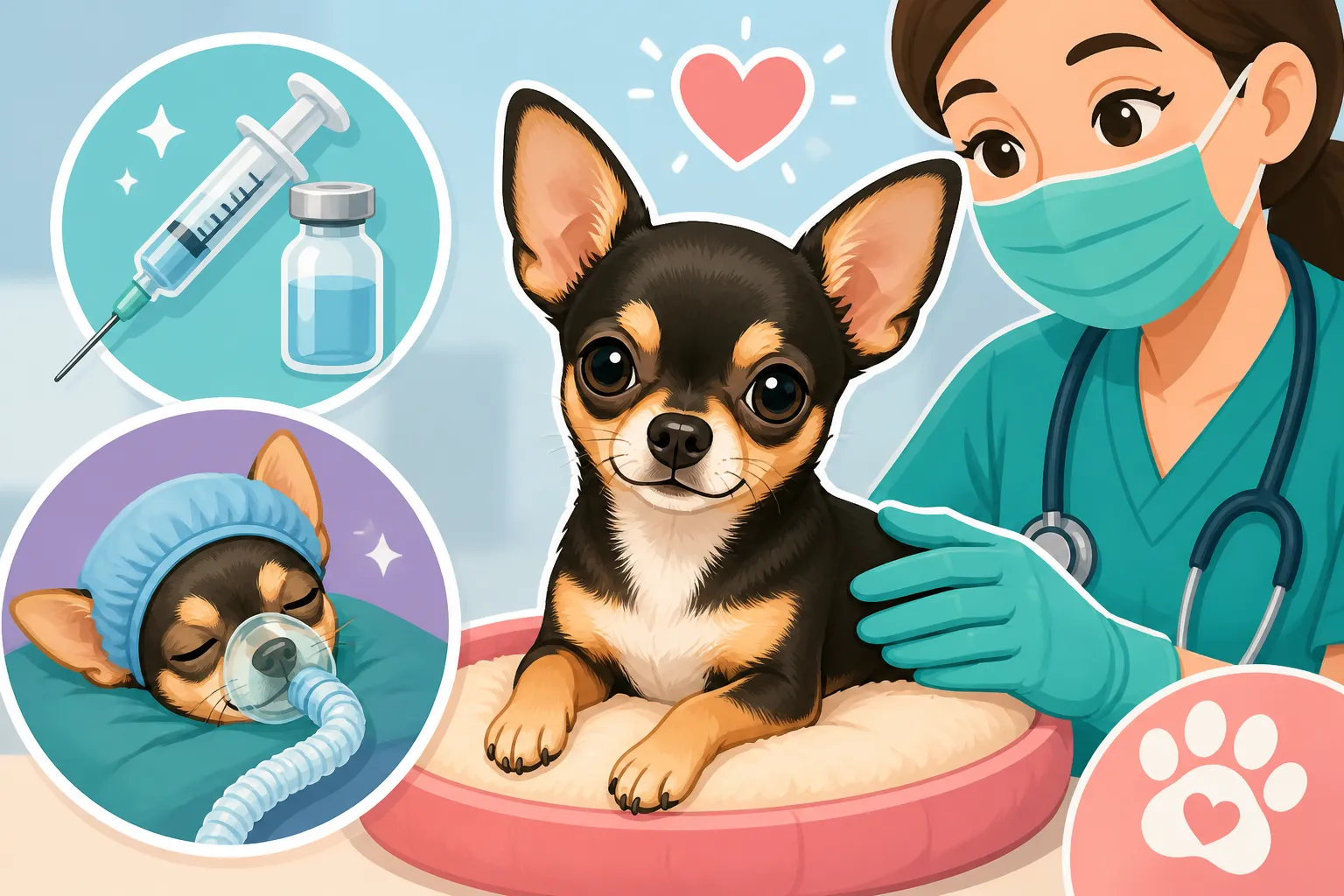
Crucially, continuous monitoring is non-negotiable. During anesthesia, your Chihuahua will have their heart rate, respiratory rate, blood pressure, oxygen saturation, and body temperature closely tracked by a dedicated veterinary technician. Many clinics use advanced monitoring equipment that provides real-time data, allowing the vet to make immediate adjustments if needed. The goal is to keep them stable and comfortable throughout the procedure, minimizing stress on their tiny system. This meticulous attention to detail is what makes modern anesthesia so safe, even for the smallest patients.
Managing Temperature and Recovery in Tiny Patients
Preventing hypothermia is one of the most critical aspects of anesthetizing a Chihuahua. Their small body mass and large surface area mean they lose heat very rapidly, particularly under anesthesia when their metabolic rate is suppressed. Veterinary teams employ a variety of warming techniques, both during the procedure and throughout recovery. This often includes circulating warm water blankets on the operating table, warm air blankets (like the popular Bair Hugger systems), and intravenous fluids warmed to body temperature.
Once the procedure is over, your Chihuahua will be moved to a recovery area where they are continuously monitored, often wrapped in warm blankets or placed on heated pads. A dedicated staff member will stay with them, gently rousing them and ensuring they are warm, comfortable, and recovering smoothly. Slow, gentle recovery is key, as rapid changes can be stressful for their small bodies. They'll also be closely watched for any post-anesthetic nausea or pain, and appropriate medications will be given to ensure their comfort. If you're concerned about Low Body Temperature in a Chihuahua Puppy at home, these professional measures are a vastly scaled-up version of that care.
Common Procedures Requiring Anesthesia in Chihuahuas
While the thought of anesthesia is daunting, it's often a necessary step for several routine and critical procedures that significantly improve a Chihuahua's quality of life and longevity.
Dental Cleanings: A Critical, Recurring Need
One of the most common reasons a Chihuahua goes under anesthesia is for a dental cleaning. It might seem excessive to put such a small dog through anesthesia for their teeth, but Chihuahuas are notoriously prone to severe dental disease. Their crowded little jaws and genetic predisposition mean that plaque and tartar can build up incredibly fast, leading to painful gum disease, tooth loss, and even systemic infections. In fact, many Chihuahuas begin to show signs of significant tartar by age three, much earlier than larger breeds.
A thorough dental cleaning, which includes scaling above and below the gumline and often dental X-rays, simply cannot be performed on a conscious dog without causing immense stress and potential injury. Anesthesia allows the vet to work safely and effectively, addressing existing problems and preventing future ones. It's a crucial investment in your Chihuahua's health, and learning about Chihuahua Dental Disease in a Crowded Small Jaw and Anesthesia Risk During a Chihuahua Dental can help you understand why this recurring procedure is so vital. It’s a sad reality that many Chihuahuas lose teeth younger than big dogs, making these cleanings all the more important.
Spaying and Neutering: Timing and Safety
Spaying (for females) and neutering (for males) are standard surgical procedures that require general anesthesia. These are incredibly important for population control, preventing unwanted pregnancies, and offering significant long-term health benefits, such as reducing the risk of certain cancers and reproductive tract infections. For Chihuahuas, the timing of these procedures is an important discussion to have with your vet, usually recommended around 6-12 months of age, but sometimes earlier for rescues to ensure population control.
Given their size, special care is taken during these procedures. The incision sites are tiny, and meticulous surgical technique is used to minimize tissue trauma and blood loss. Just like with dental cleanings, proper warming and monitoring protocols are in place. Your vet will ensure your Chihuahua is completely stable before, during, and after surgery. For more detailed insights into this decision, you can explore information on Spay Timing for a Chihuahua Under Six Pounds.
Addressing Orthopedic Issues Like Patellar Luxation
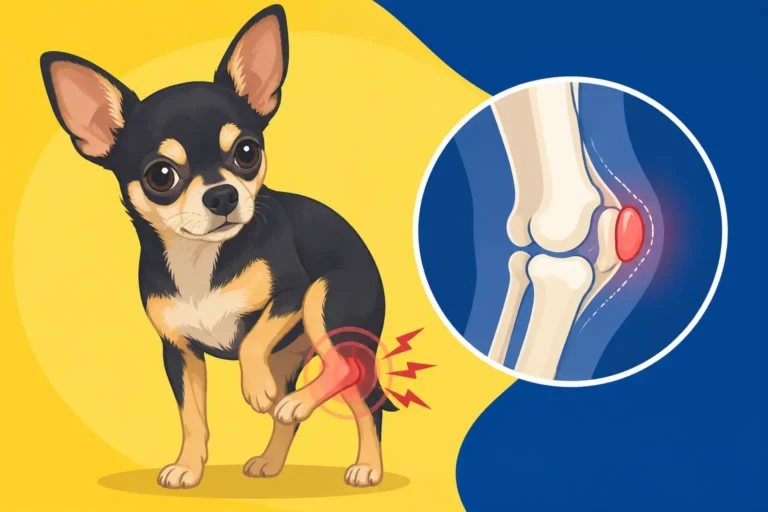
Chihuahuas are predisposed to several orthopedic issues, with patellar luxation (slipping kneecap) being particularly common. This condition can range from mild, intermittent skipping to severe lameness, and in many cases, it requires surgical correction to prevent further damage and pain. Anesthesia is, of course, a prerequisite for any orthopedic surgery. For owners concerned about their Chihuahua’s knees, understanding Patellar Luxation, the Chihuahua's Commonest Joint Problem is a good first step.
The surgical team will use their tailored anesthetic protocols, and often specific pain management plans will be in place before, during, and after the surgery to keep your Chihuahua comfortable. Recovery involves careful post-operative care, including pain medication and restricted activity to allow proper healing. While the idea of knee surgery is daunting, it can significantly improve your Chihuahua’s quality of life and mobility. Knowing the potential Chihuahua Kneecap Surgery Costs can also help owners plan ahead for such eventualities.
Preparing Your Chihuahua and Yourself for Vet Visits
A positive vet experience starts long before you even step into the clinic. For a small, often sensitive breed like the Chihuahua, careful preparation can make a world of difference.
Making the Vet a Positive Experience
For many Chihuahuas, the vet's office can be an overwhelming place. Imagine being tiny, surrounded by unfamiliar sights, smells, and sounds, with large strangers poking and prodding you. This can lead to fear-based aggression, hiding, or extreme trembling. To combat this, start early with positive reinforcement. Take your puppy to the vet's office just for "happy visits" – no pokes, just praise, treats, and perhaps a quick weigh-in. Let them get comfortable on the examination table and associate the clinic with good things.
Practice handling at home. Gently touch their paws, ears, and mouth regularly, rewarding them for tolerance. Use a comfortable carrier and make it a safe, inviting space, not just something that signals a scary trip. If your Chihuahua is prone to car sickness or extreme anxiety, discuss mild sedatives with your vet for particularly stressful appointments. By making vet visits less traumatic, you're not only helping your Chihuahua but also making it easier for the veterinary staff to provide the best care.
The Role of Nutrition and Wellness in Overall Health
A healthy Chihuahua is a resilient Chihuahua. Proper nutrition and overall wellness play a significant role in how well your dog handles vaccinations and anesthesia. A Chihuahua maintained at a healthy weight and fed a balanced diet has a stronger immune system and better metabolic function, making them better candidates for any medical procedure. Overweight Chihuahuas, for instance, face increased anesthetic risks and can have more pronounced post-operative pain. Ensuring your Chihuahua is not too lean, particularly to avoid issues like hypoglycemia, is also important. Knowing about Feeding a Chihuahua on Two Hundred Calories a Day can help you maintain their ideal weight.
Regular preventive care, like daily teeth brushing to reduce the severity of dental disease, also contributes to their overall health. A Chihuahua that is routinely groomed, has its nails trimmed, and is comfortable with handling is generally less stressed at the vet. Prioritizing their daily health and comfort builds a strong foundation for managing more intensive medical interventions when they become necessary.
Financial Considerations and Pet Insurance
Vet care, especially for procedures involving anesthesia, can be costly. For Chihuahua owners, understanding and planning for these expenses is a crucial part of responsible pet ownership.
Budgeting for Essential Vet Care
It’s a reality that quality veterinary care comes with a price tag, and for complex procedures or emergencies, those bills can quickly escalate. Many owners find themselves caught off guard by the cost of procedures like dental cleanings or unexpected surgeries. Establishing a dedicated savings fund for your Chihuahua's medical needs is a wise approach. Even setting aside a small amount each month can help cushion the blow of routine expenses or unforeseen emergencies.
A typical annual budget for a Chihuahua might include preventive care, vaccinations, parasite prevention, and at least one annual dental cleaning requiring anesthesia. As Chihuahuas age, they may develop chronic conditions like heart disease or arthritis, leading to ongoing medication costs and more frequent vet visits. Understanding the potential expenses, particularly The Emergency Bills That Reach Chihuahua Owners, allows you to plan and ensure your furry friend receives the care they need throughout their long life.
How Pet Insurance Can Offer Peace of Mind
This is where pet insurance can truly shine, offering a financial safety net for unexpected medical costs. Companies like Healthy Paws offer various plans that can help cover a significant portion of your vet bills, particularly for accidents, illnesses, and emergency care. For Chihuahuas, who can be prone to conditions like patellar luxation or severe dental disease requiring multiple anesthetic procedures, pet insurance can be an invaluable investment.
Imagine facing an urgent surgery or a lengthy diagnostic workup; without insurance, these can lead to thousands of dollars in out-of-pocket expenses. Healthy Paws, for example, typically reimburses a percentage of your vet bill after you meet your deductible. While it won't cover pre-existing conditions, enrolling your Chihuahua when they are young and healthy can ensure that future unexpected illnesses or injuries, including those requiring anesthesia, are covered. Given that Chihuahua Pet Insurance and Its Low Premium compared to many larger breeds, it's definitely worth exploring as a way to provide your Chihuahua with the best possible care without breaking the bank. It offers a crucial layer of protection, allowing you to make medical decisions based on what’s best for your pet, rather than solely on cost.
| Vaccine Type | Description | Considerations for Chihuahuas |
|---|---|---|
| Core Vaccines | Essential for all dogs due to widespread, serious, and potentially fatal diseases. | Highly recommended regardless of lifestyle; vets use careful technique for tiny size. |
| Distemper | Protects against a highly contagious viral disease affecting respiratory, gastrointestinal, and nervous systems. | Crucial for even indoor Chihuahuas due to easy transmission. |
| Parvovirus | Guards against a severe and often fatal viral disease causing vomiting, diarrhea, and dehydration. | Highly contagious and resilient in the environment; essential protection. |
| Adenovirus (Hepatitis) | Protects against infectious canine hepatitis, which can cause liver damage and other symptoms. | Part of the standard DAPP combination vaccine. |
| Rabies | Mandatory by law in most regions; fatal and transmissible to humans. | A single vaccine required by law, regardless of indoor/outdoor status. |
| Non-Core Vaccines | Recommended based on individual risk factors, lifestyle, and geographical location. | Discuss with vet; weigh exposure risk against potential for vaccine reaction in tiny dogs. |
| Leptospirosis | Protects against bacterial infection leading to kidney/liver failure, often from contaminated water/wildlife. | Consider if Chihuahua has access to puddles, lakes, or rural environments. Can sometimes cause reactions in small dogs. |
| Bordetella (Kennel Cough) | Protects against respiratory infection, common in social settings (boarding, grooming, dog parks). | Advised if Chihuahua frequently interacts with other dogs. |
| Lyme Disease | Protects against tick-borne bacterial disease. | Consider if Chihuahua lives in or frequently visits high-tick areas. |
| Canine Influenza | Protects against highly contagious respiratory virus. | Advised if Chihuahua has high exposure to other dogs (e.g., dog shows, frequent boarding). |
Disclaimer
This information is intended for educational purposes only and is not a substitute for professional veterinary advice. Always consult with a qualified veterinarian regarding your Chihuahua's specific health needs, diagnosis, and treatment plan. Medical decisions should be made in consultation with a veterinary professional.