A Chihuahua Eye Scratched by a Cat or Branch
It's absolutely heartbreaking and frightening when you notice your tiny Chihuahua squinting, tearing up, or pawing at their eye. That delicate little face, especially with those beautiful, prominent eyes, can be so vulnerable to accidental scrapes or scratches from something as seemingly innocuous as a low-hanging branch on a walk or a playful swat from a feline housemate. This guide is here to walk you through exactly what to do if your Chihuahua suffers an eye injury, helping you understand the urgency, the potential diagnoses, and the best path to recovery for your beloved companion.
The Unique Vulnerability of Chihuahua Eyes
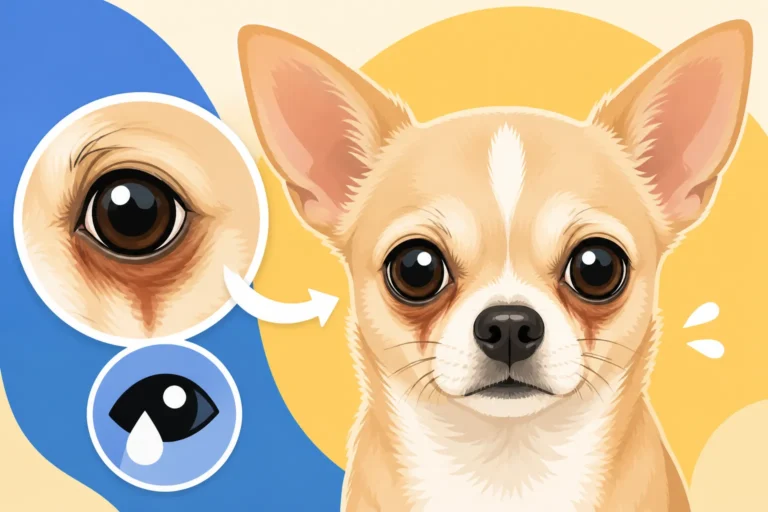
Chihuahuas are undeniably adorable, but some of their most endearing physical traits also make them prone to specific health challenges. Their large, often bulging eyes, especially in the classic apple-head variety, are a prime example. Unlike breeds with deeper-set eyes, a Chihuahua's eyes sit relatively shallow in their sockets, making them far more exposed to the outside world. This isn't just a cosmetic feature; it's a significant factor in why a simple scratch can turn into a serious issue so quickly.
Why Prominent Eyes Mean Higher Risk
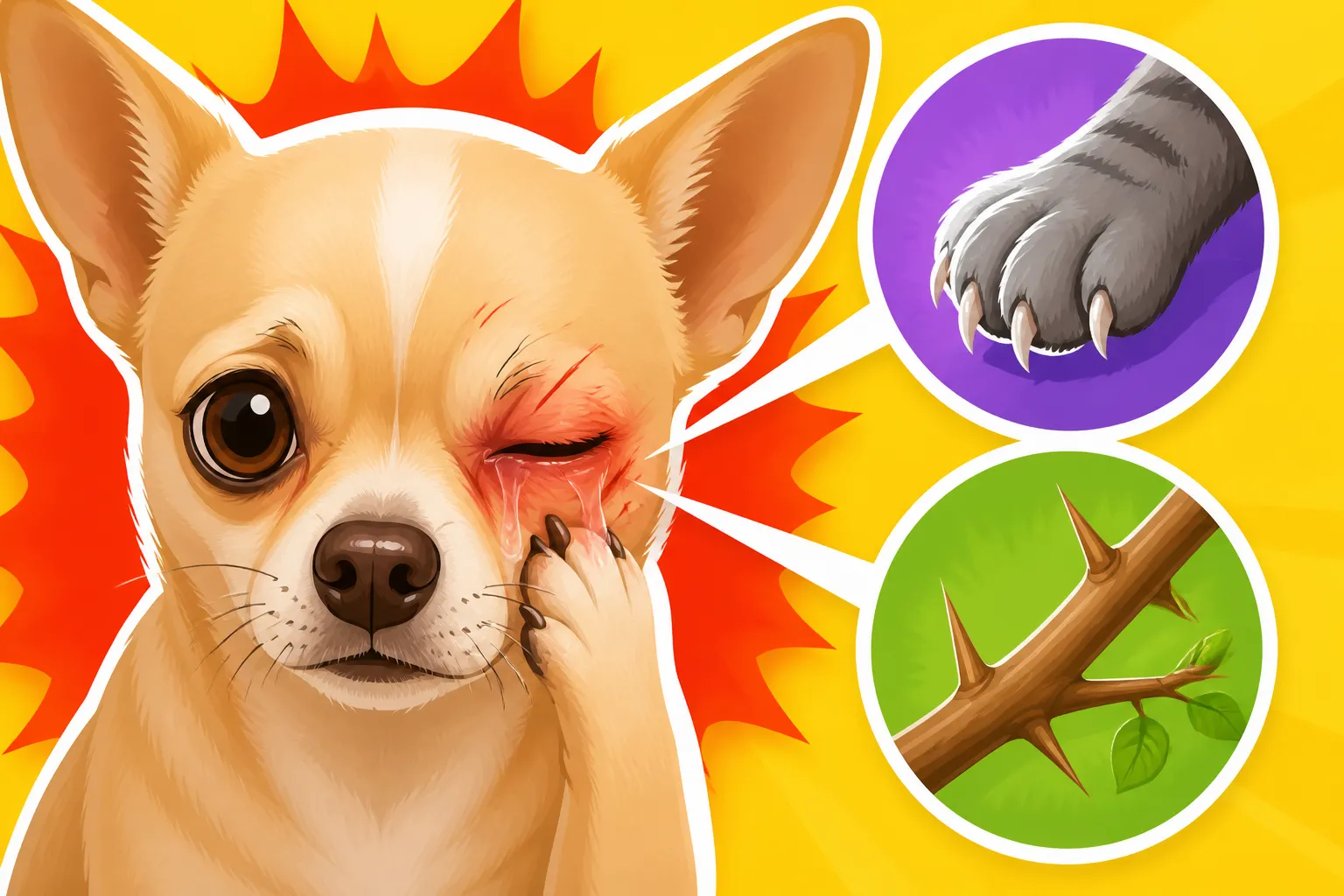
Think about it: a dog with deep-set eyes, like a Labrador or a German Shepherd, has a natural bony ridge and a longer muzzle that offer a degree of protection. A Chihuahua, with its short muzzle and those wide-set, expressive eyes, essentially lacks this natural shield. This means that a slight brush against a rose bush, a too-enthusiastic game with a larger dog, or even a sudden swipe from a curious cat can make direct contact with the delicate surface of the eyeball. The sheer exposure increases the odds of external trauma. If you're concerned about other specific issues, we have a detailed guide on Chihuahua Eye Problems in a Shallow Socket.
Beyond just being physically exposed, the tear film that lubricates the eye can sometimes be less effective when the eye is so prominent. This can lead to issues like dry eye, which further compromises the eye's natural defenses. A drier eye surface is more susceptible to irritation and slower to heal if an injury does occur. Imagine having a perpetual tiny dust speck in your eye – that constant irritation makes it less resilient. This is why even minor environmental irritants can cause discomfort and make the eye more vulnerable to secondary infections after a scratch.
Common Sources of Accidental Eye Injuries
It’s easy to assume your precious pup is safe indoors, but even within your home, hazards lurk. Cats are often cited as culprits; a seemingly innocent play swat can extend a claw directly into a Chihuahua's eye. Their tiny size also puts them at "ground level" for many dangers. Low-hanging branches on walks, especially if you're exploring new trails or have overgrown shrubs in your yard, are notorious for causing corneal abrasions. Even enthusiastic toys or rough play with another dog can result in an accidental poke or scratch.
Consider also the simple act of leaning down to investigate something. A Chihuahua's nose is right there, and so are their eyes. If they're sniffing around a bush, they're practically asking for a twig to poke them. Dust, grit, or even a stray piece of grass seed can become embedded. The key is to remember their perspective: everything at your knee-height is eye-level for them, vastly increasing their chances of encountering hazards you wouldn't even consider for a larger breed.
Immediate Action Steps After an Eye Injury
Finding your Chihuahua with a red, squinting, or watering eye can induce instant panic. It's natural to feel overwhelmed, but remaining calm and acting swiftly is crucial. Eye injuries are rarely something you can "wait and see" about; prompt veterinary attention can be the difference between a minor irritation and permanent vision loss.
Assessing the Situation and Gentle Handling
The very first thing to do is to try and assess the situation as best you can without causing further distress or damage. Look for any obvious foreign objects, but resist the urge to rub or vigorously wipe the eye, as this could embed a scratch deeper or cause more trauma. If you see a foreign object, do not try to remove it yourself unless it's something incredibly superficial like a loose hair that you can gently flick away with a clean, moistened cotton swab, always wiping away from the eye.
Gently restrain your Chihuahua if they are trying to paw at their eye. This is a common, instinctual reaction that can make the injury much worse. You might use an Elizabethan collar (the "cone of shame") if you have one on hand, or even fashion a temporary one from a plastic container or thick cardboard. The goal is to prevent self-trauma while you prepare to head to the vet. If they are in significant pain, they might be resistant, so approach them calmly and speak in soothing tones. This initial, gentle observation helps the vet later, but remember, actual treatment should come from a professional.
The Urgency of Veterinary Care
Eye injuries are one of the few things in veterinary medicine that truly qualify as an emergency. The eye is incredibly delicate, and a small scratch, known as a corneal abrasion, can quickly become infected or deepen into an ulcer if not treated properly and promptly. Bacterial infections can take hold rapidly, leading to pus discharge, increased pain, and a much more complicated recovery.
Think of it this way: your Chihuahua's eye is essentially an open wound to the elements. Without immediate medical intervention, that tiny scratch could escalate, causing severe pain, potentially leading to chronic issues, or in the worst-case scenario, even the loss of the eye. Don't delay. Call your veterinarian immediately, or head to the nearest emergency veterinary clinic. Even if it's after hours, this isn't something that can wait until morning.
What to Expect at the Vet
When you arrive at the vet, they will likely start with a thorough examination of your Chihuahua's eye. This isn't just a quick peek; it involves several key steps. They'll probably use an ophthalmoscope to get a good look at the structures of the eye. A crucial diagnostic tool is the fluorescein stain test. This involves applying a special orange dye to the eye. If there's an abrasion or ulcer on the cornea, the dye will stick to the damaged area and glow green under a blue light, making the injury clearly visible. This simple test is highly effective at identifying corneal ulcers in a Chihuahua.
The vet may also check your Chihuahua's tear production with a Schirmer tear test, especially if dry eye is suspected as a contributing factor or complication. They'll also measure intraocular pressure to rule out glaucoma. Depending on what they find, they might recommend additional tests or refer you to a veterinary ophthalmologist if the injury is particularly severe or complex. Don't be surprised if the vet asks detailed questions about how the injury happened, even if you only have a guess – every piece of information helps them tailor the best treatment plan.
| Symptom of Eye Injury | Potential Cause/Severity | Immediate Action |
|---|---|---|
| Squinting or holding eye shut | Pain, foreign object, abrasion | Prevent pawing, contact vet immediately |
| Excessive tearing (epiphora) | Irritation, scratch, blocked tear duct | Prevent pawing, contact vet immediately |
| Redness (conjunctivitis) | Inflammation, infection, trauma | Prevent pawing, contact vet, avoid OTC drops |
| Pawing or rubbing the eye | Intense discomfort, foreign object | Place cone (E-collar), contact vet |
| Cloudiness or bluish tint on eye | Corneal ulcer, swelling, foreign body | Emergency vet visit |
| Discharge (pus-like) | Infection, severe irritation | Contact vet immediately, do not wipe aggressively |
| Visible foreign object (e.g., thorn) | Direct trauma | Do NOT attempt to remove, contact vet immediately |
Common Eye Injuries and Treatments
Once your Chihuahua has been examined, your vet will explain the specific type of injury and the recommended course of treatment. It’s important to understand that recovery can take time and diligence on your part, especially with applying medications.
Corneal Abrasions and Ulcers
A corneal abrasion is essentially a scratch on the surface of the eye. It might sound minor, but even a small abrasion can be incredibly painful for your Chihuahua and, as we mentioned, can quickly become infected. The treatment typically involves antibiotic eye drops or ointment to prevent infection, and often a pain-relieving drop to make your pup more comfortable. Sometimes, atropine drops are used to dilate the pupil, which helps reduce spasms and pain within the eye.
If the abrasion is deeper or becomes infected, it can develop into a corneal ulcer. These are more serious and can sometimes require additional treatments, such as serum eye drops (made from your dog's own blood to provide healing factors) or contact lenses to protect the healing eye. In very severe or non-healing cases, surgery might be necessary. Your vet will stress the importance of consistently administering the medications exactly as prescribed. Missing doses can prolong healing or even lead to complications. This is also where an investment in pet insurance, like a comprehensive plan from Healthy Paws, can really make a difference, covering those unexpected and potentially significant costs of specialized medications or surgical interventions.
Conjunctivitis and Foreign Bodies
Conjunctivitis, or inflammation of the conjunctiva (the pink lining around the eye), can sometimes be a symptom of a foreign body in the eye or an underlying injury. If your Chihuahua has a piece of dust, a tiny hair, or even a grass seed stuck in their eye, it can cause significant irritation, redness, and discharge. The vet will carefully examine the eye, often using magnification, to locate and remove the foreign object. This procedure is delicate and best left to a professional to avoid further damage.
After removal, your Chihuahua will likely be prescribed anti-inflammatory eye drops or an antibiotic to prevent infection and help the inflammation subside. It's crucial to follow up with your vet to ensure the eye is healing properly and no secondary issues, like an underlying scratch, were missed during the initial assessment. Sometimes the irritation can look like simple conjunctivitis, but upon closer inspection, a tiny, almost invisible scratch is found.
Preventing Further Self-Trauma During Recovery
A critical part of treating any eye injury is preventing your Chihuahua from pawing, rubbing, or scratching at the affected eye. This is where the Elizabethan collar, or E-collar (the dreaded "cone of shame"), becomes your best friend. While most dogs detest wearing it, it is absolutely non-negotiable for eye injury recovery. Even one quick scratch from a back paw could undo days of healing or even cause permanent damage. Your Chihuahua's tiny paws, while cute, are sharp enough to seriously injure an already compromised eye.
Your vet will likely send your Chihuahua home with an E-collar already on. Keep it on diligently, even overnight. Only remove it under direct supervision, and only if your vet explicitly says it's okay for short periods. This commitment to preventing self-trauma is just as important as the medication itself. Remember that while the E-collar protects the eye, you'll still need to ensure your pup can eat, drink, and navigate their environment safely while wearing it. Some Chihuahuas will just freeze with it on, so be patient and guide them. For more insights on overall senior care, you might find our guide on Senior Chihuahua Care Past the Age of Twelve helpful, as older Chihuahuas might have slower healing times.
Long-Term Care and Prevention
Once your Chihuahua's eye injury has healed, the work isn't entirely over. Proactive steps can help prevent future incidents and ensure your tiny companion’s eyes remain healthy for years to come.
Environmental Adjustments and Supervision
Prevention truly is the best medicine when it comes to eye injuries. Take a critical look at your home and yard from your Chihuahua's perspective. Are there low-hanging branches in your garden that could snag an eye? Trim them back. Is your furniture or decor at a height where it could pose a risk during zoomies? Adjust it. If you have other pets, especially cats or larger dogs, supervise their interactions closely. While most multi-pet households live in harmony, accidents can happen in an instant, and a Chihuahua's eye is particularly vulnerable.
Consider using puppy gates or exercise pens to create safe zones for your Chihuahua, especially when you can't offer full, undivided supervision. This is particularly important if you have young children or other rambunctious pets. Remember that when your Chihuahua is excited, they might not be paying attention to their surroundings, making them more prone to bumping into things or getting into playful tussles that could lead to an injury. Maintaining a clean living environment, free of dust and debris, also helps reduce potential irritants.
Regular Grooming and Eye Cleaning
Good grooming habits play a crucial role in eye health. For long-haired Chihuahuas, ensure the hair around their eyes is regularly trimmed short to prevent it from irritating the eye surface or carrying debris into the eye. A professional groomer or your vet can often do this safely. Even smooth-coat Chihuahuas can benefit from daily gentle wiping around their eyes with a damp, clean cloth to remove any accumulated dust or tear stains.
This daily routine isn't just about aesthetics; it’s about hygiene and early detection. If you’re regularly cleaning around their eyes, you’re more likely to notice subtle signs of irritation, redness, or discharge before it escalates into a more serious issue. Always use a separate, clean part of the cloth for each eye to avoid transferring potential infections. Regular Smooth Coat and Long Coat Chihuahua Grooming can make a huge difference in overall health.
The Role of Regular Vet Check-ups and Insurance
Routine veterinary check-ups are essential for monitoring your Chihuahua’s overall health, including their eyes. During these visits, your vet can identify any underlying conditions, like incipient dry eye, that might make them more prone to injury or slower to heal. They can also offer personalized advice on preventative care based on your Chihuahua's specific breed characteristics and lifestyle. Regular check-ups are also a great opportunity to discuss potential Chihuahua Dental Disease in a Crowded Small Jaw, another common health concern.
Furthermore, it's worth considering pet insurance, like the plans offered by Healthy Paws. While we never want our furry friends to get hurt, accidents do happen, and eye injuries can sometimes require expensive specialist visits, medications, or even surgery. Having a good insurance policy can provide peace of mind and ensure you can make treatment decisions based on what's best for your Chihuahua, rather than being solely driven by cost. Even if your pup is generally healthy, unexpected emergencies can lead to significant The Emergency Bills That Reach Chihuahua Owners. It's a smart way to budget for the unforeseen over your Chihuahua's long lifespan, which could easily be sixteen years or more!
Disclaimer
This article is intended for informational purposes only and is not a substitute for professional veterinary advice, diagnosis, or treatment. Always seek the advice of your veterinarian or other qualified health provider with any questions you may have regarding a medical condition. Never disregard professional veterinary advice or delay in seeking it because of something you have read in this article.