Chihuahua Exercise Needs Every Day
It's incredibly easy to look at a tiny Chihuahua, snug in their blanket nest, and think their exercise needs are minimal. Many owners, myself included at first, fall into the trap of believing a few laps around the living room or a quick potty break in the yard is enough to keep these pint-sized pups healthy and happy. But this misunderstanding can lead to a whole host of problems, from behavioral quirks to serious health issues. This guide is here to unravel the truth about Chihuahua exercise needs every single day, helping you keep your little companion fit, engaged, and well-behaved.
Understanding the Chihuahua's Physical Capabilities and Limits
Chihuahuas might be small, but they are dogs through and through, meaning they have inherent needs for physical activity. Their size, however, does come with unique considerations that owners must always keep in mind. We can't treat them like a Labrador, but we also shouldn't treat them like a fragile doll.
Their Tiny Stature and Fragile Frame
A Chihuahua's small size is, paradoxically, both its charm and its Achilles' heel when it comes to exercise. Weighing in at often under six pounds, their bones are delicate, and their joints are tiny. This means they're prone to certain orthopedic issues, like Patellar Luxation, the Chihuahua's Commonest Joint Problem, where their kneecaps can slip out of place. It also makes them vulnerable to injury from rough play with larger dogs or even an accidental fall from a sofa. You might think keeping them off the ground prevents these issues, but carefully managed, consistent exercise actually strengthens muscles around these joints, offering some protection.
Think about a young Chihuahua puppy, all wobbly legs and boundless curiosity. While they'll dart around your feet with incredible speed, a long, strenuous hike designed for a larger breed could easily overtax their tiny bodies. Their endurance simply isn't built for it, and pushing them too far can result in muscle strain or worse. This isn't to say they're made of glass, but rather that their activity needs to be scaled appropriately to their diminutive size. It's about finding that sweet spot where they can stretch their legs, explore, and burn off energy without putting undue stress on their developing or aging bodies.
Energy Levels: More Than Just a Lapdog
Despite their reputation for being perpetual lap warmers, Chihuahuas often possess surprisingly robust energy levels. They were, after all, once agile little dogs that thrived in the wild landscape of Mexico. That ancestral drive to move and explore still lives within them. A sedentary Chihuahua is often a bored Chihuahua, and a bored Chihuahua can become a mischievous or anxious one. They might resort to excessive barking, destructive chewing, or even house-soiling if their physical and mental energy isn't properly channeled.
You'll see this energy manifest in bursts of zoomies around the house, intense focus during a game of fetch, or relentless curiosity on a sniff-walk around the block. It's easy to assume their entire world exists within arm's reach, but they thrive on experiencing new sights, sounds, and smells. Denying them these experiences, and the physical outlet that comes with them, can lead to a dog that's not truly happy or balanced. They might be small, but their zest for life and activity can rival dogs many times their size, just in different forms and durations.
Unique Breed Considerations
Beyond their general small stature, Chihuahuas have several specific breed traits that influence how we approach their exercise. One significant concern is their delicate trachea. Many Chihuahuas are prone to Collapsing Trachea and the Chihuahua Honking Cough, a condition where their windpipe can flatten, making breathing difficult and causing a distinctive cough. Because of this, neck collars are often a no-go for walks. Instead, a well-fitting harness that distributes pressure across their chest is absolutely essential.
Another consideration is their potential for Chihuahua Heart Disease as the Breed Ages, particularly mitral valve disease. While regular, moderate exercise is generally good for heart health, any strenuous activity should be cleared by a vet if your Chihuahua has a known heart condition. Lastly, some Chihuahuas are born with a soft spot on their skull, called a molera, which usually closes with age but can remain open. While this generally doesn't restrict normal activities, it's another reminder of their delicate nature and why supervision during play, especially with other dogs, is paramount. These breed-specific considerations aren't reasons to avoid exercise, but rather to be smart and mindful about how and where your Chihuahua expends their energy.
Daily Exercise: What Does "Enough" Really Mean for a Chihuahua?
Defining "enough" exercise for a Chihuahua isn't a one-size-fits-all answer, but it's certainly more than just a quick trot to the potty. It's about combining structured activity with mental stimulation throughout their day.
The Myth of the "No Exercise" Chihuahua
Let's debunk a persistent myth right away: the Chihuahua is not a "no exercise" dog. This idea often stems from their small size and their perceived desire to be carried everywhere. While it's true they can fit in a purse, and many enjoy being toted around, constant carrying actually deprives them of essential muscle development, bone density, and mental engagement that comes from exploring the world on their own four paws. An unexercised Chihuahua often carries excess weight, even a pound or two making a significant difference on their tiny frame, which can exacerbate conditions like patellar luxation or contribute to Chihuahua Obesity on a Six Pound Frame.
Think of it this way: if you never walked, even if you were small, your muscles would atrophy, your joints would stiffen, and your overall health would decline. The same applies to your Chihuahua. They need to move, sniff, stretch, and engage with their environment. That little spark in their eyes isn't just for looking cute; it's also for taking in the world and processing new stimuli. Skipping walks or consistent play can lead to pent-up energy, manifesting as unwanted behaviors or just a generally less vibrant companion.
Structuring Daily Walks and Playtime
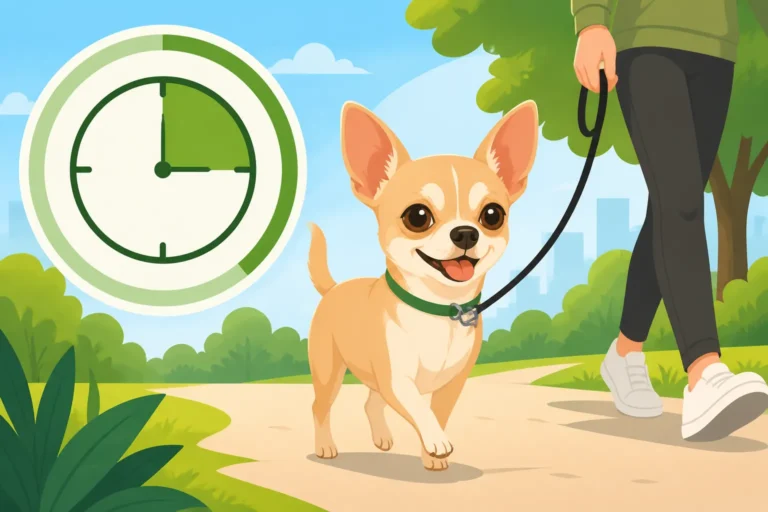
So, what does a balanced exercise routine look like? For most healthy adult Chihuahuas, a good starting point is two to three short walks a day, each lasting about 15-20 minutes. These aren't necessarily power-walking sessions; they're opportunities for sniffing, exploring, and engaging with the neighborhood on their terms. A varied route helps keep things interesting. In addition to walks, incorporate 15-30 minutes of dedicated playtime daily. This could be indoor fetch with a soft toy, tug-of-war (gently, please!), or chasing a flirt pole in the backyard.
Consider breaking up longer periods of rest with short, engaging activities. For instance, before you sit down to work, take your Chihuahua for a quick 15-minute walk. Then, later in the afternoon, have a lively 10-minute fetch session in the living room. Before bed, another short stroll for potty and a final sniff. This staggered approach helps manage their energy throughout the day, preventing those frantic bursts of energy that can be disruptive. Remember, consistency is key; establishing a routine helps your Chihuahua know what to expect and look forward to their activity time.
The Importance of Consistency
Like children, Chihuahuas thrive on routine and predictability. Consistent daily exercise not only keeps their bodies in shape but also contributes significantly to their mental well-being. Imagine your dog waiting eagerly by the door at the same time each day, knowing a walk is coming. This anticipation itself is a form of mental stimulation. Inconsistent exercise, on the other hand, can lead to frustration and confusion. One day they get a long walk, the next they're cooped up all day, which can cause erratic behavior.
A consistent schedule helps regulate their energy, digestion, and even sleep patterns. It sets expectations and builds a sense of security. If your schedule is a bit chaotic, aim for at least two non-negotiable exercise blocks each day, and then add in shorter, spontaneous play sessions as time allows. Even a quick game of hide-and-seek with a favorite toy can be a wonderful, mentally stimulating burst of activity. Consistent short bursts are far better than one long, exhausting session followed by days of inactivity.
Making Exercise Fun and Engaging: Beyond the Walk
Exercise doesn't have to be a chore for either of you. For Chihuahuas, whose world is often much smaller than ours, making activity fun and mentally stimulating is paramount. It’s not just about burning calories; it’s about enriching their lives.
Indoor Activities for Brain and Body
When the weather outside is frightful, or you just can't get out for a long walk, indoor activities become your best friend. Chihuahuas are intelligent little problem-solvers, and their brains need a workout just as much as their bodies. Engage them with puzzle toys, which can be found readily on sites like Chewy or Amazon. These toys dispense treats only when your dog figures out how to manipulate them, providing excellent mental stimulation and a bit of physical movement as they nudge and paw at it.
Beyond puzzles, consider a gentle game of indoor fetch with a soft, lightweight toy. You don't need a huge space; a hallway or living room often suffices. Hide-and-seek, where you hide and call your Chihuahua to find you, is another fantastic game that engages their hunting instincts and encourages movement. Even learning new tricks, like "spin" or "bow," counts as both mental and physical exercise. Just a few minutes of focused training can be surprisingly tiring for a small dog, and it strengthens your bond too! Think about creating a small indoor agility course with pillows to jump over or blankets to tunnel under—it’s amazing how much fun they can have with household items.
Safe Outdoor Adventures
When conditions are right, outdoor adventures are invaluable. Besides those daily walks, consider visits to dog-friendly parks (carefully chosen, as not all dog parks are safe for tiny Chihuahuas around larger, boisterous dogs). A quiet, fenced-in area where they can run freely and safely is ideal. If you have a backyard, setting up a small dig pit or a designated sniffing area with hidden treats can provide immense satisfaction. Remember that Chihuahuas have an incredible sense of smell, and letting them follow their nose is deeply enriching.
Even if you live in an urban environment, exploring new blocks or visiting a quiet local park offers a wealth of sensory experiences. Always use a secure harness, not a collar, to protect their delicate trachea. Many Chihuahuas enjoy car rides, and a short drive to a new walking spot can make the outing even more exciting. The key is variety and safety: new smells, new sights, and new terrains all contribute to a well-rounded outdoor experience. For adventurous types, some Chihuahuas even enjoy supervised hiking on easy trails, carried when they get tired, of course! Walking a Chihuahua Twenty Minutes a Day is a great baseline, but adding variety prevents boredom.
Puzzle Toys and Mental Stimulation
Mental stimulation is just as crucial as physical exercise for Chihuahuas, especially since their physical limitations mean they can't always run for miles. A bored Chihuahua is often a destructive or anxious one. Puzzle toys, as mentioned, are fantastic. Snuffle mats, where you hide kibble or small treats within fabric folds, encourage natural foraging behavior and can keep them engaged for significant periods. Lick mats, spread with a bit of peanut butter or plain yogurt, offer a calming, focused activity that uses their mouths and brains.
Don't underestimate the power of simply teaching new commands or tricks. Even older Chihuahuas can learn! A few five-minute training sessions throughout the day can be surprisingly tiring and rewarding. You can also incorporate scent games: hide a favorite treat or toy and encourage your Chihuahua to find it. This taps into their innate tracking abilities and provides a wonderful mental workout. Products from brands like Ollie, often smaller, softer, and easily portioned, can be excellent for these types of treat-based enrichment activities, keeping within their tiny calorie budget.
| Activity Type | Description | Benefits | Precautions |
|---|---|---|---|
| Walks | Leashed strolls around the neighborhood. | Physical exercise, scent enrichment, mental stimulation, leash training. | Use a harness (not collar); avoid extreme weather; check pavement heat. |
| Indoor Fetch | Tossing soft toys in a hallway or room. | Cardio, play drive fulfillment, handler interaction. | Ensure clear path; use soft toys to prevent injury; keep sessions short. |
| Hide-and-Seek | Hiding and calling your Chihuahua to find you. | Mental stimulation, recall practice, strengthens bond. | Ensure safe hiding spots; use treats as rewards; avoid startling them. |
| Puzzle Toys | Toys that dispense treats when manipulated. | Mental enrichment, problem-solving skills, reduces boredom. | Choose appropriate difficulty; supervise to prevent frustration or damage. |
| Snuffle Mats | Fabric mats with folds to hide treats. | Foraging behavior, scent work, calming activity. | Ensure clean; supervise initial use; avoid leaving unattended if destructive. |
| Trick Training | Teaching new commands or behaviors. | Mental exercise, strengthens bond, builds confidence. | Keep sessions short and positive; use high-value, tiny treats; avoid force. |
Adapting Exercise for Special Circumstances
Life isn't always smooth sailing, and neither is a Chihuahua's exercise journey. There will be times when you need to adjust their activity levels due to external factors like weather or internal ones like health and age.
Exercising in Extreme Weather
Chihuahuas are notoriously sensitive to temperature extremes. Their thin coats and lack of body fat mean they get cold very easily, and their small size makes them prone to overheating quickly. In winter, short, brisk walks are best, and a warm sweater or coat is non-negotiable. Many Chihuahuas need boots to protect their tiny paws from ice, salt, and freezing pavement. On days with heavy snow or bitter winds, indoor games become crucial. Chihuahua Sweaters, Coats and Boots are not just fashion statements; they're vital for their health.
Summer heat is equally dangerous. Hot pavement can burn their sensitive paw pads in seconds, and they can suffer heatstroke much faster than larger dogs. Stick to early morning or late evening walks when temperatures are cooler. Carry water and offer frequent breaks in the shade. On sweltering days, keep outdoor time to quick potty breaks only, and focus on indoor enrichment. A cool mat or a frozen treat can help keep them comfortable. Never, ever leave a Chihuahua in a car, even for a few minutes, in warm weather.
Managing Exercise with Health Conditions
If your Chihuahua has a health condition, their exercise routine will likely need modification. For dogs with Patellar Luxation, the Chihuahua's Commonest Joint Problem, high-impact activities like jumping or prolonged running might need to be minimized. Instead, focus on controlled, short walks on soft surfaces to build muscle without stressing the joint. Swimming (with a life vest, of course!) can be excellent, as it provides non-weight-bearing exercise. Always consult your vet about appropriate activity levels for specific conditions.
For Chihuahuas with Collapsing Trachea and the Chihuahua Honking Cough, strenuous exercise that causes heavy panting or coughing needs to be avoided. Shorter, calmer walks are preferred, and definitely no neck collars. Dogs with Chihuahua Heart Disease as the Breed Ages will also require careful monitoring; often, very mild, consistent activity is recommended, but your vet will guide you on intensity and duration. The goal is to keep them active enough for overall health but to avoid exacerbating their conditions. This might mean more mental games and fewer physical ones.
Adjusting for Puppies and Seniors
Chihuahua puppies are bundles of energy, but their bodies are still developing. Too much high-impact exercise can damage their growth plates and developing joints. Focus on short bursts of play throughout the day, gentle walks, and plenty of supervised exploration. Their bladders are tiny, too, so frequent potty breaks are a must, which naturally incorporates movement. Chihuahua Puppy Biting at Fingers can often be redirected with appropriate play, burning off some of that youthful exuberance.
As Chihuahuas enter their senior years, typically past the age of twelve, their energy levels will naturally decline. They might develop Chihuahua Arthritis in the Teenage Years or experience general stiffness. Exercise for seniors should be gentle and consistent. Short, frequent walks at a slower pace are better than one long one. Soft surfaces are easier on their joints. Ramps for beds and sofas, easily found on Amazon, can help them access their favorite spots without painful jumping. Senior Chihuahua Care Past the Age of Twelve involves a holistic approach, and adapted exercise is a big part of it. Always watch for signs of fatigue or pain, and never push them beyond their comfort zone.
The Dangers of Too Much or Too Little Exercise
Striking the right balance with a Chihuahua's exercise is crucial. Both extremes—over-exercising and under-exercising—carry significant risks for these small dogs. It's about moderation and understanding your individual dog.
The Risks of Over-Exercising a Small Dog
It might seem counterintuitive to worry about over-exercising a dog, but for Chihuahuas, it's a real concern. Their tiny bodies are not built for endurance. Pushing them too hard or too long can lead to exhaustion, muscle strain, or even heatstroke in warm weather. A particularly dangerous risk is hypoglycemia, or low blood sugar, especially in puppies or very tiny adults, who burn through their energy reserves quickly. An exhausted Chihuahua might become lethargic, disoriented, or even collapse.
Beyond immediate physical dangers, repeated over-exertion can exacerbate underlying conditions like patellar luxation or tracheal collapse. If you notice excessive panting, lagging behind, or reluctance to continue, it's time to stop and rest. Always prioritize their comfort and safety over hitting an arbitrary distance goal. It's not about how far they can go, but how well they can go, and how much they enjoy it. A gentle, happy trot is always better than a forced march.
The Consequences of Insufficient Activity
On the flip side, a Chihuahua that doesn't get enough exercise faces a different set of challenges. The most obvious is obesity. Even a single extra pound on a Chihuahua's tiny frame is equivalent to many pounds on a larger dog, putting immense strain on their joints, heart, and other organs. What One Extra Pound Does to a Chihuahua is a clear illustration of this. Obesity can worsen conditions like arthritis, diabetes, and heart disease, significantly shortening their overall Chihuahua Lifespan and Why the Breed Reaches Sixteen.
Beyond physical health, a lack of exercise leads to pent-up energy, which often manifests as behavioral problems. A bored Chihuahua might become destructive, chewing on furniture or shoes. They might bark excessively, become anxious, or even develop house-soiling issues as an outlet for their frustration. Just like us, dogs need to burn off mental and physical steam to feel calm and content. Skipping exercise might seem harmless, but it can create a cycle of restlessness and misbehavior that's difficult to break.
Behavioral Issues Tied to Exercise Imbalance
It's amazing how many behavioral issues can be traced back to an imbalance in exercise. A Chihuahua that's consistently under-exercised might display hyperactivity indoors, nipping at ankles, or constantly seeking attention in disruptive ways. They might be more prone to fear-based reactivity because they haven't had enough positive exposure to the outside world to build confidence. That high-pitched, incessant barking at every little sound? Often, it's a symptom of boredom and unspent energy.
Conversely, a Chihuahua pushed beyond its physical limits can become irritable, withdrawn, or even snappy. Imagine being forced to run a marathon when you're only built for a sprint – you'd be cranky too! Understanding your Chihuahua's individual energy levels and adjusting their exercise accordingly is key to nurturing a calm, happy, and well-adjusted companion. Their behavior is often a direct reflection of whether their fundamental needs for activity and mental engagement are being met.
Integrating Exercise into a Busy Lifestyle
We all lead busy lives, and it's easy to let our good intentions for our Chihuahua's exercise slip. But with a little planning and creativity, you can ensure your tiny companion gets the activity they need, even when your schedule is packed.
Short Bursts of Activity Throughout the Day
The good news is that Chihuahuas don't need marathon sessions. Short, frequent bursts of activity are often more beneficial and easier to fit into a busy day. Instead of aiming for one long walk, try for three 15-minute walks. A quick game of fetch during a coffee break, a short training session while dinner cooks, or five minutes of hide-and-seek before you leave for errands can add up. These micro-workouts keep their energy levels steady and prevent boredom from building up.
Think about your daily routines and where you can naturally insert movement. Walking to the mailbox? Bring your Chihuahua. Taking out the trash? Make it a two-minute sniffari around the yard. Even while you're watching TV, you can practice some obedience commands or engage in a gentle tug-of-war session. Many products available through Chewy or Amazon can help facilitate these short bursts, from durable indoor fetch toys to small, engaging puzzle feeders. It's about making movement a regular, integrated part of your shared day, not a separate, overwhelming task.
Making the Most of Limited Space
You don't need a sprawling backyard or access to vast open fields to give your Chihuahua good exercise. Apartment living is perfectly fine for these small dogs, provided you're committed to their activity needs. Inside, hallways are great for fetch. Living rooms can host games of hide-and-seek or gentle tug. Creating a small indoor agility course with household items like pillows and blankets can be a blast. The vertical space can also be utilized; Ramps and Steps for a Chihuahua Sofa not only protect their joints but can also be part of a structured "climb up, climb down" game.
Mental stimulation becomes even more critical in limited spaces. Rotate their toys to keep them novel and exciting. Use puzzle feeders for meals. Practice new tricks or revisit old ones. Even watching the world go by from a safe window perch can be mentally engaging, as long as it doesn't lead to excessive barking. The key is to be creative and consistent, ensuring that their small world feels rich with opportunities for both physical and mental engagement, even if it's primarily indoors.
Finding Dog-Friendly Activities Beyond the Home
When your schedule allows, explore dog-friendly activities outside the home. Many cafes, boutiques, and even some office spaces welcome well-behaved small dogs. These outings provide invaluable socialization and mental stimulation without necessarily being strenuous. A trip to a pet supply store like Chewy, where they can sniff all the different aisles, is a sensory adventure in itself.
Consider local dog-friendly events or small-dog meetups. Some Chihuahuas enjoy car rides or even short trips in a dog stroller for longer outings, giving them a chance to experience the world without over-exertion. The more you expose your Chihuahua to new, positive experiences, the more confident and well-adjusted they will be. It's not just about running; it's about seeing, smelling, and interacting with the wider world, all while keeping their tiny bodies and unique needs in mind.
Disclaimer
This article is for general informational purposes only and does not constitute professional advice. Laws, prices and regulations vary by location and change over time. Consult a qualified professional for guidance on your specific situation.