What a Chihuahua Loses by Never Touching the Ground
It’s an undeniable truth: Chihuahuas are just so wonderfully portable. That desire to scoop them up, tuck them into a carrier, or cradle them in your arms everywhere you go is so strong, driven by a deep love to protect them from the big, wide world. But here's the honest truth, my friend, that instinct, as sweet as it is, can actually prevent your little companion from experiencing life in a full, healthy, and confident way. This guide is all about shedding light on what your beloved Chihuahua truly misses out on when their tiny paws rarely touch the ground, and how we can empower them to thrive.
The Overlooked Impact on Your Chihuahua's Physical Health
When we constantly carry our Chihuahuas, we're not just offering them a comfy ride; we're inadvertently bypassing crucial physical development opportunities. Just like any athlete needs to train to build strength, a Chihuahua needs to walk and explore to develop a robust, healthy body.
Compromised Muscle Development and Bone Density
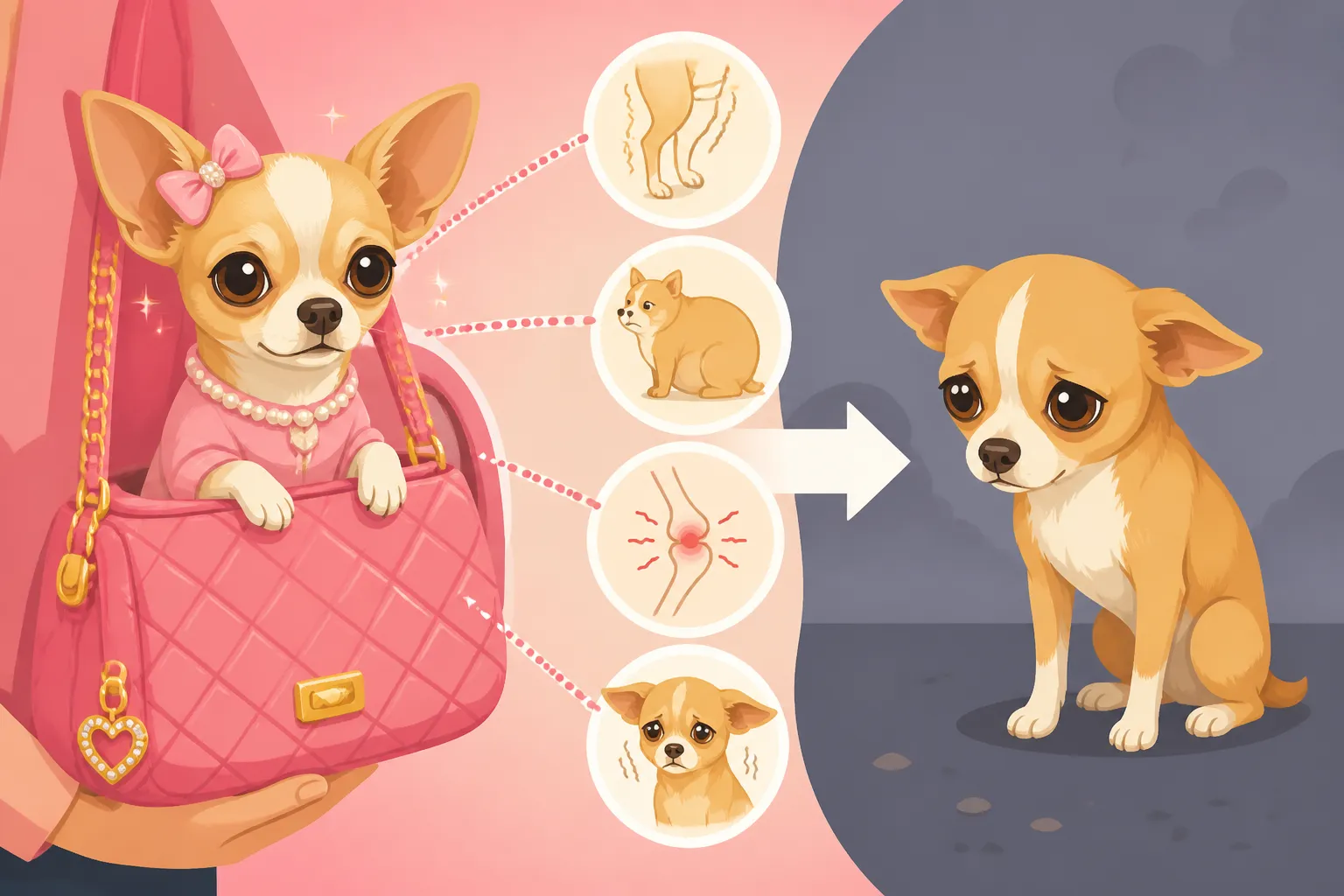
Imagine if you were carried everywhere. Your muscles wouldn't be as strong, right? The same goes for our Chihuahuas. Walking, running, jumping (safely, of course!), and navigating different terrains are all essential for building strong muscles in their legs, core, and back. When a Chihuahua is consistently carried, these muscles don't get the regular workout they need to develop properly. This can lead to weaker musculature, which offers less support to their delicate joints.
Consider conditions like Patellar Luxation, the Chihuahua's Commonest Joint Problem, where the kneecap slips out of place. While genetics play a significant role, strong supporting muscles can help stabilize the joint and potentially mitigate the severity or delay the onset of symptoms. A Chihuahua who consistently walks builds muscle mass that supports their entire skeletal structure, contributing to better overall joint health and mobility as they age. Their bones also benefit from the weight-bearing exercise, which stimulates bone density and strength, making them more resilient.
Weight Management and Cardiovascular Health
It might seem obvious, but if your Chihuahua isn't moving, they aren't burning calories. Chihuahuas have tiny bodies and even tinier calorie requirements. Every treat, every extra kibble, counts significantly. If their primary mode of transportation is your arms or a bag, they are missing out on their daily dose of exercise, making them far more susceptible to weight gain. Even a half-pound on a five-pound Chihuahua is a substantial percentage of their body weight, putting undue stress on their joints, heart, and respiratory system.
Beyond just preventing obesity, regular walking is vital for cardiovascular health. It keeps their heart strong and their circulation robust. A dog that gets daily exercise has better endurance and overall vitality. While it might feel like a short walk isn't much, for a Chihuahua, even twenty minutes of exploring a park or neighborhood is a significant workout that contributes to a longer, healthier life. Think of it as their daily dose of preventative medicine.
Limited Spatial Awareness and Coordination
Our Chihuahuas learn about the world by navigating it. They learn how to step over a curb, how to balance on uneven pavement, how far they can jump, and how to maneuver around obstacles. When they are always lifted over every challenge or carried past every new surface, they don't develop the necessary spatial awareness or fine motor skills. This can make them clumsy, more prone to falls when they are on the ground, and less confident in new environments.
They also miss out on the sensory input of feeling different textures under their paws—grass, pavement, carpet, dirt. These experiences help them build a mental map of their surroundings and develop confidence in their own abilities to move through the world independently.
The Significant Toll on Behavioral and Emotional Well-being
Beyond the physical, constant carrying can profoundly shape your Chihuahua's personality and how they interact with the world around them. This is where well-meaning protection can unfortunately backfire and create the very issues we hoped to avoid.
Exacerbated Fear Reactivity and Anxiety
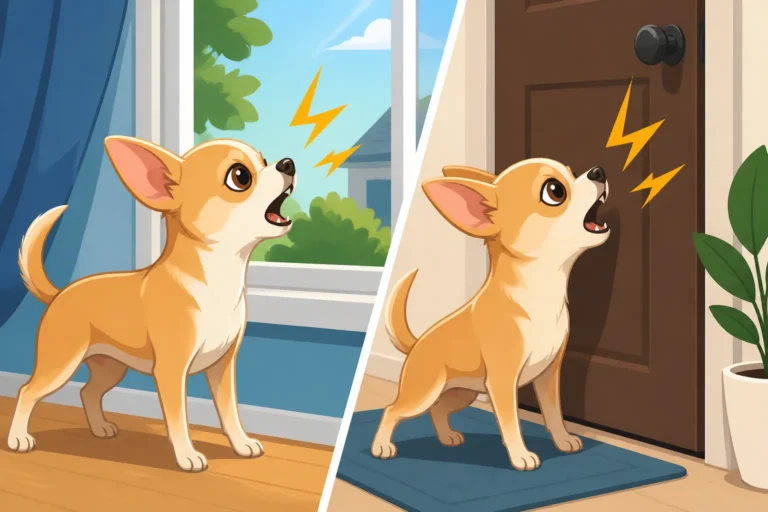
This is perhaps one of the biggest drawbacks. A Chihuahua that is constantly carried is often prevented from properly experiencing and habituating to new sights, sounds, and smells at their own level. When they are put down in an unfamiliar situation, it can be overwhelming because they haven't learned how to process these stimuli gradually and safely from the ground up. This can lead to intense Chihuahua Fear Reactivity, the Breed's Real Problem, where they might bark, lunge, or even snap out of sheer terror at other dogs, people, or unfamiliar objects.
Being constantly picked up also teaches them that they are vulnerable and need their human for protection, rather than fostering a sense of self-reliance. This dependency can fuel anxiety, making them tremble around strangers or cower when confronted with novel situations. They haven't had the chance to develop coping mechanisms because every challenge has been "removed" by their owner. This cycle can sadly create the stereotype of the "nervous, yappy Chihuahua," when in reality, it's often a learned behavior stemming from lack of exposure and confidence building. A Chihuahua That Trembles Around Strangers is often one who hasn't had the chance to calmly observe and interact.
Missed Socialization Opportunities
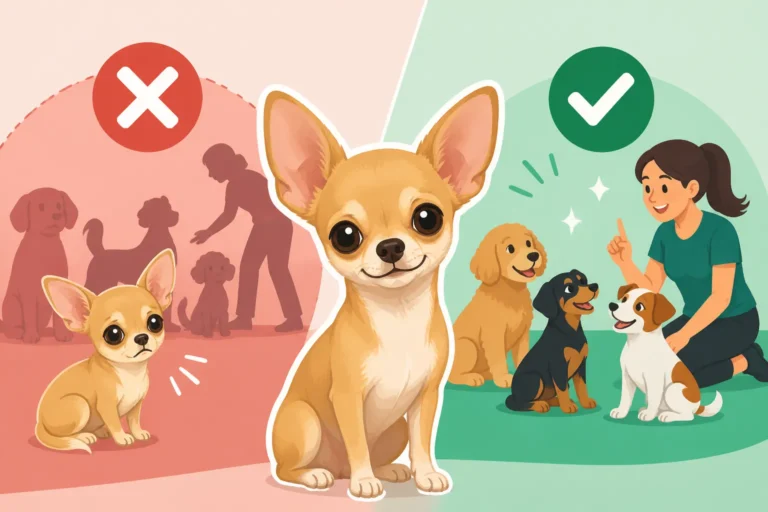
Socialization isn't just about meeting other dogs; it's about learning appropriate social etiquette. When your Chihuahua is perpetually in your arms or a bag, they are literally above the fray. They can't exchange polite sniffs with other dogs, practice appropriate play bows, or read the subtle body language cues that prevent conflict. Instead, they might perceive other dogs as threatening giants because they never get to interact on an even playing field. This can lead to them being undersocialized, which in turn can make them fearful or aggressive towards other canines.
Similarly, they miss out on crucial interactions with different types of people. Children, people using wheelchairs, or those with different gaits can all seem foreign and frightening if your Chihuahua hasn't had positive, controlled exposure. Socializing a Chihuahua Without Overwhelming It involves carefully managed ground introductions, not just observation from a distance. Giving your Chihuahua opportunities to engage with the world through their nose and paws is critical for a well-adjusted, confident dog.
Hindered Independence and Problem-Solving Skills
Part of being a happy, well-adjusted dog is having a sense of agency and independence. When a Chihuahua is always carried, they don't learn to make their own choices, navigate their environment, or solve simple problems. They become overly reliant on their human to dictate every move and interaction. This can manifest as separation anxiety, where they panic when left alone, or a general lack of confidence when faced with new situations.
Dogs thrive on mental stimulation and problem-solving. Exploring a new patch of grass, sniffing out interesting scents, or choosing a path around a puddle are all small acts of independence that contribute to their mental well-being. By preventing these experiences, we deny them the chance to develop their innate curiosity and problem-solving abilities. The Chihuahua Alertness the Standard Calls Terrier-Like can only be truly developed when they are allowed to engage with their surroundings actively.
Practical Implications for Training and Routine
Carrying habits also have very real, practical consequences for daily life, making essential training more difficult and impacting your long-term relationship with your dog.
Challenges with House Training
A Chihuahua's bladder is tiny, and they need frequent potty breaks, especially as puppies. If your Chihuahua is habitually carried out the door and immediately put down in their designated potty spot, they might not learn the cues associated with walking to the door or signaling that they need to go out. They might also get used to being "carried" to relief, making it harder for them to indicate their needs when they are actually on the ground inside.
A dog that consistently walks out to the yard learns the entire process, from asking to go out to choosing a spot. If they're always carried, they often lack the physical connection between the urge to potty and the action of walking to the outdoor space. This can lead to more indoor accidents or a longer, more frustrating house-training process. You might find yourself asking How Many Weeks Chihuahua Potty Training Takes, when part of the issue might be their reliance on being carried.
Undermined Leash Training and Manners
If your Chihuahua spends most of their time off the ground, how will they ever learn to walk politely on a leash? Chihuahua Leash Training on a Harness is a fundamental skill that every dog, regardless of size, needs to master. A dog that is always carried misses out on learning leash pressure, staying by your side, and navigating distractions in the real world. This can lead to them pulling incessantly when they are occasionally on the ground, or simply freezing up because they're not used to the sensation of a leash and harness.
It’s crucial to invest in a well-fitting harness (you can find a vast array of options on platforms like Amazon, making it easy to compare styles and sizes) that distributes pressure across their chest, protecting their delicate trachea. Without consistent practice walking on a leash, your Chihuahua will lack confidence on walks, making outings stressful for both of you. Teaching a Chihuahua to Walk Instead of Ride involves patience and consistency, but it's an incredibly rewarding effort that gives your Chihuahua more agency.
Increased Difficulty with Vet Visits and Handling
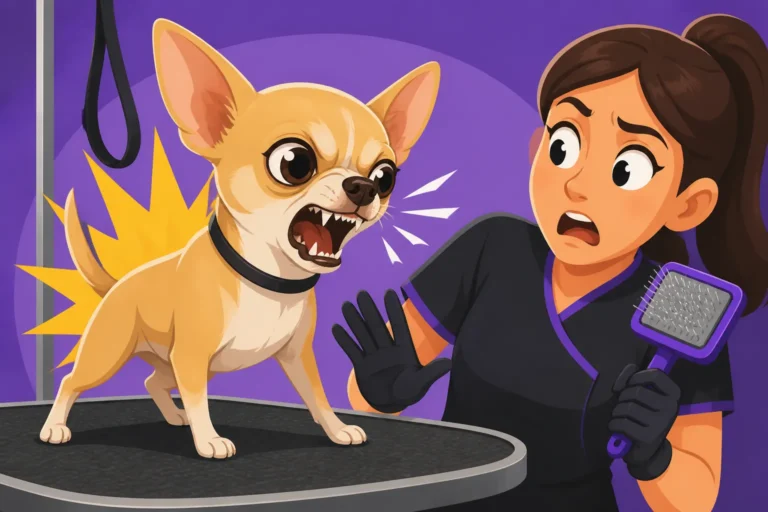
Chihuahuas who are frequently picked up and cuddled by their owners may be perfectly comfortable with you handling them. However, they can become quite uncomfortable, even reactive, when a stranger—like a vet, a groomer, or a pet sitter—tries to do the same. This can make routine vet exams, nail trims, and other necessary handling procedures incredibly stressful and potentially dangerous for everyone involved.
When a Chihuahua isn't used to being handled gently by various people in different contexts, they often react with fear, growling, or snapping. They haven't learned to trust that human hands other than yours are safe. This is where Chihuahua Handling and Why Carrying Backfires becomes clear; it creates a bubble of comfort that doesn't extend to the outside world. Early and consistent exposure to gentle handling by many different people, while their paws are firmly on the ground, helps build a more robust, adaptable temperament.
Encouraging a Grounded Life for Your Chihuahua
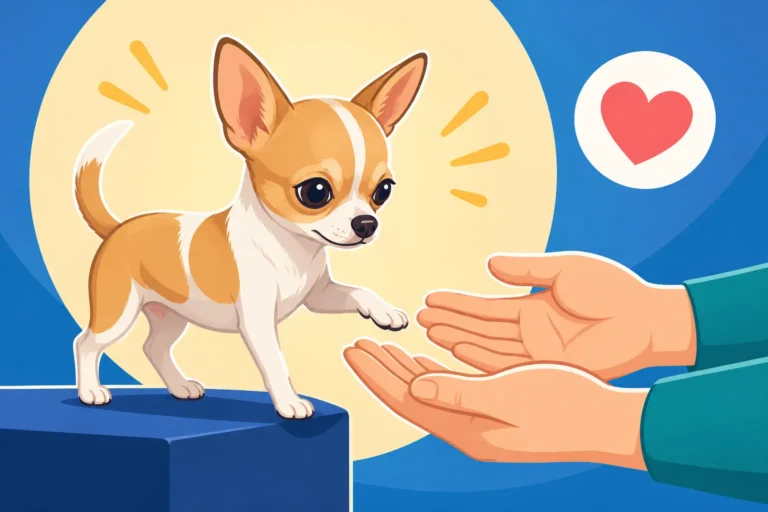
It’s never too late to start encouraging your Chihuahua to embrace the ground beneath their feet. With patience, positive reinforcement, and the right approach, you can help them build confidence and enjoy a richer, more independent life.
Gradual Introduction to Walking
Start small. Begin by putting your Chihuahua down in a familiar, safe environment like your living room or a fenced backyard. Let them explore at their own pace. Use high-value treats to reward any investigation or movement they do on their own. Once they are comfortable, gradually introduce them to short walks in quiet areas. Five to ten minutes is a great starting point. As they build stamina and confidence, you can slowly increase the duration and explore new, slightly more stimulating environments.
Remember that positive reinforcement is key. Every step they take on their own is a win! Make it a fun, rewarding experience. If they get overwhelmed, pick them up, offer comfort, and try again later, perhaps in a calmer setting. Consistency is far more important than intensity when you're building new habits.
Appropriate Gear and Safety Precautions
Investing in the right gear is paramount for a Chihuahua. A comfortable, well-fitting harness is non-negotiable to protect their delicate neck and trachea. Look for harnesses that have a Y-front design or distribute pressure across their chest and shoulders, away from their throat. Brands like Ruffwear, Voyager, or even many reliable options found on Amazon can offer great choices. Harness Fitting on a Chihuahua Chest is crucial to ensure it's both secure and comfortable.
Safety on the ground is also vital. Always walk your Chihuahua on a leash, especially outside. Their small size makes them vulnerable to predators like hawks or coyotes, as well as accidental injuries from larger dogs or even bicycles. Why Dog Parks Are Dangerous for a Chihuahua is a topic many owners need to understand; controlled, safe socialization with appropriate-sized dogs is far better. Be aware of their surroundings, and be ready to scoop them up if a genuine threat appears, but make it the exception, not the rule. Consider using Ramps and Steps for a Chihuahua Sofa and bed to help them access furniture safely without straining their joints.
Creating Confidence-Building Experiences
The goal is to foster a sense of bravery and competence in your Chihuahua. This means providing them with varied experiences at ground level. Take them to different parks, walk them on various surfaces, and let them explore new scents. Enroll in a positive reinforcement puppy class or an obedience course designed for small dogs. This allows them to Training a Chihuahua Exactly Like a Big Dog and learn alongside other well-behaved canines. Online resources, such as those from BAXTER & Bella, can also provide structured training plans and support, helping you navigate these confidence-building steps.
Every successful exploration, every friendly greeting with another dog or person, builds their confidence. Celebrate their small victories. Allow them to sniff and investigate, as this is how dogs process their world. The more positive experiences they have on their own four paws, the more independent, resilient, and joyful your Chihuahua will become. You'll likely find that a grounded Chihuahua is a far more confident and less anxious companion, truly thriving in their environment.
| Aspect | Chihuahua Always Carried | Chihuahua Who Walks Regularly |
|---|---|---|
| Physical Benefits | Weaker muscles, reduced bone density, higher obesity risk | Stronger muscles, better bone density, healthy weight |
| Behavioral Health | Increased fear, anxiety, reactivity, dependency | Greater confidence, adaptability, emotional resilience |
| Social Skills | Limited understanding of canine/human social cues, isolation | Improved social etiquette, appropriate interactions |
| Independence | Over-reliance on owner, poor problem-solving skills | Self-reliant, curious, capable of navigating surroundings |
| Training Ease | House training challenges, poor leash manners, handling issues | Easier house training, proficient leash skills, tolerant handling |
| Overall Happiness | Can be stressed, fearful, missing out on sensory richness | More engaged, secure, and enriched by their environment |
Disclaimer
This article is for general informational purposes only and does not constitute professional advice. Laws, prices and regulations vary by location and change over time. Consult a qualified professional for guidance on your specific situation.