Fear Reactivity as the Top Chihuahua Complaint
It can be incredibly disheartening when your tiny Chihuahua, who you adore, starts barking or lunging at everything that moves—strangers, other dogs, even the leaf blowing down the street. Many owners mistakenly think this "yappy" behavior is just part of being a small dog, but in reality, it's often a clear signal of fear reactivity. This guide will walk you through understanding why your Chihuahua might be acting this way, how to recognize the subtle cues, and actionable steps you can take to help your little companion feel safer and more confident in the world.
Understanding Chihuahua Fear Reactivity
Let's be real, Chihuahuas are small. And in a big world, being small can be downright terrifying. Many of the behaviors we often attribute to "small dog syndrome" are actually rooted in fear. It’s not about your Chihuahua being inherently aggressive or badly behaved; it's about a tiny creature trying its best to cope with perceived threats in an environment that constantly looms large.
Why Small Dogs Develop Fear
Imagine living in a world where everything towers over you. Humans are giants, other dogs are colossal, and even a discarded plastic bag can seem like a monstrous entity rustling in the wind. This is the daily reality for a Chihuahua. Their small stature means they're easily overwhelmed by stimuli that a larger dog might brush off. They can’t rely on size to deter a threat, so their primary defense mechanisms often become vocalization (barking, growling) and attempts to make themselves appear bigger or scarier.
Think about a small child in a crowded, noisy room. They might cling to a parent, hide behind legs, or even lash out if they feel cornered or frightened. A Chihuahua experiences this kind of sensory overload and vulnerability on a regular basis. Without careful socialization and confidence-building, these experiences can quickly lead to ingrained fear responses. They learn that being loud or aggressive sometimes makes the scary thing go away, reinforcing the behavior. This is a common pattern in Fear-Based Reactivity in a Chihuahua, where the dog feels the need to go on the offensive to defend itself.
The "Small Dog Syndrome" Myth vs. Reality
"Oh, he's just got small dog syndrome," is a phrase I hear far too often. But here’s the truth: "Small dog syndrome" isn't a genetic condition or a inherent personality flaw. It’s a set of learned behaviors, often inadvertently encouraged by well-meaning owners who treat their small dogs differently than they would a larger breed. Because Chihuahuas are so tiny and adorable, it’s easy to pick them up when they’re nervous, let them get away with behaviors you wouldn’t tolerate from a Labrador, or carry them instead of letting them walk.
While these actions might seem protective or loving, they actually rob the Chihuahua of opportunities to build confidence and learn to navigate the world on their own four paws. Constantly being picked up, for instance, prevents them from learning how to approach or retreat from situations, how to read other dogs, or how to walk past a startling object. This can exacerbate their fear, making them feel even more vulnerable when they are on the ground. The reality is, Chihuahuas are intelligent dogs capable of learning and adapting, and they deserve the same thoughtful training and socialization as any larger breed. Why a Chihuahua Deserves Real Obedience Training is a crucial aspect of overcoming this common misconception.
Recognizing the Signs of a Fearful Chihuahua
It's easy to just label a barking or snapping Chihuahua as "aggressive," but if we look closer, we'll often see a roadmap of fear long before they ever reach that point. Learning to read your Chihuahua's body language is key to understanding their emotional state and intervening before they feel the need to escalate their behavior.
Subtle Cues Before the Bark or Snap
Chihuahuas, like all dogs, communicate primarily through body language. Often, by the time they’re barking or lunging, they’ve already given a dozen subtle signals that they’re uncomfortable. These can include:
- Lip Licking and Yawning: In situations that aren’t about food or sleep, these are often stress signals. Your Chihuahua might lick their lips quickly or yawn widely when feeling anxious.
- Ears Pinned Back or Swiveling Constantly: Ears that are flattened against the head or constantly flicking around, as if trying to pinpoint a sound, indicate unease.
- Whale Eye: This is when you can see the whites of your Chihuahua's eyes, usually around the outer edges. It's a clear sign of stress and often means they're watching something intensely or feeling threatened.
- Freezing: Before a snap, a Chihuahua might suddenly stop all movement, becoming rigid. This "freeze" response is a last-ditch effort to make themselves invisible or avoid confrontation.
- Tail Tucked: A tail tucked tightly between the legs is a classic sign of fear, though some Chihuahuas naturally carry their tails lower. Context is everything here.
- Trembling or Shaking: While Chihuahuas are known to shiver when cold or excited, trembling in a specific situation (like seeing a stranger) is a sign of fear. Trembling and Weakness in a Chihuahua Puppy can also signal low blood sugar, so it's important to understand the context.
- Hiding or Cowering: Trying to get behind you, under furniture, or otherwise remove themselves from a situation.
Understanding Chihuahua Body Language Before a Snap can help you de-escalate situations before they become problematic. When you see these cues, it's your signal to either increase distance from the trigger or remove your Chihuahua from the situation entirely. Ignoring these early warnings forces your dog to escalate to more obvious, and often less desirable, behaviors like barking or lunging.
Common Triggers for Chihuahua Reactivity
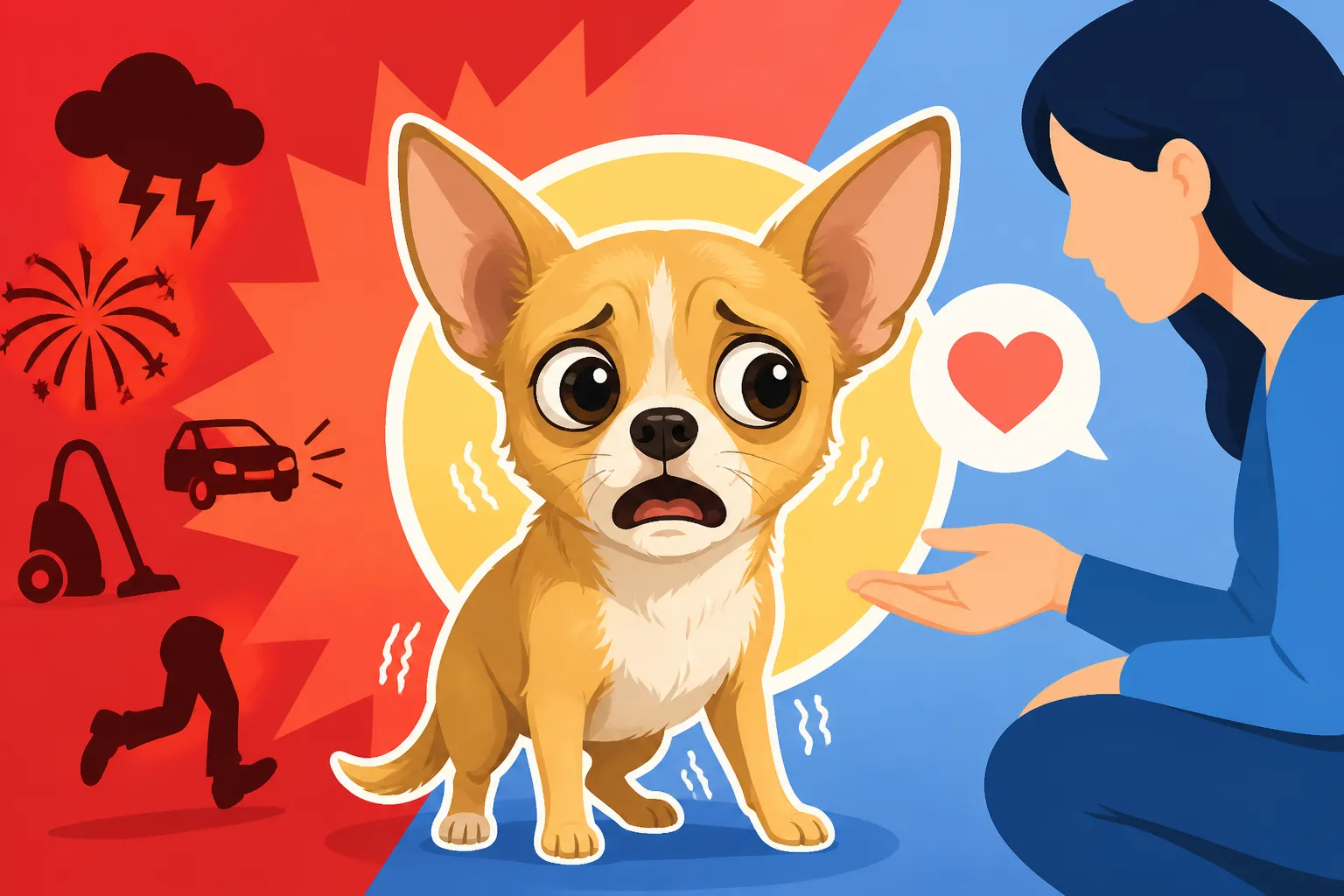
Recognizing what makes your Chihuahua reactive is the first step toward managing it. Common triggers for fear reactivity in Chihuahuas often include:
- Strangers: People they don't know, especially those who approach too quickly, lean over them, or try to pet them without permission. A tall person with a deep voice can be particularly intimidating.
- Other Dogs (Especially Large Ones): A charging Labrador, even if friendly, can look like a predator to a small Chihuahua. Even playful interactions can be overwhelming if the size difference is significant. This is why Introducing a Chihuahua to Bigger Dogs Safely requires careful planning.
- Loud Noises: Unexpected loud sounds like a backfiring car, a dropped pan, or even a sudden laugh can be startling and trigger a fear response.
- Fast-Moving Objects: Bicycles, skateboards, joggers, or even children running past can seem like a sudden, unpredictable threat.
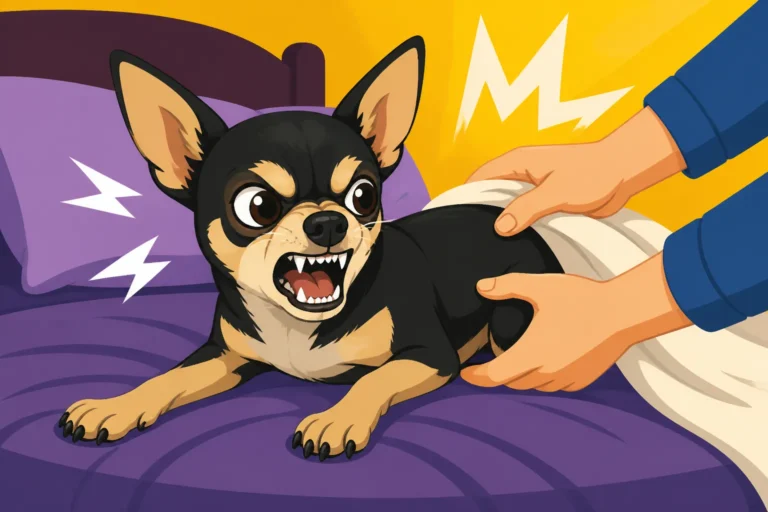
- Being Handled or Restrained: Some Chihuahuas become reactive if they feel trapped or uncomfortable during nail trims, vet visits, or when being picked up without consent. Remember, Asking Before You Lift a Chihuahua is a good practice.
- The Mail Carrier/Delivery People: This is a classic one! The person who approaches the door and then walks away, often after making noise, becomes a "threat" that their barking successfully "drives away." This reinforces the barking behavior.
- New Environments/Objects: A new piece of furniture, a bag left on the floor, or a strange smell can be enough to make a fearful Chihuahua wary.
It’s crucial to realize that for a Chihuahua, these aren't just minor annoyances; they are genuine threats that trigger their primal instinct to defend themselves.
| Chihuahua Fear Signal | Meaning | Action for Owner |
|---|---|---|
| Lip Licking / Yawning | Stress, mild anxiety | Create distance, observe, provide comfort. |
| Whale Eye | Tension, discomfort, fear | Increase distance immediately, remove if possible. |
| Ears Pinned Back | Submissive, fearful | Avoid direct eye contact, speak softly. |
| Trembling / Shaking | Fear, cold, extreme stress | Check for cold, remove from trigger, reassure calmly. |
| Freezing / Stillness | Imminent escalation, fear | Do not approach or touch, increase distance. |
| Tail Tucked | Fear, insecurity, submission | Reassess situation, offer safe space. |
| Hiding / Cowering | Seeking safety, overwhelmed | Allow them to hide, do not force interaction. |
| Growling / Snapping | Last resort warning | Respect the warning, remove trigger immediately. |
Strategies for Managing and Reducing Fear Reactivity
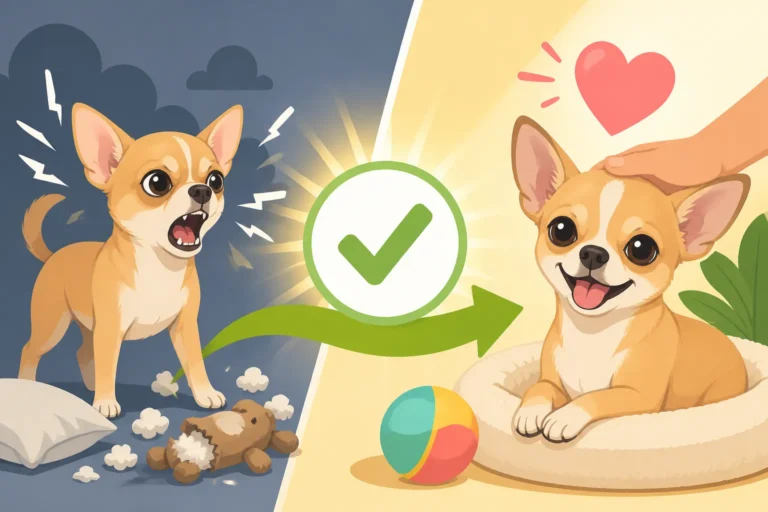
The good news is that fear reactivity can be managed and often significantly reduced with consistent effort, patience, and the right approach. It's about changing your Chihuahua's emotional response to their triggers, not just suppressing the barking.
Creating a Safe and Predictable Environment
One of the most powerful things you can do for a fearful Chihuahua is to make their world feel more predictable and secure.
- Designated Safe Spaces: Ensure your Chihuahua has a cozy den where they can retreat when feeling overwhelmed. This could be a crate covered with a blanket, a comfy bed under a table, or even a carrier they feel secure in. This space should be off-limits to children and other pets, allowing your Chihuahua to truly decompress. Many great options for secure, cozy beds and carriers can be found on Amazon. Providing a safe haven is essential, especially when they are Settling a Two Pound Chihuahua Puppy Into the House.
- Management Over Exposure: For a reactive dog, uncontrolled exposure to triggers often makes the problem worse. Instead, focus on managing their environment to prevent them from being repeatedly pushed over their threshold.
- Window Film: If your Chihuahua barks excessively at things outside the window, consider applying frosted window film to block their view while still allowing light in. This simple step can drastically reduce their daily stress.
- Secure Fencing: For yard access, ensure your fence is secure and prevents unexpected encounters with neighbor dogs or people passing by.
- Controlled Outings: Don't force your Chihuahua into situations they can't handle. If walks are a nightmare, choose quiet times or less busy routes. Focus on quality over quantity.
- Routine and Predictability: Dogs thrive on routine. A predictable schedule for meals, potty breaks, and playtime can significantly reduce anxiety. They learn what to expect, which helps them feel more in control.
Counter-Conditioning and Desensitization Techniques
This is where the real work happens – changing your Chihuahua’s emotional response from fear to something more positive.
- Find Their "Threshold": This is the distance at which your Chihuahua can observe a trigger (like another dog or person) without reacting. They should be aware of it but not stressed, still able to take treats calmly. This is often further away than you think!
- Positive Association (Counter-Conditioning): Once you've found their threshold, every time the trigger appears at that safe distance, immediately give your Chihuahua a high-value treat (like tiny pieces of cheese, cooked chicken, or soft training treats). The goal is for them to associate the scary thing with something wonderful. Trigger appears = yummy food! Trigger goes away = food stops. Over time, their brain starts to link the trigger with positive feelings.
- For example, if your Chihuahua barks at strangers on walks, stand far enough away that they notice a stranger but don't react. As soon as the stranger appears, give a treat. As soon as the stranger passes, the treat disappears. Repeat this, gradually (over weeks or months) decreasing the distance as your Chihuahua shows less fear. This is the essence of Counter-Conditioning a Fearful Chihuahua.
- Desensitization (Gradual Exposure): This goes hand-in-hand with counter-conditioning. You're gradually exposing them to the trigger at increasingly closer distances or higher intensities, but always keeping them below their fear threshold and pairing it with positive experiences.
- You might start with simply showing your Chihuahua a photo of another dog from across the room, rewarding calm behavior. Then a video, then observing a dog from a very far distance, slowly moving closer. Patience is paramount here.
- "Look at That" Game: This simple game is fantastic for teaching your Chihuahua to calmly observe triggers. When they spot a trigger (like a person walking by), before they react, say "yes!" or click a clicker, and give them a treat. You're rewarding them for noticing the trigger and then looking back at you for a reward, rather than reacting.
Harnessing and Leash Management
The right equipment and how you use it can make a huge difference for a reactive Chihuahua.
- No Neck Collars: For a small dog, especially one prone to pulling or lunging out of fear, a neck collar can put immense pressure on their delicate trachea. This is especially true given the breed's propensity for Collapsing Trachea and the Chihuahua Honking Cough. A properly fitted harness is essential.
- Front-Clip or Y-Harnesses: These harnesses distribute pressure across the chest and shoulders, away from the throat, and offer better control without causing pain or injury. A front-clip harness can also gently redirect a pulling dog. Make sure you get one specifically designed for small breeds, like those readily available on Amazon or specialty pet stores, ensuring a snug but comfortable fit as outlined in Harness Fitting on a Chihuahua Chest.
- Avoid Retractable Leashes: While they seem convenient, retractable leashes teach dogs that pulling extends their range and offer very little control in emergency situations. A standard 4-6 foot leash is much safer and more effective for training.
- Leash Skills: Practice loose-leash walking in quiet environments. Teach your Chihuahua to walk beside you, not drag ahead. When a trigger approaches, practice a U-turn or a simple "let's go" cue to create distance. This helps with Getting a Chihuahua Used to Walking on Leash and building confidence.
Seeking Professional Help for Your Reactive Chihuahua
Sometimes, fear reactivity can be deeply ingrained or your Chihuahua might have multiple, complex triggers. In these cases, working with a professional dog trainer or veterinary behaviorist is not just helpful, it's often crucial for success.
When to Call a Certified Professional
It’s completely normal to feel overwhelmed when dealing with a reactive dog. You should definitely consider calling a professional if:
- Your Chihuahua is Biting or Snapping: Any instance of biting, even if it doesn't break the skin, means your Chihuahua is severely stressed and needs expert intervention. A Chihuahua That Freezes Before It Bites is often a sign that a bite is coming.
- The Reactivity is Getting Worse: If your efforts aren't yielding results, or your Chihuahua is becoming more fearful or reactive, it's time for help.
- You Feel Unsafe or Overwhelmed: Your safety and well-being, and that of your Chihuahua, are paramount. If you're constantly stressed or anxious about walks or visitors, a professional can provide the guidance and support you need.
- Your Chihuahua is Reactive to Multiple Triggers: A dog that reacts to everything from sounds to sights to different types of people might need a more comprehensive behavior modification plan.
- You Suspect an Underlying Medical Issue: Pain or discomfort can often manifest as behavioral changes, including reactivity. Conditions like Chihuahua Arthritis in the Teenage Years or even dental pain can make a dog grumpy and prone to snapping. A vet behaviorist can help rule out medical causes.
What to Look for in a Trainer or Behaviorist
Choosing the right professional is critical. Not all trainers are created equal, and some methods can actually worsen fear and reactivity.
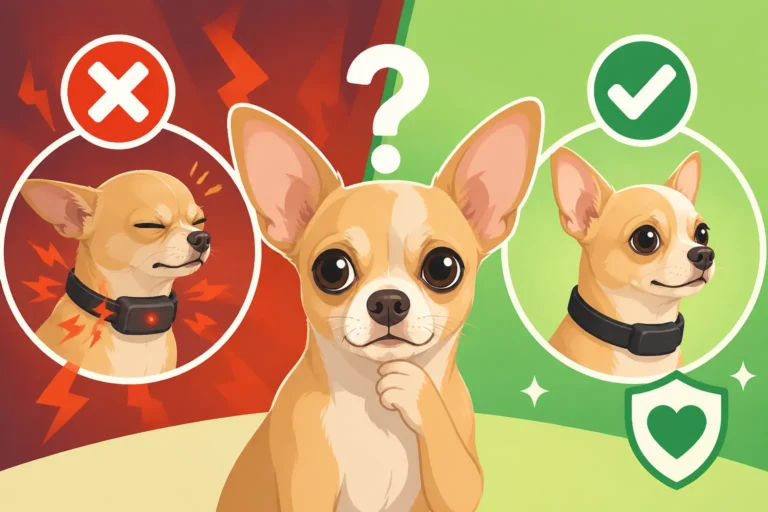
- Positive Reinforcement Only: Always, always choose a trainer who uses positive reinforcement methods. This means they reward desired behaviors and manage the environment to prevent unwanted ones, rather than punishing fear-based reactions. Avoid anyone who suggests aversive tools like shock collars, prong collars, or who talks about "dominance" or "alpha" theory. These methods instill more fear and can severely damage your relationship with your Chihuahua.
- Certifications and Experience: Look for certifications like Certified Professional Dog Trainer (CPDT-KA), Karen Pryor Academy Certified Training Partner (KPA CTP), or a Certified Dog Behavior Consultant (CDBC). For more severe cases, a Veterinary Behaviorist (DACVB) is a veterinarian with specialized training in animal behavior and can prescribe medication if needed.
- Small Dog Experience: Ideally, find someone who has specific experience working with small breeds and understanding their unique challenges. A trainer who understands The Training Gap Chihuahua Owners Create will be a huge asset.
- Observation and Assessment: A good professional will want to observe your Chihuahua's behavior in their natural environment or in a controlled setting. They'll ask detailed questions about your Chihuahua's history, triggers, and daily routine.
- Transparency and Communication: They should clearly explain their methods, goals, and how they plan to work with you and your Chihuahua. They should also be available for ongoing support and questions. Organizations like BAXTER & Bella offer online resources and consultations that can be a great starting point for finding reputable training guidance, especially if in-person options are limited. Vetting a Trainer Before You Book a Chihuahua is a vital step.
Remember, helping a fearful reactive Chihuahua is a journey, not a sprint. There will be good days and challenging days. But with patience, consistency, and the right support, you can help your little companion build confidence and live a much happier, less anxious life. Building a Chihuahua's Confidence Outdoors is a long-term goal that is entirely achievable with dedicated effort.
Disclaimer
This article is for general informational purposes only and does not constitute professional advice. Laws, prices and regulations vary by location and change over time. Consult a qualified professional for guidance on your specific situation.