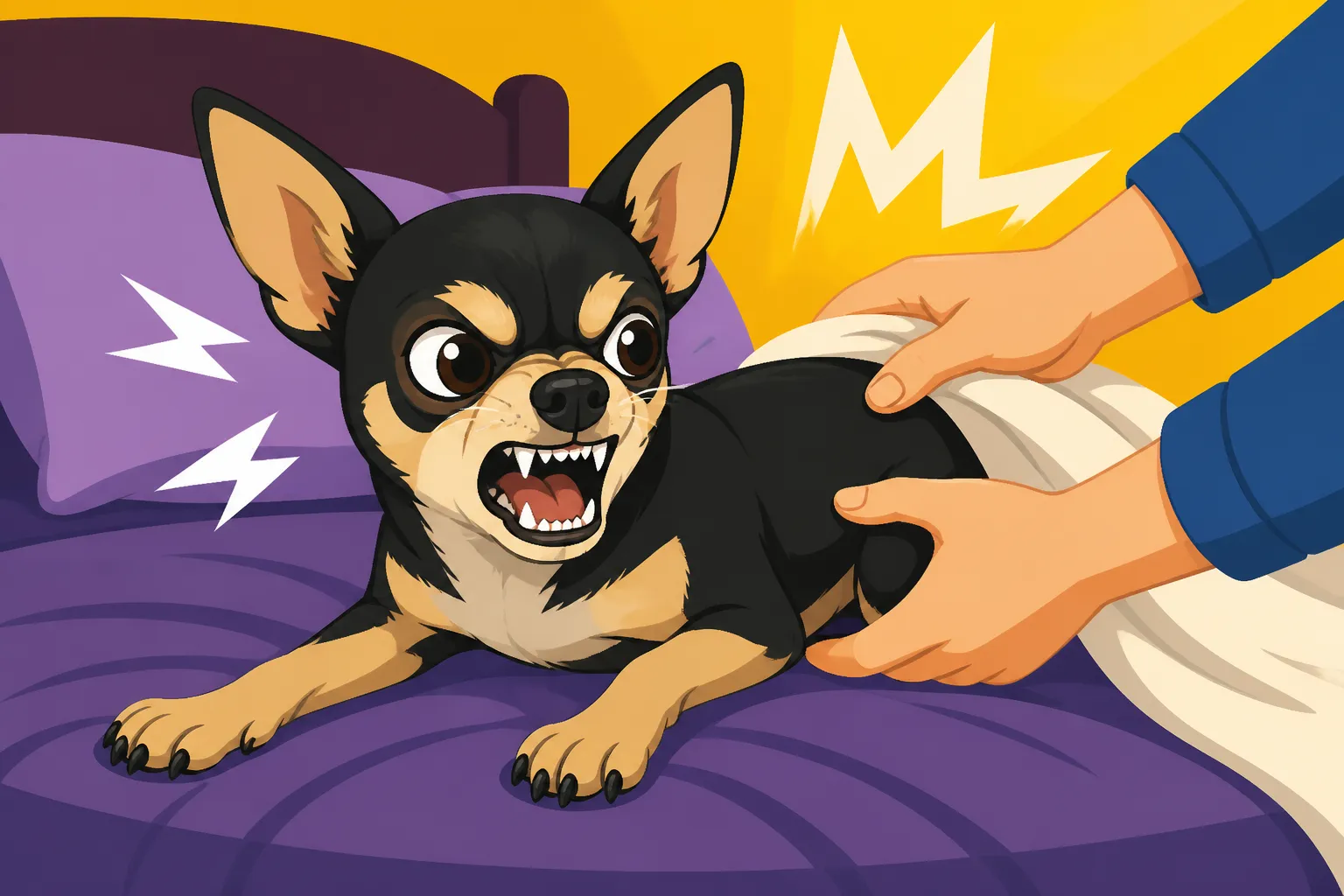
A Chihuahua That Growls When Moved Off the Bed
It's incredibly frustrating, and let's be honest, a little disheartening, when your tiny Chihuahua, the one you adore and cuddle, suddenly turns into a growling, snapping little land shark just because you want to move them off the bed. You're not trying to hurt them; you just need them to shift, and instead, you get this aggressive display. This guide is all about understanding why your beloved little companion acts this way and, more importantly, how you can address it with kindness and clear communication, so everyone can relax on the furniture again.
Understanding Why Your Chihuahua Growls About the Bed
When your Chihuahua growls at you for trying to move them off the bed, it’s rarely about malice or "dominance" in the traditional sense. More often, it stems from a combination of fear, perceived threat, or a strong sense of ownership over a prized resource – in this case, a comfy sleeping spot. It's a natural dog behavior, just intensified by their small size and sometimes, by our own well-meaning but misguided reactions.
The Nature of Resource Guarding in Small Dogs
Resource guarding isn't just about food or toys; it can absolutely extend to locations, especially warm, soft, elevated ones like the bed or sofa. Imagine you're cozily tucked into your favorite armchair, and someone just comes over and shoves you off without a word. You'd probably be pretty annoyed, right? For a Chihuahua, the bed is often their sanctuary, a place where they feel safe, warm, and elevated, giving them a good vantage point. When you approach to move them, they might interpret it as you trying to take away this valuable resource. They’re thinking, "Hey, this is my spot, and I need to protect it!"
This behavior often gets overlooked or even inadvertently encouraged in small dogs more than in larger breeds. We tend to excuse a Chihuahua's growl or snap more readily because, well, they're so small! A snappy Chihuahua might be seen as "cute" or "feisty," whereas a Labrador doing the same thing would send us straight to a trainer. This is a classic example of Small Dog Syndrome and Why It Is Not Genetic. The problem is, your Chihuahua doesn't know it's small, and those behaviors, if left unchecked, can escalate and truly damage the bond you share. It's about respect and clear communication, making sure your Chihuahua understands that while they are welcome on the bed, it's ultimately your bed, and you dictate the terms.
When Pain or Fear Drives the Growl
Sometimes, a growl isn't just about protecting a spot; it can be a desperate plea for space due to discomfort or fear. Chihuahuas, despite their robust lifespans, are prone to certain orthopedic issues that can make being touched or moved painful. Conditions like Patellar Luxation, the Chihuahua's Commonest Joint Problem or even early-stage Chihuahua Arthritis in the Teenage Years can cause significant pain, especially if you accidentally jar a sensitive joint while moving them. If your Chihuahua has suddenly started growling when being moved, and this is a new behavior, a vet visit should be your very first step. It's vital to rule out any underlying medical causes before assuming it's purely behavioral.
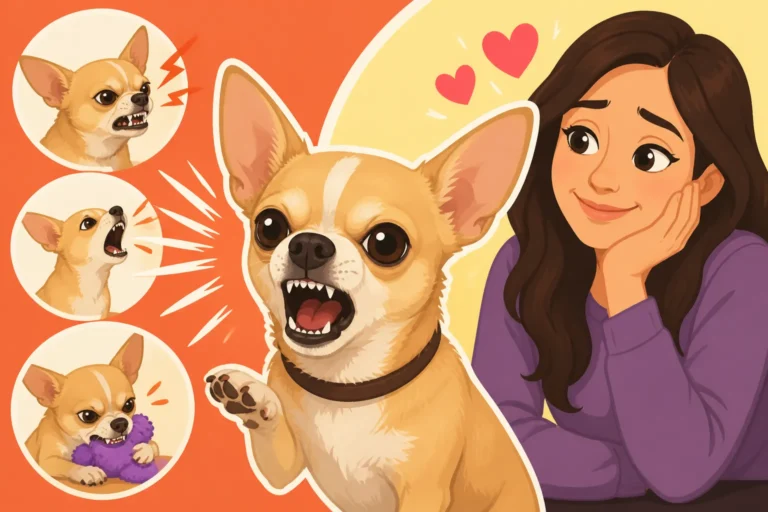
Beyond physical pain, fear can also play a huge role. Perhaps they've had a negative experience in the past – maybe they were dropped, or handled roughly by a well-meaning but clumsy guest. Or maybe they're simply a naturally anxious or fearful dog. Many Chihuahuas can be quite sensitive and prone to Fear Reactivity as the Top Chihuahua Complaint. In these cases, the growl is less about aggression and more about self-preservation. It's their way of saying, "Please, leave me alone, I'm scared!" Understanding What a Chihuahua Growl Is Actually Telling You is key; it's a communication, not just an act of defiance. They might feel trapped on the bed and see growling as their only way to create distance and prevent an interaction they perceive as threatening.
Fuzzy Boundaries: When the Bed Becomes "Theirs"
Let’s be honest, it’s easy to let things slide with a Chihuahua. They’re so tiny and cute, and we often treat them more like babies than dogs. This can inadvertently create fuzzy boundaries, especially around prime real estate like your bed. If your Chihuahua is allowed unfettered access to the bed, jumps on and off whenever they please, and is rarely asked to move without being picked up, they may genuinely believe it's their personal property. They haven't learned a clear "off" cue, nor have they understood that the bed is a shared space where you set the rules.
This isn't about being mean or asserting "alpha" status, but about clear communication and consistency. Dogs thrive on understanding expectations. If the expectation isn't clear, they'll create their own rules, and those rules might not align with yours. When you constantly pick them up without a cue, or simply tolerate their growling and back off, you're inadvertently reinforcing that the growl works. They learn, "Growl = stay on bed." This is why it's so important to begin Training a Chihuahua Exactly Like a Big Dog from day one, establishing clear rules and cues for every interaction, even when it comes to furniture access.
Setting Clear Boundaries and Expectations Without Force
Addressing resource guarding over furniture requires a gentle, consistent approach that focuses on positive reinforcement and clear communication, rather than confrontation. We want your Chihuahua to want to move, not feel forced.
Establishing a "Place" or Designated Bed
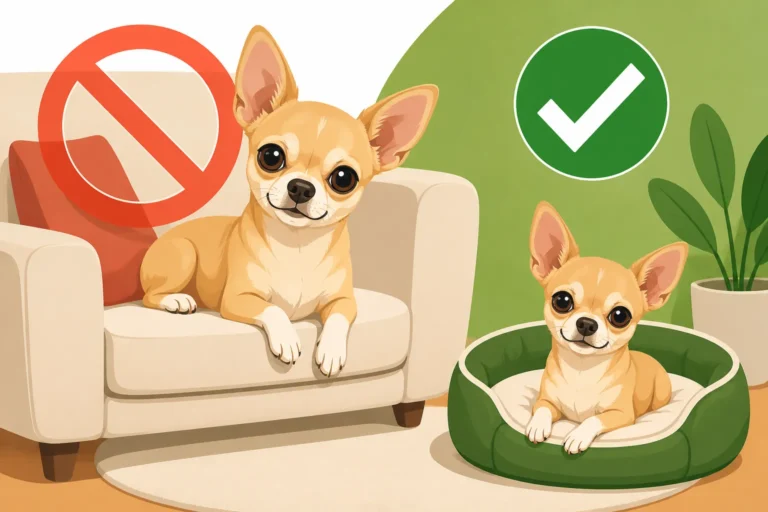
One of the most powerful tools you can teach your Chihuahua is a "place" command. This teaches them to go to a specific, designated spot (like their dog bed or a mat) and stay there until released. By giving them their own special space that's not your bed, you're not just moving them; you're giving them a clear, positive alternative.
To teach "place":
- Choose their spot: This could be a comfy dog bed on the floor or a crate (if they're crate trained, and remember to pick the correct Chihuahua Crate Size and Setup).
- Lure them: With a high-value treat, lure your Chihuahua onto their designated spot. As soon as all four paws are on it, say "Place!" and reward them enthusiastically.
- Build duration: Gradually increase the time they spend on the spot before rewarding. Start with a second, then two, then five, and so on.
- Add distance: Once they're reliably staying, start taking a step back, then two, then moving further away, always returning to reward them on their spot.
- Practice in different contexts: Start practicing "place" when they're not on your bed, then gradually introduce it as an alternative when they are on the bed.
The key here is making their "place" command a really positive experience, loaded with rewards, so it becomes a happy default for them. When you want them off your bed, you can then say "Place!" and they'll understand they're moving to their awesome spot. This is much more effective than simply pushing them off.
Trade and Reward: Making Moving Off the Bed a Positive Experience
Instead of just taking away their coveted spot, you can teach your Chihuahua that moving off the bed actually leads to something better. This is where the "trade" concept comes in. When you need them to move, don't just reach for them.
Here's how to implement a positive "off" cue:
- Prepare a high-value treat: Something truly irresistible, like a tiny piece of cooked chicken or cheese. Keep a small stash by your bedside.
- Approach with the treat: Hold the treat in your hand and lure them off the bed. As soon as all four paws are on the floor, say "Off!" and immediately give them the treat and praise.
- Repeat, repeat, repeat: Practice this multiple times a day, even when you don't need them off the bed. Make it a fun game. The goal is for them to associate the word "Off" with a delicious reward and a positive experience, not with being pushed or growled at.
- Avoid confrontation: If they growl, stop, reassess, and make the treat even higher value, or try a different approach. You never want to punish a growl, as it's their warning signal. If you suppress the growl, they might skip it next time and go straight to a bite. Remember, Reading a Chihuahua's Whale Eye or a stiff body can also be warning signs before a growl.
You can also use engaging toys for a trade. If your Chihuahua loves a certain squeaky toy or puzzle toy, you can use that as the lure. Maybe you order a new puzzle toy from Amazon that only comes out when you need them to move! The point is to make leaving the bed more appealing than staying.
Preventing the Problem Before It Starts
Proactive measures are always easier than reactive ones. If you have a new Chihuahua puppy or are just starting to address this behavior, establishing clear expectations from the beginning is crucial.
- Define bed rules early: Decide whether your Chihuahua is allowed on the furniture at all. If so, under what conditions? Are they only allowed when invited? Must they lie on a specific blanket? Consistently enforce these rules. This might be part of your overall strategy for Setting Furniture Rules for a Chihuahua.
- Teach an "up" and "off" cue: From puppyhood, teach them both cues. Lure them "up" onto the bed with a treat, then lure them "off" with another. This establishes that you control access.
- Use designated sleeping spots: Provide attractive, comfortable dog beds (maybe a snuggly cave bed, which Chihuahuas adore for their burrowing instinct) in various rooms. Encourage them to use these regularly, especially when you're not on your bed.
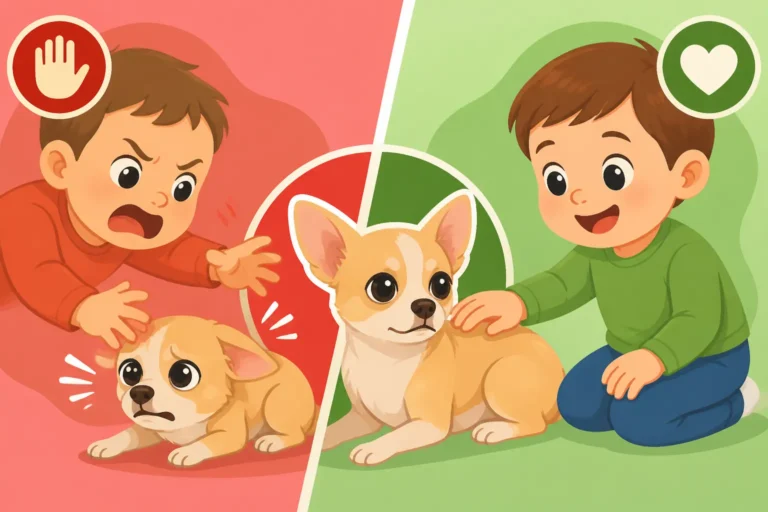
- Positive handling: Ensure all interactions, especially lifting or moving, are positive. Always announce your intentions with a soft voice, and make it a pleasant experience. For a sensitive Chihuahua, you should always be Asking Before You Lift a Chihuahua. If you're struggling with basic handling, online resources like BAXTER & Bella can offer structured training programs that focus on positive reinforcement and building a strong foundation of trust, which is essential for a happy Chihuahua.
Practical Tools and Management Strategies
Sometimes, training alone isn't enough, or you need some extra help managing the situation while you work on behavior modification. This is where strategic tools and environmental adjustments come in handy.
Creating Attractive Alternative Sleeping Spots
If your Chihuahua is guarding the bed, one of the best things you can do is make other spots even more appealing. Think about what makes your bed so desirable to them: warmth, softness, a sense of security, and often, being close to you.
- Comfy dog beds: Invest in a high-quality, plush dog bed that your Chihuahua can call their own. Consider a "cave" bed or one with raised sides for burrowing, which many Chihuahuas love. Place it strategically near your bed so they still feel close to you, but on their own turf.
- Heated beds or blankets: Chihuahuas get cold easily due to their tiny size and low body fat. A self-warming bed or a low-wattage heated pad (always with a cover and proper safety precautions) can make their own spot irresistible, especially in colder months. This can be a huge motivator for them to choose their bed over yours.
- Crates as safe havens: A crate, when introduced positively, can become a dog's den – a safe, quiet place where they can retreat. If your Chihuahua is comfortable in a crate, it can serve as an excellent "place" option when you need them off your bed. Make sure it's not used for punishment and is always a positive space.
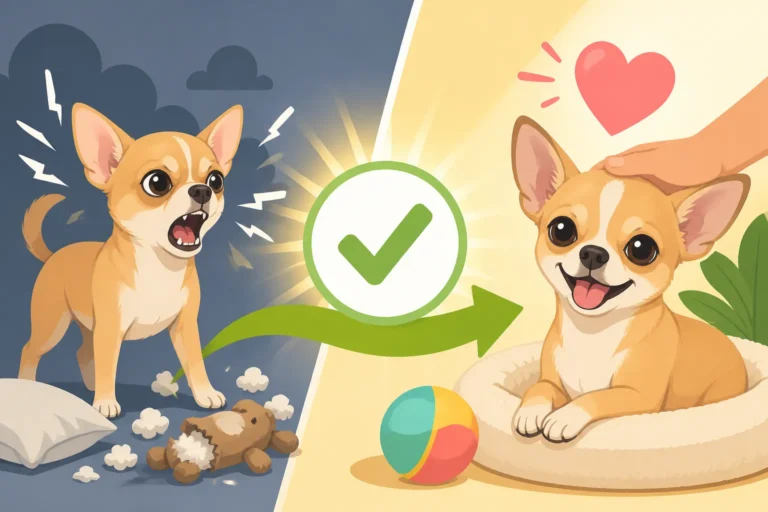
By providing these attractive alternatives, you're not just telling them "no" to the bed; you're giving them an enthusiastic "yes!" to another fantastic spot.
| Reason for Growling | Common Symptoms (Beyond Growl) | Management Strategies | Training Focus |
|---|---|---|---|
| Resource Guarding | Stiff body, whale eye, low rumbling | Provide attractive alternatives, interrupt gently. | "Off" cue, "Place" command, positive trades. |
| Pain/Discomfort | Reluctance to move, yelping, limping | Vet check immediately, comfortable, accessible beds. | Gentle handling, avoid painful movements. |
| Fear/Anxiety | Trembling, tucked tail, darting eyes | Calm environment, predictable routines, safe retreats. | Confidence building, desensitization, counter-conditioning. |
| Lack of Boundaries | Consistent disregard for rules, pushiness | Consistent rules, no free access to prime spots. | "Up" and "off" cues, reward compliance, structured access. |
Using Ramps and Steps to Maintain Access (When Appropriate)
If your Chihuahua is allowed on the bed, but has difficulty jumping up or down (perhaps due to age, Chihuahua Arthritis in the Teenage Years, or those tricky knees), they might become even more possessive of their spot because it's hard for them to get back up. Providing ramps or steps can make accessing the bed or sofa much easier and safer for them, reducing the fear of being stranded or having to make a painful jump.
You can find a variety of durable, small-dog-friendly ramps and steps on places like Amazon. These are especially useful if your Chihuahua has a history of knee problems like patellar luxation, as repeated jumping can exacerbate these issues. However, even with ramps, the "off" training is still vital. The ramp provides physical access, but the training provides the understanding that you can still ask them to move. It's about combining convenience with clear communication. If your Chihuahua struggles with mobility, Ramps for a Chihuahua Bed and Sofa can make a huge difference to their quality of life.
Seeking Professional Help for Persistent Issues
If you've tried these methods consistently for several weeks and your Chihuahua's growling behavior isn't improving, or if it's escalating to snapping or biting, it's time to call in a professional. Dealing with resource guarding, especially if it's fear-based, can be complex, and a certified professional dog trainer or a veterinary behaviorist can provide invaluable guidance.
Look for trainers who specialize in positive reinforcement and force-free methods. Avoid anyone who suggests harsh corrections or "dominance" theory, as these can severely damage your Chihuahua's trust and make the aggression worse. When you're searching, be sure you're Vetting a Trainer Before You Book a Chihuahua, asking about their certifications, methods, and experience with small dogs and resource guarding. A good trainer will observe your Chihuahua in your home environment, help you identify the specific triggers, and develop a personalized training plan that is safe and effective for both you and your little companion. They can help you decipher your Chihuahua's subtle body language, which can often tell you much more than a growl.
Remember, this behavior is solvable, and with patience, consistency, and the right approach, you can help your Chihuahua feel secure and happy, whether they're on your bed or in their own special place.
Disclaimer
This article is for general informational purposes only and does not constitute professional advice. Laws, prices and regulations vary by location and change over time. Consult a qualified professional for guidance on your specific situation.