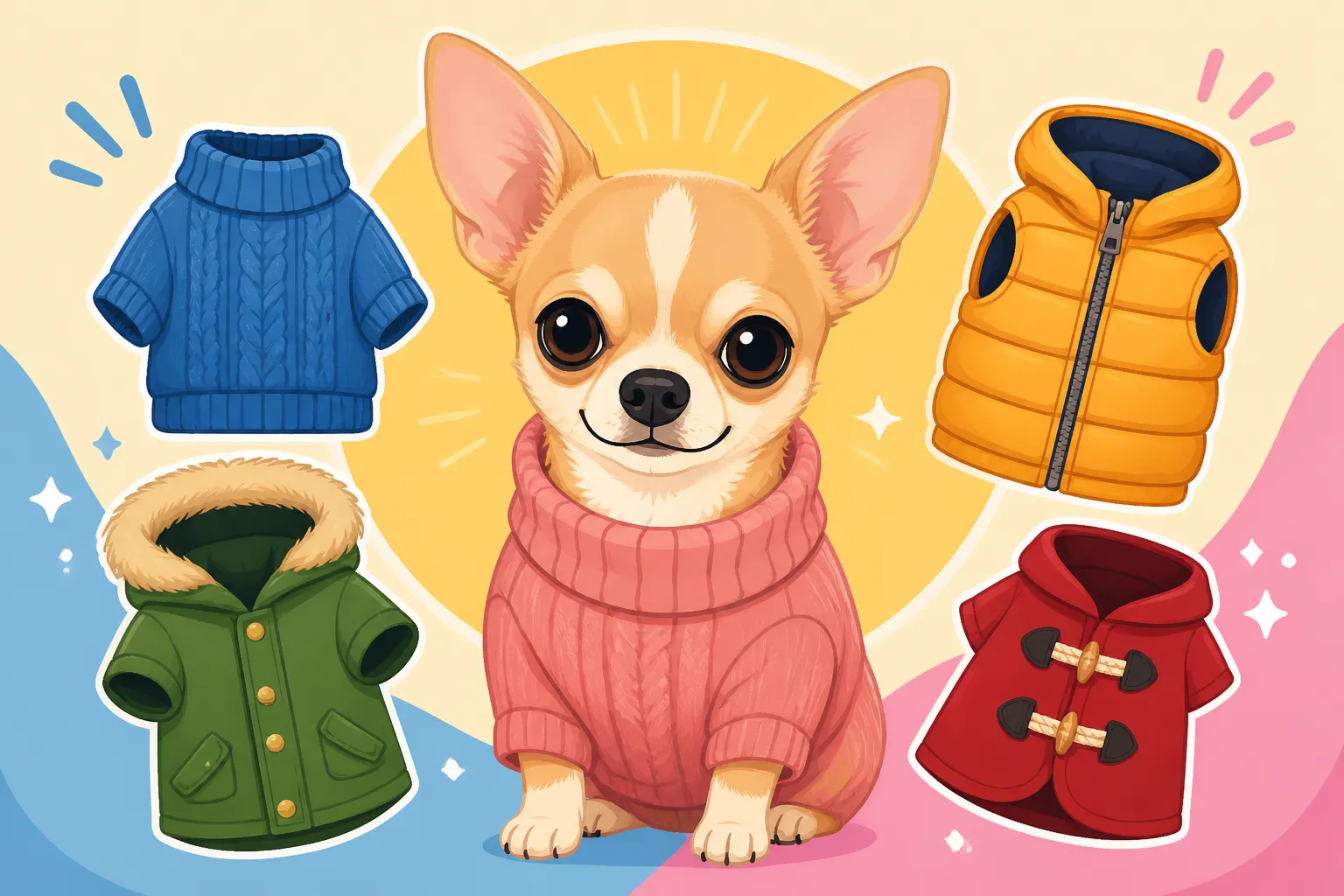
Sweaters and Coats a Chihuahua Actually Needs
If you've ever found yourself shivering indoors and realized your tiny Chihuahua is doing the same, you're not alone. These little dogs, despite their big personalities, often struggle to regulate their body temperature, especially when the mercury drops. This guide is here to walk you through exactly why sweaters and coats aren't just a fashion statement for Chihuahuas, but often a genuine necessity, helping you choose, fit, and care for the right outerwear to keep your pint-sized companion comfortable and healthy.
Why Chihuahuas Need Extra Layers
It’s easy to look at a Chihuahua in a little sweater and think it’s purely for show, but for many of these small dogs, that extra layer is absolutely essential for their comfort and health. Their tiny stature and specific physical traits make them particularly vulnerable to cold, far more so than their larger canine counterparts. It’s not about being "delicate"; it's simply how their biology works.
The Science Behind the Shiver: Why They're So Prone to Cold
Chihuahuas shiver for a few reasons, and cold is a primary one. Unlike a big Husky with a dense double coat built for arctic temperatures, your Chihuahua has minimal body fat and a very compact body mass relative to its surface area. Think of it like a small cup of hot coffee cooling down much faster than a large pot – there’s less mass to retain heat. This means they lose heat quickly to their environment. When their core body temperature starts to dip, their natural response is to shiver. This involuntary muscle contraction generates heat, but it’s an energy-intensive process and a clear sign your dog is struggling to stay warm. It's a common sight to see them trembling even in what we might consider a mild indoor temperature, and it’s a direct indicator that they need help maintaining their warmth. Sometimes, it’s not just cold, but fear or excitement that causes trembling, but often, especially when they’re curled up, it’s the cold. We've talked before about Why a Chihuahua Shivers Indoors and it's almost always a good idea to consider whether they're chilly.
Impact on Health and Well-being: Beyond Just Being Uncomfortable
Beyond the immediate discomfort of shivering, consistent exposure to cold can have more serious implications for a Chihuahua’s health. Hypothermia, where the body's temperature drops to dangerously low levels, is a real risk, especially for very young puppies or older Chihuahuas. Persistent cold stress can also weaken their immune system, making them more susceptible to illnesses. For Chihuahuas with pre-existing conditions, like arthritis or heart issues, cold can exacerbate their symptoms. An older Chihuahua might find joint pain more pronounced in chilly weather, for instance. Keeping them warm helps conserve their energy, which is particularly important for puppies who need all their resources for growth, or seniors who need it to maintain overall health. You want your Chihuahua to be vibrant and energetic, not expending all its energy just trying to stay warm.
Breed-Specific Vulnerabilities: Thin Skin, Low Body Fat, Single Coats
Let's get specific about why Chihuahuas are built this way. Firstly, they have a very low percentage of body fat. This fat acts as an insulator for larger breeds, a natural barrier against the cold. Your average Chihuahua, weighing just a few pounds, simply doesn't have that cushion. Secondly, their skin tends to be thin and delicate, offering little thermal protection. Many Chihuahuas have single coats – either short and smooth or long and silky – neither of which provides the dense undercoat insulation found in breeds like a German Shepherd or a Newfoundland. Even long-haired Chihuahuas, with their beautiful flowing locks, don't typically have the thick insulating undercoat that would protect them from truly cold temperatures. This combination of factors makes them highly vulnerable to temperature fluctuations, meaning what feels like a comfortable autumn breeze to you might feel like a biting wind to your tiny friend. We’ve explored this previously when discussing Why a Chihuahua Has Almost No Body Fat, and it truly underpins their need for external warmth.
Choosing the Right Type of Outerwear
Just like we have different jackets for different occasions, your Chihuahua can benefit from a wardrobe that addresses various warmth and weather needs. It's not one-size-fits-all, and understanding the purpose of each type of garment will help you make the best choice.
Sweaters for Everyday Warmth: Material, Comfort, Indoor Use
Sweaters are your go-to for general warmth, especially indoors or on milder days. They’re fantastic for Chihuahuas who tend to get chilly around the house, shiver when the air conditioning is on, or just love to burrow under blankets for extra coziness. When choosing a sweater, prioritize soft, breathable materials. Fleece is a popular choice because it’s lightweight, warm, and easy to wash. Wool blends can offer superior warmth, but ensure they aren't itchy or irritating to your dog's skin. Acrylics are also common, offering good warmth and durability. The key is comfort – your Chihuahua should be able to move freely, lie down, and sleep without the sweater feeling restrictive or bulky. For many Chihuahuas, a simple fleece or knit sweater is the perfect indoor companion, providing that gentle hug of warmth they need. The best part is how readily available these are; you can often find a good selection on sites like Amazon or Chewy, making it easy to pick one that suits your pup's style and needs. When thinking about The Sweater Weight a Chihuahua Needs, consider your home's ambient temperature and your dog's individual sensitivity to cold.
Coats for Outdoor Protection: Weatherproofing, Coverage, Specialized Features
When it's time to brave the elements, a coat is usually the better option. These are designed with outdoor conditions in mind, offering more protection against wind, rain, and snow. Look for coats with a water-resistant or waterproof outer shell to keep your Chihuahua dry, which is crucial since wet fur loses its insulating properties quickly. Insulated coats, often padded with synthetic fibers, provide an extra layer of warmth for truly cold days. Features like a hood can offer protection for their delicate ears and head, though not all Chihuahuas tolerate hoods. Reflective strips or bright colors are also excellent safety features, increasing visibility during walks in low light. Some coats even come with an integrated harness or a leash attachment point, making dressing and going out a breeze. Think about the conditions you're most likely to encounter – do you need something for light drizzle or a full-on winter storm? Having a few options, like a lightweight rain jacket and a heavier winter coat, ensures your Chihuahua is prepared for whatever Mother Nature throws its way. Chihuahua Coats for Rain and Snow are not just practical, but can genuinely extend your walking season.
Considering Fabric and Function: Wool, Fleece, Waterproof, Reflective
The material of your Chihuahua's outerwear dictates its function and how comfortable your dog will be. Fleece, as mentioned, is great for general warmth and comfort; it's soft against the skin and lightweight. Wool or wool blends provide excellent insulation, even when slightly damp, but can sometimes be pricier and require more delicate washing. For outdoor adventures, waterproof fabrics like nylon or polyester with a DWR (Durable Water Repellent) coating are indispensable. These shed water, keeping your Chihuahua’s undercoat dry. Many coats also incorporate soft fleece linings for added warmth and coziness against the body. Beyond warmth and waterproofing, consider other functional aspects:
- Reflective elements: Essential for evening or early morning walks, increasing visibility to drivers and cyclists.
- Velcro closures: Can be quick and easy, but sometimes catch on fur or lose their stickiness over time.
- Snaps or zippers: More secure but can sometimes pinch skin if not careful.
- Stretch: A little give in the fabric can make a huge difference in comfort and fit, allowing your Chihuahua to move naturally.
- Easy to clean: Chihuahuas love to get into things, so machine washable options are a huge plus for busy pet parents.
Here's a quick comparison of common outerwear types:
| Outerwear Type | Primary Function | Best For | Key Material Features | Pros | Cons |
|---|---|---|---|---|---|
| Sweater | Everyday warmth, indoor comfort | Chilly homes, mild outdoor temps, sleeping | Fleece, knit wool/acrylic, cotton blend | Soft, flexible, breathable, easy on/off | No weather protection, less coverage |
| Light Coat | Wind/light rain protection | Breezy days, light drizzle, cool evenings | Water-resistant nylon, thin fleece lining | Lightweight, water-shedding, good for transitions | Limited warmth, not for heavy rain/snow |
| Winter Coat | Extreme cold, snow, heavy wind | Freezing temperatures, snowy walks, prolonged exposure | Waterproof shell, insulated padding (synthetic down), fleece lining | Maximum warmth, weather protection, often reflective | Can be bulky, may limit movement if not fitted well |
| Raincoat | Rain protection | Rainy days, wet conditions (mild temps) | Waterproof nylon or polyurethane, unlined or mesh lined | Keeps dry, lightweight, often brightly colored | No warmth, can feel stiff if not high quality |
Getting the Perfect Fit
A sweater or coat is only as good as its fit. An ill-fitting garment can be uncomfortable, restrictive, ineffective, and even dangerous for your Chihuahua. They're small and delicate, so attention to detail here is paramount.
Measuring Your Chihuahua Accurately: Neck, Chest, Length
Before you even start shopping, grab a soft tape measure and jot down your Chihuahua's key dimensions. This is crucial because sizing varies wildly between brands, and relying solely on a "small" or "extra-small" label can lead to frustration.
- Neck Girth: Measure around the base of your Chihuahua's neck where a collar would naturally sit. Make sure to get it snug but not tight – you should be able to slip two fingers underneath.
- Chest Girth (or Girth/Bust): This is the most critical measurement. Measure around the widest part of their rib cage, just behind their front legs. Again, two fingers underneath for comfort. A sweater or coat that’s too tight here will restrict movement and breathing; too loose, and they’ll trip or get caught.
- Back Length: Measure from the base of the neck (where you took the neck girth) to the base of the tail. This will determine how much of their back and rump the garment covers. Some coats are designed to cover more, others less.
Compare these measurements to the sizing chart provided by the manufacturer. If your Chihuahua is between sizes, it's often better to go for the larger size, especially for comfort, unless the brand specifically states otherwise. Remember, a coat that's a little too long can sometimes be hemmed, but one that's too small is simply unusable. Many brands, particularly those found on Chewy or Amazon, provide detailed sizing guides, so take the extra few minutes to consult them.
Signs of a Poor Fit: Too Tight, Too Loose, Restrictive
Once you have a garment, observe your Chihuahua carefully. They can't tell you in words if something is wrong, so you need to read their body language.
- Too Tight: If the garment is too tight, you’ll see signs of discomfort. They might freeze up, walk stiffly, or try to bite or scratch at the clothing. Redness or chafing under the armpits, around the neck, or along the chest are clear indicators. It can also restrict their movement, making it hard to walk, run, or even lie down comfortably. If their breathing seems labored, especially around the chest, it's definitely too tight. Just as Harness Fitting on a Chihuahua Chest is vital for their trachea, so is ensuring clothing doesn't compress their tiny body.
- Too Loose: A garment that's too loose can be just as problematic. It can snag on furniture, get caught under their feet, or twist around their body, leading to trips and falls. If they can easily slip a leg out of an armhole, or if the fabric bunches excessively, it’s too big. Loose clothing is also less effective at retaining warmth, defeating the purpose.
- Restrictive: Even if not overtly too tight or too loose, some designs can be restrictive. Pay attention to their range of motion. Can they stretch, jump, and turn their head normally? Does it impede their ability to go to the bathroom? The coat shouldn't hang so low that it gets soiled. The ideal fit allows for full, natural movement without any gaping or pinching.
Safety First: Avoiding Choking Hazards and Movement Restriction
Beyond just comfort, safety is paramount. Any buttons, zippers, or embellishments should be securely attached and not easily chewed off, as they can become choking hazards. Avoid clothing with loose strings or ties that could get wrapped around their legs or neck. Check for rough seams or tags that might irritate their delicate skin. Also, consider the weight of the garment; a very heavy coat can be cumbersome for a tiny Chihuahua, making them tired or restricting their agility. Ensure the coat doesn't obscure their vision or hearing in any way, which could make them feel vulnerable or disoriented outdoors. A well-fitting, safe piece of outerwear should almost disappear once they're wearing it, allowing them to forget it's there and focus on being a happy Chihuahua.
Making it a Positive Experience
Introducing your Chihuahua to new clothing, especially if they're not used to it, needs a gentle, patient approach. It should always be a positive experience, never a struggle.
Introducing Clothing Gradually: Desensitization, Positive Reinforcement
If your Chihuahua is new to wearing clothes, don't just spring a sweater on them and expect them to love it. Start slowly and make it fun.
- Scent Association: First, let them sniff the new item. Leave it near their bed or toy box for a few days so they get used to its smell.
- Short Sessions: Begin by putting the garment on for very short periods, perhaps just a minute or two, while offering high-value treats and praise. The key here is consistency and positive association. Every time the sweater comes out, good things happen! For instance, a small, tasty training treat from brands like Ollie (known for their fresh ingredients) can work wonders here.
- Dress-Up Time = Play Time: Pair dressing up with something they love, like a favorite game or a cuddle session on the sofa. This helps them associate the clothing with positive experiences.
- Observe and Respond: Watch their body language. If they seem stressed or uncomfortable, take it off immediately and try again later with an even shorter session. Never force it. You want them to think, "Oh, the sweater! That means yummy treats and fun!" not "Oh no, the torture device!" This gradual approach is essential for Getting a Chihuahua Used to Wearing Clothes.
Routine and Comfort: Making it a Normal Part of Their Day
Once your Chihuahua is comfortable, integrate clothing into their daily routine. If you put on their coat before every walk in cold weather, they’ll quickly learn that coat equals walkies!
- Consistency: Try to dress them around the same times or for the same activities. This predictability helps them accept it.
- Comfort is Key: Always ensure the garment is clean, dry, and free of any irritating tags or rough spots. A comfortable dog is a compliant dog.
- Warmth as a Reward: When they're outside in their cozy coat, they'll naturally feel the benefit of the warmth, reinforcing the positive association. They’ll start to understand that the coat makes chilly adventures much more enjoyable.
- Praise and Affection: Continue to offer praise and gentle reassurance when dressing and undressing them. Your calm demeanor will help keep them calm.
Cleaning and Maintenance: Keeping Their Gear Hygienic and Functional
Just like your own clothes, your Chihuahua’s sweaters and coats need regular cleaning to stay hygienic and functional.
- Follow Care Labels: Always check the care instructions on the label. Many items can be machine washed on a gentle cycle with cold water, but some might require hand washing or air drying. Delicate fabrics, like some wools, will need specific care.
- Pet-Safe Detergents: Use a mild, unscented, pet-safe detergent. Strong perfumes or harsh chemicals can irritate your Chihuahua’s sensitive skin.
- Air Dry When Possible: Tumble drying on high heat can shrink or damage some fabrics, especially those with elastic or waterproofing. Air drying is often the safest bet. Make sure the item is completely dry before putting it back on your Chihuahua to prevent skin issues or mildew.
- Inspect Regularly: Take this opportunity to inspect the item for any wear and tear – loose threads, weakened Velcro, or developing holes. A damaged garment is less effective and could pose a safety risk. By keeping their outerwear clean and in good repair, you ensure it continues to provide the comfort and protection your Chihuahua needs.
Seasonal Considerations and Specific Needs
The type of outerwear your Chihuahua needs will change with the seasons and their individual health circumstances. Being prepared for these variations means your little friend will be comfortable year-round.
Winter Warmth Essentials: Extreme Cold, Paw Protection
Winter is undeniably the season when Chihuahuas most desperately need their layers. For truly frigid temperatures or snowy conditions, a thick, insulated winter coat is non-negotiable. Look for coats that cover as much of their body as possible, ideally extending past the base of the tail and providing good chest and belly coverage. Some even feature integrated snoods or hoods for ear protection.
But don't stop at the body! Their little paws are incredibly vulnerable to cold, ice, and harsh chemicals like rock salt. Boots designed for tiny paws can offer crucial protection. It might take some effort to get your Chihuahua used to wearing them, but the benefit to their comfort and paw health is immense. Chihuahua Paw Protection on Ice and Salt is something many owners overlook, but it’s vital for preventing frostbite, cuts, and chemical burns. Remember that even brief exposure to extreme cold can be dangerous for Chihuahuas, so a full winter ensemble isn't overkill – it's responsible pet ownership.
Rain and Wind Protection: Preventing Chills
Even if the temperature isn't freezing, rain and wind can quickly chill a Chihuahua to the bone. A lightweight, waterproof raincoat is perfect for those soggy autumn or spring days. It doesn't need to be heavily insulated, but its primary job is to keep your dog dry. Wet fur loses all its insulating properties, and a damp Chihuahua in a brisk wind will get cold very quickly.
Look for raincoats that are easy to put on and take off, and ensure they allow your Chihuahua to do their business without getting soaked or soiling the coat. Some raincoats are essentially just a shell, designed to be worn over a sweater if extra warmth is needed on a cold, rainy day. Preventing them from getting wet in the first place is far easier than trying to warm up a shivering, damp dog once you're back indoors.
Special Needs Chihuahuas: Seniors, Puppies, or Those With Health Conditions
Certain Chihuahuas have even greater needs for warmth and protection.
- Puppies: Very young Chihuahuas are particularly susceptible to cold because their thermoregulation systems aren't fully developed, and they have even less body fat than adults. A warm, cozy sweater can help prevent dangerous drops in blood sugar (hypoglycemia) which can be triggered by cold stress. We've often discussed how vital warmth is for young Chihuahuas.
- Seniors: As Chihuahuas age, their circulation can become less efficient, and they may struggle more to maintain body heat. Older dogs are also more prone to arthritis, which can be aggravated by cold and damp conditions. A warm sweater or coat can provide significant comfort and pain relief for a senior Chihuahua. Thinking about Senior Chihuahua Care Past the Age of Twelve, warmth is certainly a core component of their daily well-being.
- Health Conditions: Chihuahuas recovering from surgery, those with endocrine issues, or heart conditions may also have compromised immune systems or difficulty regulating their body temperature. Consult your vet if you have concerns, but generally, providing extra warmth can be part of their supportive care. These dogs may benefit from layers even indoors in mild temperatures.
Where to Find Good Quality Outerwear
Finding the perfect sweater or coat for your Chihuahua doesn't have to be a scavenger hunt. The pet market has greatly expanded to cater to our tiny companions, offering a wide array of choices.
Online Retailers and Specialty Shops: Variety, Reviews
Online retailers are a treasure trove for Chihuahua apparel. Sites like Chewy and Amazon offer an incredible selection, ranging from basic fleece sweaters to highly technical winter coats. The benefits of shopping online include:
- Vast Variety: You'll find a broader range of styles, colors, and materials than in most brick-and-mortar stores.
- Detailed Sizing Charts: Many reputable online sellers provide comprehensive sizing guides, including actual measurements for neck, chest, and length, which is crucial for Chihuahuas.
- Customer Reviews: You can read reviews from other Chihuahua owners, often including photos of their dogs wearing the garments, which can be incredibly helpful for gauging fit and quality.
- Convenience: Shop from the comfort of your home, and have items delivered directly to your door.
Specialty pet boutiques, both online and in person, might offer unique, higher-end, or more fashion-forward options. These can be great for finding something truly special, but always ensure the focus is still on functionality and comfort.
Custom-Made Options: For Unique Sizes or Specific Needs
Sometimes, an off-the-rack solution just doesn't cut it. If your Chihuahua has unusual proportions, a very broad chest, or a particularly long back that doesn't fit standard sizing, a custom-made garment might be the answer.
- Tailored Fit: Custom makers can create a piece that perfectly matches your dog's measurements, ensuring maximum comfort and coverage.
- Specific Features: You can request specific features, like extra-long sleeves, a harness opening in a particular spot, or specialized closures, to meet your Chihuahua's unique needs.
- Material Choices: You might have more control over the fabric, allowing you to choose something hypoallergenic or particularly soft for a dog with sensitive skin.
While custom items will typically cost more and take longer to produce, they can be a worthwhile investment for a Chihuahua who struggles with standard sizing, ensuring they are always warm and comfortable without compromise.
What to Look For in a Brand: Durability, Ethical Production, Ease of Return
When sifting through the options, keep a few key considerations in mind regarding the brand itself:
- Reputation and Reviews: Does the brand have generally positive feedback regarding its pet apparel? Are there common complaints about durability, sizing discrepancies, or material quality?
- Durability: Chihuahuas might be small, but they can be active! You want clothing that can withstand walks, play, and regular washing without falling apart after a few uses. Check stitching, fastener quality, and fabric robustness.
- Ease of Care: As mentioned earlier, machine washable items are a huge plus. Practicality matters for everyday use.
- Ethical Production: If this is important to you, look for brands that highlight their ethical sourcing, manufacturing practices, or sustainable materials.
- Return Policy: Especially when buying online, a clear and reasonable return policy is essential. If the fit isn't quite right, or the item isn't what you expected, you want to be able to exchange it or get a refund without hassle. This is particularly relevant when navigating the vast selection on platforms like Amazon, where policies can vary by seller. A good brand stands behind its products and understands that sometimes, even with careful measuring, a garment might not work out.
Investing in a few well-chosen, good-quality sweaters and coats for your Chihuahua isn't just about fashion; it's about providing them with comfort, protection, and a better quality of life. By understanding their needs and making informed choices, you'll ensure your tiny companion stays warm, happy, and healthy, no matter the weather.
Disclaimer
This article is for general informational purposes only and does not constitute professional advice. Laws, prices and regulations vary by location and change over time. Consult a qualified professional for guidance on your specific situation.