Socialization That Does Not Flood a Chihuahua
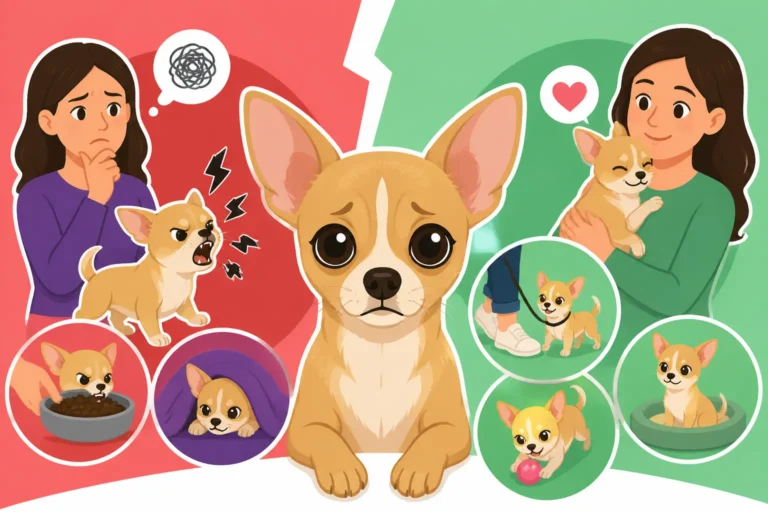
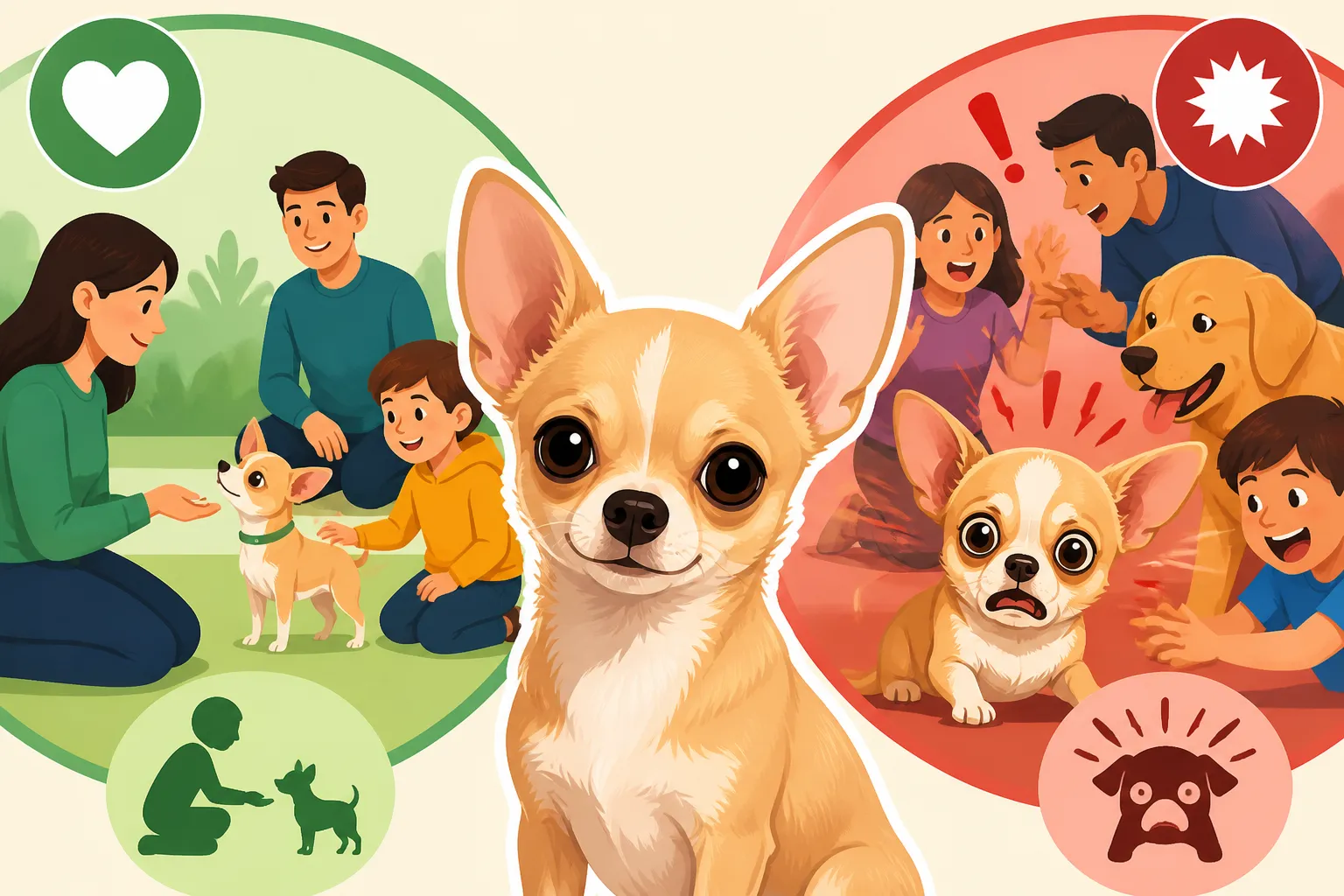
It's heartbreaking to see a tiny Chihuahua cowering, trembling, or even snapping because they're simply overwhelmed by the big, loud world around them. Many well-meaning owners try to "socialize" their puppies by exposing them to everything at once, thinking more exposure is always better. Unfortunately, for a sensitive breed like the Chihuahua, this often backfires, creating more fear rather than confidence. This guide will walk you through gentle, controlled, and effective ways to socialize your Chihuahua, helping them become a confident, happy companion without flooding their senses.
Understanding the Chihuahua's Sensitive Nature
Chihuahuas are not just small dogs; they possess a unique set of traits that make them particularly susceptible to fear and anxiety if not handled with immense care during their formative weeks and months. Their tiny stature means the world can feel like a giant, intimidating place, and their naturally alert, often terrier-like personality means they notice every little change in their environment.
Why 'Flooding' Backfires for Small Dogs
"Flooding" is a term often used in dog training to describe overwhelming a dog with stimuli in the hopes they'll "get over it." With Chihuahuas, this approach is not just ineffective; it's actively harmful. Imagine being suddenly dropped into a crowded, noisy stadium when you're only a foot tall. Every person is a giant, every sound is deafening, and every movement is potentially threatening. That's often what traditional "socialization" feels like to a small, sensitive Chihuahua.
Instead of building resilience, flooding a Chihuahua with too much too soon often hardwires fear into their little brains. A single negative experience can leave a lasting impression, making them reactive, fearful, or even aggressive in similar situations down the line. Their delicate bodies also make them feel vulnerable. They know they can't physically stand up to a large dog or an overly enthusiastic child, so their first line of defense often becomes a bark, a lunge, or a snap—behaviors that are frequently misinterpreted as "naughty" when they're simply expressions of pure terror. The goal isn't to make them unafraid of everything, but to teach them how to cope with new experiences in a calm, confident manner, associating novelty with positive outcomes.
Recognizing Signs of Overwhelm and Stress
Before you can effectively socialize your Chihuahua, you need to become an expert in reading their subtle cues. Chihuahuas, like all dogs, communicate their emotional state through their body language, and for such a tiny dog, these signals can be incredibly fleeting or easy to miss if you're not paying close attention. Ignoring these signs is how well-intended socialization turns into a terrifying experience for your pup.
Watch for indicators like trembling, which isn't always just about being cold; it can be a clear sign of stress or fear. A tucked tail, ears pinned back, or a lowered body posture are classic signs of anxiety. Less obvious cues include excessive yawning, lip licking (especially when no food is present), averted gaze (looking away from the perceived threat), or a sudden refusal to take treats—even high-value ones. Freezing in place, becoming completely still, is often a prelude to a snap or flight, signaling that your Chihuahua is completely overwhelmed and considering their options. If you see A Chihuahua That Trembles Around Strangers, that's a huge sign to back off and reassess. Understanding these signals is paramount to protecting your dog's emotional well-being and building trust.
| Body Language Cue | What it Might Mean (in a socialization context) | Action to Take |
|---|---|---|
| Trembling / Shivering | Fear, anxiety, feeling cold, overstimulation | Remove from situation, provide warmth/comfort. |
| Lip Licking / Yawning | Stress, appeasement, discomfort (no food present) | Increase distance, observe for other signs, offer calm. |
| Tail Tucked Low | Fear, insecurity, submission | Reassure, create space, end the interaction. |
| Ears Pinned Back | Fear, anxiety, submission | Check for other stress signals, reduce stimuli. |
| Head Averted | Avoiding interaction, discomfort | Give space, do not force eye contact or approach. |
| Freezing / Stiffness | Imminent stress response (flight, fight, bite) | Immediately create distance, assess environment. |
| Growling / Barking | Warning, fear, desire for space | Respect the warning, remove the dog, do not punish. |
Gentle, Controlled Socialization Techniques
The key to successful socialization with a Chihuahua is control, positivity, and gradual exposure. You want to build positive associations, not just expose them to everything and hope for the best. Think quality over quantity when it comes to new experiences.
Structured Introductions to New People
Meeting new people can be a huge source of stress for many Chihuahuas. Instead of letting every guest immediately rush over to scoop up your tiny friend, implement a structured introduction plan. Start small: invite one calm, dog-savvy friend over at a time. Have your friend completely ignore your Chihuahua at first, allowing your dog to approach on their own terms. When your Chihuahua does approach, have your friend gently toss a small, high-value treat (something truly irresistible) on the floor nearby, rather than trying to hand-feed. This avoids the pressure of direct interaction.
Encourage people to crouch down to your Chihuahua's level, speaking in soft, calm voices. Never allow anyone to force attention on your dog. If your Chihuahua is hiding A Chihuahua That Hides Under Furniture, let them be. Praise and reward any calm, curious interactions. Over time, as your Chihuahua gains confidence with one person, you can gradually introduce more people, always maintaining this calm, positive approach. Remember, it's about building trust and positive associations, not just getting them used to strangers.
Safe Encounters with Other Dogs
This is where many Chihuahua owners face the biggest challenge. The world is full of bigger dogs, and even a playful giant can be accidentally injurious to a tiny Chihuahua. Your goal isn't to make your Chihuahua best friends with every dog they meet, but rather to teach them to be calm and confident in the presence of other dogs.
Start by observing other dogs from a distance. Take your Chihuahua to a park, but sit on a bench far away from the dog run. Reward your dog with treats for simply noticing other dogs without barking or showing fear. Slowly, over many sessions, you can decrease the distance as long as your Chihuahua remains calm and happy. When it comes to direct interaction, seek out known, calm, small dogs. Arrange a controlled "playdate" in a neutral, fenced area. Always supervise closely. Consider enrolling your Chihuahua in Puppy Classes That Group Chihuahuas With Toys, where they can interact with other small, similarly sized puppies under professional guidance. Avoid dog parks, especially those with many large, boisterous dogs; the risk of injury or a terrifying experience for your Chihuahua is simply too high. Resources like BAXTER & Bella offer online modules that can guide you through these controlled interactions, helping you understand dog body language and how to facilitate safe meetings. Teaching your Chihuahua to remain calm and focused on you, even when other dogs are around, is a lifelong skill. Introducing a Chihuahua to Bigger Dogs Safely is a delicate dance, but entirely possible with patience.
Gradual Exposure to New Environments and Sounds
The world is full of new sights and sounds, and it's essential to expose your Chihuahua to a variety of them in a controlled, positive manner. Think of it as a series of mini-adventures, always keeping their comfort level in mind. Start with short car rides to places that aren't the vet. A quick trip through a quiet drive-thru for a tiny piece of plain cooked chicken can create a positive association with the car and new environments.
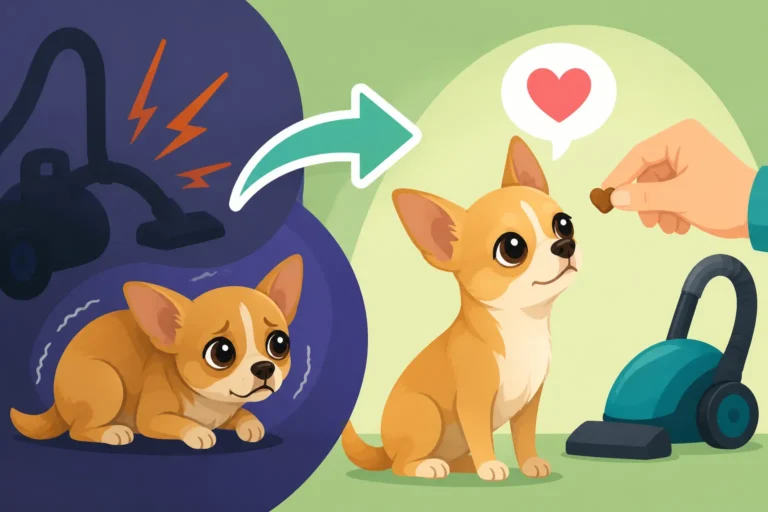
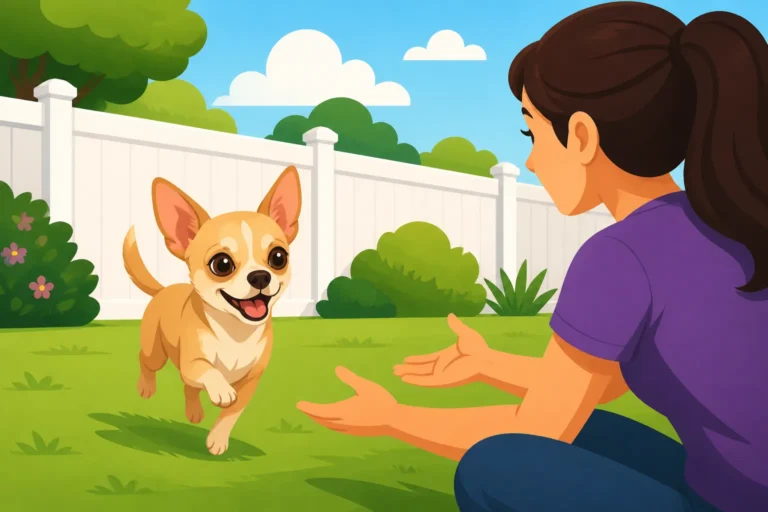
When you take them out, choose quiet times and places. A deserted park bench, a calm coffee shop patio, or a quiet stroll through a pet-friendly store (while they are safely tucked into a carrier from Amazon) can offer novel sights and sounds without being overwhelming. The carrier provides a sense of security while still allowing them to observe. Reward calm curiosity. For sounds, you can play desensitization tracks at home – traffic noises, sirens, baby crying – starting at a very low volume and gradually increasing it over days or weeks, always pairing the sound with treats and calm interaction. The goal is for them to learn that these new experiences are not threatening and often lead to good things. Remember, Building a Chihuahua's Confidence Outdoors happens in small, consistent steps.
Building Confidence Through Positive Reinforcement
Positive reinforcement is your most powerful tool in shaping a confident, well-adjusted Chihuahua. It’s not just about bribing them; it’s about creating an environment where good choices are rewarded, making them more likely to repeat those choices.
The Power of High-Value Treats and Praise
Chihuahuas are highly intelligent and motivated by rewards, especially food. When introducing new experiences, always have a pocket full of tiny, high-value treats. These aren't just their regular kibble; think small pieces of cooked chicken, cheese, or specialized soft training treats that they absolutely adore. The treat should be so good that it immediately grabs their attention and makes them associate the new person, sound, or environment with something wonderfully delicious.
When your Chihuahua exhibits desired behavior – perhaps they stay calm while a stranger walks by, or they look at a new object without barking – immediately reward them with a treat and calm, enthusiastic praise. The timing is crucial; the reward needs to happen within a second or two of the desired behavior so they make the connection. If they're showing signs of stress, don't force the treat or interaction. Simply increase the distance or remove them from the situation. Treats Small Enough for Chihuahua Training are vital, as you don't want to overfeed your tiny companion, but you want the reward to be impactful. This constant positive feedback builds a foundation of confidence, teaching your Chihuahua that new things aren't scary, they're opportunities for rewards.
Creating a Safe Retreat and Predictable Routine
Even the bravest Chihuahuas need a safe haven, a place where they can retreat and feel completely secure. This might be a cozy crate, a soft bed in a quiet corner, or even a designated blanket under a table. This space should be their sanctuary, never used for punishment. Teach your Chihuahua that this is their "safe spot" where they can go to decompress when things get too much. You can make it extra appealing with a favorite toy or a comfy blanket. Chihuahua Crate Size and Setup is important; it needs to be just big enough to stand up and turn around in, making it feel den-like.
Beyond a physical safe space, a predictable daily routine provides immense security for a Chihuahua. Knowing when to expect meals, walks, and playtime helps reduce anxiety about the unknown. Consistency in your responses to new situations also helps. If you remain calm and confident, your Chihuahua will pick up on your cues. Never force your Chihuahua to interact if they are showing signs of wanting to retreat to their safe space. Respecting their need for personal space and quiet time reinforces their trust in you and helps them learn they have agency in their interactions with the world. This sense of control is crucial for building a truly confident dog.
Long-Term Strategies for a Well-Adjusted Chihuahua
Socialization isn't a one-and-done event during puppyhood; it's an ongoing process throughout your Chihuahua's entire life. Just like humans, dogs can regress or develop new fears if not consistently exposed to positive experiences.
Continuing Socialization Throughout Life
As your Chihuahua matures, it's important to continue offering positive, controlled socialization experiences. This doesn't mean constant exposure to new things, but rather regular, thoughtful integration into your daily life. Keep up with short, calm walks in different neighborhoods or parks. Visit pet-friendly stores where they can observe from their carrier or from your arms. Continue to have calm, dog-savvy friends visit your home, following your structured introduction rules.
Think about different textures, sounds, and sights. Exposure to people of different ages, wearing different hats, or carrying umbrellas can prevent your Chihuahua from developing specific fears later on. Enroll in a basic obedience class – even for an adult Chihuahua – as it reinforces good manners, builds confidence, and offers a controlled environment for social interaction with other dogs and people. The goal is to maintain their comfort and confidence in a variety of situations, preventing them from becoming isolated or fearful as they age.
When to Seek Professional Guidance
Despite your best efforts, sometimes fear and anxiety can become deeply ingrained or manifest in ways that are difficult to manage on your own. If your Chihuahua's fear escalates to aggression (snapping, biting, lunging), extreme separation anxiety, or constant trembling and hiding, it's time to seek professional help. Do not feel like a failure if you reach this point; it’s a sign of a responsible owner recognizing their limits.
Look for a certified professional dog trainer or a veterinary behaviorist who specializes in positive reinforcement and has experience with small, sensitive breeds. Avoid anyone who suggests harsh punishment or "dominance" methods, as these will only exacerbate fear in a Chihuahua. A good professional can help identify the root cause of the behavior, create a tailored behavior modification plan, and teach you advanced techniques for counter-conditioning and desensitization. They can also rule out any underlying medical conditions that might be contributing to the behavior. Finding a Trainer Who Takes a Chihuahua Seriously is paramount, as many trainers unfortunately dismiss small dog issues. Sometimes, a veterinary behaviorist might even suggest medication in conjunction with behavior modification to help reduce anxiety, giving your Chihuahua the mental space to learn new, more positive associations.
Disclaimer
This article is for general informational purposes only and does not constitute professional advice. Laws, prices and regulations vary by location and change over time. Consult a qualified professional for guidance on your specific situation.