Chihuahua Guarding a Person or a Lap
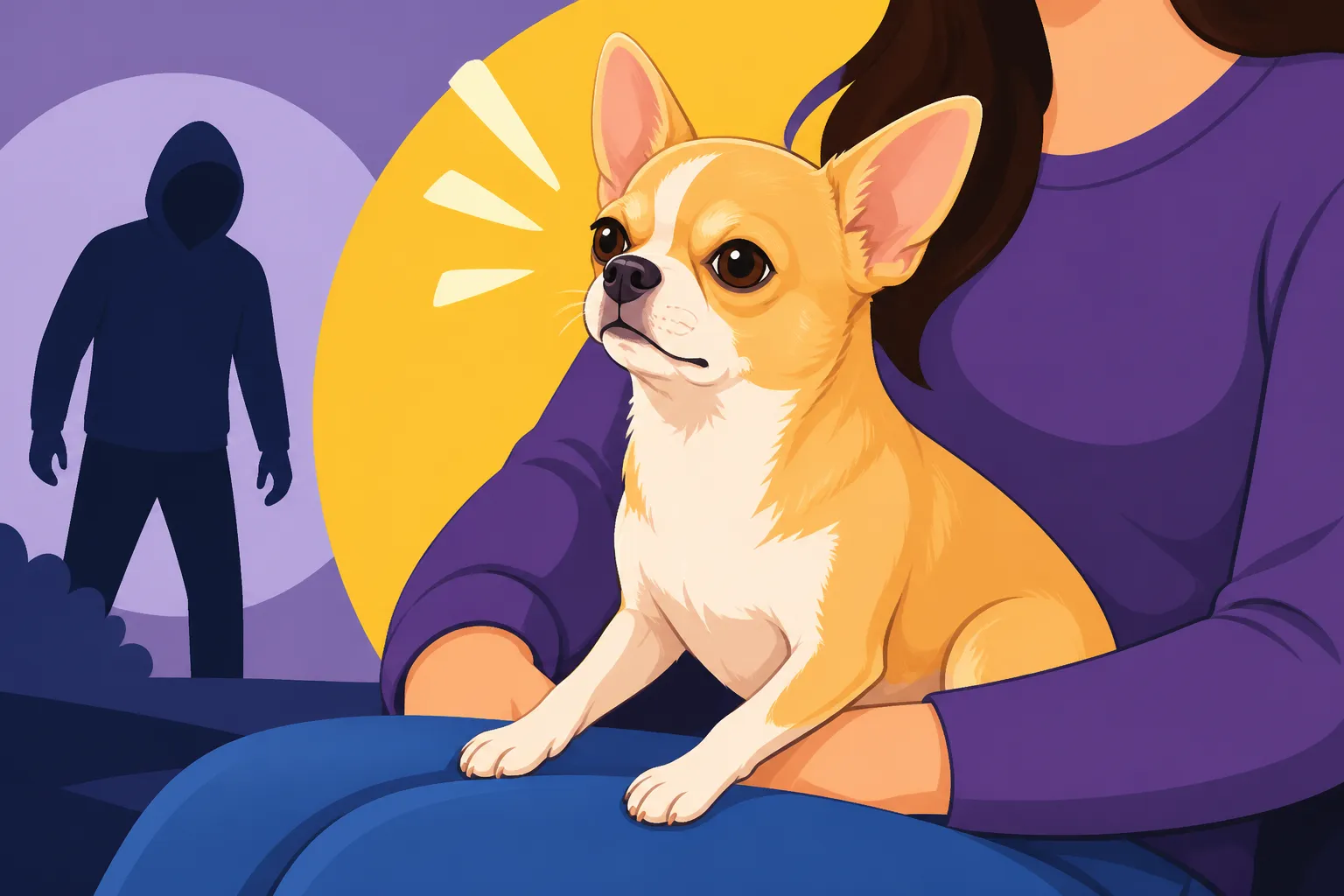
It’s a scenario many Chihuahua owners find themselves in: you’re relaxing on the couch, your sweet little companion nestled on your lap, and a family member approaches – only for your Chihuahua to suddenly transform into a tiny, snarling guard dog. This possessive behavior, often charmingly dismissed as "just how Chihuahuas are," can quickly become a serious challenge, creating tension in the home and even leading to bites. This guide will delve deep into understanding, preventing, and managing resource guarding behavior when your Chihuahua decides you are their most prized possession.
Understanding the Roots of Resource Guarding
Resource guarding isn't unique to Chihuahuas, but their small size often makes owners more likely to tolerate or even inadvertently encourage it. Before we can address it, we need to understand what it truly is and why it manifests so strongly in our pint-sized pals.
What is Resource Guarding?
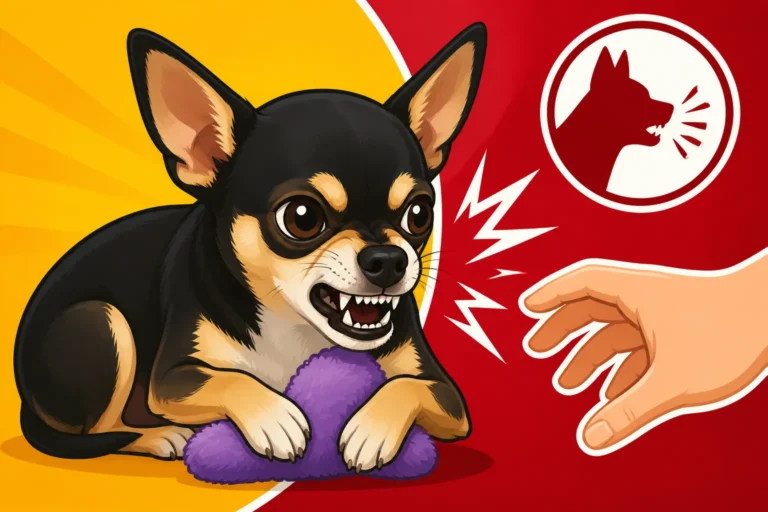
At its core, resource guarding is when a dog displays behaviors (like growling, stiffening, snapping, or biting) to protect an item or person they perceive as valuable from being taken away or approached by others. This "resource" could be anything from a favorite toy, a food bowl, a comfy bed, or, as we're discussing here, a beloved human lap or person. The dog isn't being "mean" or "dominant" in the human sense; they're simply responding to an instinctual fear that something precious will be lost. Imagine if someone tried to take your wallet or phone – you'd likely react to protect it. A Chihuahua feels the same intense urge to protect their perceived valuable resource, especially if they've learned that these behaviors effectively keep others away.
It's a misconception that small dogs are just naturally "naughty" or "spoiled." In reality, many of the behaviors we attribute to "small dog syndrome" are actually learned responses to inconsistent boundaries or a lack of appropriate training. A Chihuahua guarding a lap is often a dog who hasn't been taught that sharing or allowing others near their person is safe and rewarding. This behavior stems from insecurity, not superiority.
Why is it Common in Small Dogs?
Chihuahuas, being at the bottom of the size scale, often live in a world that feels overwhelmingly large and potentially threatening. From a tiny perspective, everything – even a well-meaning family member – can seem like a giant approaching too quickly. This inherent vulnerability can heighten their instinct to guard. They may feel a strong need to stake a claim on what makes them feel safe, and for many Chihuahuas, that's their primary human.
Furthermore, owners sometimes inadvertently contribute to this by reinforcing the behavior. When a Chihuahua growls from a lap and the approaching person retreats, the dog learns, "Aha! That worked! Growling makes them go away." This isn't malicious; it's just basic learning theory. Because they are so small, these behaviors are often seen as cute or harmless, especially in a puppy, whereas the same behavior from a Rottweiler would be immediately addressed. This difference in perception can lead to a lack of early intervention, allowing the guarding behavior to become deeply ingrained. Owners might also carry their Chihuahuas everywhere, denying them opportunities to interact with the world on their own terms and build confidence, which can further fuel insecurity and the need to guard. Chihuahua Handling and Why Carrying Backfires explores how this can affect a Chihuahua's confidence more broadly.
Recognizing the Signs of Person or Lap Guarding
Understanding the subtle cues your Chihuahua gives before an overt display is crucial. Dogs communicate long before they resort to growling or snapping, and learning their language can help you intervene early and prevent escalation.
Subtle Cues Before an Overt Display
Your Chihuahua won't usually jump straight to a full-blown attack. There's often a ladder of communication they climb, giving clear signals that they're uncomfortable or about to guard. These subtle signs are your early warning system:
- Stiffening: Their body might become rigid, particularly when someone approaches their person. The tail might be held still or tucked slightly, rather than wagging loosely.
- Hard Stare or Whale Eye: They might fix their gaze on the approaching person, sometimes showing the whites of their eyes (known as "whale eye"). This is a clear signal of tension and discomfort. Reading a Chihuahua's Whale Eye delves deeper into this specific body language.
- Lip Licking: While sometimes a sign of hunger or excitement, lip licking when there's no food around, especially with other tension signs, indicates stress or anxiety.
- Yawning: Another stress signal, particularly when a dog isn't tired.
- Freezing: Your Chihuahua might suddenly stop what they're doing and become very still as someone approaches. A Chihuahua That Freezes Before It Bites highlights the importance of recognizing this precursor.
- Low Growl or Muffled Grumble: Before a full-throated growl, you might hear a very quiet, almost imperceptible grumble deep in their throat. This is a crucial early warning.
Ignoring these subtle signals teaches your Chihuahua that they need to escalate their communication to be understood. The goal is to acknowledge and address their discomfort before it reaches a point of overt guarding.
Escalating Behaviors
If the subtle cues are missed or ignored, a Chihuahua's guarding behavior will likely escalate. This is when the situation becomes more apparent and potentially more dangerous.
- Overt Growling: A clear, audible growl is a direct warning: "Stay away from my person!" It's important never to punish a growl, as this only teaches the dog to skip this warning and go straight to snapping or biting. What a Chihuahua Growl Is Actually Telling You explains why punishing a growling dog can be counterproductive and even dangerous.
- Snapping or Air Snaps: Your Chihuahua might lunge and snap, either making contact with the air near the approaching person or actually nipping at their clothes or skin. This is a serious escalation and indicates a high level of stress and an intent to deter.
- Biting: The most severe form of guarding, a bite means the dog feels their warning signals have been completely ignored, and they must now physically protect their resource. Bites from a Chihuahua, while not as powerful as a large dog, can still break the skin and cause injury, especially if they are repeated or directed at a child.
- Body Blocking: The Chihuahua might physically position their body between their person and the approaching individual, leaning into their person or pushing the other person away with their body.
- Charging or Lunging: They might jump off the lap and lunge towards the approaching person, barking and growling aggressively. This is often seen in Chihuahuas who have learned that this intimidating display makes the "threat" retreat.
It’s crucial to take these escalating behaviors seriously. They are not "cute" or "funny" acts of bravado; they are distress signals from a dog who feels threatened and is trying to control their environment.
Why Chihuahuas Guard Their People
Understanding the underlying motivations behind your Chihuahua's guarding behavior is key to addressing it effectively. It's rarely about pure aggression and almost always stems from deeper emotional states or learned responses.
Fear and Insecurity
For many Chihuahuas, guarding a person or a lap is rooted in profound fear and insecurity. They are small in a big world, and their primary human often represents their safe haven, their source of comfort, food, and protection. If they perceive this vital resource as threatened, their instinct to defend it kicks in. This fear can be exacerbated if they haven't been properly socialized or if they've had negative experiences with strangers or other animals. Chihuahua Fear Reactivity, the Breed's Real Problem explores this common trait in depth.
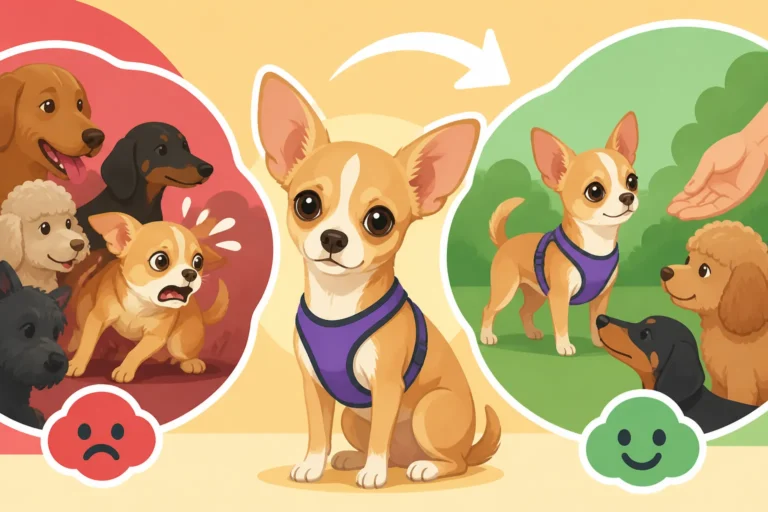
Consider a scenario where a Chihuahua feels constantly overwhelmed by tall humans leaning over them or large, boisterous dogs crowding their space. Their person's lap might be the only place they feel truly safe and secure. When someone approaches that "safe zone," their fear response is triggered, leading them to guard. They aren't trying to be "bad"; they are simply trying to maintain their sense of safety and control in a world that often feels out of control for them. Building your Chihuahua's overall confidence through positive experiences and consistent boundaries can significantly reduce this underlying insecurity.
Learned Behavior and Owner Reinforcement
As mentioned earlier, resource guarding is often a learned behavior. If a Chihuahua growls or snaps while on a lap, and the person approaching retreats, the dog learns that this behavior successfully achieves their goal: keeping the perceived threat away from their valuable resource (you). This is a powerful form of positive reinforcement for the dog, even if it's negative for the human family.
Owners might also inadvertently reinforce the behavior by constantly picking up their Chihuahua when someone approaches, or by scolding the dog for growling, which only suppresses the warning signal without addressing the underlying fear. Instead, the dog learns to bypass the growl and go straight to snapping or biting. Why Harsh Handling Damages a Chihuahua Fast emphasizes the negative impact of punitive approaches. Sometimes, owners even find the guarding endearing, enjoying the feeling of being "chosen" by their Chihuahua, which can lead to a subtle reinforcement of the behavior without realizing the long-term consequences. Breaking this cycle requires conscious effort and a commitment to consistent training.
Pain or Discomfort
It's absolutely critical not to overlook physical discomfort as a potential trigger for guarding behavior. A dog in pain, especially chronic pain, is more likely to lash out or guard because they are already feeling vulnerable and defensive. Imagine if you had a throbbing headache and someone suddenly tried to grab your arm – your reaction might be sharper than usual.
Chihuahuas are prone to several health issues that can cause pain, such as Patellar Luxation, the Chihuahua's Commonest Joint Problem or Chihuahua Back and Neck Pain. If your Chihuahua suddenly starts guarding when they previously didn't, or if the guarding behavior intensifies, a vet visit should be your very first step. They might be protecting a sore spot or feeling generally unwell. Any sudden change in behavior warrants a check-up. Chihuahua Behavior Shifts That Mean a Knee Hurts provides more insight into how physical pain can manifest as behavioral changes. Ruling out medical causes is paramount before embarking on any behavioral modification plan.
Strategies for Managing and Preventing Guarding Behavior
Once you understand why your Chihuahua guards, you can start implementing strategies to manage and prevent the behavior. This requires patience, consistency, and a commitment to positive reinforcement.
Management Techniques
Management is about preventing the problematic behavior from happening in the first place, thereby stopping the Chihuahua from practicing and reinforcing the guarding. It's a temporary solution that creates safety while you work on training.
- Control the Environment: If your Chihuahua guards your lap, don't let them on your lap when guests are over or when situations might trigger guarding. Provide them with a comfortable, safe space nearby, like a Chihuahua Crate Size and Setup or a dog bed, that is their space and where they feel secure. This might be in the same room but slightly removed, perhaps with a soft blanket they can burrow into. You can even use baby gates or ex-pens to create a physical boundary if necessary.
- Leash Management: Keep your Chihuahua on a leash when people are approaching, especially if they are new or unfamiliar. This allows you to gently guide them away or keep them close without forcing them, giving you control over the situation. A lightweight harness from a brand you can find on Amazon can be very helpful here.
- "Trade Up" or Distraction: If your Chihuahua is on your lap and someone approaches, try to distract them before they start guarding. You can toss a highly valued treat (something they absolutely adore, perhaps a tiny piece of cooked chicken) a few feet away, causing them to get off your lap to get it. This breaks the guarding posture and associates the approach with something positive. You can also offer a favorite toy for them to chew on, diverting their attention.
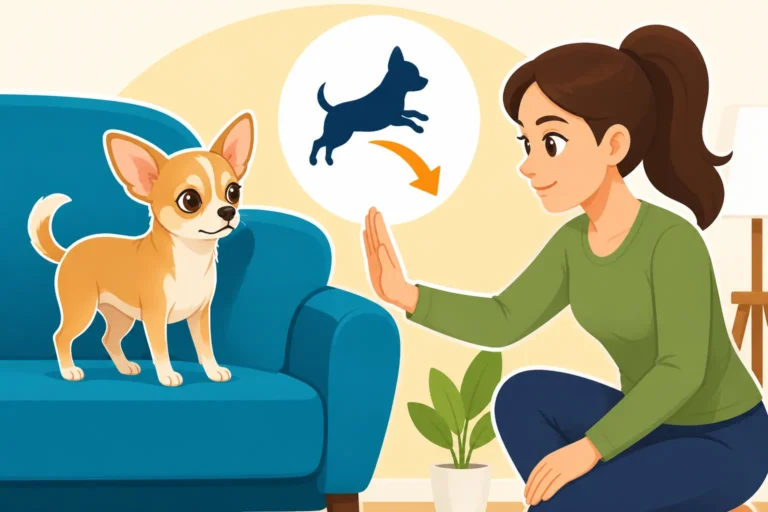
- Set Clear Boundaries: Implement rules like "no dogs on the furniture" or "dog must be invited onto the lap." Setting Furniture Rules for a Chihuahua can be a great resource here. This helps your Chihuahua understand that access to your lap is a privilege, not a right to be guarded. Consistency from all family members is key.
Positive Reinforcement Training
Positive reinforcement is about teaching your Chihuahua what you want them to do by rewarding good behavior, rather than punishing unwanted behavior. This builds trust and makes training a positive experience.
- "Off" Command: Teach your Chihuahua a solid "off" command. Practice this when they are not guarding. Lure them off your lap with a treat, say "off," and reward them when all four paws are on the floor. Repeat this many times in various contexts. Once they reliably get off, you can start asking them to "off" when someone is about to approach.
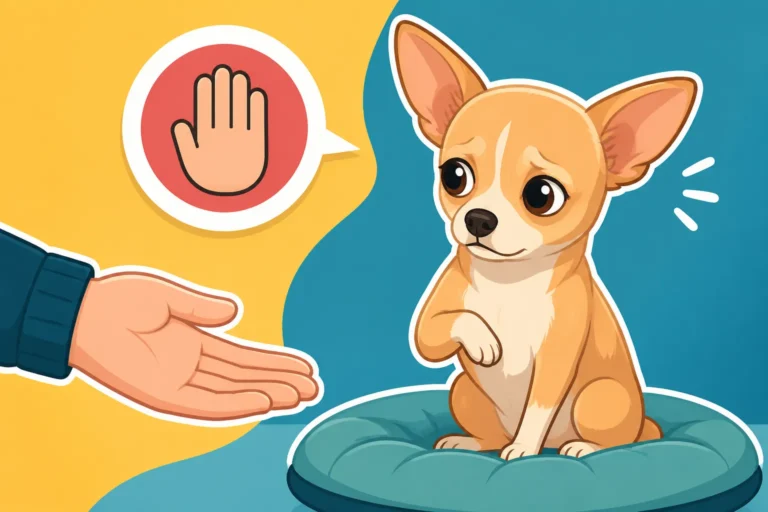
- "Place" or "Mat" Training: Teach your Chihuahua to go to a designated "place" (a dog bed or mat) and stay there when asked. This gives them a clear job to do when you need them off your lap or away from a high-traffic area. Reward them generously for staying on their mat. BAXTER & Bella offers excellent online resources and tutorials for teaching foundational commands like "Place" which can be incredibly useful.
- Rewarding Calmness: Actively reward your Chihuahua for being calm and relaxed when people approach your space, before they even think about guarding. Scatter a few tiny, high-value Treats Small Enough for Chihuahua Training on the floor near them, or drop one in their bed. This builds a positive association with people approaching.
- No Punishment: Never punish your Chihuahua for growling or snapping. A growl is a warning, and if you punish it, you teach them to suppress the warning and go straight to biting. Instead, acknowledge the growl as communication, manage the situation (e.g., move the dog, create distance), and revisit training. A Chihuahua That Cries Out and Then Walks On discusses the importance of observing their communication.
Desensitization and Counter-Conditioning
These techniques are powerful tools for changing your Chihuahua's emotional response to triggers.
- Desensitization (DS): Gradually expose your Chihuahua to the trigger (people approaching your lap) at a very low intensity, where they don't react negatively. Start with someone standing far away, then slowly move closer over many sessions.
- Counter-Conditioning (CC): Change your Chihuahua's emotional association with the trigger. Pair the appearance of the trigger (person approaching) with something wonderful (high-value treats, praise, gentle petting). The goal is for your Chihuahua to see the approaching person and think, "Yay! Good things happen when they come closer!"
Here's how to combine them:
- Identify the trigger distance: Find the distance at which your Chihuahua notices someone approaching your lap but doesn't react with guarding behaviors.
- Start slow: Have a family member stand at that distance. As soon as they appear, give your Chihuahua a super yummy treat. The person steps away, treats stop. Repeat this many times. The idea is: Person Appears = Treat! Person Gone = No Treat.
- Gradually reduce distance: Over many, many sessions and days, slowly decrease the distance the person approaches. Always stop before your Chihuahua reacts negatively. If they show any signs of tension, you've moved too fast; go back to an easier step.
- Practice consistency: Every family member needs to be involved, practicing this approach with the same consistency. If your Chihuahua enjoys being petted by other people, try having the person approach, give a treat, then give a quick, gentle pet (if the dog is comfortable), then retreat. This teaches your Chihuahua that approaches can be safe and even pleasant.
- Remove the resource: If your Chihuahua starts to guard, the resource (your lap) needs to be temporarily removed. This means you gently but firmly get up and move away, ending the interaction. Do not scold, just remove yourself. This shows them that guarding doesn't make the good thing (your presence) stay, but rather makes it disappear. A Chihuahua That Guards a Lap is a related internal link.
This process takes time and patience, but it's incredibly effective in changing your Chihuahua's underlying emotional response.
When to Seek Professional Help for Guarding
While self-help strategies are valuable, there are times when a professional trainer or behaviorist is absolutely necessary. Recognizing these thresholds can prevent the problem from escalating dangerously.
When Behavior Becomes Aggressive
If your Chihuahua's guarding behavior involves frequent growling, snapping that makes contact, or outright biting, it's time to call in the professionals. These are serious behaviors that pose a risk to household members and guests. Self-managing aggression can be difficult and even dangerous if you don't have experience with canine behavior. A professional can assess the specific triggers, intensity, and frequency of the behavior and create a tailored modification plan that ensures safety for everyone involved.
Another sign it's time to get help is if the guarding is spreading to other resources, or if your Chihuahua is showing aggression towards specific people (like children or certain family members). If you're feeling overwhelmed, frustrated, or fearful of your dog's reactions, that's also a clear signal that expert guidance is needed. Remember, getting help isn't a failure; it's a responsible choice for your dog and your family. Vetting a Trainer Before You Book a Chihuahua is a critical step in finding the right support.
Finding the Right Professional
Not all dog trainers are equipped to handle aggression or resource guarding. When looking for help, seek out a certified professional dog trainer (CPDT-KA) or a certified applied animal behaviorist (CAAB), or a veterinary behaviorist (DACVB). These professionals have extensive knowledge in canine behavior and will use humane, evidence-based, positive reinforcement methods.
Avoid anyone who suggests punitive methods (like alpha rolling, shock collars, or harsh corrections) as these can exacerbate fear and aggression in Chihuahuas, leading to a breakdown in trust and potentially making the guarding worse. Look for someone who emphasizes understanding the root cause of the behavior rather than just suppressing the symptoms. Ask for references, inquire about their methods, and ensure they have experience working with toy breeds and resource guarding. A good professional will involve the entire family in the training process and provide ongoing support.
Living Harmoniously with a Chihuahua Who Guards
Even with professional help, completely eliminating guarding behavior might take time, or in some cases, require ongoing management. The goal is to create a safe, predictable, and happy environment for everyone.
Setting Boundaries and Expectations
Consistency is paramount when dealing with guarding behavior. Every person who interacts with your Chihuahua needs to understand and enforce the same rules. This means family members, guests, and even children must be on board.
- Communicate Clearly: Discuss with everyone in the household what the rules are regarding your Chihuahua and your lap. For instance, establish that no one approaches your Chihuahua on your lap without your permission.
- Establish "Safe Zones": Ensure your Chihuahua has designated "safe zones" where they can retreat and not be disturbed, like a cozy bed in a quiet corner. If they choose to be in their safe zone, respect that choice and don't force interaction.
- Rotate Resources: If your Chihuahua guards toys, rotate them out. Keep a selection of toys available, but when a new person enters, offer a fresh, exciting toy that isn't already "claimed." You can find a wide variety of interactive toys suitable for Chihuahuas on Amazon, which can be useful for distraction or training.
- Don't Rush: Understand that behavioral change takes time. Don't expect instant results. Celebrate small victories and be patient with setbacks. Guarding is often deeply ingrained, and rebuilding trust and changing learned responses is a marathon, not a sprint. The First Year Mistakes Chihuahua Owners Make often include letting these behaviors become ingrained.
Enrichment and Confidence Building
A confident, well-adjusted Chihuahua is less likely to feel the need to guard. Providing appropriate mental and physical enrichment can significantly boost their overall well-being and reduce insecurity.
- Regular Exercise: Even though they are small, Chihuahuas need daily exercise. Short, consistent walks or indoor play sessions can help burn off excess energy and mental stimulation. Walking a Chihuahua Twenty Minutes a Day is a good guideline.
- Mental Stimulation: Puzzle toys, chew toys, and short training sessions keep their minds active. Teach them new tricks! Chihuahuas are smart and love to learn. A mentally stimulated dog is a happy and less anxious dog.
- Socialization: Continue positive, controlled socialization experiences. This doesn't mean dog parks (which can be dangerous for Chihuahuas due to size disparities) but rather controlled introductions to calm, dog-friendly individuals and other small, polite dogs. Introducing a Chihuahua to Bigger Dogs Safely provides important considerations.
- Build Independence: Encourage your Chihuahua to spend time comfortably away from your lap. Use their crate or bed as a positive place where they can relax independently. Reward them for settling there. This teaches them that they don't always need to be attached to you to feel safe.
- Consistent Training: Continue practicing basic obedience commands. A dog who understands what's expected of them and has a strong bond with their owner through positive training is generally more confident and less likely to resort to guarding. Online platforms like BAXTER & Bella provide comprehensive puppy and dog training programs that can help reinforce good behaviors and build confidence.
By consistently applying these strategies, you can help your Chihuahua feel more secure in their environment and reduce their need to guard, leading to a more harmonious household for everyone.
| Behavior Type | Description | Common Triggers | Recommended Response |
|---|---|---|---|
| Normal Possessiveness | Mild preference for an item; may carry it away, but no aggression. | Favorite toy, comfy bed. | Respect their space, teach "trade" with higher value items. |
| Subtle Guarding Cues | Stiffening, lip licking, whale eye, low growl, freezing. | Person approaching their guarded resource (you/lap). | Acknowledge, create distance, offer treat, redirect. Consult trainer if frequent. |
| Overt Guarding | Loud growling, snapping, body blocking, lunging, biting. | Any perceived threat to their guarded resource. | Immediately consult a professional behaviorist. Manage environment. Avoid punishment. |
Disclaimer
This article is for general informational purposes only and does not constitute professional advice. Laws, prices and regulations vary by location and change over time. Consult a qualified professional for guidance on your specific situation.