A Chihuahua That Bites During Nail Trims
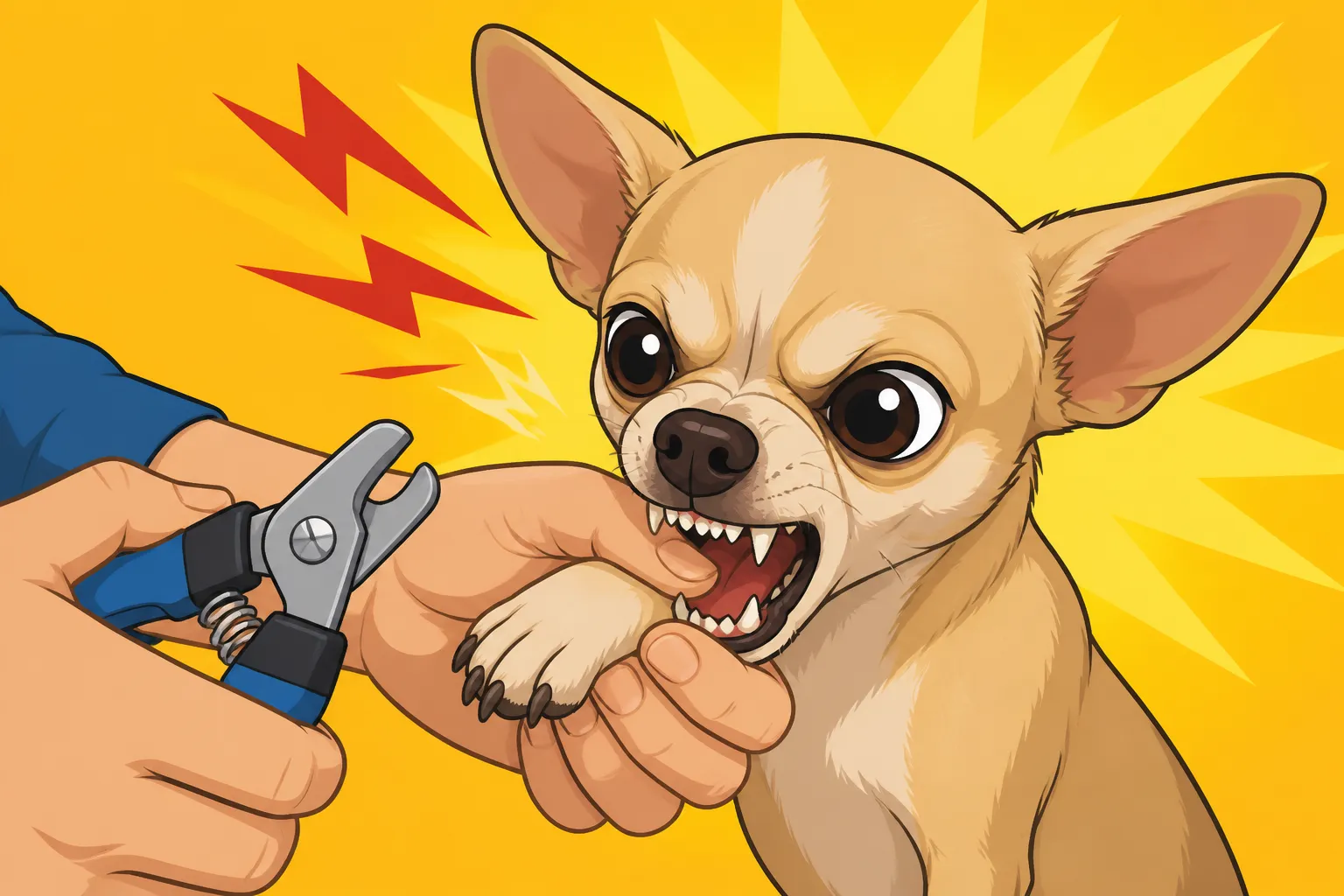
Oh, the dreaded nail trim! If you're a Chihuahua owner, you likely know the struggle all too well. What should be a routine bit of grooming often turns into a wrestling match, complete with frantic yelps, squirming, and, yes, sometimes even a sharp nip. It's frustrating, disheartening, and can make you dread keeping your beloved tiny companion's nails healthy. This guide is here to help you understand why your Chihuahua might be reacting this way and, more importantly, how to turn nail trims from a terrifying ordeal into a tolerable, even positive, experience for both of you.
Understanding Why Your Chihuahua Bites During Nail Trims
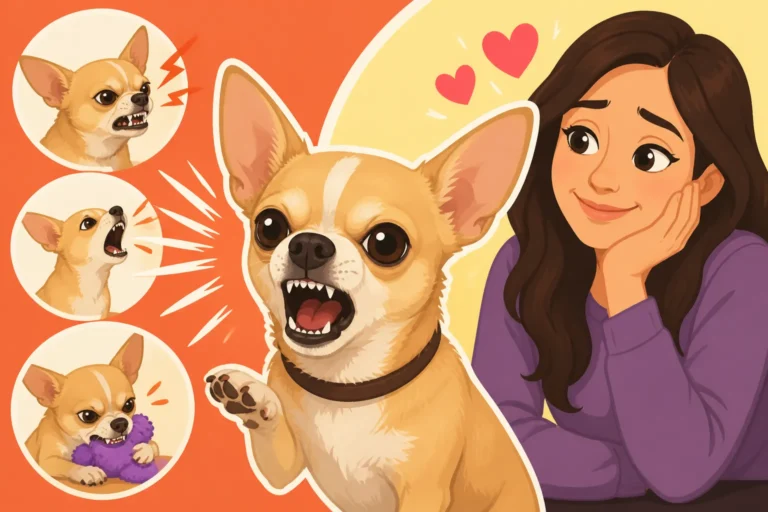
It's easy to take a nip personally, especially from a dog so small, but it's crucial to remember that a Chihuahua who bites during a nail trim isn't being "naughty" or "mean." They're almost always acting out of fear, pain, or a desperate attempt to communicate that they are deeply uncomfortable and need space. Their tiny size often means they feel vulnerable, and the sensation of their paws being held and manipulated can feel overwhelming.
The Root of Fear and Anxiety
For many Chihuahuas, the sheer act of having their paws handled and nails touched is inherently scary. Think about it from their perspective: suddenly, a large hand is gripping their delicate paw, a strange, sharp object (the clipper) or a loud, vibrating one (the grinder) comes near their sensitive toes, and there might be an unfamiliar smell or sound. This can trigger a deep-seated fear response. They don't understand that you're trying to help them; they only perceive a threat to their safety and autonomy.
This fear can be exacerbated by their natural protective instincts. Chihuahuas, despite their small stature, often have big personalities and a strong sense of self-preservation. When they feel trapped or cornered, their default might be to lash out as a defense mechanism. It's a primal response to what they perceive as danger, not a sign of aggression towards you personally. Learning to recognize their early warning signs of stress is vital, as discussed in Reading a Chihuahua With Its Tail Tucked or A Chihuahua That Freezes Before It Bites.
Past Traumatic Experiences and Pain
Sometimes, a Chihuahua's aversion to nail trims isn't just a general fear, but rooted in a specific negative experience. Perhaps a nail was cut too short in the past, hitting the quick and causing significant pain and bleeding. That single event can create a lasting memory, making them anticipate pain every time the clippers appear. They might associate the clippers with that sharp, searing sensation, leading to a strong, negative emotional response. This is especially common if they were pushed past their comfort zone during previous trims.
Beyond just a quicked nail, there could be underlying physical discomfort. Arthritis in their tiny toe joints, an old injury, or even just general sensitivity in their paws can make the handling required for a nail trim genuinely painful. If your Chihuahua suddenly develops a strong aversion to nail trims when they previously tolerated them, a vet check-up might be in order to rule out any medical reasons for their discomfort. Even minor pain can escalate their fear response significantly, turning a slight apprehension into outright panic.
Improper Handling and Lack of Desensitization
Another common reason for biting is that the Chihuahua hasn't been properly desensitized to the process, or the handling itself is making them more anxious. Many owners, understandably, just want to get the job done quickly, but rushing a nervous Chihuahua often backfires. Rough handling, even if unintentional, can make them feel insecure. If you're constantly holding them down, squeezing their paws too tightly, or forcing the process, you're inadvertently reinforcing their belief that nail trims are something to be feared.
Furthermore, some Chihuahuas are simply not used to having their feet touched in general. If paw handling hasn't been a consistent part of their puppyhood socialization, it can feel incredibly invasive as an adult. They need to learn that paw touches are not only safe but can also lead to good things. Without this foundation, any attempt at a nail trim will feel like an assault on their personal space and physical well-being. This ties into the broader concept of Letting a Chihuahua Opt Out of Handling and ensuring they feel secure.
Creating a Positive Nail Trimming Experience
The good news is that with patience, consistency, and a commitment to positive reinforcement, you can dramatically improve your Chihuahua's nail trimming experience. It's a marathon, not a sprint, but the payoff of a calm dog and stress-free trims is absolutely worth it.
Desensitization and Counter-Conditioning
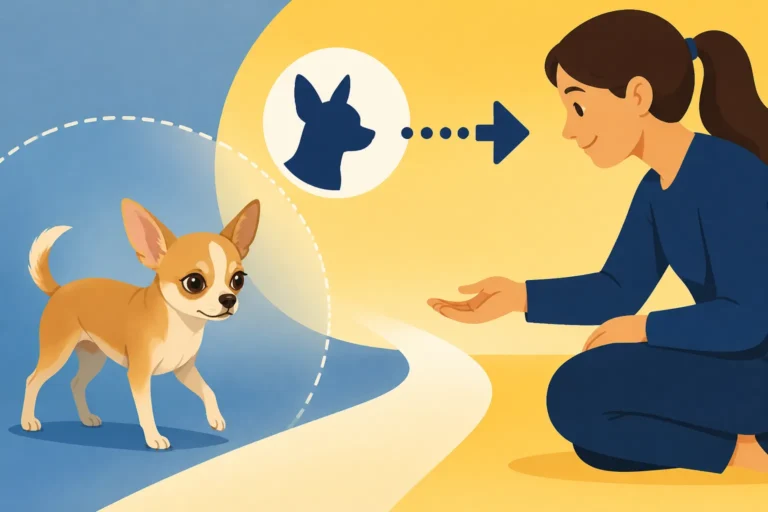
The key to turning things around is a process of desensitization and counter-conditioning. This means gradually introducing your Chihuahua to the tools and sensations of nail trimming in a way that associates them with positive experiences, like yummy treats. Start small, very small, and work at your Chihuahua's pace. If they show any signs of stress, you've gone too far, too fast.
Begin by simply touching their paws gently, perhaps once or twice a day, giving them a high-value treat immediately afterwards. Don't even bring out the clippers yet. Once they're comfortable with paw handling, introduce the clippers or grinder into the room. Let them sniff it, then give a treat. Gradually, you can progress to touching the clippers to their paw, without clipping, then touching one nail, always followed by a treat. When you finally clip, aim for just one nail, then shower them with praise and treats. The goal is to make every step a positive experience. Think of it like a gentle dance where they lead, and you reward every brave step they take. You can find excellent resources on structured training online, with programs like those offered by BAXTER & Bella often providing step-by-step guidance for these kinds of challenges.
| Step | Action | Reward | Signs of Progress |
|---|---|---|---|
| 1. Handle Paws | Gently touch and hold one paw for 1-2 seconds. | High-value treat, praise | Relaxed paw, no pulling away. |
| 2. Introduce Tool | Show clippers/grinder, let them sniff. Don't touch. | High-value treat, praise | Curious sniff, no backing away. |
| 3. Tool Near Paw | Touch clippers/grinder to paw (not nail), for 1 second. | High-value treat, praise | Calm demeanor, no flinching. |
| 4. Touch Nail | Touch clippers/grinder to one nail for a split second. | High-value treat, praise | No reaction, or mild curiosity. |
| 5. Clip One Nail | Clip one nail quickly. | Jackpot of treats, lavish praise, play time | Tolerates one clip, recovers quickly. |
| 6. Build Up | Gradually increase number of nails, always ending on a good note. | Consistent treats and praise | Progressively more tolerant of longer sessions. |
Choosing the Right Tools and Techniques
The tools you use can make a big difference. For Chihuahuas, precision is key. Many owners find standard dog nail clippers too bulky and intimidating for tiny paws. Small, sharp scissor-style clippers are often preferred for their control and ease of use. Alternatively, a rotary grinder can be excellent, as it files the nail down slowly, reducing the risk of cutting too far. However, the vibration and sound of a grinder can be a new source of fear, so it needs its own careful desensitization process. You can find a wide variety of suitable clippers and grinders, even those specifically designed for small breeds, on platforms like Amazon.
When trimming, make sure you have good lighting and understand where the quick is. With a Chihuahua's small, often dark nails, this can be tricky. Only take off the very tip. If you're using clippers, make sure they are sharp to ensure a clean, quick cut rather than crushing the nail. Consider having styptic powder on hand just in case you accidentally quick a nail – this shows your Chihuahua that even if a mistake happens, it can be quickly remedied. Remember that Chihuahua Nail Trimming at Toy Size requires extra care and precision.
Seeking Professional Guidance
If you've tried desensitization on your own and your Chihuahua is still showing extreme fear or aggression, it's absolutely okay – and often necessary – to seek professional help. A certified professional dog trainer, especially one experienced with fearful or reactive small dogs, can provide invaluable guidance. They can assess your Chihuahua's specific triggers and body language and teach you the hands-on techniques for safe and effective desensitization. Sometimes, just having a neutral third party with a calm demeanor can make a huge difference.
In some cases, your veterinarian might recommend anti-anxiety medication or supplements to help reduce your Chihuahua's overall stress levels, making them more receptive to training. This isn't a "fix" on its own, but it can be a valuable tool when combined with a solid behavior modification plan. Don't feel ashamed to ask for help; it's a sign that you're committed to your Chihuahua's well-being and want to prevent A Chihuahua That Bites During Nail Trims from escalating. A professional can also guide you on how to approach Muzzle Training a Small Chihuahua if necessary, ensuring it's a positive and non-punitive experience.
Recognizing and Responding to Chihuahua Body Language
Understanding what your Chihuahua is trying to tell you before they resort to biting is perhaps the most critical skill you can develop. They are always communicating, and learning to interpret their subtle signals will help you prevent bites and build trust.
Signs of Stress and Discomfort
Chihuahuas, like all dogs, give off a range of signals to show they are uncomfortable. Before a bite, you might see:
- Lip licking: Often a subtle, rapid lick of the nose or lips, indicating mild stress.
- Yawning: Not necessarily tired, but a displacement behavior showing stress.
- Head turning/Averting gaze: Trying to avoid eye contact, showing discomfort or wanting to disengage.
- Whale eye: When you see the whites of their eyes, indicating tension.
- Body stiffening: Their body might become rigid or tense.
- Tail tucked: A classic sign of fear or anxiety.
- Trembling: While Chihuahuas can tremble when excited or cold, trembling during a nail trim is usually a sign of fear.
- Low growl or snarl: A clear warning that they need you to stop.
It's vital to respect these signals. If you see them, pause. Stop what you're doing, give them space, and reassess. Pushing past these warnings increases the likelihood of a bite and further erodes their trust in you. Remember, Why Harsh Handling Damages a Chihuahua Fast is particularly true for such a sensitive breed.
Safe Handling and Prevention of Bites
When you do handle your Chihuahua for a nail trim, aim for gentle, secure, and confident handling. Avoid squeezing or looming over them. Instead, support their body, keep them close to you (perhaps on your lap if they're comfortable with that), and speak in a calm, soothing voice. You might find it helpful to have a second person assist, one to distract with treats and praise while the other handles the trim.
Never scold or punish your Chihuahua for growling or trying to bite. These are warning signals, and punishing them only teaches them to suppress the warnings, meaning they might go straight to biting without any notice next time. Instead, acknowledge their discomfort and take a break. Focus on building positive associations. This positive approach applies to all aspects of Training a Chihuahua Exactly Like a Big Dog, fostering trust rather than fear.
When to Pause and Reassess
The moment your Chihuahua shows any sign of stress, even a subtle lip lick or a slight pull back, that's your cue to pause. Immediately stop the activity, give them a treat, and let them relax. If they're showing clear signs of fear like growling, snarling, or freezing, end the session entirely. It's far better to do one nail a day over five days than to traumatize them by forcing all five nails at once.
Consistency is key. Short, positive sessions are much more effective than long, stressful ones. If you find yourself consistently dreading nail trims or unable to make progress, it’s a clear sign that you need to re-evaluate your approach, potentially seek professional help, or consider alternatives like regular vet or groomer visits just for nail trims. Building trust takes time, but it's the foundation of a happy, healthy relationship with your tiny companion. Ultimately, your Chihuahua's comfort and trust are paramount, and sometimes that means a slower, more deliberate approach to routine care.
Disclaimer
This article is for general informational purposes only and does not constitute professional advice. Laws, prices and regulations vary by location and change over time. Consult a qualified professional for guidance on your specific situation.