Bloodwork on a Chihuahua Past Fourteen
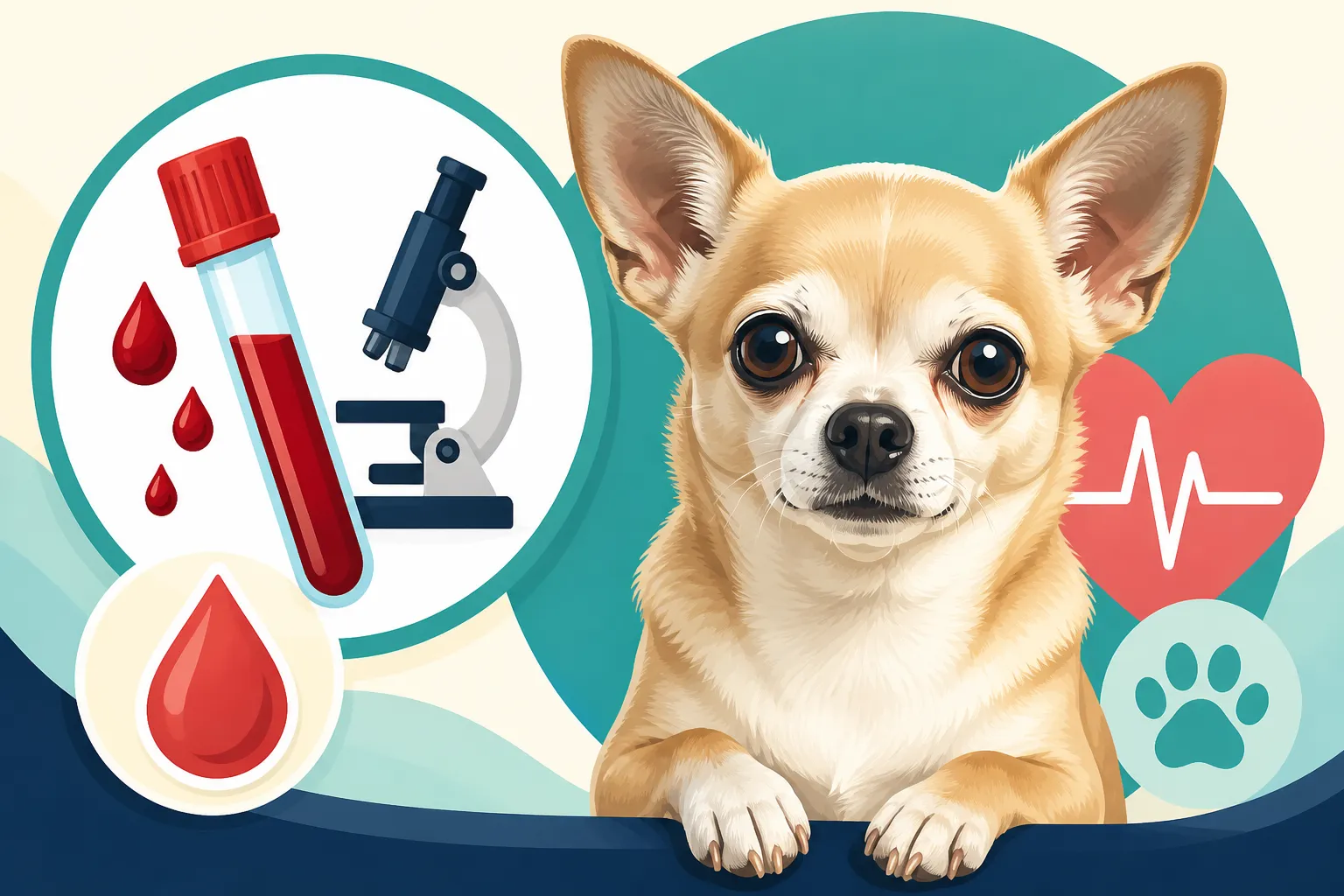
It’s incredibly bittersweet watching our beloved Chihuahuas reach their golden years. While we cherish every moment, the worry about their health, especially past the age of fourteen, can be immense. They've been with us through so much, and the thought of them experiencing pain or illness often brings a knot to our stomachs. One of the most important tools we have for proactive senior care is bloodwork, and understanding why it's so critical and what those numbers actually mean can feel like deciphering a complex code. This guide will walk you through why regular bloodwork is essential for your aging Chihuahua, what specific tests to expect, how to interpret those vital results, and even how to make the process a little less stressful for your tiny companion.
Why Bloodwork Becomes Indispensable for Your Senior Chihuahua
As Chihuahuas age, often well past the age of twelve, their bodies, much like our own, start to experience wear and tear. What makes Chihuahuas so unique is their incredible longevity; they can easily live into their mid-to-late teens, sometimes even touching twenty years. While this is wonderful, it also means they have more years for age-related conditions to develop and progress. Many of these conditions, especially in their early stages, are "silent" – meaning your Chihuahua might not show any obvious outward signs of illness. They might still be eating, playing a little, and cuddling, masking internal changes that are slowly taking a toll.
This is precisely where routine bloodwork steps in as your best friend. It acts as an internal health report card, giving your veterinarian a snapshot of what’s happening beneath the surface. Detecting issues like kidney disease, liver dysfunction, or the onset of diabetes early can be a game-changer, allowing for interventions that can slow the progression of the disease and significantly improve your Chihuahua’s quality of life for longer. Without this crucial diagnostic tool, we often don't realize there's a problem until clinical signs become pronounced, at which point the disease might be more advanced and challenging to manage.
Furthermore, regular bloodwork helps establish a "baseline" for your individual Chihuahua. Every dog is unique, and what might be a slightly elevated enzyme level for one Chihuahua could be perfectly normal for another. By running bloodwork consistently over their senior years, your vet can track trends and identify deviations from your dog's normal, rather than just relying on population averages. This personalized approach to monitoring can catch subtle shifts that might otherwise be missed. For instance, if your Chihuahua consistently runs a certain kidney value, a slight increase might signal an early issue, even if it's still within the "normal" range for most dogs.
Another vital reason for senior bloodwork, particularly for a breed prone to dental issues, is as a pre-anesthetic screen. Chihuahuas frequently require dental cleanings, and as they age, the risk associated with anesthesia increases. Anesthesia risk during a Chihuahua dental is something every owner worries about. Comprehensive bloodwork before any sedative or anesthetic procedure helps your vet assess organ function, ensuring your Chihuahua can safely metabolize medications and recover without complications. If the bloodwork reveals a hidden issue, the vet can adjust the anesthetic protocol or even postpone the procedure until the underlying condition is addressed, prioritizing your tiny dog's safety above all else. This proactive approach ensures that necessary procedures, even routine ones like addressing Chihuahua dental disease in a crowded small jaw, are as safe as possible.
Understanding the Senior Bloodwork Panel for Chihuahuas
When your veterinarian recommends "senior bloodwork" for your Chihuahua, they're typically referring to a comprehensive set of tests designed to give a broad overview of their internal health. It’s not just one test but a panel that examines various systems and functions within the body. Understanding what these different components are looking for can help you feel more informed and less overwhelmed by the process.
The most common components of a senior bloodwork panel include a Complete Blood Count (CBC), a Chemistry Panel, and often a Thyroid Panel. Sometimes, a urinalysis is also collected simultaneously, as urine provides complementary information to blood, especially regarding kidney function.
A Complete Blood Count (CBC) focuses on the cellular components of your Chihuahua’s blood. This includes red blood cells, white blood cells, and platelets.
- Red blood cells are crucial for carrying oxygen throughout the body. Abnormal levels can indicate anemia (too few, perhaps due to chronic disease or blood loss) or dehydration (too many, making the blood thicker).
- White blood cells are the body's immune system fighters. Elevated levels can signal infection or inflammation, while low levels might point to an immune suppression or certain viral infections.
- Platelets are responsible for blood clotting. Low levels can indicate a bleeding disorder or other serious conditions, which is particularly important to know before any surgical procedure.
The Chemistry Panel (also known as a serum chemistry or biochemical profile) provides a detailed look at organ function and electrolyte balance. This is often the most revealing part of the senior panel for catching silent diseases.
- Kidney values (BUN – Blood Urea Nitrogen, Creatinine, and often SDMA – Symmetric Dimethylarginine) are critical. Elevated levels can indicate that the kidneys aren't filtering waste products from the blood effectively, a common concern in aging dogs. Early detection of Kidney Disease in a Long-Lived Chihuahua through these markers is vital for management.
- Liver enzymes (ALT – Alanine Aminotransferase, ALP – Alkaline Phosphatase, GGT – Gamma-Glutamyl Transferase) assess liver health. The liver performs countless functions, and elevated enzymes can suggest liver damage, inflammation, or other underlying issues.
- Blood glucose measures sugar levels. High glucose can be a sign of diabetes, which Chihuahuas can develop, though often they're more prone to low blood sugar as puppies.
- Electrolytes (sodium, potassium, chloride) are essential for nerve and muscle function, and imbalances can indicate dehydration, kidney disease, or hormonal issues.
- Proteins (total protein, albumin, globulin) can give clues about hydration, inflammation, and liver or kidney function.
- Amylase and Lipase are enzymes that evaluate pancreatic health, helping to detect conditions like Pancreatitis in a Chihuahua After Rich Food.
A Thyroid Panel, specifically measuring T4 (Thyroxine), is frequently included in senior profiles because hypothyroidism (underactive thyroid) is a common condition in older dogs, though less common in Chihuahuas than in larger breeds. However, it's still worth checking as symptoms can be subtle and easily mistaken for general aging, like lethargy or weight changes.
Essential Bloodwork Components for Senior Chihuahuas
| Test Category | Specific Test | What It Assesses | Potential Senior Chihuahua Issues |
|---|---|---|---|
| Complete Blood Count | Red Blood Cell Count | Oxygen-carrying capacity, hydration | Anemia (chronic disease), dehydration |
| White Blood Cell Count | Immune system response, infection, inflammation | Undetected infections, inflammatory conditions | |
| Platelet Count | Blood clotting ability | Bleeding disorders, risk during surgery/dentals | |
| Chemistry Panel | BUN, Creatinine, SDMA | Kidney function | Kidney disease, early kidney decline (SDMA particularly sensitive) |
| ALT, ALP, GGT | Liver function, liver damage, bile flow | Liver disease, drug side effects, metabolic issues | |
| Glucose | Blood sugar levels | Diabetes, stress hyperglycemia | |
| Albumin, Total Protein | Hydration, chronic disease, liver/kidney function | Chronic inflammation, protein-losing conditions | |
| Amylase, Lipase | Pancreatic function | Pancreatitis | |
| Electrolytes | Fluid balance, nerve/muscle function | Dehydration, kidney issues, hormonal imbalances | |
| Thyroid Panel | Total T4 | Thyroid gland activity | Hypothyroidism (though less common in Chihuahuas) |
| Urinalysis (often combined) | Urine Specific Gravity | Kidney's ability to concentrate urine | Early kidney disease, dehydration |
| Protein in Urine | Kidney damage, inflammation | Protein-losing nephropathy, urinary tract infections | |
| Glucose in Urine | Diabetes | Confirms diabetes, especially if blood glucose is high |
Deciphering Common Bloodwork Results in Older Chihuahuas
Receiving bloodwork results can be intimidating, filled with abbreviations and numbers. While your veterinarian is always the best person to interpret these results in the context of your Chihuahua's overall health and clinical signs, understanding some common findings can empower you to ask informed questions.
Let's look at some key markers and what they often indicate in an aging Chihuahua:
Kidney Markers (BUN, Creatinine, SDMA)
These are perhaps the most frequently monitored values in senior Chihuahuas.
- BUN (Blood Urea Nitrogen) and Creatinine are waste products filtered by the kidneys. When these are elevated, it suggests the kidneys aren't doing their job efficiently. However, these values often don't become elevated until about 75% of kidney function is lost, which is a significant amount.
- SDMA (Symmetric Dimethylarginine) is a newer, more sensitive marker for kidney function. It can detect kidney disease much earlier, sometimes when only 25% of function is lost. This early warning is incredibly valuable in Chihuahuas, allowing for dietary changes, fluid therapy, and medication to slow the progression of Kidney Disease in a Long-Lived Chihuahua. A slight, consistent elevation in SDMA, even if BUN and Creatinine are normal, warrants further investigation.
Liver Enzymes (ALT, ALP, GGT)
Elevations in liver enzymes can point to a variety of issues.
- ALT (Alanine Aminotransferase) is often elevated with liver cell damage.
- ALP (Alkaline Phosphatase) can be elevated due to liver issues but also by certain medications (like steroids), Cushing's disease, or even normal bone growth in younger dogs (though less relevant for a senior Chihuahua).
- GGT (Gamma-Glutamyl Transferase) is usually elevated with bile duct issues or liver disease.
It's common for an aging Chihuahua to have mild elevations in one or more liver enzymes, which might be benign or signify early changes. Your vet will look at the pattern of elevations and consider other factors, like medication history or recent illnesses, to determine the significance. Persistent or significant elevations may lead to further diagnostics like an ultrasound or liver biopsy.
Blood Glucose
Monitoring blood glucose is important to catch the onset of diabetes.
- High glucose levels can indicate diabetes, especially if your Chihuahua is also showing signs like increased thirst and urination. However, stress can cause a temporary spike in glucose (stress hyperglycemia), which is common in anxious Chihuahuas at the vet. Your vet might re-test or recommend a fructosamine test, which gives an average blood glucose over a few weeks, providing a more accurate picture than a single snapshot.
- Low glucose levels are rare in adult Chihuahuas but can occur with certain rare conditions or severe illness. Puppy Chihuahuas, on the other hand, are highly susceptible to Chihuahua Hypoglycemia and the Puppy Emergency, which is why their feeding schedules are so important.
Red Blood Cells
- Anemia (low red blood cell count, hematocrit, or hemoglobin) can be a sign of many underlying conditions in senior Chihuahuas, including chronic kidney disease, internal bleeding, nutritional deficiencies, or certain cancers. It might manifest as lethargy or pale gums.
- Polycythemia (high red blood cell count) is less common but can indicate dehydration, which is a serious concern for any dog, especially a small one.
White Blood Cells
- Elevated white blood cells usually signal infection or inflammation somewhere in the body. This could be anything from a dental abscess to a systemic infection.
- Decreased white blood cells can be seen with certain viral infections, bone marrow issues, or some medications. Your vet will look at the specific types of white blood cells (neutrophils, lymphocytes, etc.) to get a clearer picture.
Thyroid Hormones (T4)
While less common in Chihuahuas than in larger breeds, an underactive thyroid (hypothyroidism) can cause symptoms like lethargy, weight gain, hair loss, and a dull coat. A low T4 level on bloodwork would suggest this, and it's a condition that's usually easily managed with daily medication.
Remember, a single abnormal value isn't necessarily cause for panic. Your veterinarian looks at the whole picture: your Chihuahua's age, breed, physical exam findings, current medications, and other bloodwork results. They might recommend re-testing in a few weeks, additional specific tests, or starting a treatment plan based on the findings. Regular vet visit frequency for a Chihuahua past twelve is key to catching these subtle changes.
Preparing Your Chihuahua for Bloodwork and Easing the Process
Getting blood drawn can be a little stressful for any dog, and our tiny Chihuahuas, with their sensitive natures, can sometimes find it particularly daunting. However, there are several things you can do to help prepare your senior Chihuahua and make the experience as smooth and stress-free as possible for both of you.
First, your veterinarian will likely recommend fasting your Chihuahua for 8-12 hours before the blood draw. This means no food, but usually water is fine and encouraged. Fasting is crucial for accurate chemistry panel results, particularly for glucose and certain liver enzymes. Eating before the test can lead to artificially elevated glucose levels or lipemia (a cloudy, fatty appearance in the blood), which can interfere with the accuracy of many tests. If your Chihuahua is prone to hypoglycemia in an adult Chihuahua or as a young puppy, discuss this with your vet beforehand. They might suggest a shorter fasting period or specific instructions. Always follow your vet's specific fasting instructions, especially for senior dogs, as their metabolic needs can be different.
Hydration is another important factor. Ensure your Chihuahua has access to fresh water right up until you leave for the vet. Being well-hydrated can make it easier for the veterinary staff to find a vein and draw a sufficient blood sample, reducing the time and stress of the procedure. If your Chihuahua often doesn't drink much, try offering a little water mixed with a tiny bit of low-sodium chicken broth, or simply ensuring their bowl is full and easily accessible in the hours leading up to the visit.
Managing stress at the vet clinic is paramount for a Chihuahua. Many Chihuahuas can be anxious in new environments, around strangers, or other animals. Here are some tips:
- Bring comfort items: A familiar blanket, their favorite toy, or even a shirt that smells like you can provide a sense of security in the carrier.
- Positive reinforcement: Bring highly palatable, tiny training treats. Reward calm behavior, even if it's just for sitting quietly in the waiting room.
- Carrier comfort: Start making the carrier a positive place at home, with treats and comfortable bedding, so it's not just associated with vet visits.
- Muzzle training: For Chihuahuas who are prone to biting when stressed or handled, gently muzzle training a small Chihuahua can be a kindness. A basket muzzle allows them to breathe, pant, and take treats, making the process safer for staff and less stressful for the dog.
- Ask about quiet times: Some clinics might have specific "quiet hours" or less busy times when there are fewer other animals around, which could be beneficial for a highly anxious Chihuahua. You might even ask if you can wait in your car and be called in when it's your turn.
During the blood draw itself, the veterinary technician will likely need to shave a small patch of fur, usually on the leg or neck, to visualize the vein better and disinfect the area. They will then apply pressure to help the vein stand out. You can often help by providing calm reassurance, gently petting them, and offering soft words. Sometimes, a high-value treat lick mat can distract them effectively during the quick process.
Finally, after the blood draw, your Chihuahua might have a small bandage on their leg or neck. Keep an eye on the site for any swelling or bruising, though it's rare. Offer praise and a special treat for being brave. While no one enjoys seeing their tiny friend undergo medical procedures, remember that this proactive step is one of the most loving things you can do for your senior Chihuahua. It helps your veterinary team provide the best possible care, extend their happy, healthy years, and can even help make difficult discussions about quality of life in a Chihuahua's final year or end-of-life decisions for a long-lived Chihuahua more informed when the time comes. Many owners find that investing in pet insurance, like a comprehensive plan from Healthy Paws, can significantly ease the financial burden if bloodwork reveals a chronic condition requiring ongoing medication or specialized diets for their beloved senior. This kind of planning allows you to focus on your Chihuahua's health, rather than the unexpected costs.
Disclaimer
This guide is intended for informational purposes only and does not substitute for professional veterinary advice. Always consult with a qualified veterinarian for any health concerns or before making any decisions about your Chihuahua's medical care.