The Behaviors Owners Excuse in a Chihuahua
Many Chihuahua owners find themselves in a bind, struggling with behaviors from their tiny companions that they'd never tolerate in a larger dog. Whether it's persistent barking, nips at visitors, or marking indoors, these issues often get a pass because of the Chihuahua's diminutive size. This guide is here to shed light on these commonly excused behaviors, explain why they're problematic, and offer realistic, empathetic strategies to help you raise a well-adjusted, confident Chihuahua, regardless of their size.
The Trap of "Small Dog Syndrome"
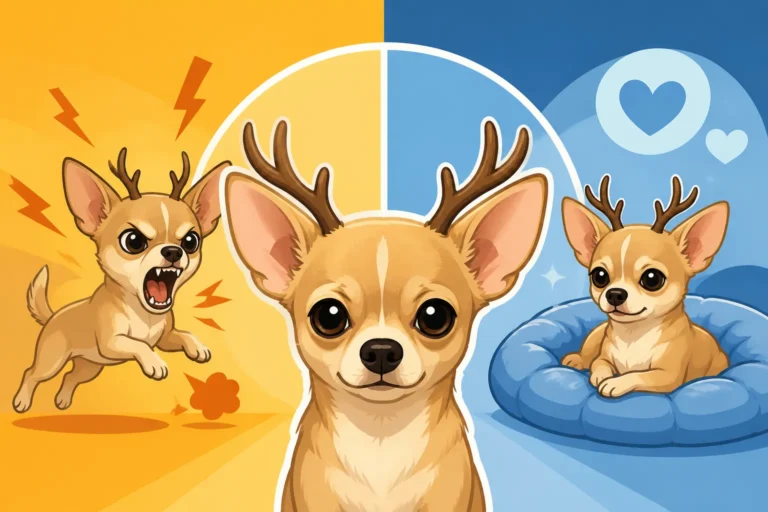
It’s easy to fall into the trap of excusing certain behaviors in Chihuahuas simply because they’re so small. We see a little dog barking ferociously at the mail carrier, or nipping at a stranger's ankle, and we often chuckle, thinking, "Oh, it's just a Chihuahua, they're feisty!" This mindset, often dubbed "small dog syndrome," isn't a genetic trait unique to Chihuahuas; it's a learned behavior, inadvertently reinforced by us, their human companions. When a tiny dog exhibits aggression or excessive vocalization, it's often rooted in fear or a lack of proper boundaries, which can be far more distressing for the dog than we realize.
It’s a natural human tendency to protect something small and seemingly vulnerable. We scoop them up when a larger dog approaches, we laugh off a little growl at a guest, or we let them get away with jumping on furniture without an invitation. While our intentions are usually good – we want to keep them safe and happy – these actions can actually hinder their development into confident, well-mannered companions. Instead of building their resilience and teaching them appropriate coping mechanisms, we accidentally teach them that being loud, defensive, or even slightly aggressive is an effective way to control their environment. This can lead to a dog that's constantly on edge, feeling the need to defend itself because it hasn't learned that its humans are reliable protectors and guides.
Why We Excuse Little Nips and Growls
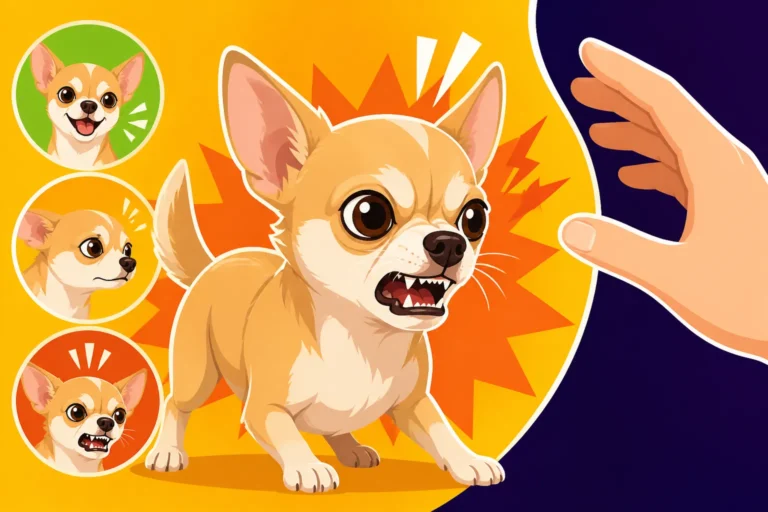
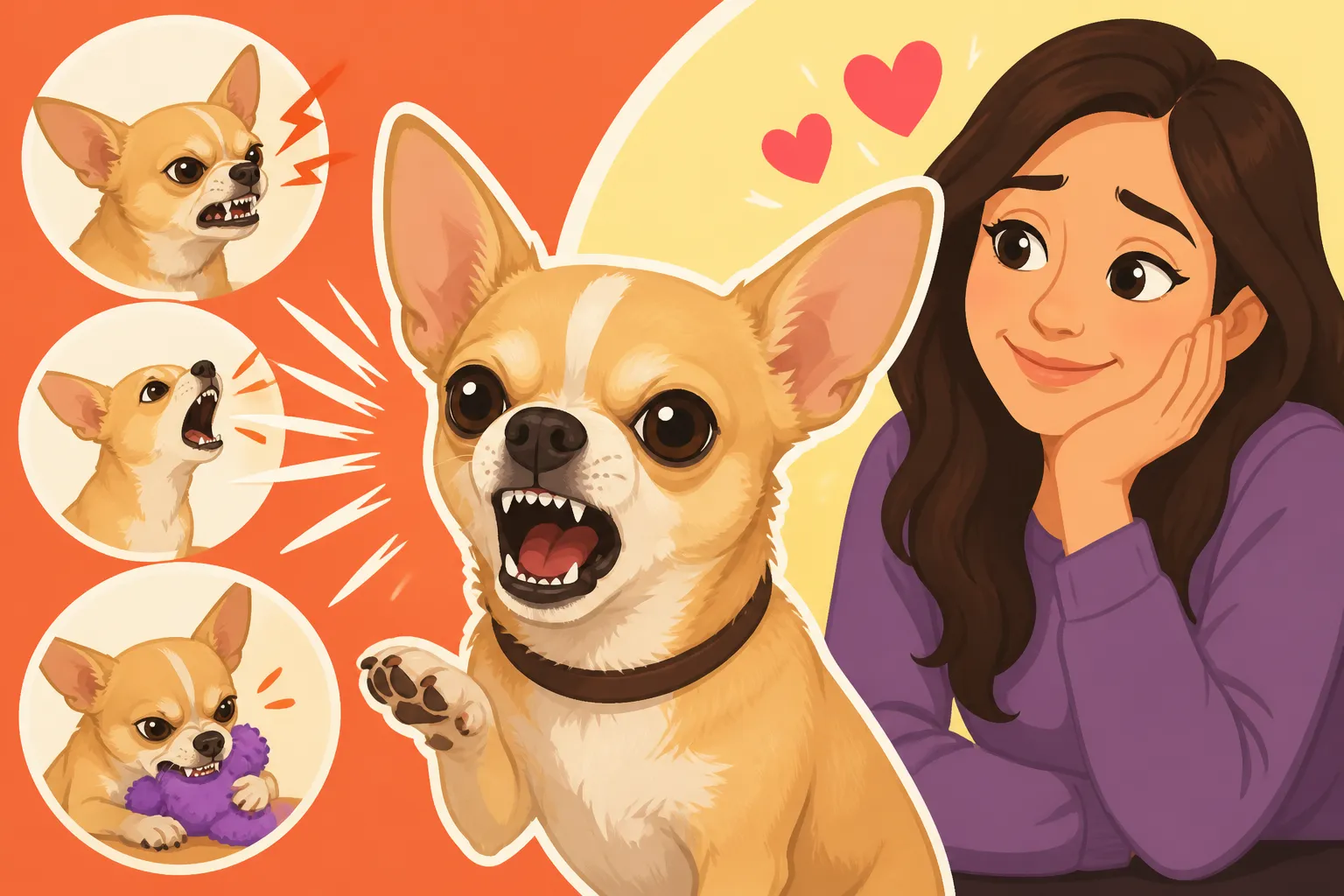
One of the most common excused behaviors is the "love nip" or the "warning growl." A Chihuahua might nip a hand that tries to take a favorite toy, or growl softly when someone approaches their person on the sofa. Because their teeth are small and their growl isn't as imposing as a Rottweiler's, we often dismiss these as minor inconveniences. We might even find it a bit endearing, a sign of their "spunky" personality. However, a nip is a bite, and a growl is a clear communication that your dog is uncomfortable and feels threatened. Ignoring these signals teaches your Chihuahua that these mild forms of aggression are acceptable, and if they don't get the desired result (like the hand retreating or the person backing off), they may escalate their behavior in the future.
This pattern can escalate over time. A Chihuahua that's allowed to growl at guests when sitting on a lap might eventually feel justified in snapping or biting if the guest doesn't heed the initial warning. It's a slippery slope where a small problem grows into a significant behavioral issue. Owners might then restrict visitors, or avoid certain situations, all to manage a behavior that could have been gently redirected and trained out from the start. It’s crucial to understand that even a tiny dog deserves to be taught good manners and self-control, for their safety and the safety of others. Recognizing Chihuahua Body Language Before a Snap can help you intervene early and prevent escalation.
The Double Standard for Tiny Dogs
We often apply a completely different set of rules to Chihuahuas than we would to a Labrador or a German Shepherd. Imagine a Golden Retriever jumping on a dinner guest, barking incessantly, or growling when its owner attempts to move it from the couch. Most owners would immediately correct this behavior, enroll in training classes, or seek professional help. Yet, when a Chihuahua does the exact same thing, it's often met with a sigh, a shrug, or even a laugh. This double standard creates confusion for the dog and reinforces undesirable actions.
This isn't about harsh discipline; it's about clear communication and consistent expectations. A Chihuahua, despite its size, is still a dog that thrives on structure, routine, and knowing its place within the family unit. When we don't set boundaries, we actually create an insecure dog. They don't understand what's expected of them, and they might feel the need to take on the "leader" role themselves, which can be incredibly stressful for a small creature in a big world. Think about it: if you never teach a large dog to walk nicely on a leash, it pulls you over. If you never teach a small dog, it just drags behind. The consequence is different, but the lack of training is the same. Just as with any breed, Why a Chihuahua Deserves Real Obedience Training is vital for their well-being and your harmonious life together.
Barking: More Than Just a Little Noise
Ah, the Chihuahua bark. It's often described as yappy, piercing, or persistent, and it's another behavior frequently excused with a fond, "Oh, that's just Fifi being Fifi!" While Chihuahuas are known for being alert and vocal guardians of their territory, constant, uncontrolled barking can become a significant nuisance for owners, neighbors, and even the dog itself. It’s not just noise; it’s a symptom, often indicating fear, anxiety, boredom, or a lack of understanding about appropriate vocalization.
Imagine living in an apartment building where your Chihuahua barks at every single sound in the hallway, every car door closing outside, or every squirrel in the yard. This isn't just annoying; it causes stress for everyone involved, especially your dog, who feels compelled to alert you to every perceived threat. It's also a common reason why Chihuahuas end up in shelters – their constant barking becomes too much for owners to handle. It's important to differentiate between an alert bark (which is a dog's job) and excessive, reactive barking that stems from a deeper issue. Understanding Chihuahua Barking and What Sets a Six Pound Dog Off is the first step toward managing it effectively.
The Window Sentinel and Doorbell Defender
Many Chihuahuas adopt the role of the "window sentinel" or "doorbell defender." They sit on the back of the sofa, peering out the window, and erupt into a frenzy of barks at anything that moves: another dog, a person walking by, a falling leaf. The doorbell, of course, is a prime trigger, signaling an intruder who must be announced with vigor. Owners often rationalize this by saying their Chihuahua is "protecting the house" or "doing their job." While their loyalty is admirable, incessant barking isn't protection; it's often a manifestation of insecurity or overstimulation.
When a Chihuahua barks frantically at the window, they're experiencing a surge of adrenaline and stress. If you don't intervene, they learn that their barking "drives away" the perceived threat (because eventually, the person or dog outside moves on). This reinforces the behavior, making it more likely to happen next time. Instead of letting them self-reinforce, you can teach them a "look at that" command, rewarding them for calmly observing the trigger, or use simple management techniques like window film or redirecting their attention to a toy or a chew. For instance, you can find effective window film on Amazon that blocks their view without darkening your room. Teaching A Stop Cue That Works on a Barking Chihuahua can be incredibly valuable in these situations.
Anxiety, Excitement, or Just Undisciplined?
Behind the bark, there can be a host of underlying emotions. Is your Chihuahua barking out of excitement when you come home? Is it anxiety when left alone? Or is it simply because they haven't been taught that there are times when silence is golden? Many Chihuahuas bark out of genuine fear or anxiety, especially towards strangers or unfamiliar situations. This fear-based reactivity often manifests as barking and lunging, which, for a tiny dog, can be easily misconstrued as aggressive confidence rather than insecurity.
If your Chihuahua barks excessively due to separation anxiety, simply telling them "no" won't solve the root problem. You'd need a more holistic approach, addressing their comfort with being alone. Similarly, if they bark constantly because they're bored, providing more mental stimulation through puzzle toys or short training sessions might be the answer. It’s critical to identify the why behind the bark. Often, what appears to be indiscipline is actually a cry for help or a misunderstanding of what we expect from them. A good training program, like BAXTER & Bella's online puppy school, can provide structured guidance for these common issues, helping you understand the distinction between different types of barking and how to address them effectively.
Potty Accidents: "It's Just a Tiny Bladder"
This is perhaps the most pervasive and frustrating excused behavior for many Chihuahua owners: consistent indoor potty accidents. The refrain "Oh, they just have tiny bladders" becomes a blanket excuse, leading to dogs that are never truly house-trained. While it's true that Chihuahuas have small bladders and require more frequent potty breaks than a Great Dane, this doesn't mean they are inherently untrainable or doomed to pee on your carpet forever. It's a convenient excuse that often masks inconsistencies in training, a lack of routine, or an incomplete understanding of canine elimination behavior.
The implication that a tiny bladder makes a dog untrainable is unfair to the Chihuahua. Dogs are creatures of habit, and with diligent, consistent house training, even the smallest Chihuahua can learn to do their business outside. The challenge often lies in the owner's commitment to the intensive process required for a dog with a fast metabolism and small capacity. This means more frequent trips outside, especially for puppies, and thorough cleaning of any accidents to prevent recurrence. How Long a Chihuahua Can Hold Its Bladder is shorter than a larger dog, but it's not zero, and they can learn to hold it for reasonable periods between scheduled breaks.
The Myth of Untrainable Tiny Bladders
Let's debunk this myth: a tiny bladder does not equal an untrainable dog. A Chihuahua puppy, just like any other puppy, needs to go out every couple of hours, especially after waking, eating, or playing. As they mature, they gain better bladder control. The key is to be consistent, take them out frequently, and reward them lavishly when they go in the appropriate spot. Many owners give up too soon, or aren't diligent enough in supervising their puppy indoors, leading to repeated accidents that then become ingrained habits.
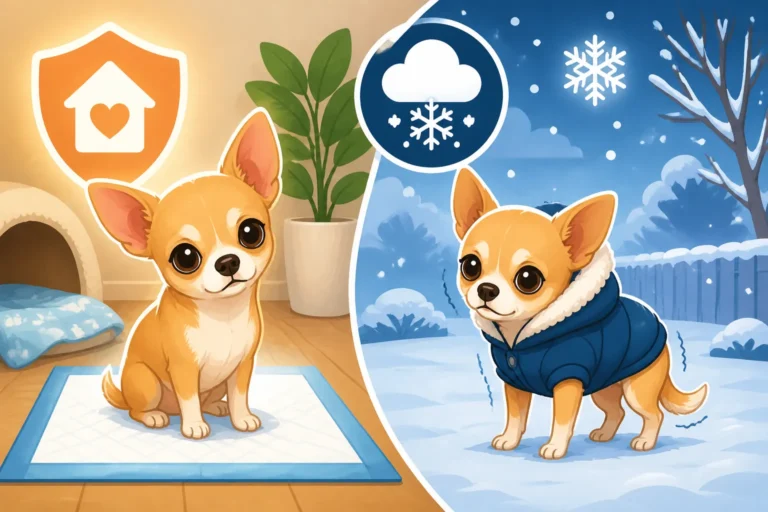
Another factor is weather. Chihuahuas are notoriously sensitive to cold. On a rainy or snowy day, many will simply refuse to go outside. Owners, feeling bad for their shivering pup, might let them stay inside, inadvertently teaching them that it's okay to relieve themselves indoors when the weather is unpleasant. This is where options like indoor potty pads or even litter box training come into play, but even with these, the goal should be a clear distinction between indoor and outdoor elimination. For those tough winter days, there are plenty of warm coats and even booties available on Amazon that can make outdoor potty breaks more tolerable for your little one. The question of Getting a Chihuahua Outside on Snowy Days often comes down to preparation and positive reinforcement.
Marking and the Failure to Clean Thoroughly
Beyond simple accidents, marking behavior is another potty-related issue often excused in Chihuahuas, especially intact males, but sometimes even females. Marking is a territorial behavior, where a dog deposits small amounts of urine to communicate its presence. When a Chihuahua marks inside your home, on furniture, or in specific spots, it's often a sign that they feel insecure, territorial, or that the previous scent of urine has not been thoroughly eliminated.
If a Chihuahua has an accident or marks, and the spot isn't cleaned with an enzymatic cleaner, the scent remains, invisible to us, but a clear signal to your dog that "this is a potty spot." This reinforces the behavior and makes repeated marking likely. For persistent marking, especially in male Chihuahuas, belly bands can be a lifesaver. These washable wraps (many types are available on Amazon) provide a barrier, preventing urine from soaking into your furniture while you work on training. However, they are management tools, not solutions. The solution involves consistent supervision, addressing underlying anxiety or territoriality, and sometimes, considering spaying or neutering if it's a hormonally driven behavior. If you're struggling with this, looking into Belly Bands for a Marking Chihuahua can provide a helpful stopgap while you work on deeper training.
| Behavior | Common Excuse | Underlying Problem | Training Solution |
|---|---|---|---|
| Nipping/Growling | "Just feisty/spunky" | Fear, insecurity, lack of boundaries | Teach bite inhibition, positive reinforcement, trade-offs, clear boundaries. What a Chihuahua Growl Is Actually Telling You is important to learn. |
| Excessive Barking | "Good protector" | Anxiety, boredom, overstimulation, fear | Identify triggers, desensitization, counter-conditioning, "quiet" command, increased mental/physical exercise. |
| Potty Accidents | "Tiny bladder" | Inconsistent training, incomplete cleaning | Strict schedule, high-value rewards for outdoor potty, enzymatic cleaners, address weather reluctance. |
| Resource Guarding | "Loves me too much" | Insecurity, possessiveness | Trade-offs, "leave it" command, management (separate eating/chewing spaces), build trust. |
| Not Walking on Leash | "Prefers to be carried" | Lack of leash training, fear of outdoors | Gradual introduction to harness/leash, positive association with walks, build confidence outdoors. |
Resource Guarding: When a Lap Becomes a Fortress
Resource guarding is another behavior that often gets a free pass in Chihuahuas. This is when a dog becomes possessive over certain items (toys, food bowls, chew bones) or even places (a favorite bed, a spot on the sofa, or more commonly, your lap). When a Chihuahua growls or snaps because someone approaches them while they're on your lap, or tries to take a toy, it's easy to think, "Aww, they just really love that toy/me!" However, this possessiveness, even in miniature, is a serious behavior issue that can lead to bites and erode trust.
The idea that a Chihuahua is guarding your lap because they "love you so much" is a romanticized notion. In reality, they are communicating that they perceive you (the resource) as theirs, and they will defend it from others. This isn't love; it's control, and it stems from a place of insecurity and a lack of understanding that you are the one who manages resources, not them. It’s also incredibly unfair to the dog, as they are constantly stressed, feeling the need to defend what they perceive as theirs. This is one of the more challenging behaviors, but it's absolutely crucial to address for the safety of everyone in the home, especially if there are children or other pets. You can find out more about Chihuahua Resource Guarding and Snapping to understand the nuances of this behavior.
The Danger of Possessiveness, Even in Miniature
While a Chihuahua's bite might not send you to the emergency room for stitches (though it certainly can!), it can break skin, cause pain, and, more importantly, break down the relationship of trust between you and your dog. When a Chihuahua is allowed to guard resources, they learn that aggressive displays (growls, snaps, bites) are effective in getting what they want. This can make them unpredictable and dangerous, even to familiar family members. Imagine a child innocently reaching for a toy near the Chihuahua, only to be met with a growl or a snap. That’s a situation no pet owner wants to face.
Addressing resource guarding requires careful management and counter-conditioning. It’s about teaching your Chihuahua that hands approaching their resources are a good thing, not a threat. For instance, when they have a valued chew, you can approach and toss an even higher-value treat near them, then calmly walk away. This teaches them that your presence around their stuff means good things happen, rather than bad things (like losing their chew). Never try to forcefully take an item from a resource guarder, as this can escalate the aggression. Instead, focus on building positive associations and practicing "trade-offs." Learning Taking a Chew From a Chihuahua Safely is a key skill here.
Training for Sharing and Safety
Training a Chihuahua to be comfortable with sharing and relinquishing items is paramount for a safe and harmonious home. This means teaching a strong "leave it" command for things you don't want them to have, and a "drop it" command for items they already possess. It's also crucial to establish clear boundaries around valued resources. For example, if your Chihuahua guards their food bowl, ensure they eat in a quiet, undisturbed area. If they guard your lap, implement a "no dogs on furniture unless invited" rule, and practice having them settle on their own bed nearby.
Consistency is, as always, the bedrock of successful training. Every family member needs to be on the same page, reinforcing the same rules and using the same methods. If one person allows guarding and another corrects it, your Chihuahua will become confused and the behavior will persist. Consider seeking guidance from a certified professional dog trainer who has experience with toy breeds and resource guarding. They can assess your specific situation and provide tailored strategies to help your Chihuahua learn to share and feel secure without resorting to possessive behaviors. Just remember, a well-trained Chihuahua is a happy Chihuahua, confident in its role and trust in its human family.
Disclaimer
This article is for general informational purposes only and does not constitute professional advice. Laws, prices and regulations vary by location and change over time. Consult a qualified professional for guidance on your specific situation.