Why Small Dog Rules Should Match Big Dog Rules
It's incredibly common for Chihuahua owners to fall into the trap of treating their tiny companions differently than they would a larger dog. We often excuse behaviors in a six-pound dog that we'd never tolerate from a fifty-pound Labrador, leading to a host of behavioral issues and a less confident, often more reactive, Chihuahua. This guide is here to shed light on why adopting "big dog rules" for your Chihuahua isn't just beneficial, but essential for their well-being and your peace of mind.
The Trap of "Small Dog Syndrome" and Excused Behavior
Let's be honest: it's hard to be stern with a dog that fits in your hand. Chihuahuas are undeniably adorable, fragile-looking, and often evoke a powerful protective instinct in us. This natural inclination, however, can inadvertently pave the way for what's often referred to as "small dog syndrome"—a collection of behaviors that aren't actually inherent to small breeds, but rather a direct result of how they are treated. When we let our Chihuahuas get away with things a larger dog wouldn't, we're not being kind; we're often creating confusion and anxiety for them.
This phenomenon is so widespread that many people genuinely believe Chihuahuas are just naturally yappy, aggressive, or untrainable. But this couldn't be further from the truth. The problem isn't the breed; it's the lack of consistent expectations. A Chihuahua is just as capable of learning obedience and good manners as any other dog, sometimes even more so because they are so intelligent and eager to please their person. Ignoring their bad habits only sets them up for a lifetime of frustration and potential danger, both for them and for anyone they might interact with.
Why We Treat Tiny Dogs Differently
The reasons we treat Chihuahuas differently are often rooted in genuine affection and concern. We see their small size and immediately worry about them getting hurt. This leads to constantly carrying them, shielding them from new experiences, and letting them off the hook for behaviors like growling at guests or marking in the house. We might rationalize it by thinking, "Oh, they're just tiny, they can't help it," or "It's not a big deal if this little dog barks at the mailman, unlike a big one." This mindset, while well-intentioned, entirely misses the mark. We create what I like to call The Training Gap Chihuahua Owners Create, where the dog is never truly asked to be a well-adjusted canine citizen.
Consider the practicalities. A jumpy, ill-mannered Chihuahua might seem less threatening than a large, jumpy German Shepherd, but the underlying behavior is the same: a lack of impulse control and clear boundaries. We might laugh off a Chihuahua nipping at our heels, but if that were a Rottweiler, it would be an immediate, serious issue. This difference in perception is where the problem begins. Our leniency teaches our Chihuahuas that these behaviors are acceptable, or even rewarded with attention, instead of guiding them towards more appropriate responses.
The Unintended Consequences of Leniency
When we don't apply consistent "big dog rules," our Chihuahuas miss out on crucial learning opportunities. They often grow up believing they are the center of the universe, with no need to listen to human cues or respect personal space. This can lead to a host of behavioral problems, from incessant barking at every sound to resource guarding their favorite person or space. What Small Dog Syndrome Means for a Chihuahua isn't a genetic condition; it's a learned behavior pattern born from a lack of consistent, firm, but loving leadership.
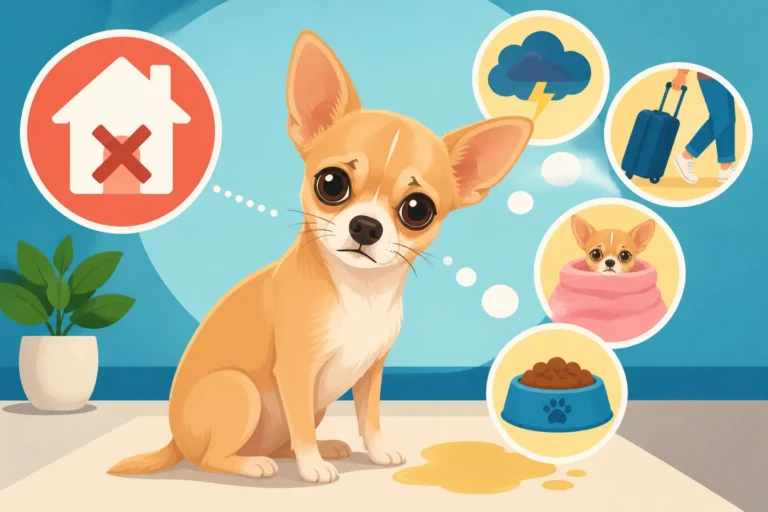
This leniency can also breed anxiety and fear in our Chihuahuas. If they are constantly being carried, they never learn to navigate the world on their own four paws, making them more fearful of new places, people, and other dogs. This fear often manifests as Fear-Based Reactivity in a Chihuahua, where they bark, lunge, or even snap because they feel vulnerable and haven't been taught how to cope. Instead of feeling safe and confident, they become overwhelmed and defensive, always on high alert because they believe they have to protect themselves.
How Universal Training Principles Empower Your Chihuahua
The good news is that Chihuahuas thrive on structure, clear communication, and consistent expectations, just like any other dog. When you treat your Chihuahua like the intelligent, capable dog they are, you unlock their full potential and build a much stronger, more respectful bond. Adopting "big dog rules" doesn't mean being harsh; it means being fair, consistent, and understanding that boundaries create a sense of security for your dog.
It’s about recognizing that Why a Chihuahua Deserves Real Obedience Training. They aren't just accessories or living toys; they are dogs with needs for mental stimulation, physical exercise, and clear guidance. When you provide this, you'll see a dramatic positive shift in their confidence and behavior. Imagine a Chihuahua who can calmly greet strangers, walk politely on a leash, and relax in their bed instead of constantly demanding attention or barking at shadows. This isn't a pipe dream; it's entirely achievable with the right approach.
Building Confidence Through Clear Boundaries
Clear boundaries are the bedrock of a confident, well-adjusted dog. When your Chihuahua understands what is expected of them, what is allowed, and what is not, they feel more secure. Imagine a child who never has any rules – they might feel a temporary sense of freedom, but ultimately, they'd be anxious and uncertain about how to navigate the world. Dogs are much the same. A consistent framework of rules and consequences provides predictability, which reduces stress and builds confidence.
For example, teaching a "stay" or "place" command is just as crucial for a Chihuahua as it is for a Golden Retriever. It teaches impulse control and gives them a job to do, helping them manage their excitement or anxiety in various situations. When your Chihuahua knows they can rely on you for direction, they won't feel the need to make all the decisions, which is a heavy burden for such a tiny creature. This is especially true when it comes to things like visitors coming to the door or encountering other dogs on walks.
The Importance of Consistent Expectations
Consistency is arguably the most vital ingredient in any successful training program, regardless of dog size. If "sit" means "sit" sometimes but not others, or if jumping on guests is acceptable one day but not the next, your Chihuahua will become confused. Dogs are creatures of habit and thrive on routine and predictability. This means everyone in the household needs to be on the same page regarding rules and commands.
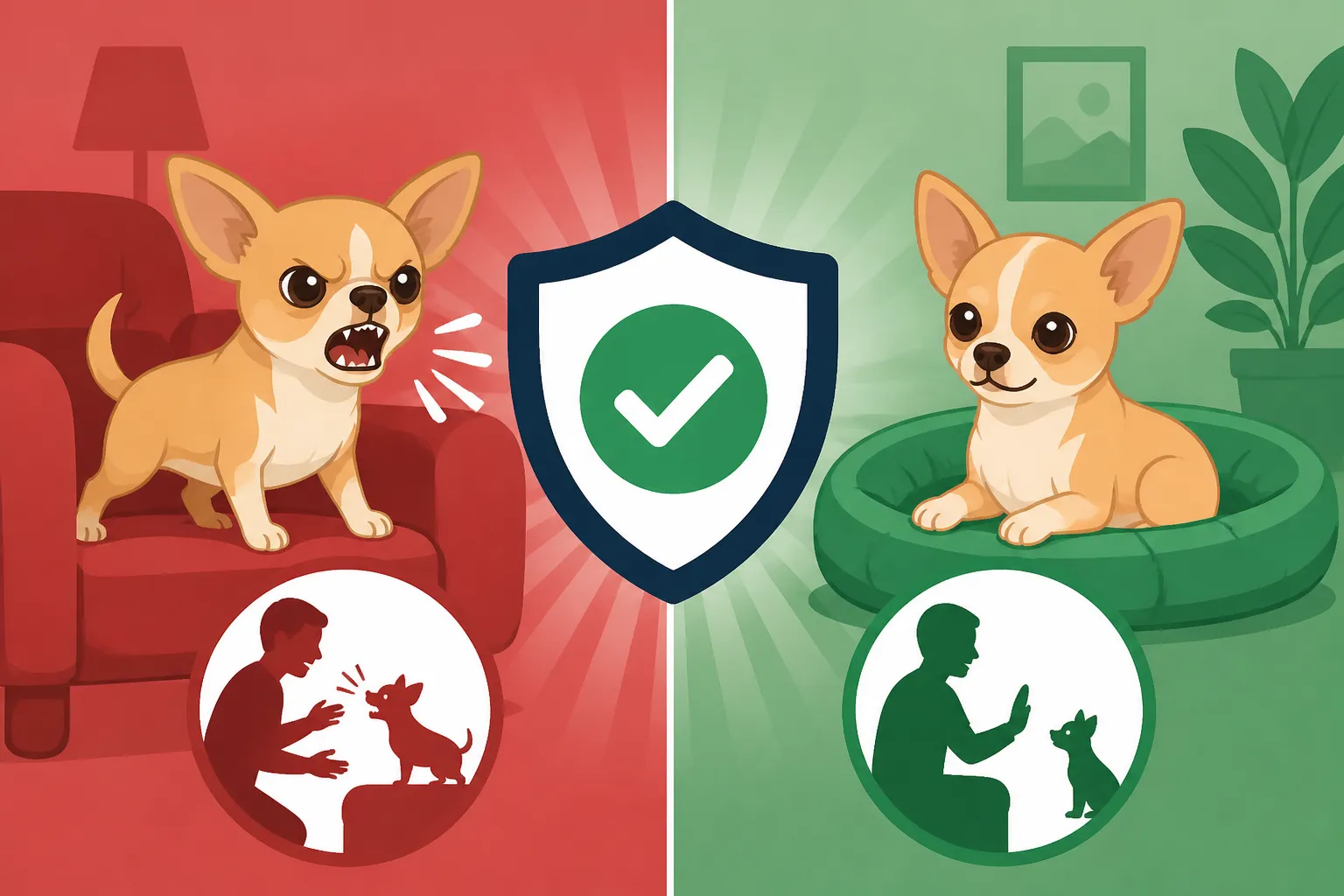
Think about it: if you let your Chihuahua sleep in your bed, but then scold them for jumping on the sofa, you're sending mixed signals about furniture rules. Setting Furniture Rules for a Chihuahua consistently from the start avoids this confusion. Consistency extends to everything: meal times, potty breaks, walks, and even how you react to barking or attention-seeking behaviors. When you consistently apply "big dog rules," your Chihuahua learns quickly what's expected and feels a sense of control over their environment, knowing what will happen next.
Practical Steps to Implement "Big Dog Rules" for Your Tiny Companion
Okay, so you're ready to embrace the "big dog rules" philosophy for your Chihuahua. Fantastic! It's not about being harsh or denying them love; it's about setting them up for success. This involves everything from how you approach their basic training to how you manage their daily environment. Remember, every positive interaction is a training opportunity, and every consistent boundary builds trust.
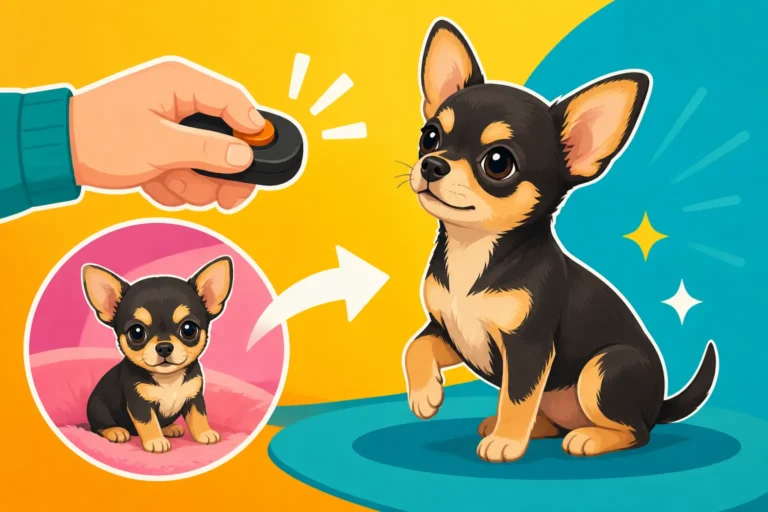
One of the most powerful tools in your arsenal is positive reinforcement. Use high-value treats (tiny ones, of course, given their caloric needs!) and enthusiastic praise to reward desired behaviors. Companies like BAXTER & Bella offer comprehensive online puppy training programs that emphasize positive reinforcement and can guide you through these principles, regardless of your dog's size. They understand that solid foundation training applies universally.
Foundation Training: Beyond the Basics
Start with the absolute basics, just as you would with any puppy. Teach reliable "sit," "stay," "come," and "leave it" commands. These aren't just for show; they are life-saving skills. A solid "come" command, for instance, can prevent your Chihuahua from running into danger. Break training sessions into short, frequent bursts – three to five minutes, a few times a day – to keep their tiny attention span engaged. Always end on a positive note. The Commands Every Chihuahua Should Know are the same commands every dog should know.
Leash training is another critical area where "big dog rules" must apply. Many Chihuahua owners carry their dogs constantly, but this actually hinders their development. Your Chihuahua needs to experience the world on their own four paws. Invest in a well-fitting harness (never just a collar for these tiny necks, as it can damage their delicate trachea) and practice loose-leash walking in quiet areas. Let them sniff and explore, building their confidence in different environments. A sturdy, lightweight leash and harness can be easily found on platforms like Amazon.
Managing Environment and Interactions
A huge part of applying "big dog rules" is controlling the environment to set your Chihuahua up for success. This means actively preventing opportunities for undesirable behaviors while providing appropriate outlets. For instance, if your Chihuahua tends to bark excessively at passersby, consider using window film or strategically placing furniture to block their view of the street. For Chihuahua Barking at the Window and the Door, management is key.
Regarding social interactions, it’s crucial to orchestrate positive experiences. Don't let every stranger rush up and grab your Chihuahua. Teach your Chihuahua that not every person or dog needs to be interacted with, just like you would a larger dog. Advocate for your Chihuahua's space and don't be afraid to say "no" to people who want to pet them without asking. If your Chihuahua is prone to Chihuahua Resource Guarding and Snapping their space or belongings, setting up clear boundaries around those items, and teaching a solid "leave it," is paramount.
Creating a safe, comfortable space for your Chihuahua to retreat to is also vital. A cozy crate or a designated bed can be their den, a place where they feel secure and can relax without constant human interaction. Use baby gates to manage access to certain areas of the house, especially if you have other pets or small children. Remember that consistent rules apply here too; if you want them to use their bed, don't let them on the sofa every time. Consider adding Ramps and Steps for a Chihuahua Sofa if you do allow furniture access to protect their joints.
Here's a simple comparison of typical "small dog rules" versus the more beneficial "big dog rules":
| Behavior / Scenario | "Small Dog Rules" Approach | "Big Dog Rules" Approach | Outcome |
|---|---|---|---|
| Greeting Visitors | Let them jump and bark excitedly, maybe pick them up to calm. | Teach a "place" command, reward calm greetings, enforce boundaries. | Anxious, reactive dog OR confident, polite dog. |
| Walking on Leash | Carry them often, let them pull or wander on leash. | Consistent loose-leash training with a harness, allow exploration on leash. | Fearful, undersocialized dog OR confident, well-exercised dog. |
| Barking at Noise/Doorbell | Tolerate it, sometimes console or pick them up. | Desensitize to triggers, teach a "quiet" command, manage access to windows. | Incessant barking, heightened anxiety OR alert but controlled barking. |
| Furniture Access | Let them on all furniture freely, no boundaries. | Establish clear "on/off" commands, use ramps/steps, provide a designated bed. | Possessive, inconsistent behavior OR respectful, secure dog. |
| House Training Accidents | Assume they have a tiny bladder, use puppy pads indefinitely. | Consistent potty breaks outdoors, reward success, clean accidents thoroughly. | Inconsistent house training, marking OR reliable, clean habits. |
| Handling/Grooming | Force handling, struggle, or avoid necessary care due to fear. | Desensitize gradually, reward calm acceptance, make it a positive experience. | Fearful, bitey dog OR cooperative, tolerant dog. |
Adopting a "big dog rules" mindset for your Chihuahua is truly one of the best gifts you can give them. It fosters confidence, reduces anxiety, and builds a stronger, more harmonious relationship between you and your tiny but mighty companion.
Disclaimer
This article is for general informational purposes only and does not constitute professional advice. Laws, prices and regulations vary by location and change over time. Consult a qualified professional for guidance on your specific situation.