How Strangers React to a Chihuahua on a Lead
Walking your Chihuahua can often feel like a public performance, where every stroll down the street brings a new set of unsolicited comments, eager greetings, or even misguided fears from strangers. It’s a unique experience for small dog owners, who often find themselves not just walking their beloved companion, but also navigating a minefield of human reactions. This guide is here to help you understand, anticipate, and confidently manage the wide spectrum of responses you’ll encounter when your tiny best friend is out on their lead.
The Adoration Avalanche: When Everyone Wants to Pet Your Tiny Pal
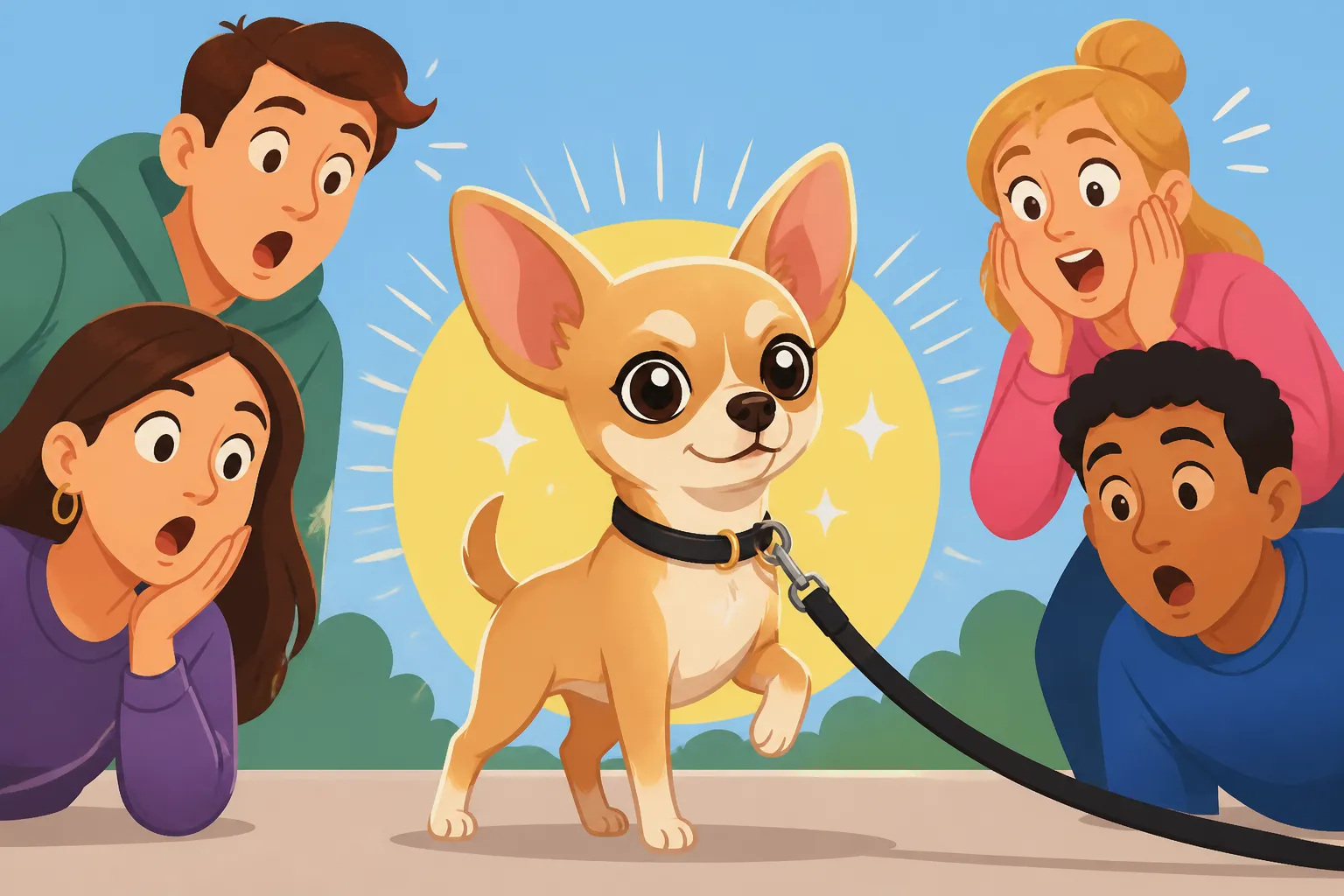
It’s almost impossible to walk a Chihuahua without someone exclaiming, "Oh my gosh, a puppy!" or "Look how tiny!" The sheer cuteness factor of a Chihuahua often elicits an overwhelming wave of positive, if sometimes intrusive, attention from passersby. People, especially children, are drawn to their compact size and often expressive faces. This can be heartwarming, of course, but it also comes with its own set of challenges, particularly when it comes to maintaining your dog's comfort and safety.
The "Aww, So Cute!" Moment
When you’re out and about, be prepared for a constant stream of "awws" and smiles. People love seeing Chihuahuas, and many will tell you how adorable your dog is, or share stories of their own tiny pets. This can be a lovely part of the experience, reminding you how much joy your little one brings to the world. You might find yourself striking up conversations with fellow dog lovers, sharing tips, or simply enjoying the communal appreciation of small breeds. It’s a chance to connect, and for your Chihuahua to receive some happy, albeit from a distance, admiration. Chihuahua Temperament and What the Standard Asks For often highlights their endearing qualities, and it's clear strangers pick up on that.
However, this cuteness also means many people will feel an instant, overwhelming urge to reach out and pet your Chihuahua without asking. While often well-intentioned, this can be startling or even frightening for a small dog, especially if they are shy, nervous, or simply not in the mood for interaction. Imagine a giant hand suddenly descending from the sky – that’s how it can feel to a two-pound dog. Your job as their advocate is to manage these interactions kindly but firmly, ensuring your Chihuahua feels safe and respected.
Navigating Eager Children and Overzealous Adults
Children, bless their hearts, are often the most enthusiastic greeters. They see a small dog and immediately want to run over, hug, or scoop them up. Their intentions are pure, but their actions can be unpredictable and dangerous for a tiny dog who could easily be dropped or squeezed too tightly. It's crucial to be proactive in these situations. You might need to step between your Chihuahua and an approaching child, or gently say, "Please ask before you pet, and remember my dog is very small and fragile."
Adults can be just as problematic, sometimes bending over without warning or making sudden noises to get your Chihuahua's attention. I’ve seen countless times where an adult will swoop down, completely missing all the subtle signs of a nervous dog, like a tucked tail or a quick glance away. It’s important to remember that not all Chihuahuas are social butterflies, and even friendly ones can be overwhelmed. Your best defense is a clear, polite boundary. A simple, "He's not really a fan of strangers" or "She's a little shy" can work wonders, even if your dog is just resting. Chihuahuas Around Toddlers and Rough Hands covers this challenge in more detail.
The Misunderstood Stereotype: Addressing Common Misconceptions
While many adore Chihuahuas, a significant portion of the public still holds onto outdated stereotypes about the breed. You’ll inevitably encounter comments about "ankle biters," "shaky dogs," or questions about whether your Chihuahua is "mean" or "always cold." These misconceptions stem from a lack of understanding about the breed's natural tendencies, its history, and how proper care and training can influence their behavior. It can be frustrating to constantly defend your dog, but it's an opportunity to educate and shift perceptions.
"Oh, Is He an Ankle Biter?"
This is perhaps the most common, and most irritating, stereotype Chihuahua owners face. The image of a snarling, nippy Chihuahua, aggressively snapping at heels, persists despite the reality that most well-socialized and properly trained Chihuahuas are not like this at all. Often, what people perceive as aggression is actually fear-based reactivity. A tiny dog in a big world can feel vulnerable and overwhelmed. When they feel threatened, their natural instinct is to either flee or, if cornered, defend themselves. A bark or a snap is often a desperate plea for space, not malice. Fear Reactivity as the Top Chihuahua Complaint delves into this behavior.
Your response to this comment doesn't have to be a lecture. A calm, "Actually, he's very sweet, just a little wary of strangers, so we're working on building his confidence" can sometimes disarm the questioner. It validates their concern (even if misplaced) while gently correcting the narrative. You’re showing that your Chihuahua is a thoughtful, sensitive creature, not a vicious mini-monster.
"They're Always Cold, Right?" or "Why Is He Shaking?"
Another frequent comment relates to Chihuahuas shivering, often leading to assumptions that they are perpetually cold or inherently nervous. While Chihuahuas do have a higher propensity to shiver due to their small body mass and thin coats, especially the smooth coats, cold isn't the only reason. Excitement, fear, anxiety, or even just high energy can also cause shivering. It's a common physiological response in such a small breed. Why a Chihuahua Shivers and What It Means explains this in detail.
When someone asks why your Chihuahua is shaking, you can explain that it’s a normal breed trait, sometimes due to cold, but also excitement or nerves. You might say, "She shivers when she's excited, just like some people tap their foot!" or "Yes, they do get chilly easily, which is why we have so many cute sweaters!" This can lead into a discussion about proper Chihuahua Clothing and Cold Weather Gear, showing you're a responsible owner who understands their dog's needs.
| Common Stranger Reaction | Underlying Chihuahua Experience | Recommended Owner Response |
|---|---|---|
| "Can I pet your dog?" | Overwhelmed, startled, or shy | "Please ask first, he's very small," or "She's a little shy, so we'll pass today." |
| "Aww, how cute!" | Enjoying attention, or ignoring | "Thank you! He certainly knows it," or a simple smile and nod. |
| "Is he an ankle biter?" | Feeling vulnerable, seeking space | "He's actually quite sweet, just needs his space," or "No, he's just expressing himself." |
| "Why is he shaking?" | Cold, excited, nervous | "It's normal for Chihuahuas, sometimes it's cold, sometimes it's just excitement!" |
| "My dog would eat yours!" | Threatening, causing fear | "My dog is safely on a leash, and we're enjoying our walk. Let's keep our distance." |
Strategies for Protecting Your Chihuahua and Your Peace
Dealing with constant stranger interactions can be draining, but there are proactive steps you can take to make your walks more enjoyable and less stressful for both you and your Chihuahua. It's about setting boundaries, advocating for your dog, and sometimes, simply managing expectations. Remember, you are your Chihuahua's guardian in a world that isn't always sized or sensitive to their needs.
Setting Clear Boundaries with Kindness
The most effective strategy is to establish clear boundaries from the outset. Don't be afraid to speak up. A simple, polite statement can prevent an awkward or potentially dangerous situation. For example, if someone starts reaching for your dog, you can say, "Please don't touch him, he's very delicate," or "We're in training right now, so we can't take pets." Most people will respect this if you're firm but kind.
For kids, a phrase like, "Please use your quiet voice and let him approach you if he wants to" can empower the child while still protecting your dog. It teaches them respect for animals, which is a valuable lesson. If your Chihuahua truly doesn't enjoy interactions, a bright yellow bandana or a patch on their harness that says "DO NOT PET" or "IN TRAINING" can be a visual cue for people to keep their distance. Chewy offers a variety of harnesses and accessories that can accommodate such patches.
Advocating for Your Small Dog's Space
Your Chihuahua's personal space is just as important as a larger dog's, perhaps even more so because of their vulnerability. When you see another dog (especially a larger one) approaching, or a person who looks overly eager, be prepared to create distance. Step off the path, turn around, or use your body as a barrier. It’s not rude; it’s responsible pet ownership. Why Dog Parks Are Dangerous for a Chihuahua highlights the risks of uncontrolled interactions.
Sometimes, you might need to preemptively say, "My dog isn't friendly with other dogs" or "We need our space" even if your Chihuahua is just shy. It's about protecting them from potential harm or stress. Always ensure your Chihuahua is securely fitted in a comfortable harness, not a collar, especially given their delicate windpipes. Harnesses That Spare a Chihuahua Windpipe are essential for walks.
Knowing When to Engage, and When to Walk On
Not every interaction requires a lengthy explanation. Sometimes, a quick smile and a brief "Thank you!" as you keep walking is perfectly acceptable. You don't owe every stranger a dissertation on Chihuahua behavior or health. If you're having a great walk and your dog is happy, don't let intrusive comments or questions derail your enjoyment.
However, if you feel there's a genuine opportunity to educate someone who is truly curious and respectful, by all means, share your knowledge. You could briefly explain Why Chihuahuas Shiver Indoors or How Many Chihuahuas Keep an Open Molera if they ask about a soft spot. These moments can turn a simple walk into a positive educational experience, subtly changing public perception one person at a time. The key is to choose your battles and prioritize your Chihuahua's well-being and your own peace of mind.
Educating the Public (Gently!): Shifting Perceptions
As a Chihuahua owner, you’re often an ambassador for the breed. Every interaction you have with a stranger, whether positive or negative, contributes to the broader public perception of Chihuahuas. While it's not your sole responsibility to correct every misconception, there are gentle ways you can help educate others and advocate for your unique little companion.
Correcting Misinformation with Facts and Charm
When you hear comments like, "Chihuahuas are yappy," you can gently respond with, "Actually, they're very alert and make excellent watchdogs, just like bigger breeds. A lot of barking often comes down to lack of proper training, not just the breed itself." Or if someone remarks on their size, you can mention, "Yes, they're small, but they have huge personalities and need just as much training and socialization as any larger dog." You can also guide them to resources online, mentioning that sites like Chewy have great educational articles on specific breed traits and training needs. Training a Chihuahua Exactly Like a Big Dog emphasizes this point.
Focus on positive reinforcement when you speak about your dog. Highlight their intelligence, their loyalty, their courage, and their unique quirks. By consistently presenting your Chihuahua as a capable, well-adjusted dog, you help to dismantle the "fragile, yappy accessory" image that sometimes plagues the breed.
Highlighting Responsible Chihuahua Ownership
Many of the negative stereotypes stem from irresponsible ownership, where Chihuahuas are carried everywhere, not socialized, or not trained. You can counter this by modeling excellent ownership. Show how your Chihuahua walks confidently on their leash, interacts politely (or not at all, if that's their preference), and responds to your cues. Chihuahua Leash Training on a Harness is a perfect example of responsible care that prevents injury and promotes good behavior.
Discussing topics like Chihuahua Dental Disease in a Crowded Small Jaw or Patellar Luxation, the Chihuahua's Commonest Joint Problem can also underscore the specific health needs of the breed, demonstrating that they are not just "toy" dogs but require dedicated care and attention. This shows that Chihuahua ownership is serious business, requiring informed and attentive owners.
Empowering Your Chihuahua Through Positive Experiences
Ultimately, the best way to shift public perception is to raise a well-adjusted, confident Chihuahua. Positive socialization experiences, even if they are brief and managed, can go a long way. Let your Chihuahua decide if they want to engage with a friendly, calm stranger who asks permission. Reward them for calm behavior when people pass by.
By being mindful of your Chihuahua's comfort level and providing them with a secure and loving environment, you’re not just raising a happy dog; you’re also contributing to a more informed and respectful public perception of this incredible breed. Your Chihuahua may be small, but their impact on the world, and on the hearts of those who meet them, can be enormous.
Disclaimer
This article is for general informational purposes only and does not constitute professional advice. Laws, prices and regulations vary by location and change over time. Consult a qualified professional for guidance on your specific situation.