Why a Chihuahua Shivers Indoors
It’s a sight that can instantly tug at any Chihuahua parent's heartstrings: your tiny companion, curled up on the sofa or in their bed, trembling and shaking even when the house feels perfectly comfortable to you. This common phenomenon often leaves us wondering if they're perpetually cold, scared, or if something more serious is at play. This comprehensive guide will delve into the many reasons why your beloved Chihuahua might be shivering indoors, offering insights into their unique physiology, emotional landscape, and potential health concerns, so you can better understand and address their needs.
The Chihuahua's Unique Physiology and Shivering
Chihuahuas are not just small dogs; they possess a distinct physiology that makes them particularly susceptible to feeling cold, even when we humans are quite comfortable. Their diminutive size and lean body mass mean they struggle to regulate their body temperature in ways larger breeds do, leading to shivering as a primary defense mechanism.
Tiny Body, Big Heat Loss
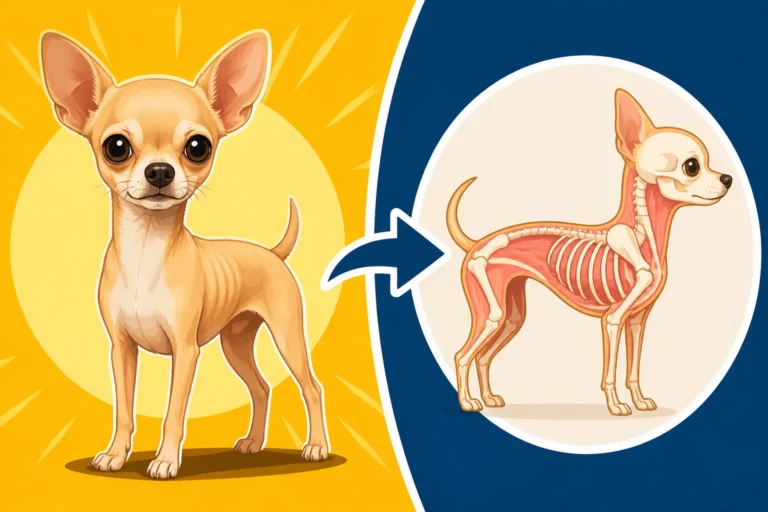
Think about it: a tiny Chihuahua has a much larger surface area-to-volume ratio compared to, say, a Labrador. This scientific fact means they lose body heat to the environment at a much faster rate. It's like having a tiny cup of hot coffee versus a large thermos – the tiny cup cools down much quicker. Your Chihuahua’s small size, while adorable, means their internal furnace has to work overtime to maintain that crucial core body temperature. When that furnace can't keep up, the body's natural response is to shiver. This involuntary muscle contraction generates heat, much like how you might shiver when stepping out into a chilly breeze. Even a slight draft from a window or an air conditioning vent can feel like a significant drop in temperature to them. This is one of the primary reasons Why a Chihuahua Has Almost No Body Fat plays such a critical role in their cold tolerance.
The Role of a Thin Coat
While some Chihuahuas boast beautiful long coats, many have incredibly short, sleek fur. Even those with longer hair often have a single coat rather than a dense double coat like a Husky or a Pomeranian. This thin coat offers very little insulation against the cold. Imagine trying to stay warm in a light t-shirt when everyone else is wearing a thick fleece. That's often what it feels like for a smooth-coat Chihuahua. Their skin is right there, exposed to the ambient temperature, with minimal buffer. This is especially true for puppies or very elderly Chihuahuas, whose thermoregulation might be even less efficient.
Because of this, many Chihuahua owners find themselves investing in a wardrobe for their tiny friends, from lightweight sweaters for indoor wear to heavier coats for outdoor excursions. Finding The Sweater Weight a Chihuahua Needs can make a huge difference in their comfort level, even within your own home. You might notice your Chihuahua actively seeking out sunbeams, burrowing deep under blankets, or snuggling extra close to you, all signs they're trying to generate or conserve heat.
Emotional and Behavioral Triggers for Shivering
It’s easy to assume all shivering is due to cold, but Chihuahuas are incredibly emotionally sensitive little creatures. Their shivering can often be a tell-tale sign of their inner emotional state, whether it's anxiety, fear, or even pure excitement. Learning to distinguish these emotional shivers from those caused by cold or illness is key to understanding your dog. As discussed in Telling Chihuahua Cold From Chihuahua Fear, the context is everything.
Stress, Anxiety, and the Startle Reflex
Chihuahuas, despite their mighty attitudes, can be prone to anxiety and fear. Their small size makes the world seem much larger and more intimidating. A sudden loud noise – a door slamming, a dropped pot, a vacuum cleaner starting up, or even a doorbell ringing – can trigger a strong startle response, manifesting as shivering. They might also shiver if they feel insecure, are in an unfamiliar environment, or sense tension in the household. It’s not uncommon for a Chihuahua to tremble during a car ride, a vet visit, or when meeting new people or dogs, even if they aren't overtly showing other signs of aggression or retreat. This is their body’s physiological response to perceived threat or uncertainty, a way to release pent-up nervous energy.
Long-term stress or anxiety can also lead to chronic trembling. If your Chihuahua shivers consistently, seemingly without an obvious cause, it's worth evaluating their daily routine, environment, and interactions for any underlying stressors. Sometimes, subtle changes you might not even notice can be profoundly unsettling for a small, sensitive dog. Understanding their body language – tucked tail, flattened ears, wide eyes – along with the shivering, can give you clues about their emotional state.
Over-excitement and Anticipation Shakes
On the flip side, Chihuahuas can also shiver purely out of intense joy or excitement. Have you ever seen your dog vibrate with anticipation when they realize you're getting their leash for a walk, or when you pull out their favorite treat? Those rapid, full-body shivers are often a clear sign of their enthusiasm bubbling over. This type of shivering usually comes with other happy body language: a wagging tail, bright eyes, little happy hops, and a general air of "I'm so excited I could burst!" It's adorable and a clear indicator of their vibrant personality.
This kind of shivering isn't a cause for concern; it's just your Chihuahua expressing their zest for life. It often happens when you arrive home after being out, when it's time for their dinner, or when they're about to engage in a favorite activity. While it might look similar to shivering from cold or fear, the context and accompanying body language will tell you everything you need to know. It's a joyful tremor, not one born of discomfort or distress.
Shivering as a Sign of Pain or Illness
While often benign, shivering can sometimes be a critical indicator that something is medically amiss with your Chihuahua. Because they can't tell us directly what's wrong, their physical behaviors, like shivering, become vital clues. It’s essential for every Chihuahua owner to be vigilant and recognize when shivering might signal a health issue that requires veterinary attention.
Low Blood Sugar (Hypoglycemia) Concerns
One of the most critical reasons a Chihuahua might shiver, particularly puppies, is hypoglycemia, or dangerously low blood sugar. Because of their tiny size and fast metabolisms, Chihuahuas, especially puppies, can burn through their blood sugar reserves incredibly quickly. If they miss a meal, over-exercise, or get too cold, their blood sugar can plummet. Shivering is an early sign, often accompanied by lethargy, weakness, an unsteady gait, or even confusion. It's a serious condition, and if left untreated, it can quickly lead to seizures or even unconsciousness. For more on this, you can check out Chihuahua Hypoglycemia and the Puppy Emergency.
If you suspect hypoglycemia, especially in a young puppy showing Trembling and Weakness in a Chihuahua Puppy, immediate action is necessary. Rubbing a small amount of corn syrup or a glucose gel onto their gums can often provide a rapid boost of sugar. However, this is just a temporary fix, and a vet visit is imperative to determine the underlying cause and ensure your Chihuahua stabilizes. Older Chihuahuas can also experience hypoglycemia, though it's less common and might be linked to other health conditions.
Pain, Discomfort, and Hidden Ailments
Shivering can also be a dog's way of coping with pain or discomfort. Just like humans might clench their jaw or tense their muscles when in pain, a Chihuahua might shiver. This could be due to a sudden injury, chronic joint pain, or even an internal ailment.
Consider conditions like Chihuahua Arthritis in the Teenage Years, where stiff, aching joints might cause them to tremble, especially after resting or when trying to move. Or perhaps they've had a minor fall that resulted in a muscle strain or bruise you can't easily see. Shivering can also be a symptom of more serious, systemic illnesses, such as kidney disease, liver issues, or even neurological problems. Some Chihuahuas are prone to conditions like Chihuahua Legg-Calve-Perthes Disease, a painful hip condition, where shivering could be a subtle sign of discomfort. Even heart conditions, like those discussed in Chihuahua Heart Disease as the Breed Ages, can sometimes present with shivering or weakness.
If your Chihuahua's shivering is accompanied by other worrying symptoms – limping, loss of appetite, vomiting, diarrhea, changes in breathing, unusual lethargy, or reluctance to be touched – do not hesitate to contact your veterinarian. They can perform a thorough examination and any necessary diagnostic tests to pinpoint the cause and get your little one the treatment they need.
How to Help a Shivering Chihuahua
Once you understand why your Chihuahua is shivering, you can take appropriate steps to help them. Whether it’s providing warmth, reducing anxiety, or seeking medical attention, proactive care makes all the difference for these tiny dogs.
Creating a Warm and Secure Environment
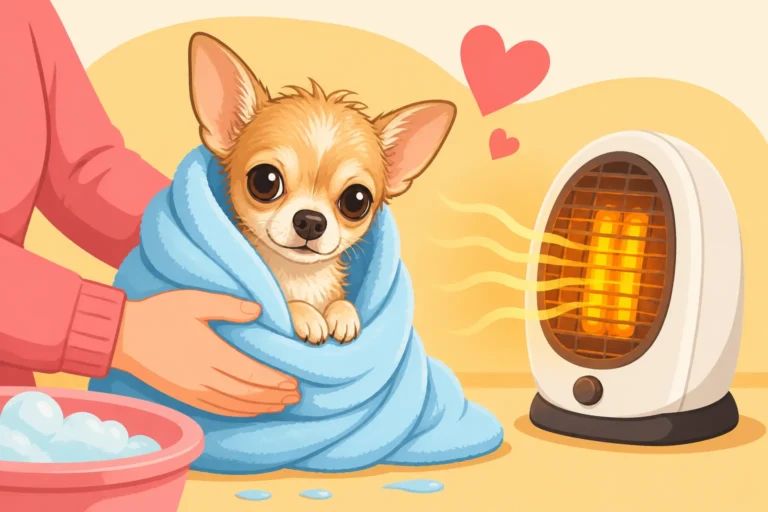
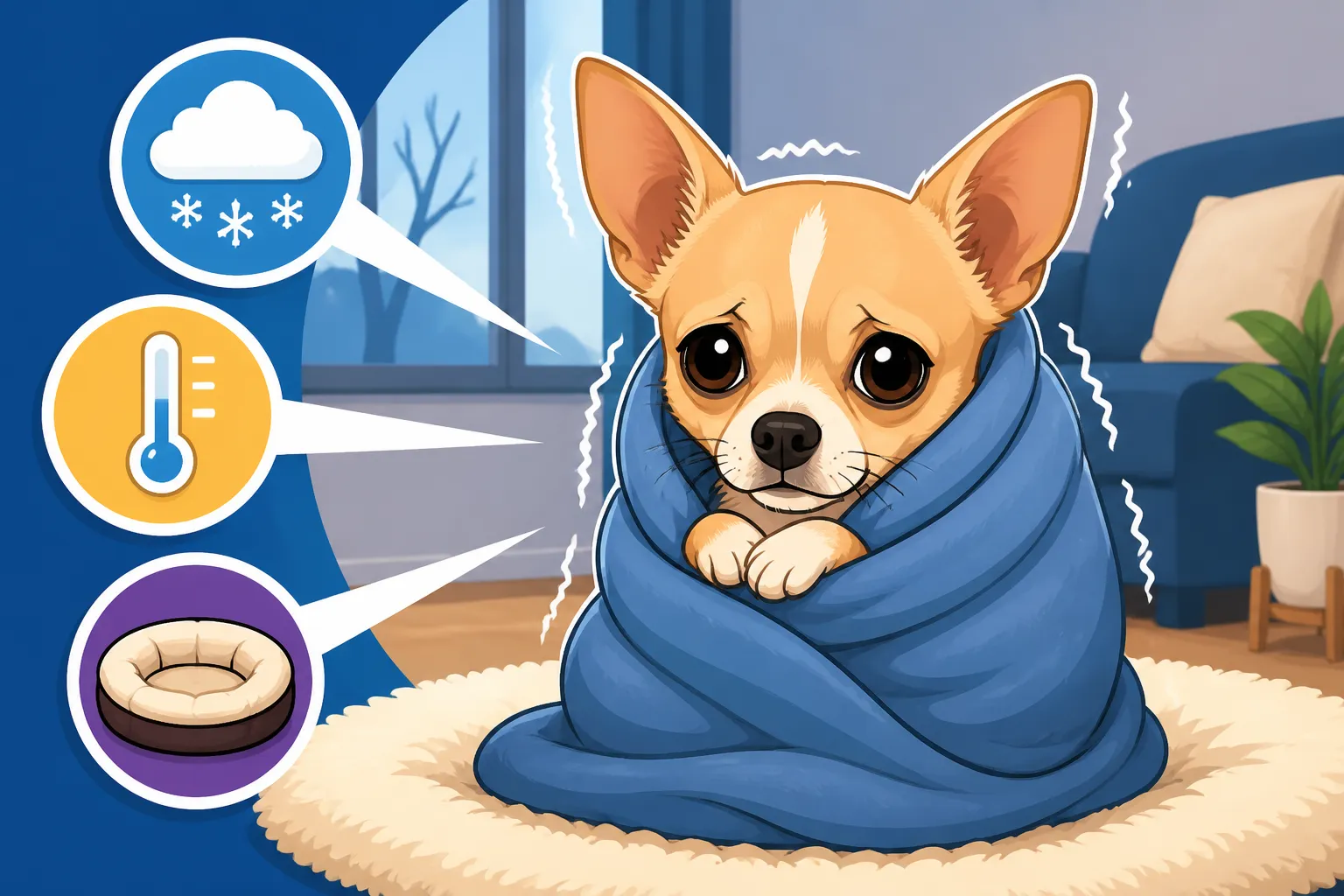
For Chihuahuas prone to cold, creating a consistently warm and draft-free environment is paramount. This doesn't mean you need to crank your thermostat to tropical levels, but being mindful of their specific needs is important. Consider their sleeping areas: a cozy bed with soft blankets they can burrow into can make a world of difference. Many Chihuahuas adore heated beds – just be sure to choose a reputable brand and ensure it's safe for continuous use, as discussed in Heated Beds and Whether They Are Safe. You can find various options for heated beds or self-warming pads on Chewy or Amazon.
During colder months, or if your home is simply a bit chilly, a sweater or a coat can provide much-needed insulation. These aren't just fashion statements for Chihuahuas; they are practical necessities. Make sure the clothing fits well, allowing them to move freely without restriction. Furthermore, pay attention to drafts from windows or doors. Small tweaks, like strategically placed pet beds away from high-traffic, breezy areas, can greatly enhance their comfort. Setting a Thermostat Around a Chihuahua is often more about understanding their needs than about just making the whole house hot.
Addressing Behavioral and Medical Causes
If you suspect your Chihuahua's shivering is due to fear or anxiety, the approach shifts from physical warmth to emotional security. Identify the triggers: is it loud noises, strangers, or being left alone? For fear of noises, consider a "safe space" like a crate draped with a blanket in a quiet corner. For separation anxiety, gradually increasing alone time and providing engaging puzzle toys can help. Positive reinforcement training can build confidence, and in some cases, a vet might recommend calming supplements or even anti-anxiety medication.
When shivering points to a medical concern, prompt veterinary attention is crucial. If it's low blood sugar, remember the emergency syrup and then head to the vet. For suspected pain, a vet can diagnose the issue, whether it's an injury, arthritis, or another underlying condition, and prescribe appropriate pain management or treatment. Never try to self-diagnose or medicate your Chihuahua for pain; their small bodies can react differently to medications than larger dogs, and proper dosing is critical.
Sometimes, adjusting their diet can also help with overall health and energy levels, indirectly impacting shivering. High-quality food, portioned correctly, can help stabilize blood sugar. Brands like Ollie offer fresh, portion-controlled meals that can be beneficial for managing a Chihuahua's specific dietary needs and preventing hypoglycemia.
Here's a quick overview of common shivering causes and what to look for:
| Cause | Common Signs Accompanying Shivering | What to Do |
|---|---|---|
| Cold | Ears cold to touch, seeking warmth, curled up tight, reluctant to move | Provide sweaters, blankets, heated bed, adjust room temperature |
| Fear/Anxiety | Tucked tail, flattened ears, wide eyes, pacing, panting, hiding | Identify triggers, create safe space, positive reinforcement, vet consult if severe |
| Excitement | Wagging tail, happy vocalizations, playful demeanor, bouncy | Enjoy the moment! This is normal. |
| Hypoglycemia | Lethargy, weakness, unsteady gait, disoriented, pale gums, collapse | Emergency! Rub corn syrup on gums, immediate vet visit |
| Pain/Illness | Limping, vocalizing when touched, loss of appetite, vomiting, lethargy, changes in breathing | Vet visit for diagnosis and treatment |
Understanding why your Chihuahua shivers is about being an observant and empathetic pet parent. Whether it's a simple case of needing a cozy blanket or a call for urgent medical care, paying attention to these tiny tremors can help you keep your small companion happy, healthy, and comfortable for many wonderful years.
Disclaimer
This article is for general informational purposes only and does not constitute professional advice. Laws, prices and regulations vary by location and change over time. Consult a qualified professional for guidance on your specific situation.