Chihuahua Clothing and Cold Weather Gear
It's a sight many Chihuahua owners know all too well: your little companion is shivering, teeth chattering, even when you feel perfectly comfortable inside your home. This isn't just them being dramatic or 'cute'; it's a genuine physiological response to cold due to their unique build. Understanding why your Chihuahua gets cold so easily and what practical steps you can take, like choosing the right clothing and gear, is crucial for their health and comfort, especially as the seasons change.
Why Chihuahuas Get Chilly So Easily
Many people, even experienced dog owners, don't fully grasp just how susceptible Chihuahuas are to the cold. It’s not simply a matter of preference; it’s rooted in their biology. These tiny dogs have specific physical traits that make them far less equipped to handle low temperatures than larger, furrier breeds. A Chihuahua shivering is rarely a sign of being mischievous; it's a clear signal that they are genuinely feeling the chill.
Lack of Insulating Body Fat
One of the primary reasons your Chihuahua turns into a little shivering machine at the slightest drop in temperature is their remarkably low body fat percentage. Unlike breeds like Labradors or Huskies, who carry a natural layer of insulation beneath their skin, Chihuahuas are lean. Think of it this way: a human wearing a thin shirt in winter will feel the cold much faster than someone bundled up in a thick down jacket. Your Chihuahua's body is like that thin shirt, offering very little inherent protection against cold.
This lack of fat means their bodies have a harder time maintaining a stable core temperature when exposed to cold air, even if it's just a draft in your living room. Their tiny frames have less surface area for heat generation relative to their overall body mass, and less fat to hold onto that heat. This often leads to them feeling cold much sooner and more intensely than you might expect, even indoors. It's a fundamental difference that dictates a need for external warmth.
Small Size and High Surface Area to Volume Ratio
Another major factor contributing to your Chihuahua's susceptibility to cold is their diminutive size. While adorably small, their tiny stature gives them a high surface area to volume ratio. In simple terms, this means they have a lot of skin exposed to the cold for their overall body mass, causing them to lose heat rapidly to the environment. Imagine trying to keep a small cup of hot water warm compared to a large pot; the smaller cup will cool down much faster because more of its hot surface is exposed.
This rapid heat loss is compounded by their short legs, which often bring their small bodies closer to cold surfaces like frosty ground, concrete, or even cold floorboards inside. When they are out for a walk, their belly and chest are very close to the cold ground, making them lose heat even faster. This constant battle against heat loss means their little bodies have to work overtime to stay warm, which can quickly lead to exhaustion and a drop in body temperature.
Thin Coats and Limited Natural Protection
While Chihuahuas come in both smooth coat and long coat varieties, neither offers the kind of dense, insulating fur found on many other breeds designed for colder climates. Even long-haired Chihuahuas, with their beautiful flowing locks, don't have a thick undercoat to trap warmth. Their fur is primarily a single layer, which provides some protection but is nowhere near sufficient for true cold weather.
The smooth coat variety, often referred to as short-haired, offers even less insulation. It's like wearing a light jacket in winter when you really need a heavy coat. For these Chihuahuas, a brisk autumn day can feel like a freezing winter blast. This is why you'll often see them shivering uncontrollably, even when the thermometer hasn't dipped below freezing. They simply don't have the natural armor against the elements that many other dogs possess, making external clothing a necessity rather than a luxury.
Essential Cold Weather Clothing Items
When it comes to keeping your Chihuahua cozy and safe during colder months, clothing isn't just about fashion; it's about function. Just like we layer up, our tiny canine companions often need a wardrobe that goes beyond a simple T-shirt. Investing in the right gear can make all the difference in their comfort and health. It's not about making them look silly; it's about providing essential insulation.
Sweaters for Everyday Warmth
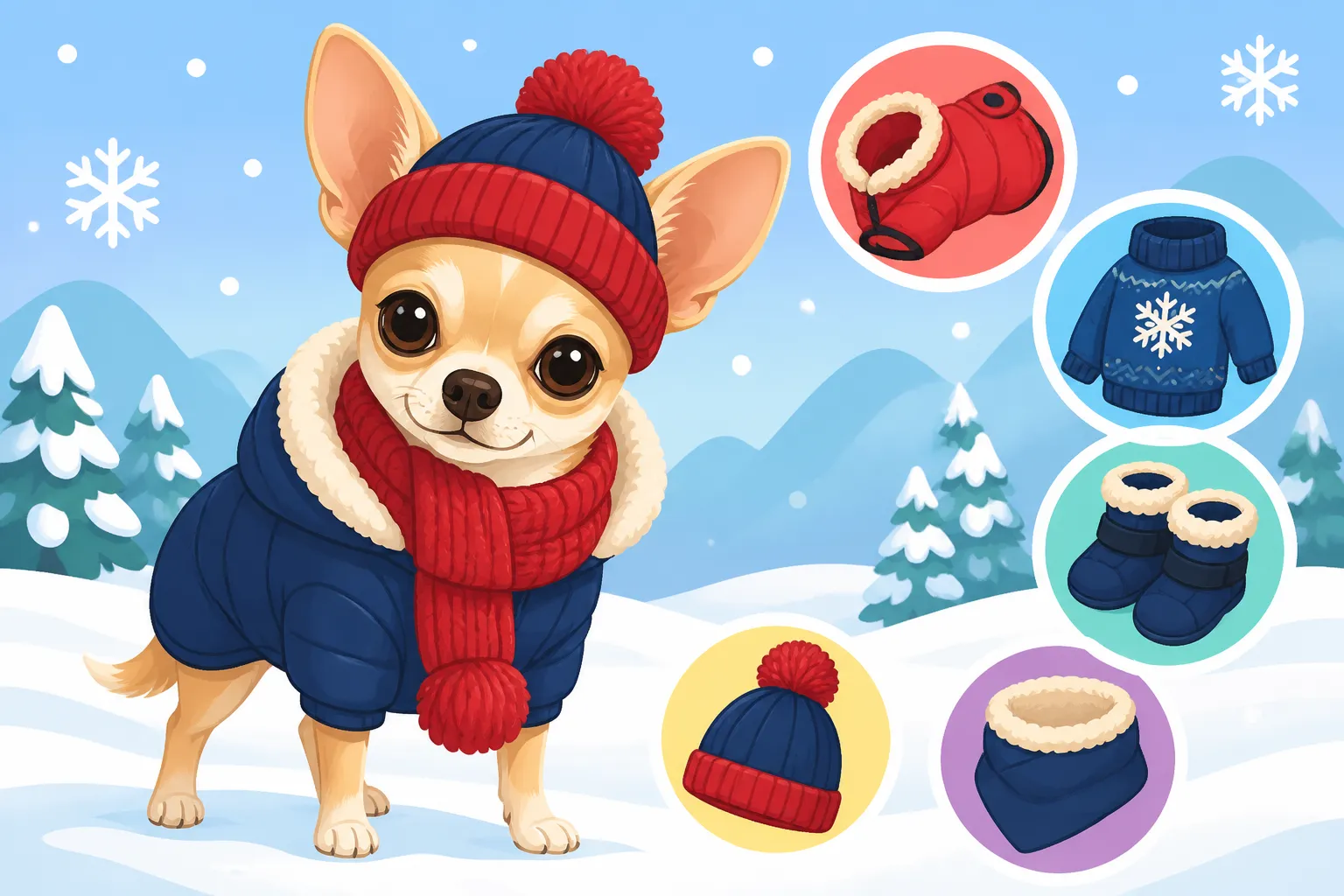
Sweaters are perhaps the most common and versatile piece of clothing for Chihuahuas, and for good reason. They provide a foundational layer of warmth, perfect for chilly indoor environments, brisk walks on cool days, or as an underlayer when it gets really cold. A good sweater should cover your Chihuahua's back and chest, offering consistent warmth without restricting movement.
When choosing a sweater, look for soft, breathable materials like fleece, wool blends, or even good quality cotton. Avoid anything scratchy or stiff that might irritate their delicate skin. The fit is crucial: it should be snug enough to trap body heat but not so tight that it pinches or rubs, especially around the armpits or belly. Sweaters are ideal for when the temperature dips but isn't extreme, like a crisp autumn morning or an air-conditioned house in summer. Brands like Chewy offer a fantastic array of styles and materials, making it easy to find something that fits your pup perfectly.
Coats and Jackets for Outdoor Protection
For outdoor excursions when the weather is truly cold, wet, or windy, a proper coat or jacket is indispensable. These are typically more substantial than sweaters, often featuring water-resistant or waterproof outer shells and thicker insulation. Think of them as your Chihuahua's version of a winter parka. They are designed to protect against the elements, keeping your dog dry and warm even during prolonged exposure.
Look for coats that cover the majority of your Chihuahua's back and chest, extending down towards their tail for maximum coverage. Many come with hoods for extra head and ear protection, which can be a huge bonus in snowy or windy conditions. Features like reflective strips for nighttime visibility, adjustable closures, and an integrated harness hole are all signs of a well-designed, practical coat. These are essential for walks when the temperature drops low, providing a barrier against biting winds and freezing precipitation, which can quickly lead to hypothermia in a tiny dog.
Boots for Paw Protection
While often overlooked, paw protection is just as important as body warmth, especially in winter. Snow, ice, de-icing salts, and even extremely cold pavement can cause severe damage to your Chihuahua's delicate paw pads. Frostbite is a real concern, and chemical irritants like rock salt can cause painful burns or be ingested when your dog licks their paws clean. This is where a good pair of dog boots comes in.
Getting your Chihuahua used to wearing boots can take some patience, but it’s well worth the effort. Start with short periods indoors, rewarding them heavily. Look for boots that are flexible, offer good traction, and have secure closures (Velcro straps often work best) to prevent them from slipping off. They should fit snugly but not constrict blood flow. Boots protect against everything from sharp ice shards to painful chemicals, ensuring your pup's paws stay healthy and comfortable during their outdoor adventures.
| Clothing Item | Primary Use | Key Features | Best Materials | Considerations |
|---|---|---|---|---|
| Sweater | Everyday warmth, mild cold, layering | Covers back/chest, easy on/off | Fleece, wool blend, soft cotton | Snug but not tight, check armpits |
| Coat/Jacket | Outdoor protection, severe cold, wet | Water-resistant/proof outer, insulation, good coverage | Nylon, polyester blend, fleece lining | Reflective elements, harness hole, full back/belly coverage |
| Boots | Paw protection from elements | Flexible sole, traction, secure closure | Rubber, neoprene, waterproof fabric | Requires training, proper sizing crucial to stay on |
| Pajamas/Bodysuit | Indoor warmth, prevent drafts, skin protection | Full body coverage, lightweight | Soft cotton, light fleece | Good for hairless Chihuahuas, or extra warmth at night |
| Neck Warmer/Snood | Neck & ear warmth | Soft, stretchy fabric | Fleece, knit | Useful for dogs with very thin fur or sensitive ears |
Beyond Sweaters: Specialized Gear for Extreme Cold
Sometimes, a basic sweater or even a standard winter coat isn't enough. For Chihuahuas living in regions with truly harsh winters, or for those who spend more time outdoors (even if just for potty breaks), specialized cold weather gear becomes a non-negotiable part of their wardrobe. These items provide targeted protection that goes above and beyond the everyday.
Insulated Winter Parkas
When temperatures plummet well below freezing, or you're dealing with significant snow and ice, an insulated winter parka designed for extreme cold is what your Chihuahua needs. These aren't just thicker coats; they often feature advanced insulation technologies, similar to what you'd find in high-performance human winter wear. They are designed to trap maximum body heat and block out biting winds, often incorporating multiple layers of fabric and specific thermal linings.
Look for features like a full-coverage design that protects the chest and belly, which are particularly vulnerable on a low-slung Chihuahua. Many parkas also include integrated harnesses or leash attachments, and perhaps even elastic leg loops to keep the coat from shifting during movement. Some even have internal fleece linings that are ultra-soft against your dog's skin. These heavy-duty parkas are crucial for keeping your tiny friend safe from serious cold, allowing them to do their business outside without risking hypothermia. Consider checking options from brands like Ruffwear or Hurtta, which often prioritize function and extreme weather protection.
Heated Beds and Blankets
Even with the best clothing, a Chihuahua can still struggle to stay warm indoors, especially if your home has drafts or you keep the thermostat a bit lower. This is where heated beds and blankets can be an absolute lifesaver. These products provide a consistent, gentle warmth that helps your Chihuahua relax and maintain their core body temperature without having to expend extra energy shivering. Remember, Chihuahuas lack Why a Chihuahua Has Almost No Body Fat, making them less efficient at generating their own warmth.
There are various types available, from self-warming mats that reflect your dog's own body heat back to them, to electrically heated pads with temperature controls. Always prioritize safety: look for products with low voltage, automatic shut-offs, and chew-resistant cords. Place these cozy spots in their favorite napping areas – their crate, dog bed, or even a spot on the sofa. A heated bed can provide immense comfort, particularly for older Chihuahuas who might suffer from arthritis or those who are prone to Chihuahua Hypoglycemia and the Puppy Emergency if their body temperature drops too low.
Neck Warmers and Snoods
While a coat covers the body, a Chihuahua's neck and ears are often exposed, making them vulnerable to cold, especially in windy conditions. This is where neck warmers or snoods come in handy. These stretchy fabric tubes or collars fit around your dog's neck, extending up to cover their ears if needed. They provide an extra layer of warmth where fur might be thin, and also offer protection against chilly drafts.
Snoods are particularly useful for long-eared Chihuahuas, keeping their ears warm and preventing windburn. They also help keep the neck muscles warm and supple, which can be beneficial for dogs prone to neck pain or stiffness. Look for soft, non-restrictive materials like fleece or a thick knit. They should be easy to slip on and off and comfortable enough that your dog doesn't try to remove them. This small addition can make a big difference in overall comfort, especially for dogs who spend even short periods outside in blustery weather.
Sizing and Fit: Getting It Right for Your Tiny Friend
Choosing the right size and ensuring a proper fit for your Chihuahua's clothing is paramount. An ill-fitting garment is not only uncomfortable but can also be ineffective at providing warmth and, in some cases, even dangerous. There's nothing more frustrating than buying an adorable outfit only to find it bunches up, slides off, or chafes your little one.
Accurate Measurement is Key
Forget about guessing your Chihuahua's size based on their weight or what "size small" typically means in a human store. Dog clothing sizes are notoriously inconsistent across brands. The only way to ensure a good fit is to take accurate measurements of your individual dog. You'll generally need three key measurements:
- Back Length: Measure from the base of the neck (where the collar sits) to the base of the tail. This dictates how much of their back will be covered.
- Chest Girth: Measure around the widest part of their chest, just behind their front legs. This is the most crucial measurement for ensuring the clothing isn't too tight or too loose.
- Neck Girth: Measure around the base of their neck, where a collar would naturally rest.
Always use a soft measuring tape and make sure your Chihuahua is standing up straight and relaxed. Don't pull the tape too tight, but ensure it's snug against their fur. Write these measurements down and compare them to the specific sizing chart provided by the clothing manufacturer, as these charts can vary significantly. Sometimes it helps to add an inch to the chest measurement for comfort and ease of movement, especially if your Chihuahua is particularly barrel-chested or has a lot of fur.
Avoiding Common Fitting Issues
Even with accurate measurements, certain fitting issues can arise, especially with such tiny and uniquely proportioned dogs like Chihuahuas. Being aware of these common problems can help you spot and avoid them before they cause discomfort.
One frequent issue is clothing that is too tight around the armpits, leading to chafing and restricted movement. Your Chihuahua should be able to walk, run, and jump freely without the garment pulling or rubbing. Similarly, if a sweater or coat is too loose around the chest or neck, it won't trap body heat effectively and might get tangled in their legs, posing a tripping hazard. For a successful fit, clothing should allow for full range of motion, particularly in their delicate shoulders and elbows.
Another common complaint is clothing that is too long or too short. If it's too long, it can interfere with potty breaks, getting soiled. If it's too short, it leaves large portions of their back and chest exposed, defeating the purpose of the clothing. The goal is maximum coverage without hindering their ability to relieve themselves or move about comfortably. Always prioritize function and comfort over aesthetics when choosing sizes.
Ensuring Freedom of Movement
The best-fitting piece of clothing is one your Chihuahua hardly notices they're wearing. It should move with them, not against them. After putting on a new item, observe your Chihuahua carefully. Do they walk normally, or are they stiff-legged or reluctant to move? Do they try to chew or scratch at the garment constantly? These can be signs of discomfort.
Pay particular attention to areas around their joints – shoulders, elbows, and hips. There should be no constriction that limits their natural gait or ability to stretch. For a dog that might already be prone to issues like Patellar Luxation, the Chihuahua's Commonest Joint Problem, restricting movement in ill-fitting clothing could exacerbate existing conditions or cause new discomfort. A garment that allows your Chihuahua to play, explore, and relax without hindrance is the ultimate goal. Don't be afraid to try a size up or down if the first choice isn't perfect; sometimes an adjustment in length or girth can make all the difference.
Materials Matter: Choosing Fabrics for Warmth and Safety
The material of your Chihuahua's clothing is just as important as the fit. Different fabrics offer varying degrees of warmth, breathability, and protection, and choosing wisely can greatly enhance your dog's comfort and safety. You wouldn't wear a thin cotton shirt to go skiing, and your Chihuahua shouldn't either.
Warmth Without Bulk
For Chihuahuas, the ideal clothing material offers significant warmth without adding excessive bulk. Their tiny frames can easily be overwhelmed by thick, heavy fabrics that restrict movement or cause them to overheat when moving indoors. Lightweight fleece is an excellent choice for sweaters and linings because it's soft, insulating, and surprisingly warm for its weight. Wool blends also provide superior warmth, often wicking away moisture to keep your pup dry.
For outer layers like coats, look for technical fabrics that are both windproof and water-resistant or waterproof. Materials like ripstop nylon or polyester blends with a DWR (durable water repellent) finish are fantastic for keeping your Chihuahua dry in rain or snow. These materials are also typically lightweight, allowing for freedom of movement. Remember that wet fur loses its insulating properties quickly, so keeping them dry is a key part of keeping them warm. When considering options, explore the wide range of materials available on sites like Chewy, which often highlight the specific benefits of each fabric.
Breathability and Comfort
While warmth is crucial, breathability is equally important, especially if your Chihuahua will be wearing their clothing for extended periods or during light activity. A breathable fabric allows moisture and excess heat to escape, preventing your dog from becoming clammy or overheating. Trapped moisture can lead to skin irritation or even chills once they stop moving.
Softness against the skin is also a major comfort factor. Chihuahuas have delicate skin, and scratchy or stiff materials can cause irritation, rubbing, or even hair loss over time. Look for fabrics that feel smooth and gentle, particularly around the chest, belly, and armpits. Materials like soft cotton, bamboo blends, or microfleece are excellent choices for inner layers or everyday sweaters because they are comfortable and less likely to cause irritation. Always check for any tags or seams that might rub against your Chihuahua's skin and cause discomfort.
Safety Considerations
Beyond warmth and comfort, certain safety aspects should influence your material choices. If your Chihuahua spends any time outdoors in low light, reflective materials or bright colors on their coats are essential for visibility. This is especially important for breeds that are so small they can easily be missed by drivers or cyclists.
Additionally, consider the material's durability and ease of cleaning. Chihuahua clothing often gets dirty, whether from muddy walks or occasional accidents. Machine-washable fabrics that hold up well to repeated washing are practical. Avoid clothing with small, easily detachable embellishments like buttons, sequins, or dangling ties, as these can pose a choking hazard for your curious pup. When choosing materials, always prioritize your Chihuahua's overall well-being and safety.
Getting Your Chihuahua Used to Wearing Clothes
It's one thing to buy your Chihuahua a fabulous new wardrobe, and quite another to get them to actually wear it. Many dogs, especially those not introduced to clothing early on, can be resistant or even frightened by the sensation. Patience, positive reinforcement, and a gradual approach are your best friends here.
Start Young and Make it Positive
The easiest time to introduce clothing is when your Chihuahua is a puppy. Their minds are sponges, and they're generally more open to new experiences. Start with something very lightweight and simple, like a soft, loose-fitting T-shirt or a thin sweater. The key is to make every experience with clothing a positive one.
Pair the introduction of clothing with high-value treats and praise. Let them sniff the garment first. Gently place it on them for just a few seconds, immediately rewarding them with a tasty treat and enthusiastic praise, then take it off. Gradually increase the duration they wear it. If they show any signs of stress – flattening ears, lip licking, trying to escape – back off and try again later for a shorter period. The goal is to build a positive association, not to force it, which could create a lifelong aversion. This technique works for Getting a Chihuahua Used to Wearing Clothes for all ages, but young puppies usually adapt fastest.
Gradual Introduction and Distraction
For adult Chihuahuas or those who are particularly wary, a slow and steady approach is vital. Don't try to put on a full winter coat with multiple buckles on the first attempt. Start with the simplest item, like a soft slip-on sweater.
- Phase 1: Association: Let the garment sit near their bed or food bowl for a few days so they get used to its presence and smell. Reward them for calm interactions with it.
- Phase 2: Touch: Gently touch the garment to their back, rewarding immediately. Repeat this several times until they are comfortable.
- Phase 3: Partial Wear: Slip their head through a neck opening or one paw through an armhole, rewarding profusely. Remove quickly.
- Phase 4: Full Wear (Short Durations): Once they tolerate partial wear, put the garment on completely for a very short duration (10-30 seconds), immediately followed by high-value treats, praise, and then removal.
- Phase 5: Increase Duration: Gradually increase the time they wear it, always ending on a positive note before they get uncomfortable. Distract them with play or a meal while wearing it.
Remember, every step should be accompanied by positive reinforcement. You can use their mealtime as an opportunity, putting on the garment just before you serve their food. This creates a strong positive association and can override any initial reluctance.
Observing Body Language and Comfort
Your Chihuahua's body language will tell you everything you need to know about their comfort level. Look for signs of stress or discomfort:
- Lip licking or yawning: Can indicate stress.
- Tail tucked: A clear sign of fear or discomfort.
- Freezing or stiff posture: They might be trying to "shake off" the clothing or are simply uncomfortable.
- Excessive scratching or biting at the garment: They want it off!
- Reluctance to move: If they act like they've forgotten how to walk, it's too much for them.
If you see these signs, it's time to take a break and reassess. Maybe the garment is uncomfortable, too tight, or they simply aren't ready for that stage yet. Push too hard, and you risk creating a negative association that makes future attempts even harder. Some Chihuahuas may never fully love wearing clothes, but with patience, most can learn to tolerate or even enjoy the extra warmth and comfort, especially when they associate it with going outside or getting treats.
Other Cold Weather Considerations
While clothing is a major component of keeping your Chihuahua warm, it's only one piece of the puzzle. There are many other proactive steps you can take to ensure their safety and comfort when temperatures drop. Thinking holistically about their environment, diet, and daily routine can make a significant difference.
Indoor Temperature and Drafts
Your Chihuahua's primary environment is likely indoors, so maintaining a comfortable indoor temperature is crucial. What feels comfortable to you might still be too chilly for your tiny dog. Chihuahuas thrive in warmer environments, generally preferring temperatures in the mid to high 70s Fahrenheit (around 24-26 Celsius). Anything below 68°F (20°C) can start to feel quite cold for them, especially if they are stationary.
Beyond the thermostat, be mindful of drafts. Cold air can seep in through ill-fitting windows, doors, or even vents, creating cold spots on the floor where your Chihuahua spends much of their time. Place their beds in warm, draft-free areas, and consider adding extra blankets or even a heated pad to their sleeping spots. Blocking drafts with weather stripping or draft stoppers can make a huge difference in their overall comfort. Your Chihuahua might love to burrow, which is a natural instinct to stay warm, so provide plenty of soft blankets for them to tunnel into. Setting a Thermostat Around a Chihuahua is a key aspect of their daily care.
Nutrition and Hydration
Maintaining proper nutrition and hydration is vital for your Chihuahua's ability to regulate their body temperature and stay healthy in cold weather. Just like humans, dogs burn more calories trying to stay warm when it's cold. This means ensuring your Chihuahua is receiving an adequate, high-quality diet that supports their energy needs.
Consult your vet or a nutritionist to determine if your Chihuahua's caloric intake needs a slight adjustment during colder months, especially if they are spending more time outdoors or are naturally very lean. Brands like Ollie provide fresh, portion-controlled meals that can help ensure your Chihuahua gets balanced nutrition. Additionally, always make sure they have access to fresh, unfrozen water. Dehydration can be just as much of a risk in winter as in summer, as dry indoor air and increased activity (even shivering) can lead to fluid loss. A healthy, well-nourished Chihuahua is better equipped to fight off the chill.
Outdoor Activity and Supervision
While it's tempting to bundle your Chihuahua up and let them play in the snow, caution and close supervision are essential for The Coldest Temperature to Walk a Chihuahua. Their small size and low body fat mean they can succumb to hypothermia and frostbite much faster than larger breeds. Shorten outdoor walks significantly when temperatures are very low, or when there's heavy snow, ice, or wind.
Focus on quick potty breaks and then bring them back inside to warm up. If they love to play, consider indoor games like fetch or hide-and-seek to meet their Chihuahua Exercise Needs Every Day without exposing them to harsh elements. Never leave a Chihuahua unsupervised outside in cold weather, even for a moment. Their small size makes them vulnerable not only to the elements but also to predators like hawks or larger animals. After any outdoor excursion, immediately check their paws for ice, snow, or de-icing chemicals, and dry them thoroughly to prevent chilling. Chihuahua Paw Protection on Ice and Salt is non-negotiable for winter walks.
Common Mistakes and How to Avoid Them
Even with the best intentions, Chihuahua owners can sometimes make mistakes when it comes to keeping their tiny companions warm. Understanding these common pitfalls can help you provide optimal care and avoid unnecessary discomfort or health risks for your beloved pup.
Over-Bundling Indoors
While it's true that Chihuahuas get cold easily, there's a fine line between providing adequate warmth and over-bundling them indoors. Constantly wearing heavy sweaters or multiple layers inside a warm house can lead to overheating, especially if your Chihuahua is active or your home is already toasty. Overheating can be just as dangerous as being too cold, leading to dehydration, lethargy, or even heatstroke.
Observe your Chihuahua for signs of overheating: excessive panting, seeking out cool spots on the floor, or reluctance to move. If they are wearing a heavy sweater and curled up under a pile of blankets in a warm room, they might be too hot. Adjust their indoor clothing based on the actual temperature of your home and their activity level. Often, a single lightweight sweater is sufficient for indoor warmth, or a soft blanket they can choose to burrow into. The key is to provide options so they can regulate their own temperature as much as possible.
Ignoring Paw and Ear Protection
Many owners focus heavily on body clothing but neglect crucial areas like paws and ears. As mentioned earlier, paws are highly susceptible to frostbite, chemical burns from de-icing salts, and injuries from sharp ice. Ears, especially the large, erect ears common in Chihuahuas, can also get very cold and are prone to windburn or frostbite in extreme conditions.
Make paw protection a priority for any outdoor winter excursions. Introduce boots gradually and patiently, as it's an investment in their health. For ear protection, consider snoods or coats with hoods that adequately cover their ears. Some Chihuahuas might resist ear coverings, but even a warm neck scarf can help by retaining heat around the head. Never assume that because their body is covered, the rest of them is automatically safe. A comprehensive approach means considering all exposed areas.
Assuming All Shivering Means Cold
It's a common misconception that all shivering in a Chihuahua directly equates to being cold. While it's certainly the most frequent reason, Chihuahuas can also shiver due to excitement, anxiety, fear, pain, or even low blood sugar (hypoglycemia). If your Chihuahua is shivering profusely but is warm to the touch, has just eaten, is in a warm environment, and doesn't seem to have been exposed to cold, consider other possibilities.
If the shivering is accompanied by other symptoms like lethargy, weakness, vomiting, or changes in behavior, it's crucial to consult your veterinarian immediately. For example, a sudden onset of intense shivering could be a sign of a more serious underlying health issue or a painful condition like Chihuahua Back and Neck Pain. While it's always better to err on the side of caution and provide warmth, it's also important to be observant enough to differentiate between simple cold and other potential health concerns. If you have pet insurance like Healthy Paws, any unexpected vet visits for such issues can be less of a financial burden.
Disclaimer
This guide is intended for informational purposes only and does not constitute professional veterinary advice. Always consult with a qualified veterinarian for any health concerns or before making any decisions about your Chihuahua's care, diet, or medical treatment.