Chihuahua Bladder Stones and Diet
It's absolutely heartbreaking when your tiny Chihuahua starts showing signs of discomfort, especially when it comes to something as basic and essential as urinating. The struggles of frequent, painful potty breaks, or worse, finding little puddles of blood, can be incredibly distressing for both you and your beloved companion. This comprehensive guide is here to walk you through everything you need to know about Chihuahua bladder stones, why these little dogs seem so prone to them, and how targeted dietary changes can make a world of difference in managing and preventing these painful conditions.
Understanding Chihuahua Bladder Stones: The Tiny Pains in a Little Bladder
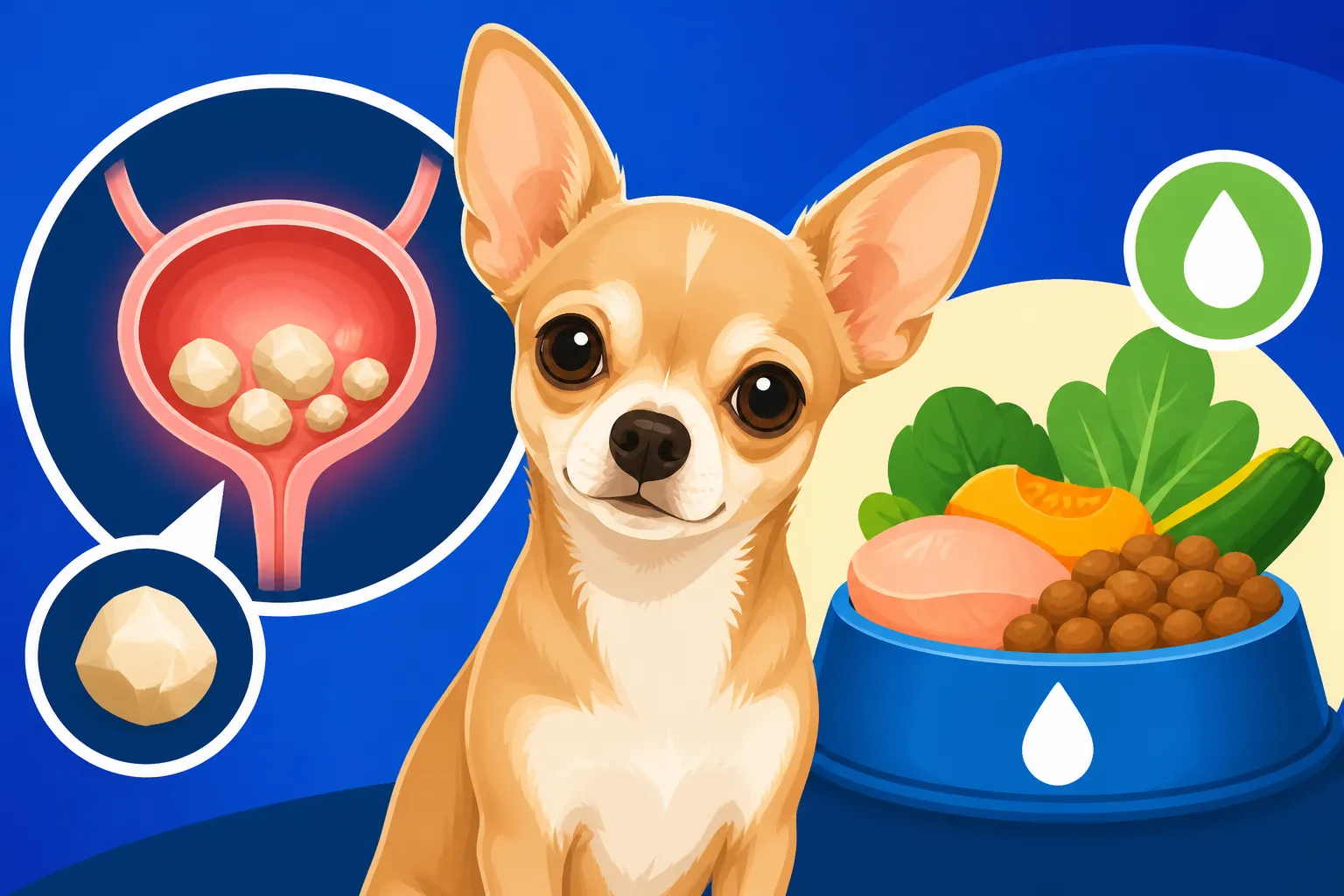
Bladder stones, or uroliths, are essentially mineral concretions that form in a dog's urinary bladder. Imagine tiny, sometimes not-so-tiny, rocks rattling around in an organ that's designed to be soft and flexible. For a Chihuahua, whose bladder is already small, these stones can cause immense pain, blockages, and serious health complications. It's a frustrating reality that our little companions often face unique health challenges, and bladder stones are certainly one of them.
Types of Bladder Stones Chihuahuas Get
Just like us, Chihuahuas can develop different types of bladder stones, and understanding which kind your dog has is crucial for effective treatment and prevention. It's not a one-size-fits-all situation; what works for one type of stone might actually make another worse. The most common culprits we see in Chihuahuas are struvite and calcium oxalate, though urate stones are also a concern, particularly in certain breeds.
Struvite stones typically form in urine that is too alkaline and are often associated with urinary tract infections (UTIs). Bacteria in the bladder can produce an enzyme that raises the pH of the urine, creating the perfect environment for these magnesium ammonium phosphate crystals to clump together and form stones. These stones are usually smooth and somewhat round.
Calcium oxalate stones, on the other hand, usually form in acidic urine. Unlike struvite, they are not typically caused by infection, though a UTI can sometimes be a secondary issue. These stones are often sharp and jagged, which can cause more irritation and bleeding. There's a strong genetic component to calcium oxalate stones, and smaller breeds like Chihuahuas seem particularly predisposed. Urate stones are less common but can occur, especially in Chihuahuas with a liver shunt or those with genetic predispositions that affect purine metabolism, leading to excessive uric acid in the urine. Cystine stones are another rare type, usually linked to a genetic defect in amino acid transport.
Recognizing the Signs and Symptoms
It can be incredibly upsetting to watch your little one struggle, and recognizing the signs of bladder stones early can spare them a lot of pain and potentially life-threatening complications. Because Chihuahuas are so small, even a small stone can cause significant problems or even a complete blockage of the urethra, which is a medical emergency.
The most common signs are related to urination. You might notice your Chihuahua straining to urinate, often crouching for a long time without producing much, or any, urine. They might start having accidents in the house, even if they're perfectly house-trained, simply because they can't hold it or the urge is constant and painful. Frequent urination, often producing only tiny amounts, is another red flag. Many owners report seeing blood in their Chihuahua's urine, which can range from a faint pink tinge to a noticeable red. This happens because the stones irritate or scratch the delicate lining of the bladder.
Other symptoms can include licking their genital area excessively, crying out during urination, or becoming restless and uncomfortable. Some dogs might even develop a hunched posture due to abdominal pain. If your Chihuahua, particularly a male, completely stops urinating or is attempting to urinate but nothing comes out, this is an urgent situation. A blocked urethra can lead to kidney damage and death within a day or two if not addressed immediately. Don't hesitate to call your vet right away if you suspect a blockage.
Diagnosing the Problem
When you bring your Chihuahua to the vet with these symptoms, they'll usually start with a thorough physical exam and gather information about your dog's history. This is where your detailed observations become invaluable. The next step is typically a urinalysis, which checks the urine for blood, crystals, bacteria, and pH levels. This gives the vet a lot of clues about what might be going on. If bacteria are present, a urine culture might be performed to identify the specific type and determine the best antibiotic.
However, a urinalysis alone isn't always enough to confirm bladder stones because not all stones show up as crystals in the urine, and vice-versa. Imaging is usually necessary. X-rays are a common tool, as many types of stones (especially struvite and calcium oxalate) are radio-opaque, meaning they show up clearly on an X-ray. Your vet might take a few different views to ensure they don't miss anything. For stones that aren't visible on X-ray, or for a more detailed look at the bladder wall and surrounding structures, an ultrasound is often performed. This provides a real-time view and can detect even small stones or sludge. Sometimes, both X-rays and ultrasound are used to get a complete picture. Early detection through regular check-ups can sometimes reveal potential issues before they become severe, highlighting the importance of preventative care, especially for Senior Chihuahua Care Past the Age of Twelve and beyond.
Why Chihuahuas Are Prone to Bladder Stones: A Breed-Specific Predicament
It feels unfair, doesn't it? Our little Chihuahuas, already prone to things like Chihuahua Dental Disease in a Crowded Small Jaw and delicate knees, also have to contend with bladder stones more frequently than many other breeds. There are specific reasons why these tiny dogs seem to draw the short straw when it comes to urinary health.
Genetic Predisposition and Breed-Specific Risks
Chihuahuas, like many small breeds, carry a genetic blueprint that can make them more susceptible to certain health issues. For calcium oxalate stones, in particular, there's a recognized genetic component. Some Chihuahuas simply have kidneys that excrete more calcium into their urine, or their urinary tract environment is just right for these specific crystals to form. This isn't something an owner causes; it's simply part of their genetic makeup. It's why responsible breeders will often conduct The Health Tests a Chihuahua Breeder Should Run to try and minimize the risk of passing on predispositions to various conditions, including some that might impact urinary health indirectly.
Their small anatomy also plays a role. A Chihuahua's bladder and urethra are tiny. This means that even a small stone can cause a complete blockage, especially in male Chihuahuas whose urethras are narrower and longer. In a larger dog, a stone of the same size might pass more easily or cause fewer symptoms. Their metabolism can also be a factor; little bodies sometimes process nutrients and minerals differently, which can influence urine pH and mineral concentration.
Dietary Factors That Contribute
Diet is a massive piece of the puzzle when it comes to bladder stones. What goes into your Chihuahua's bowl directly impacts the chemistry of their urine. Feeding practices often geared towards larger breeds, or even common misconceptions about what's healthy, can inadvertently set up a Chihuahua for stone development.
For instance, diets high in magnesium, phosphorus, and protein can contribute to struvite stone formation if the urine is also alkaline and an infection is present. Conversely, diets high in calcium or oxalates can increase the risk of calcium oxalate stones. Many commercial dog foods, especially those not formulated with urinary health in mind, might contain levels of these minerals that are perfectly fine for most dogs, but could be problematic for a predisposed Chihuahua. Also, an imbalance in protein, sodium, and specific vitamins (like B6) can contribute to stone formation in susceptible individuals. It's truly a balancing act, and for a dog that needs only Feeding a Chihuahua on Two Hundred Calories a Day, every ingredient really counts.
Hydration, or lack thereof, is another huge dietary factor. Dogs that don't drink enough water produce more concentrated urine. This means the minerals are less diluted, making them more likely to crystallize and form stones. Many Chihuahuas, for various reasons, might not be adequate drinkers, especially if they're primarily eating dry kibble. We'll delve into hydration more later, but know that it's intimately tied to what and how they eat.
Other Contributing Health Issues
While diet and genetics are primary players, other health concerns can also contribute to bladder stone formation in Chihuahuas. Urinary tract infections (UTIs) are perhaps the most common secondary issue, especially with struvite stones. The bacteria in the bladder can change the urine's pH, creating an ideal environment for struvite crystals to form. If a UTI is left untreated, it can quickly escalate the problem.
Metabolic conditions can also play a role. For example, some Chihuahuas might have issues with their kidneys that affect how minerals are filtered and reabsorbed, potentially leading to higher concentrations of stone-forming substances in their urine. Though less common, conditions like Kidney Disease in a Long-Lived Chihuahua can complicate urinary health and make managing bladder stones more challenging. Liver shunts, a congenital defect sometimes seen in small breeds, can lead to urate stone formation due to altered purine metabolism. Even Chihuahua Obesity on a Six Pound Frame can indirectly affect overall health and immune function, making a dog more susceptible to infections that might contribute to stone formation. It really shows how interconnected their little systems are.
Targeted Dietary Management for Chihuahua Bladder Stones: It's All About the Food
When your Chihuahua is diagnosed with bladder stones, the conversation inevitably turns to diet. This isn't just about feeding them "healthy" food; it's about a very specific, carefully balanced nutritional approach designed to either dissolve existing stones or prevent new ones from forming. It's a huge commitment, but it's one of the most powerful tools we have.
Struvite Stone Dissolution and Prevention Diets
For Chihuahuas with struvite stones, the good news is that these stones can often be dissolved through diet and, if present, antibiotics to clear any infection. This means surgery might be avoidable, which is a huge relief for a tiny dog. The dietary strategy here is twofold: acidify the urine and reduce the levels of magnesium, phosphorus, and protein.
Prescription diets formulated for struvite dissolution typically have carefully controlled levels of these minerals and are designed to produce acidic urine. The goal is to make the bladder environment hostile to struvite crystal formation, literally dissolving the stones over several weeks or months. During this period, it's absolutely crucial that your Chihuahua eats only the prescription diet. No treats, no table scraps, no other foods – because even a small amount of an inappropriate food can throw off the urine pH and mineral balance, halting the dissolution process. This can be tricky when you're used to giving your little friend special tidbits, but it's vital for their recovery. These diets often include ingredients like salt to encourage more water intake, helping to dilute the urine.
Calcium Oxalate Stone Prevention Diets
Calcium oxalate stones, unfortunately, cannot be dissolved with diet alone. Once they've formed, they generally need to be surgically removed. This is often an overwhelming thought, but post-surgery, diet becomes the cornerstone of preventing recurrence. The goal of these diets is to make the urine less conducive to calcium oxalate crystal formation.
This usually involves a diet that's moderate in protein, controlled in calcium and oxalate, and designed to promote a neutral to slightly alkaline urine pH. Foods rich in oxalates, such as spinach, sweet potatoes, and some berries, are typically avoided. Instead, the focus is on ingredients that help dilute the urine and prevent the supersaturation of calcium and oxalate. For example, some diets include citrate to bind with calcium in the urine, making it less available to form stones. Given the tiny calorie budget of a Chihuahua, often around two hundred calories a day, every ingredient needs to be chosen with immense care. Three Small Meals a Day for a Chihuahua can also help maintain a more consistent urinary environment compared to a single large meal.
Urate Stone Management and Prevention Diets
Urate stones are less common in Chihuahuas than struvite or calcium oxalate, but they can occur, especially in those with certain genetic predispositions or liver shunts. The dietary approach for urate stones focuses on reducing the intake of purines, which are metabolized into uric acid. These diets are typically low in protein, particularly those from organ meats and certain fish, and designed to alkalinize the urine.
The principle is similar to other stone prevention diets: alter the urine chemistry to prevent crystal formation. Sometimes, medications that reduce uric acid production are also used in conjunction with the diet. This requires a very specific dietary formulation, often a prescription diet, to ensure all nutritional needs are met while severely limiting purine intake. For this reason, Cooking for a Chihuahua and Getting Calcium Right becomes extremely complex and usually requires the guidance of a veterinary nutritionist for safety and efficacy.
Commercial Prescription Diets vs. Home-Cooked Options
When it comes to managing bladder stones, prescription diets from brands like Royal Canin, Hill's Prescription Diet, and Purina Pro Plan Veterinary Diets are often the first line of defense recommended by veterinarians. These diets are rigorously formulated and tested to achieve specific urinary targets, whether it's acidifying urine, alkalinizing it, or controlling mineral content. They are incredibly convenient and scientifically proven to be effective for their intended purpose. Your vet will specify which diet is best based on the type of stone and your Chihuahua's individual needs.
| Stone Type | Dietary Goal | Key Dietary Changes (General) | Commercial Diet Examples | Home-Cooked Feasibility |
|---|---|---|---|---|
| Struvite | Urine acidification, reduce Mg/P | Low magnesium, phosphorus, controlled protein | Hill's c/d Multicare, Royal Canin SO | Difficult, requires strict balance |
| Calcium Oxalate | Urine neutral/alkaline, reduce Ca/Oxalate | Controlled calcium, oxalate, moderate protein | Hill's u/d, Royal Canin Urinary UC | Very difficult, high risk of imbalance |
| Urate | Urine alkalinization, reduce Purine | Low purine (protein), alkalinizers | Hill's u/d, Royal Canin Urinary UC | Extremely difficult, expert required |
| Cystine | Urine alkalinization, reduce protein | Low protein, alkalinizers | Hill's u/d, Royal Canin Urinary UC | Extremely difficult, expert required |
However, some owners, especially those with Chihuahuas who are picky eaters or have multiple health issues, might consider home-cooked options. This route is fraught with challenges, particularly for stone management. A home-cooked diet must be perfectly balanced for the specific urinary condition, and it must be nutritionally complete. This is incredibly difficult to achieve without the guidance of a board-certified veterinary nutritionist. Miscalculating mineral levels or failing to provide essential nutrients can lead to other serious health problems, not to mention making the bladder stone issue worse. If you're exploring this, understand that it's a significant undertaking and demands professional oversight. Brands like Healthy Paws pet insurance can be a real lifeline here, as specialized prescription diets and consultations with veterinary nutritionists can add up, and having coverage can help alleviate some of the financial stress during what is already a difficult time. Similarly, exploring options like Fresh Food Delivery Portioned for a Chihuahua might offer some flexibility, but these services must be explicitly formulated for urinary health or tailored by a vet nutritionist to be safe and effective.
Preventing Future Bladder Stone Episodes: A Long-Term Commitment
Dealing with bladder stones once is enough to make any Chihuahua owner want to prevent a recurrence with every fiber of their being. The good news is that with diligence and adherence to your vet's advice, prevention is often very achievable. It truly is a long-term commitment, but one that ensures your little friend lives a more comfortable and pain-free life.
The Critical Role of Hydration
This cannot be stressed enough: hydration is absolutely paramount in preventing bladder stones. Dilute urine is key. When urine is dilute, the concentrations of stone-forming minerals are lower, making it much harder for crystals to form and clump together. Think of it like trying to form salt crystals in a bucket of water versus a tiny glass – the less water, the easier they form.
Encouraging your Chihuahua to drink more water is a daily task. Always ensure they have access to fresh, clean water in multiple locations, especially if you have a multi-pet household or a larger home. Some Chihuahuas prefer filtered water, while others enjoy a pet fountain, which can entice them to drink more due to the movement and freshness. For picky drinkers, consider adding water or even low-sodium broth to their meals. Switching from dry kibble to wet food, or incorporating some wet food alongside kibble, significantly increases their daily water intake. You can also rehydrate kibble with water before feeding. Understanding Chihuahua Water Intake at Low Body Weight is crucial, as even a slight deficit can have a disproportionate impact on their tiny bodies. If your Chihuahua is on a specific prescription diet, ensure it's the only thing they eat, as other foods can disrupt the urinary balance created by the diet.
Regular Monitoring and Veterinary Check-ups
Even after successful treatment and dietary changes, ongoing vigilance is essential. Regular follow-up appointments with your veterinarian are non-negotiable. These check-ups will typically include urinalysis to monitor urine pH, specific gravity (to assess dilution), and check for crystals or any signs of infection. Your vet might also recommend periodic imaging (X-rays or ultrasound) to ensure no new stones are forming, especially for calcium oxalate stones which don't dissolve.
Early detection of any changes in urine chemistry or the formation of tiny new crystals can allow for adjustments to diet or medication before the problem escalates into painful, larger stones. This proactive approach can save your Chihuahua from discomfort and potentially expensive, invasive procedures down the line. It's similar to how we monitor for Anesthesia Risk During a Chihuahua Dental – constant vigilance is part of responsible Chihuahua ownership.
Lifestyle Adjustments for a Healthier Bladder
Beyond diet and vet visits, there are some lifestyle adjustments that can contribute to your Chihuahua's urinary health. Ensuring frequent potty breaks is very important. Holding urine for too long allows minerals to settle and crystallize in the bladder. For Chihuahuas, whose bladders are tiny, this means more frequent trips outside. If you work long hours, consider a dog walker or an indoor potty solution.
Managing stress can also play a subtle but important role. Stress can sometimes exacerbate existing health conditions or even suppress the immune system, potentially making a Chihuahua more prone to UTIs, which can lead to struvite stones. Creating a calm, predictable environment for your Chihuahua can support their overall well-being. Keeping an eye on their weight is also important, as Chihuahua Obesity on a Six Pound Frame can put added strain on their system. While not directly linked to bladder stones, a healthy weight supports overall health and helps their body function optimally. Remember, your Chihuahua relies on you for all these little details that make up a healthy, happy life.
Disclaimer
This article is for general informational purposes only and does not constitute professional advice. Laws, prices and regulations vary by location and change over time. Consult a qualified professional for guidance on your specific situation.