Chihuahua Anal Glands and Scooting
It's one of those dog behaviors that makes you cringe, isn't it? When your sweet little Chihuahua starts dragging their bottom across your clean carpet, or you catch a whiff of something decidedly unpleasant that seems to follow them around, it's often a sign of anal gland trouble. This isn't just an embarrassing habit; it can be genuinely uncomfortable, even painful, for your tiny companion. This comprehensive guide is here to help you understand what's going on with your Chihuahua's anal glands, why they seem so prone to issues, and what you can do to help them feel better and prevent future problems.
What Are Chihuahua Anal Glands and Why Do They Matter?
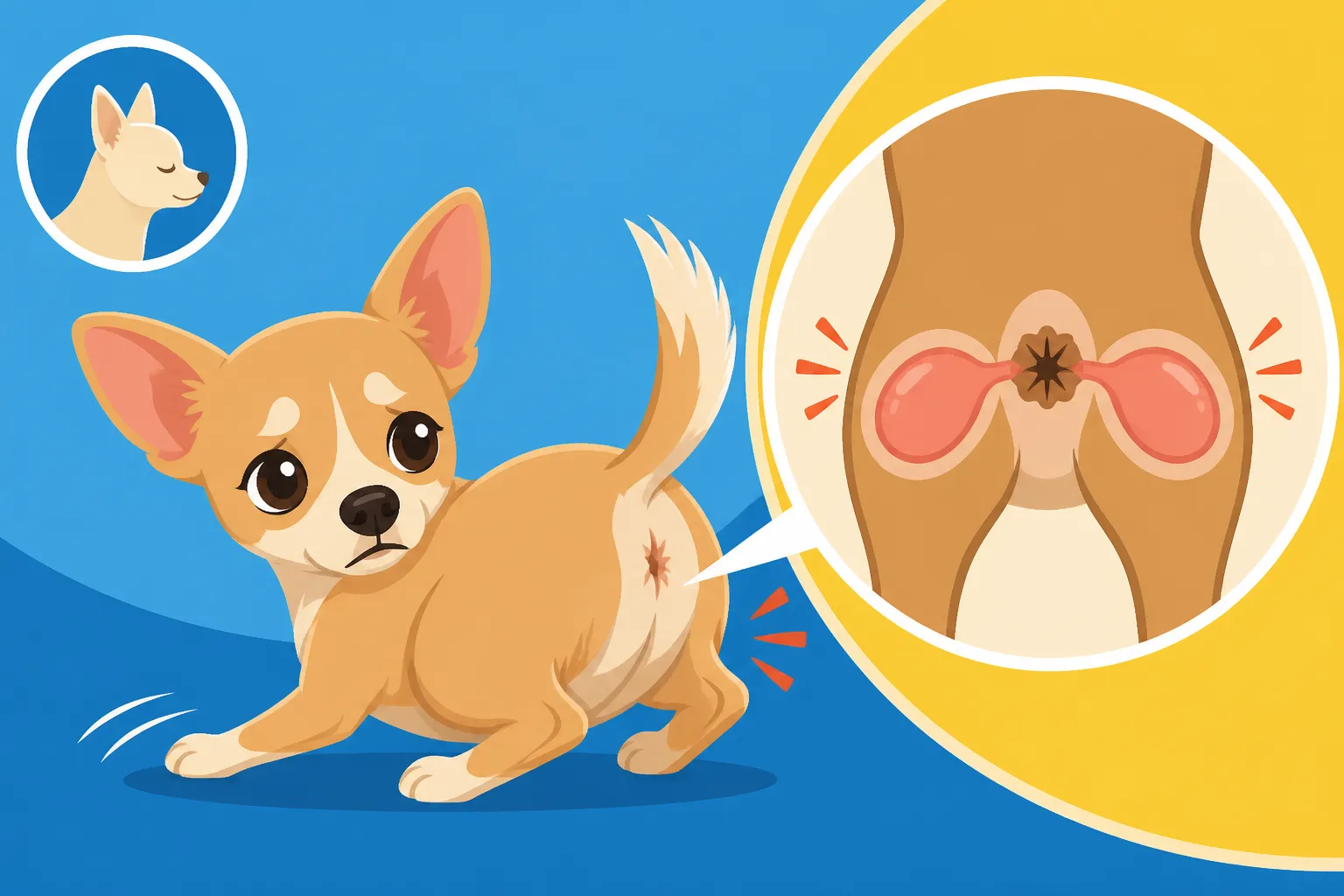
Let's get into the nitty-gritty of what these mysterious little glands are all about. Every dog, including your adorable Chihuahua, has two small sacs located internally, just inside their anus, at roughly the "four o'clock" and "eight o'clock" positions. These are their anal glands, and they're not just there for show; they play a crucial role in your dog's natural communication system.
The Anatomy and Purpose of Anal Glands
Think of anal glands as your Chihuahua's personal scent markers. Each gland is lined with tiny sebaceous glands that produce a strong, often fishy-smelling liquid. This liquid is usually expressed naturally whenever your dog has a bowel movement. The pressure of the firm stool passing through the rectum squeezes these sacs, releasing a small amount of the fluid onto the feces. This unique scent acts like a canine fingerprint, providing other dogs with information about who's been there, their gender, and even their emotional state. It’s their equivalent of a business card left behind.
For us humans, the smell can be quite potent and unpleasant, often described as fishy or skunky. However, for dogs, it's a vital part of their olfactory world. When you see dogs sniffing each other's rear ends, they're essentially reading these scent markers. In wild canids, it helps mark territory and identify individuals within a pack. In our domestic Chihuahuas, it's a remnant of this evolutionary trait.
The issue arises because, unlike larger dogs who often have more robust muscle tone in that area, or who produce larger, firmer stools more consistently, Chihuahuas can sometimes struggle with this natural expression. Their small size, sometimes looser muscle tone, and specific dietary needs can all contribute to the glands not emptying as they should.
Why Chihuahuas Are Prone to Anal Gland Issues
It often feels like Chihuahuas have a disproportionate share of health quirks, and anal gland problems can certainly be one of them. Their compact size and delicate systems make them uniquely susceptible. One of the biggest factors is stool consistency. For the anal glands to express naturally, your Chihuahua needs to pass firm, well-formed stools. If their diet leads to soft, loose, or inconsistent stools, there simply isn't enough pressure applied to the glands during defecation. This means the fluid builds up.
Another contributing factor can be genetics and individual anatomy. Some Chihuahuas just have anal sacs that are positioned in a way that makes natural expression more difficult, or their ducts might be narrower than ideal. Additionally, a lack of strong muscular tone in the pelvic region can also hinder the process. Think about it: a robust German Shepherd puts a lot more internal pressure on that area than a delicate, tiny Chihuahua.
Diet, as we touched on, is huge here. Many commercial dog foods, especially those that are high in fillers or lack sufficient fiber, can contribute to sub-optimal stool quality. Even slight dietary changes or stress can impact a Chihuahua's digestive system, leading to softer stools and subsequent anal gland accumulation. Furthermore, conditions like Chihuahua Obesity on a Six Pound Frame can also exacerbate anal gland issues. Extra weight can put pressure on the wrong areas or simply reduce the overall muscle tone needed for proper function.
Allergies, too, can play a sneaky role. If your Chihuahua suffers from Chihuahua Skin Allergies and Hair Loss, the inflammation and itching can extend to the anal area, leading to excessive licking and discomfort that might be mistaken for primary anal gland issues, or even cause secondary problems by irritating the glands themselves.
Signs Your Chihuahua's Anal Glands Are Causing Trouble
Recognizing the signs of anal gland discomfort in your Chihuahua is key to getting them relief promptly. Sometimes, the signs are obvious, but other times, they can be subtle and easily missed until the problem becomes quite advanced.
The Classic "Scoot"
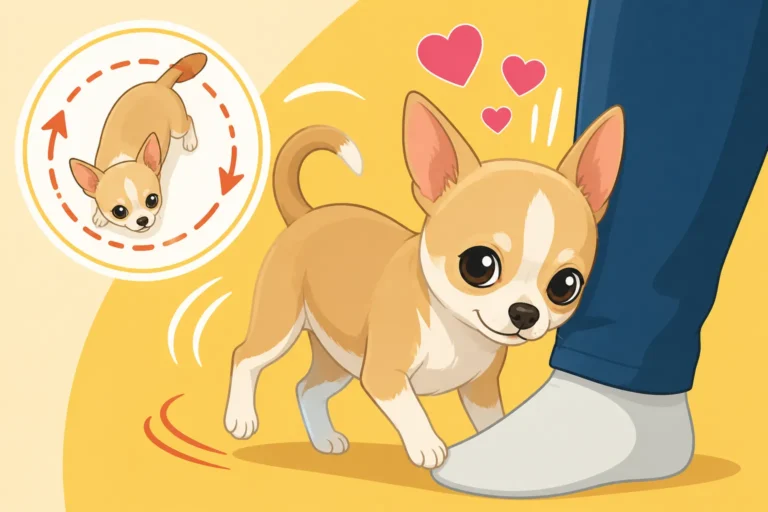
This is probably the most widely recognized symptom, and frankly, the one that makes most Chihuahua owners cringe. Your little dog suddenly drops their rear end to the ground and drags themselves across the carpet, grass, or any available surface. They're doing this because they're trying to relieve the pressure and discomfort caused by full, impacted, or irritated anal glands. The friction helps to physically express some of the fluid, offering temporary relief.
While scooting is a strong indicator of anal gland issues, it's important to remember it's not the only cause. Sometimes, scooting can be a sign of parasites, particularly tapeworms, which can cause intense anal itching. It could also indicate general skin irritation, allergies, or even issues like Chihuahua Back and Neck Pain where they are trying to alleviate discomfort in a different way. If your vet rules out anal gland issues, make sure to consider other possibilities, including ensuring your Chihuahua is on a consistent Chihuahua Parasite Prevention at Low Body Weight program. A good vet check-up will distinguish between these different causes.
Observing when and how often your Chihuahua scoots can give you clues. Is it immediately after a bowel movement? Is it more frequent when they're excited or stressed? Does it happen throughout the day? Persistent, daily scooting almost always points to an ongoing problem that needs attention.
Other Telltale Indicators
Beyond the dreaded scoot, there are several other signs that your Chihuahua's anal glands might be bothering them. Being observant can help you catch issues before they escalate.
- Excessive Licking or Biting at the Rear End: This is a very common sign. Your Chihuahua might be constantly licking or chewing at the area around their anus or under their tail. This is their way of trying to alleviate the itching, burning, or throbbing sensation caused by full or inflamed glands. This licking can, in turn, lead to skin irritation, hair loss, and even secondary skin infections, creating a vicious cycle of discomfort.
- A Foul or Fishy Odor: As mentioned, the anal gland fluid has a distinct, strong odor. If you notice a persistent, pungent, fishy, or skunky smell coming from your Chihuahua, especially when they move or sit near you, it often means the glands are leaking or expressing uncontrollably due to overfullness. This isn't just a faint smell; it can be quite pervasive in your home.
- Difficulty or Pain During Defecation: When anal glands are impacted or infected, the swelling and inflammation can make it painful for your Chihuahua to pass stool. You might notice them straining, crying out, or hunching their back while trying to defecate. They might even avoid going altogether, leading to constipation, which further complicates the anal gland problem.
- Reluctance to Sit or Hunching: A Chihuahua with painful anal glands might be hesitant to sit down normally. They might sit gingerly on one hip, shift positions frequently, or generally seem uncomfortable when resting. You might also notice them standing with a slightly hunched posture, trying to relieve pressure on the inflamed area.
- Swelling or Redness Around the Anus: In more severe cases, especially if the glands are infected or an abscess is forming, you might actually see visible swelling, redness, or even a small bump near the anus. This is a clear sign of inflammation and requires immediate veterinary attention.
How to Manage and Prevent Chihuahua Anal Gland Issues
The good news is that many anal gland issues can be managed and even prevented with some consistent care and attention. It often comes down to a combination of diet, regular maintenance, and knowing when to call in the professionals.
Dietary Adjustments and Fiber Intake
This is arguably the most impactful change you can make for a Chihuahua prone to anal gland problems. The goal is to produce consistently firm, bulky stools that naturally express the glands during defecation.
- Increase Dietary Fiber: Fiber adds bulk to the stool, making it firmer and more substantial, which is exactly what's needed to press against those anal sacs as it passes. Good sources of fiber include:
- Canned Pumpkin (pure, unsweetened): A small spoonful mixed into their food daily can work wonders. Start with about half a teaspoon for a tiny Chihuahua and adjust as needed.
- Cooked Sweet Potato: Small, mashed amounts can be beneficial.
- Green Beans or Peas: Steamed and finely chopped or mashed.
- Psyllium Husk: This is a powerful fiber supplement, but use it with extreme caution and under veterinary guidance, as too much can cause constipation. Start with a tiny pinch.
- Choose a High-Quality Diet: Many Chihuahuas thrive on a diet formulated for small breeds, which often considers their unique digestive needs. Look for foods with whole ingredients and a good balance of fiber. Avoid foods with excessive fillers or artificial ingredients that can lead to loose stools. Remember, a Chihuahua needs careful calorie management, so discussing Feeding a Chihuahua on Two Hundred Calories a Day with your vet is crucial to ensure they get proper nutrition without overfeeding.
- Ensure Adequate Hydration: Fiber needs water to work effectively. Make sure your Chihuahua always has access to fresh, clean water. Good hydration also helps prevent constipation, which can worsen anal gland issues.
Consistency is key here. Rapid changes in diet can upset a sensitive Chihuahua stomach, so introduce any new foods or supplements slowly over several days to a week.
Professional Expression vs. Home Expression
This is where things can get a little squishy (pun intended!). Many owners wonder if they should express their Chihuahua's anal glands at home or leave it to a professional.
- Professional Expression (Veterinarian or Groomer): For most owners, especially those new to anal gland care, professional expression is the safest and most effective option.
- Veterinarians: A vet can assess the glands for impaction, infection, or other issues, and express them safely, often internally (which is more thorough than external). They can also teach you the signs to look for and advise on frequency. Regular check-ups, especially for Senior Chihuahua Care Past the Age of Twelve, are good opportunities to have this checked.
- Professional Groomers: Many groomers offer anal gland expression as part of their service. They are trained to do this, typically externally, and can provide regular maintenance. However, they usually can't diagnose or treat underlying infections, so if there's any sign of trouble beyond simple fullness, a vet visit is still paramount.
- Home Expression (External): Some experienced owners choose to express their Chihuahua's glands externally at home. This involves gently squeezing the glands from the outside.
- Pros: Can save money and allows for quicker relief if you're comfortable.
- Cons: It's often less thorough than internal expression, you might miss impactions, and improper technique can cause significant irritation, bruising, or even rupture the glands. It's also quite messy and smelly.
- Recommendation: If you consider home expression, have your veterinarian demonstrate the correct, gentle technique first. Never try to force it. Many Chihuahuas have sensitive skin, and rough handling could lead to problems requiring more expensive vet visits, potentially covered by pet insurance like Healthy Paws if it's not a pre-existing condition.
Maintaining General Health and Grooming
Overall health plays a big part in preventing anal gland issues.
- Weight Management: Keep your Chihuahua at a healthy weight. Just one extra pound on a small frame like a Chihuahua can put unnecessary stress on their body and affect muscle tone. You can learn more about What One Extra Pound Does to a Chihuahua in another article.
- Regular Exercise: Gentle, consistent exercise helps maintain good muscle tone throughout the body, including the pelvic region, which supports natural gland expression. Even short walks, if done regularly, are beneficial.
- Grooming: Keeping the area around your Chihuahua's anus clean and free of long hair can help prevent stool from sticking and obstructing the gland openings. For Smooth Coat and Long Coat Chihuahua Grooming, pay extra attention to this area. Regular Chihuahua Nail Trimming at Toy Size also prevents long nails from hindering comfortable posture during defecation or causing additional irritation during scooting.
| Symptom | Most Likely Cause | Other Potential Causes | Action |
|---|---|---|---|
| Scooting | Full/Impacted Anal Glands | Parasites, Allergies, Skin Irritation | Vet visit for expression & diagnosis |
| Excessive Licking | Full/Impacted Anal Glands | Allergies, Skin Infection, Fleas | Vet check, potentially allergy management |
| Fishy Odor | Leaking Anal Gland Fluid | Infection, Abscess | Vet check, possible expression/antibiotics |
| Straining to Defecate | Impacted Anal Glands | Constipation, Dietary Issues, Pain, Tumor | Vet exam, dietary adjustment |
| Swelling/Redness | Infected Anal Gland | Abscess, Tumor, Injury | Emergency Vet Visit |
When to Seek Veterinary Help for Anal Gland Problems
While many anal gland issues can be managed with preventative care, there are times when immediate veterinary attention is absolutely essential. Ignoring severe symptoms can lead to serious complications.
Recognizing Impaction and Infection
If your Chihuahua's anal glands aren't expressing regularly, the fluid inside can become thick and paste-like, leading to impaction. An impacted gland feels like a hard, firm lump to your vet upon palpation. This is incredibly uncomfortable for your dog.
- Signs of Impaction: Persistent scooting, frequent licking, straining to defecate, and obvious pain around the tail base are all indicators. Your Chihuahua might be visibly distressed.
- Infection: Once a gland is impacted, it creates a perfect environment for bacteria to grow. This leads to an infection, which is often much more painful. The area will become inflamed, red, and warm to the touch. Your Chihuahua might develop a fever, become lethargic, or lose their appetite. The fluid expressed might be pus-like, bloody, or have an even stronger, more foul odor than usual. If you suspect an infection, do not try to express the glands yourself, as this can worsen the problem and push bacteria deeper.
A vet will likely express the glands, flushing them with a saline solution if necessary, and might prescribe antibiotics (oral or topical) to clear the infection. Pain medication might also be given to make your Chihuahua more comfortable.
The Danger of Abscesses and Ruptures
These are severe complications of untreated anal gland infections and constitute an emergency.
- Abscess Formation: If an infection isn't treated promptly, the bacteria will continue to multiply, forming a pocket of pus known as an abscess within the anal gland. This is extremely painful and visible as a hot, swollen, often red and angry-looking lump near the anus. Your Chihuahua will be in considerable distress, often refusing to sit, eat, or move much.
- Rupture: The pressure from an abscess can build to the point where it ruptures, creating an open wound or fistula on the skin near the anus. This is a very serious situation. You might see blood, pus, or a dark, foul-smelling discharge from a hole in your Chihuahua's skin. While the rupture might temporarily relieve some pressure, the wound is open, painful, and highly prone to further infection.
If you suspect an abscess or rupture, you need to get your Chihuahua to an emergency vet immediately. Treatment typically involves sedation or anesthesia to thoroughly clean and flush the wound, antibiotics, and pain management. The wound may need to be left open to drain, requiring diligent at-home care with warm compresses and cleaning. The cost of such emergency care can be substantial, so having pet insurance from a provider like Healthy Paws can certainly help ease the financial burden of unexpected veterinary bills.
Ongoing Management and When Surgery Might Be Considered
For some Chihuahuas, anal gland issues become a chronic problem, despite diligent dietary management and regular expression. If your dog suffers from recurrent impactions or infections every few weeks, it might be time to discuss more permanent solutions with your veterinarian.
- Frequent Veterinary Expression: For chronic cases, more frequent veterinary expression (e.g., every 3-4 weeks) might be necessary to keep your Chihuahua comfortable and prevent severe complications.
- Anal Sacculectomy: In rare, severe, and chronic cases where all other treatments have failed, and the Chihuahua's quality of life is significantly impacted by constant pain and infection, surgical removal of the anal glands (anal sacculectomy) might be considered. This is a delicate procedure, as the glands are close to important nerves and muscles that control defecation.
- Risks: Potential complications include fecal incontinence (temporary or permanent), infection, or fistula formation.
- Benefits: For the right candidate, it can offer a complete and permanent resolution to a debilitating problem.
This surgery is a last resort and something your vet will discuss in detail, weighing the risks against the benefits for your specific Chihuahua. It's not a decision to be taken lightly, but for a dog in constant pain, it can be life-changing.
Remember, a proactive approach to your Chihuahua's anal gland health, combining a proper diet, regular monitoring, and timely veterinary intervention, is the best way to keep your tiny friend happy and comfortable.
Disclaimer
This article is intended for informational purposes only and does not constitute medical advice. Always consult with a qualified veterinarian for any health concerns or before making any decisions about your Chihuahua's health or treatment.