The Skipping Gait That Signals a Chihuahua Knee
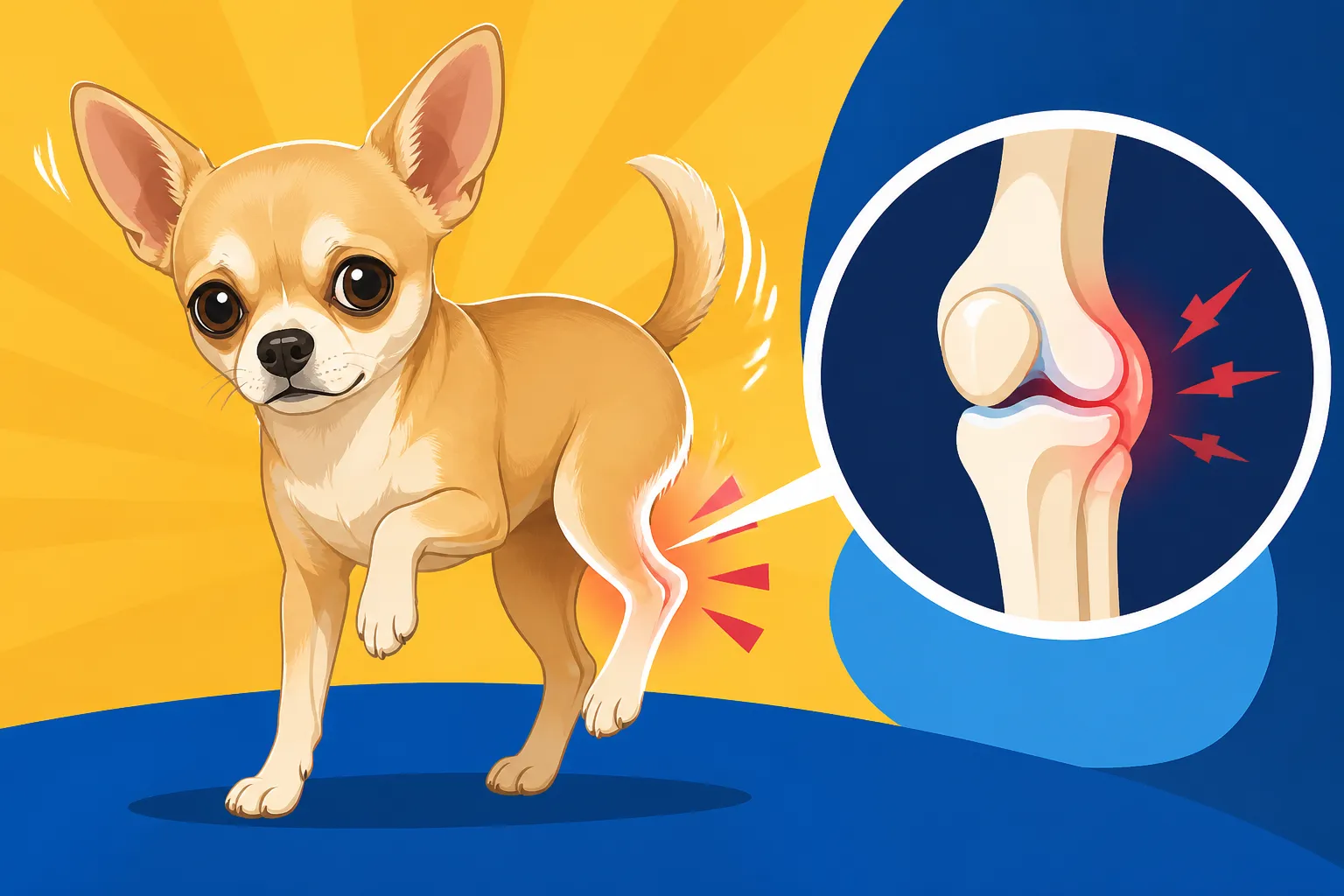
It’s a sight that can send a jolt of worry through any Chihuahua parent: you're watching your little one prance along, happy as can be, and then suddenly, they pick up a back leg, skip a few steps on three paws, and then put it down as if nothing happened. It's a classic, almost endearing, little hop, but it's rarely just a quirk. More often than not, this "skipping gait" is a clear signal that something isn't quite right with their knee, specifically a condition known as patellar luxation, and understanding what it means is the first step in ensuring your tiny companion's long-term comfort and health.
Understanding Patellar Luxation in Chihuahuas
When we talk about a skipping gait, the underlying issue is almost always a luxating patella, which is just a fancy way of saying a kneecap that slips out of place. It’s a remarkably common orthopedic problem in Chihuahuas and other small breeds, causing a mix of confusion and concern for their devoted owners. You might wonder how something so small can have such a big problem, but their unique anatomy actually makes them particularly susceptible.
What is a Luxating Patella?
To really grasp what's going on, let's break down the mechanics a little. Imagine your Chihuahua's knee joint. It's made up of three main bones: the femur (thigh bone), the tibia (shin bone), and the patella (kneecap). The patella is a small, triangular bone that sits snugly in a groove at the end of the femur, called the trochlear groove. It's held in place by ligaments and tendons and acts like a pulley, helping to extend the leg. When a patella "luxates," it means it pops out of this groove. Usually, in Chihuahuas, it slips towards the inside of the leg (medial luxation), but sometimes it can go to the outside (lateral luxation).
The act of the kneecap slipping out of place and then often, quite spontaneously, slipping back in is what creates that characteristic skip. It's their body's way of resetting the joint. When the patella is out of the groove, the leg can't extend properly, causing them to hold it up. Once it's back in, they can put weight on it again. For owners, this can be incredibly frustrating because it looks so intermittent and sometimes doesn't seem to bother them much, making it hard to know if it's serious or just a silly habit. But it’s definitely not a habit; it’s a symptom of a mechanical issue that needs attention.
Why Chihuahuas Are Prone to This Condition
Chihuahuas, bless their tiny hearts and delicate frames, are genetically predisposed to patellar luxation. It's not just bad luck; it's often a structural issue that runs in the breed. One of the primary reasons is that their trochlear groove, where the kneecap normally rests, is often too shallow from birth. Think of it like a train track with shallow rails; the train (kneecap) can easily derail. On top of that, the bones of their leg (femur and tibia) might not be perfectly aligned, or the ligaments that hold the kneecap in place might be a bit too lax or positioned incorrectly, pulling the patella out of its rightful spot.
Their miniature size, while undeniably adorable, also contributes to their vulnerability. Their bones are tiny, their joints are small, and any structural imperfection can have a magnified effect. This condition is often inherited, which is why reputable breeders make sure to screen their breeding stock for patellar luxation. If a Chihuahua's parents or grandparents had this issue, there's a higher chance their offspring will too. It’s a complex interplay of genetics and conformation, all contributing to why this particular skip is so common in our little long-lived companions. Owners often feel a pang of guilt or wonder if they caused it, but it's important to remember that it's largely an inherited condition, and you haven't done anything wrong.
Recognizing the Skipping Gait and Other Signs
The skipping gait is certainly the most famous tell-tale sign of a luxating patella, and once you know what to look for, it's hard to unsee. However, Chihuahuas are incredibly stoic, and sometimes the signs can be much more subtle, requiring a keen eye from their dedicated humans. It's easy to dismiss these little quirks, especially when your Chihuahua is otherwise full of beans, but understanding the full spectrum of symptoms can help you get them the help they need sooner.
The Classic Skipping or Hopping Step
Ah, the signature "Chihuahua skip." You'll see your dog running or walking normally, and then for a few steps, one back leg is held up, bent at the knee, before being placed back down as if nothing ever happened. It truly looks like they're just skipping or hopping on three legs. The reason for this is purely mechanical: the kneecap has slipped out of its groove. When it's out, the quadriceps muscle can’t properly extend the lower leg. By holding the leg up and flexing it, they're often trying to "shake" or "kick" the kneecap back into place. Once it pops back in, they can bear weight on the leg again, and they continue on their merry way.
The frequency of this skip can vary wildly. Some Chihuahuas might do it once a week, others several times a day, and some only when they're particularly excited or making a sharp turn. This intermittent nature is what often makes owners doubt the severity or even notice it at all if they’re not paying close attention. It can be easy to laugh it off as "cute" or "silly," especially since many Chihuahuas don't yelp or show obvious signs of pain during these episodes, particularly in the lower grades of luxation. However, even if they don't seem to be in agony, the repeated slipping and grinding of the kneecap can lead to inflammation and, over time, significant damage to the cartilage and eventually Chihuahua Arthritis in the Teenage Years. Early recognition of this skipping can make a real difference in preventing long-term complications.
Other Subtle Clues You Might Notice
While the skip is prominent, your Chihuahua might be giving you other, more subtle clues that their knee is bothering them. For instance, you might notice an intermittent lameness, especially after they've been resting or if they've had a particularly active play session. They might seem a bit stiff when getting up, or hesitate before jumping onto the sofa or climbing stairs—activities they once performed with effortless grace. You might also observe them favoring one leg more than the other, or shifting their weight subtly when standing, trying to relieve pressure on the affected joint.
In some cases, particularly as the condition progresses, you might even hear a faint "pop" or "click" sound when the kneecap moves in and out of the groove, though this is less common and often difficult to discern. Over a longer period, if one leg is consistently affected, you might even notice a slight loss of muscle mass in that thigh compared to the other, as they subconsciously use it less. It’s a good idea to gently feel your Chihuahua's legs, comparing one to the other. If you suspect any of these signs, don't just hope it goes away. A visit to the vet is always warranted to assess the situation and get an accurate diagnosis. Catching these subtle indicators early is crucial, as it can often prevent more severe issues down the line.
Grading the Severity of Patellar Luxation
One of the most important aspects of diagnosing patellar luxation is determining its grade. This isn't just a number; it's a critical tool that helps your veterinarian understand how severe the problem is and, crucially, what the best course of action might be. The grading system ranges from 1 to 4, with each grade indicating increasing severity of the kneecap's instability. It’s a direct response to the frustration owners feel when they see that skip, wondering just how bad it truly is.
The Four Grades of a Slipping Chihuahua Kneecap
Let's break down the different grades:
- Grade 1: This is the mildest form. The kneecap can be manually luxated (pushed out of the groove by the vet) but pops back into place on its own very easily. Your Chihuahua might exhibit the classic skipping gait only occasionally, and usually without apparent pain. The trochlear groove might be slightly shallow. Many Chihuahuas can live comfortably with Grade 1 luxation for years with proper management, and the knee often corrects itself.
- Grade 2: Here, the kneecap luxates more frequently, either manually or spontaneously with movement, and doesn't always return to the groove on its own. It might stay out for longer periods, requiring your Chihuahua to flex their leg or manipulate it to get the kneecap back in. The skipping gait is more pronounced and frequent, and you might notice more consistent lameness or discomfort. The trochlear groove is noticeably shallower, and there might be some early signs of cartilage wear.
- Grade 3: This is where things become more serious. The kneecap is luxated most of the time, though it can still be manually returned to the groove by the vet. However, it quickly pops out again once released. Chihuahuas with Grade 3 luxation will have persistent lameness and a more abnormal gait, as their leg often stays in a flexed position. The trochlear groove is very shallow or almost flat, and there's often significant cartilage damage and early onset of arthritis.
- Grade 4: This is the most severe grade. The kneecap is permanently luxated and cannot be manually returned to the groove at all. The trochlear groove is often absent or completely flat, and there can be severe deformities in the femur and tibia. Chihuahuas with Grade 4 luxation will typically walk with a severely crouched or abnormal gait, experiencing chronic pain and a significantly reduced quality of life. This is the point a Chihuahua kneecap that never goes back.
Understanding these grades is crucial for prognosis and treatment planning. A lower grade might allow for conservative management, while higher grades often necessitate surgical intervention to restore function and alleviate pain.
When the Knee Stops Correcting Itself
One of the most concerning progressions for a Chihuahua with patellar luxation is when their knee, which once gracefully popped back into place with a little shake, stops doing so. This usually signifies a jump in severity, moving beyond the easier Grades 1 and 2, where the patella still has some ability to self-correct. When the kneecap remains luxated more often than not, or even permanently, it can dramatically impact your Chihuahua's mobility and comfort. This is often the case with Grade 3 and certainly Grade 4 luxation.
When the kneecap no longer corrects itself, your Chihuahua will exhibit more consistent lameness. That intermittent skip will likely turn into a more constant limp or a reluctance to put weight on the affected leg at all. The repeated grinding of the kneecap over the bony ridges of the femur, or simply being out of place, causes significant wear and tear on the cartilage, leading directly to painful osteoarthritis. This chronic inflammation and pain can lead to changes in their posture, muscle atrophy in the affected limb, and even compensatory issues in their other joints as they try to shift their weight. At this stage, the risk of other injuries, such as cruciate ligament tears, also increases because the knee joint is so unstable. This is a clear indicator that waiting is no longer an option, and more definitive intervention, often surgical, needs to be seriously considered to prevent further deterioration and ensure your Chihuahua's continued quality of life.
Here's a quick overview of the different grades:
| Grade | Description | Common Symptoms | Treatment Approach (Typical) |
|---|---|---|---|
| 1 | Luxates manually, returns spontaneously | Occasional skipping, no consistent pain | Conservative (weight, supplements, ramps) |
| 2 | Luxates frequently, doesn't always return spontaneously | Frequent skipping, intermittent lameness, mild pain | Conservative or Surgical (depending on impact) |
| 3 | Luxated most of the time, can be manually reduced but reluxates | Persistent lameness, leg held up, significant pain | Surgical (often recommended) |
| 4 | Permanently luxated, cannot be manually reduced | Severe lameness, crouching gait, chronic pain | Surgical (often complex and reconstructive) |
Diagnosis and Initial Management
Once you’ve noticed that characteristic skip or any other subtle signs of discomfort, the next crucial step is a trip to your veterinarian. It’s natural to feel a bit anxious about what they might find, but getting an accurate diagnosis is the foundation for any successful treatment plan. For many owners, the thought of surgery or long-term medication can be daunting, but thankfully, there are often effective initial management strategies for less severe cases that can bring a lot of relief.
What to Expect at the Vet
When you bring your Chihuahua in for a suspected luxating patella, your vet will perform a thorough physical examination. This isn’t just a quick look; it involves a detailed orthopedic assessment. They will gently manipulate your Chihuahua’s knee joint, flexing and extending the leg, and trying to manually push the kneecap out of its groove. This manipulation helps them feel if the patella is stable, how easily it luxates, and if it springs back into place on its own. This is how they determine the grade of luxation. They’ll also check for any swelling, pain response, or muscle atrophy around the joint.
Beyond the physical exam, your vet will likely recommend X-rays. While X-rays don't directly show the kneecap slipping, they are incredibly important for assessing the overall bone structure of the leg, the depth of the trochlear groove, and the alignment of the femur and tibia. They can also reveal signs of arthritis that may have already developed due to chronic luxation. Furthermore, X-rays help rule out other potential causes of lameness, such as fractures, hip issues like Chihuahua Legg-Calve-Perthes Disease, or other congenital conditions that could be mimicking patellar luxation. Getting an accurate and early diagnosis is key, not just for treatment but also for informing you of long-term expectations and helping you decide whether a Chihuahua knee needs surgery at all.
Non-Surgical Approaches for Mild Cases
For Chihuahuas with Grade 1 or even some Grade 2 patellar luxation, especially if they are not in significant pain or discomfort, your vet might recommend a conservative, non-surgical approach first. This focuses on managing symptoms, preventing progression, and maintaining comfort. One of the most crucial elements is weight management. Chihuahuas are tiny, and even an extra half-pound can put immense strain on their delicate joints. Ensuring your Chihuahua maintains an ideal body condition can significantly reduce stress on their knees and slow the progression of arthritis. This relates directly to the challenge of Chihuahua Obesity on a Six Pound Frame.
Supplements like glucosamine, chondroitin, and MSM can also be beneficial. These work to support joint health, lubricate the joints, and reduce inflammation, though it’s important to remember they aren’t a cure. Your vet can recommend a high-quality joint supplement specifically formulated for small dogs. Controlled exercise is another cornerstone. While you want to avoid strenuous, high-impact activities like jumping off furniture, regular, gentle leash walks on even surfaces can help build muscle strength around the joint, providing better stability. Speaking of furniture, making environmental adaptations is huge. This means providing ramps or steps for your Chihuahua to get on and off sofas and beds, reducing the impact of jumps that can exacerbate the condition. Many owners implement this advice, learning to use Ramps and Steps for a Chihuahua Sofa to protect their little one's joints. These strategies, when diligently applied, can often provide a good quality of life for Chihuahuas with mild to moderate patellar luxation, delaying or even avoiding the need for surgery.
Surgical Intervention and Recovery
While conservative management is often effective for lower grades of patellar luxation, there comes a point for many Chihuahuas where surgery becomes the most viable, and often necessary, path to long-term comfort and mobility. The decision to opt for surgery can be overwhelming, especially when considering such a tiny dog, but understanding the procedure and what follows can help alleviate some of that stress. It’s about restoring function and preventing the debilitating pain that can come with untreated, progressive joint disease.
When Surgery Becomes Necessary
The decision for surgery typically hinges on several factors: the grade of luxation, the level of pain or lameness your Chihuahua is experiencing, and how much their quality of life is impacted. Generally, Chihuahuas with Grade 3 or 4 luxation are strong candidates for surgery because their kneecap is out of place most or all of the time, causing chronic pain and significant gait abnormalities. Many vets also recommend surgery for Grade 2 luxations if the luxation is frequent, causing consistent lameness, or if early signs of arthritis are already appearing. The goal of surgery is to stabilize the kneecap within its groove, allowing the leg to extend normally and eliminating the pain and long-term damage caused by the constant slipping.
There are several surgical techniques, but they often involve a combination of procedures:
- Deepening the trochlear groove: This is often done by carefully removing a wedge or block of bone from the trochlear groove and then replacing it, making the groove deeper so the patella has a more secure channel to track in.
- Tibial crest transposition: This involves moving the bony prominence on the tibia (shin bone) where the patellar ligament attaches. By shifting this attachment point, the patella is realigned so it tracks straight within the groove.
- Soft tissue release or tightening: Sometimes, the soft tissues on one side of the knee are too tight or too loose, pulling the patella out of alignment. The surgeon may release tight tissues or tighten loose ones to help balance the forces on the kneecap.
By addressing these structural issues, the surgery aims to keep the kneecap where it belongs. While the cost of Chihuahua Surgery Costs at Toy Size can be a significant concern for owners, remember that pet insurance can be a lifesaver here. Many providers, including Healthy Paws, offer coverage for orthopedic conditions like patellar luxation, provided the condition isn't pre-existing, which highlights the importance of enrolling your pet when they are young and healthy.
Life After Patella Surgery
Recovery from patella surgery is a journey that requires patience and diligence, but it's incredibly rewarding to see your Chihuahua regain their mobility. Immediately after surgery, pain management is paramount. Your vet will prescribe a combination of pain medications and anti-inflammatories to keep your little one comfortable. The initial post-operative period will involve strict confinement to a small area or crate to prevent running, jumping, or excessive activity that could compromise the surgical repair. This means Keeping a Chihuahua Off Furniture to Protect Knees is even more critical now.
Over the next several weeks, controlled rehabilitation exercises will gradually be introduced. This might start with passive range of motion exercises (gently moving the leg for your Chihuahua) and progress to short, slow leash walks. Physical therapy, often guided by a certified canine rehabilitation therapist, plays a crucial role in strengthening the muscles around the knee, improving flexibility, and ensuring a full return to function. This detailed guide on Recovery After Chihuahua Kneecap Surgery provides excellent insights into what to expect. While surgery has a high success rate, it doesn't entirely eliminate the risk of arthritis in the long term, especially if significant cartilage damage was present before the operation. Therefore, ongoing joint supplements, weight management, and regular vet check-ups will remain important throughout your Chihuahua's life. But with proper care, your Chihuahua can go from skipping uncomfortably to happily trotting with a stable, pain-free knee for many years to come. This is where pet insurance, like a comprehensive plan from Healthy Paws, can really support you financially, helping to cover the often substantial costs of surgery and post-operative rehabilitation, giving you peace of mind during a stressful time.
Preventing and Living with Patellar Luxation
Coming to terms with a diagnosis of patellar luxation can be a lot for a Chihuahua owner to process. While some aspects are beyond our control due to genetics, there’s actually a great deal we can do both to prevent the condition where possible and to manage it effectively once it’s present. It's about being proactive, making informed choices, and creating an environment that supports your tiny companion's joint health for their entire long life.
Proactive Steps for Chihuahua Owners
Prevention really starts before you even bring your Chihuahua home. If you're looking for a puppy, responsible breeding practices are incredibly important. Reputable breeders will rigorously screen their breeding dogs for genetic conditions common in Chihuahuas, including patellar luxation. They should be able to provide you with certifications from organizations like the Orthopedic Foundation for Animals (OFA) demonstrating that the parents have sound knees. Always ask to see the Patella and Cardiac Papers on a Chihuahua Litter or inquire about the health tests a Chihuahua breeder should run. This proactive approach from breeders is the first line of defense against passing on these hereditary issues.
Once your Chihuahua is home, proactive management continues. Maintaining a healthy weight is perhaps the single most impactful thing you can do. Every extra ounce puts disproportionate stress on their small joints, accelerating wear and tear and potentially worsening a luxating patella. Work with your vet to determine your Chihuahua's ideal weight and feeding plan. Furthermore, protecting their joints from high-impact activities is essential. Chihuahuas love to jump, but repeated leaps off furniture can take a toll. Provide pet ramps or steps for access to beds and sofas, and discourage them from jumping down from heights. Regular, gentle exercise on even surfaces helps strengthen surrounding muscles without excessive strain. And finally, regular veterinary check-ups are vital. Your vet can monitor their joint health, catch any subtle signs of progression, and advise on preventative supplements or lifestyle adjustments before problems become severe.
Supporting Your Chihuahua Long-Term
Living with a Chihuahua who has patellar luxation, whether it's a mild case managed conservatively or a post-surgical success story, requires ongoing commitment. For those managed non-surgically, consistent adherence to the lifestyle adjustments is key. This means continuously monitoring their weight, ensuring their environment is joint-friendly with ramps and steps, and sticking to any recommended joint supplements or gentle exercise routines. You’ll become attuned to their movements, noticing if they start to skip more frequently, show increased stiffness, or seem less eager to play—these are all signals to discuss with your vet.
Even after successful surgery, continuous care is important. While the immediate issue of luxation might be resolved, the joint may still be predisposed to arthritis due to the initial damage or surgical changes. Therefore, long-term joint health support, including supplements, a balanced diet, and appropriate exercise, remains important. You might also want to explore options for pet insurance, such as Healthy Paws, if you haven’t already. A good insurance policy, especially one obtained early in your Chihuahua's life, can provide invaluable financial support for ongoing veterinary care, potential future treatments, or even related conditions that might arise years down the line. Many owners realize too late how quickly specialist vet bills can add up, and having that safety net can truly ease the burden and allow you to prioritize your Chihuahua's health without financial stress. With vigilance, love, and a strong partnership with your vet, your little one can enjoy a comfortable, active life despite their knee's predisposition.
Disclaimer
The information provided in this guide is for general educational purposes only and should not be considered a substitute for professional veterinary advice. Always consult with a qualified veterinarian for any health concerns or before making any decisions related to your Chihuahua's medical care.