Chihuahua Parasite Prevention at Low Body Weight
It's a genuine worry for many Chihuahua owners: how do you properly protect such a tiny dog from nasty parasites without accidentally giving them too much medication? It's a valid concern, as these little guys have delicate systems, and getting the dosage wrong can have serious consequences. This guide is here to walk you through everything you need to know about keeping your pint-sized companion safe from internal and external invaders, focusing on the specific considerations that come with their low body weight.
Understanding the Unique Challenge of Tiny Chihuahuas
When you hold a Chihuahua, you're holding a living creature that can weigh as little as three pounds, sometimes even less. This incredibly small stature presents unique challenges, especially when it comes to administering medications, including those designed for parasite prevention. You can't just guess or eyeball doses; precision is absolutely paramount for their safety and well-being.
Why Body Weight Matters for Medication Dosage
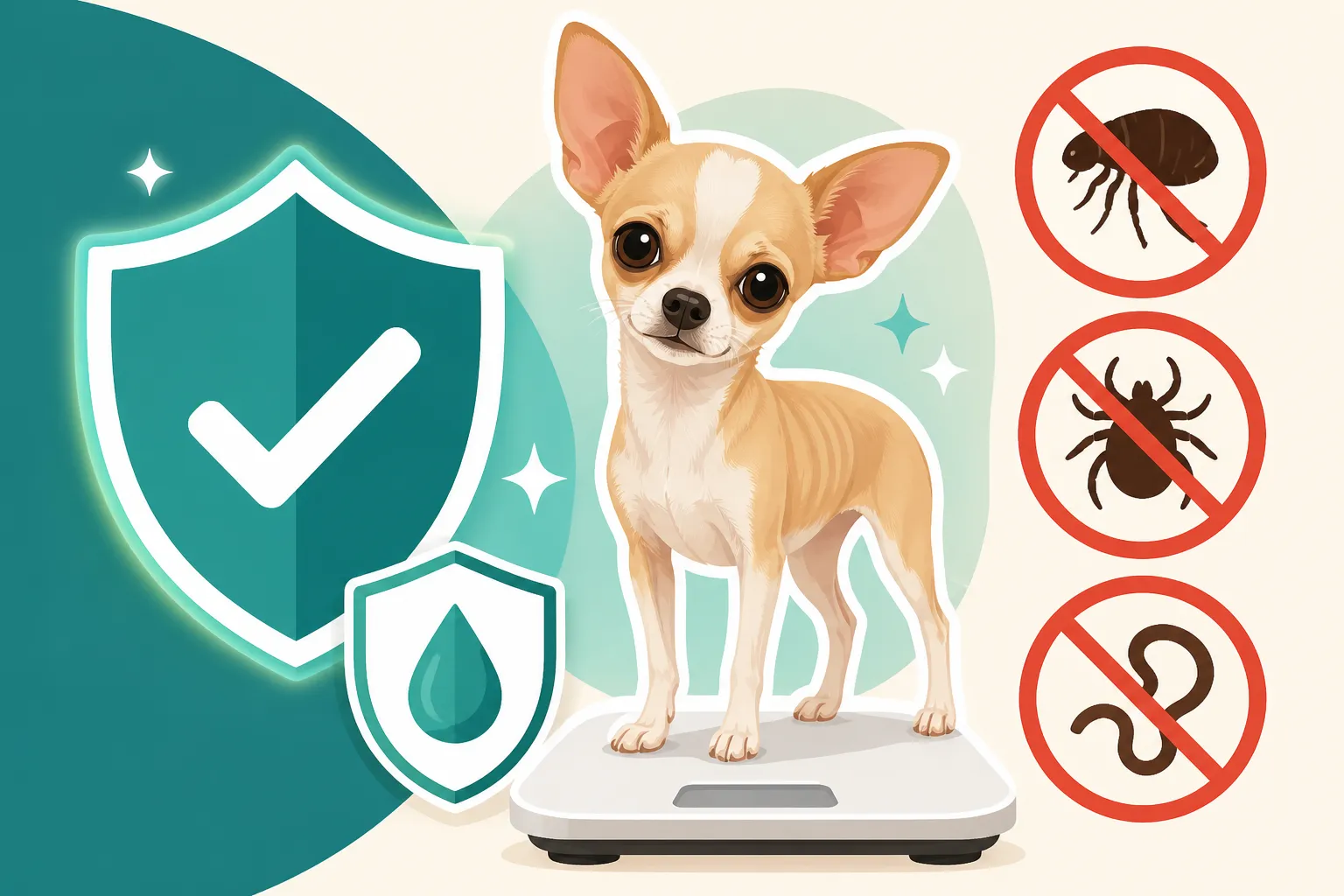
Imagine trying to give a baby the same dose of medicine as an adult – it just wouldn't work, right? The same principle applies, perhaps even more acutely, to Chihuahuas. Their metabolic rates, organ sizes, and body composition are vastly different from larger dogs. A tiny fluctuation in their actual body weight can dramatically alter how a medication is processed and its concentration in their system. For many medications, there's a very narrow "therapeutic window" for toy breeds; that's the range between a dose that's effective and one that could be toxic. If your Chihuahua gains or loses even a quarter of a pound, it might shift them into a different dosing bracket for certain medications, which is why your vet will always want their most current weight. This critical need for accuracy is why regular weigh-ins are a non-negotiable part of responsible Chihuahua ownership.
The Risks of Over-Dosing and Under-Dosing
The dangers of getting medication dosage wrong for a Chihuahua are stark. Over-dosing can lead to severe side effects, including lethargy, vomiting, diarrhea, tremors, seizures, liver damage, or even death, depending on the specific medication. Their small livers and kidneys simply can't process an excessive amount of chemicals. On the other hand, under-dosing isn't harmless either. If the medication dose is too low, it won't be effective at killing or preventing parasites. This means your Chihuahua remains vulnerable to infestations, and you might be giving them medication without any benefit, wasting money and potentially exposing them to minor side effects without the protective outcome. An under-dosed dewormer might only partially clear worms, leading to continued health issues and a false sense of security.
Common Parasites Affecting Chihuahuas
Just like any dog, Chihuahuas are susceptible to a range of internal and external parasites. External parasites include fleas, ticks, mites, and lice. Fleas cause intense itching, skin irritation, and can transmit tapeworms or cause flea allergy dermatitis. Ticks are even more dangerous, capable of transmitting serious diseases like Lyme disease, ehrlichiosis, and anaplasmosis. Internal parasites are often less visible but can be far more debilitating. These include heartworms, which live in the heart and lungs, intestinal worms like roundworms, hookworms, whipworms, and tapeworms, and microscopic parasites like Giardia and coccidia. Each of these can cause significant health problems, from anemia and malnutrition to heart failure, highlighting why preventing them is so much better than treating them.
External Parasite Prevention: Fleas and Ticks
Dealing with external parasites can feel like an endless battle, especially if you live in an area with high flea and tick populations. For a Chihuahua, the stakes are even higher, as a severe infestation can quickly lead to anemia in such a small body, or serious illness from tick-borne diseases.
Topical Treatments and Their Considerations
Topical "spot-on" treatments, which you apply directly to a small area of your Chihuahua's skin, typically between the shoulder blades, are a common option. Brands like Frontline Plus or K9 Advantix II offer these solutions. The medication then spreads over the skin and into the oil glands, providing protection for a month. The key here is to choose the absolute correct weight range for your dog. A dose for a 5-10 lb dog is very different from one for a 0-4 lb dog. Applying a product meant for a larger weight range, even slightly, can easily lead to an overdose.
One challenge with topicals for Chihuahuas is their relatively sparse coat and sensitive skin. Some Chihuahuas might experience temporary skin irritation, redness, or itchiness at the application site. It's also crucial to ensure the medication dries completely before your Chihuahua can lick it or rub it off, potentially ingesting it. This might mean supervised drying time or distracting them with a special treat. Furthermore, you need to be mindful if you have other pets or children in the household who might come into contact with the treated area before it's fully absorbed and dry. While effective, the risk of accidental exposure or skin sensitivity means some owners prefer other methods.
Oral Medications and Their Benefits for Small Dogs
Oral parasite preventatives have become increasingly popular, especially for small dogs, largely because they offer precise dosing and eliminate the topical mess and potential for external contact. These medications come in chewable tablets, often flavored to be palatable. Brands such as Bravecto, NexGard, or Simparica offer oral options that cover fleas and ticks, while products like Heartgard Plus or Interceptor Plus target internal parasites, sometimes in combination. The beauty of oral medications for Chihuahuas is that they are formulated in specific, tiny doses, making it easier to ensure your dog gets exactly what they need based on their weight.
Once ingested, the medication works systemically from within, meaning there's no residue on the coat, and swimming or bathing won't reduce its effectiveness. This can be a huge relief for owners who worry about wet weather or the potential for their energetic Chihuahua to rub off a topical treatment. Just make sure your Chihuahua actually swallows the pill! Some savvy Chihuahuas can be quite good at spitting out medication, so you might need to hide it in a small piece of cheese, peanut butter (xylitol-free!), or a commercial pill pocket.
Environmental Control and Home Practices
While medications are a primary line of defense, don't underestimate the power of environmental control in protecting your Chihuahua. Fleas and ticks often hitch a ride indoors on shoes, clothing, or other pets. Regularly vacuuming your home, especially carpets, rugs, and furniture where your Chihuahua spends time, can remove flea eggs and larvae. Dispose of vacuum bags outside immediately to prevent re-infestation.
Regularly washing your Chihuahua's bedding in hot water can also kill any lurking parasites. If your Chihuahua enjoys time outdoors, make sure your yard is maintained – keeping grass mowed short, raking leaves, and clearing brush can reduce tick habitats. If you live in an area with particularly high tick pressure, consider creating a barrier of wood chips or gravel between your lawn and wooded areas. After outdoor excursions, especially walks through tall grass or wooded trails, always perform a thorough "tick check" on your Chihuahua. Pay close attention to ears, armpits, between toes, and around the tail. Prompt removal of ticks is crucial to prevent disease transmission.
Internal Parasite Prevention: Heartworm and Intestinal Worms
Internal parasites pose a silent but significant threat to your Chihuahua's health, and nowhere is this more true than with heartworm disease. These microscopic threats require a consistent, year-round approach to prevention.
The Critical Need for Year-Round Heartworm Prevention
Heartworm disease is a devastating illness transmitted by mosquitoes. When an infected mosquito bites your Chihuahua, it injects heartworm larvae into their bloodstream. These larvae mature into adult worms, which can grow up to a foot long and live in the heart, lungs, and associated blood vessels. For a tiny Chihuahua, even a few adult worms can cause severe damage, leading to coughing, lethargy, difficulty breathing, and eventually heart failure. The treatment for heartworm disease is lengthy, expensive, and can be risky for small dogs due to the potential for complications. It’s far safer and easier to prevent it entirely.
This is why veterinarians universally recommend year-round heartworm prevention for all dogs, regardless of size or whether they live primarily indoors. Mosquitoes can find their way inside homes, even in colder climates, and a single bite is all it takes. Consistent monthly (or sometimes longer-acting, depending on the product) medication is the best way to ensure these larvae are killed before they can mature into harmful adult worms. When considering your Chihuahua Lifespan and Why the Breed Reaches Sixteen, diligent heartworm prevention is a crucial component of their long-term health plan.
Combination Medications for Broad Spectrum Protection
To simplify the process for owners and ensure comprehensive protection, many parasite preventatives are now "combination" medications. These products often protect against heartworms and several common intestinal worms (like roundworms, hookworms, and whipworms) in a single monthly dose. Some even include protection against fleas and certain types of ticks. This means fewer medications to remember and administer, reducing the chance of missed doses.
Popular combination products for Chihuahuas might include Heartgard Plus (heartworm and some intestinal worms), Interceptor Plus (heartworm and most intestinal worms), or Trifexis (heartworm, intestinal worms, and fleas). Your veterinarian will help you choose the best combination product based on your Chihuahua's lifestyle, geographical location, and specific risk factors. Always discuss your options with your vet, especially if your Chihuahua has any other health conditions, such as Chihuahua Heart Disease as the Breed Ages, as certain medications might be more suitable than others.
Regular Fecal Exams and Deworming Protocols
Even with consistent broad-spectrum preventative medication, regular fecal exams remain an important part of your Chihuahua's parasite prevention strategy. These tests, usually performed once or twice a year during routine vet visits, allow your vet to check for the eggs of intestinal worms or microscopic parasites like Giardia and Coccidia, which might not be covered by your chosen preventative. If these parasites are detected, specific deworming medication can be prescribed.
For puppies, the deworming protocol is usually more intensive. Puppies are often born with roundworms, transmitted from their mother, and are highly susceptible to other intestinal parasites. Most vets will recommend a series of deworming treatments for young puppies, often starting at two to three weeks of age and continuing every two weeks until they are older, along with their vaccination schedule. Learning about Chihuahua Hypoglycemia and the Puppy Emergency often goes hand-in-hand with puppy care, as parasites can worsen a puppy's delicate health. For adult Chihuahuas, while year-round prevention is key, a periodic fecal exam provides an extra layer of reassurance.
Safe Administration and Monitoring
Successfully preventing parasites in a Chihuahua isn't just about choosing the right medication; it's also about correctly administering it and diligently monitoring your tiny friend for any signs of trouble. This careful approach ensures both effectiveness and safety.
Working Closely with Your Veterinarian for Precise Dosing
This cannot be stressed enough: always consult your veterinarian for parasite prevention recommendations and precise dosing for your Chihuahua. Do not rely on over-the-counter products bought without veterinary guidance, as they may not be effective, or worse, could be dangerous for such a small breed. Your vet has your Chihuahua’s full medical history, knows their current weight, and understands the parasite risks prevalent in your local area. They will prescribe products specifically designed and dosed for tiny dogs, often needing fractions of doses given to larger breeds.
They can also advise on potential drug interactions if your Chihuahua is on other medications for conditions like Patellar Luxation, the Chihuahua's Commonest Joint Problem or Chihuahua Epilepsy and Seizure Onset. Building a strong relationship with your vet is paramount to your Chihuahua's health across their entire Senior Chihuahua Care Past the Age of Twelve. They are your best resource for navigating the complexities of toy dog medicine.
Tips for Administering Medication to a Small Dog
Giving medication to a tiny, sometimes finicky Chihuahua can be an art form. Here are some tips to make it smoother:
- Pill Pockets or Food Hiding: For oral tablets, consider using commercial pill pockets (like Greenies Pill Pockets) or hiding the pill in a tiny blob of peanut butter (xylitol-free!), cream cheese, or a piece of cooked chicken or hot dog. Make sure the treat is small enough that they don't chew it and discover the pill.
- Crushing Pills (with vet approval): Some pills can be crushed into a fine powder and mixed with a highly palatable liquid (like a bit of low-sodium chicken broth) or a soft treat. Always ask your vet first if a pill can be crushed, as some medications are extended-release or coated and should not be altered.
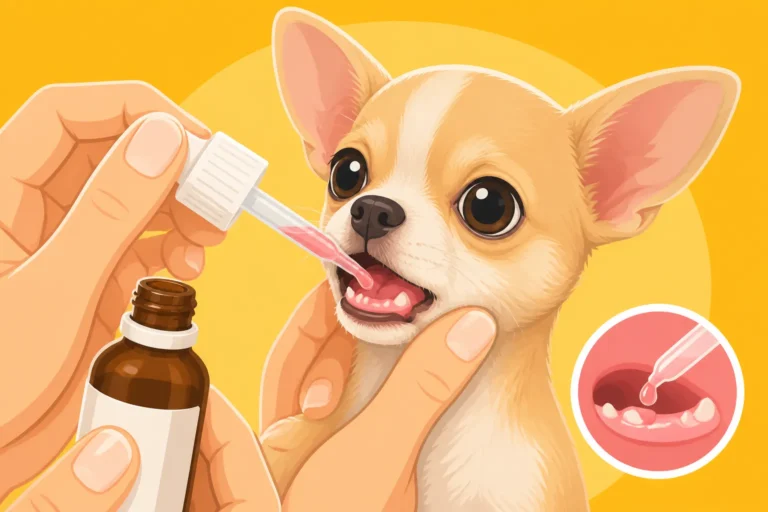
- Liquid Medications: If your Chihuahua consistently refuses pills, ask your vet if the medication is available in a liquid formulation. These can sometimes be easier to administer with a small syringe into the side of their mouth.
- Topical Application: If using a spot-on, ensure you part the fur well enough to apply the liquid directly to the skin, not just the hair. Keep your Chihuahua distracted and supervise them until the area is completely dry to prevent licking.
- Positive Reinforcement: Always follow medication time with praise, a favorite toy, or a small, healthy treat. This creates a positive association with the process, making it less stressful for both of you in the long run.
Recognizing and Reporting Adverse Reactions
Even with proper dosing, some Chihuahuas might have an individual sensitivity to a particular medication. It’s crucial to know what to look for and when to contact your vet. Signs of an adverse reaction can include:
- Gastrointestinal issues: Vomiting, diarrhea, loss of appetite.
- Neurological symptoms: Lethargy, weakness, trembling, staggering, disorientation, seizures.
- Skin reactions: Intense itching, redness, swelling at the application site (for topicals).
- Behavioral changes: Unusual agitation, hiding, excessive panting.
If you observe any concerning symptoms after administering parasite prevention, contact your veterinarian immediately. It’s better to be overly cautious, especially with a small dog where conditions can escalate rapidly. Be ready to tell your vet the exact name of the product, the dosage given, and when it was administered.
Budgeting for Long-Term Prevention
Owning a Chihuahua means committing to a lifetime of care, and parasite prevention is a recurring, essential part of that commitment. Thinking ahead about the financial aspect can save you stress and ensure your little one stays healthy.
The Cost of Prevention Versus Treatment
While monthly or quarterly parasite preventatives might seem like an ongoing expense, they are almost always significantly less costly than treating a full-blown infestation or, worse, a severe parasitic disease. For example, a year of heartworm preventative for a small Chihuahua might cost around $50-$100. Treating established heartworm disease, however, can easily run into thousands of dollars, involving multiple vet visits, diagnostic tests, specialized medication, and potential hospitalization. Similarly, treating a severe flea infestation can involve extensive home cleaning, multiple rounds of topical treatments, and vet visits for skin infections or anemia, costing hundreds. Preventing Chihuahua Dental Disease in a Crowded Small Jaw is another area where proactive care saves a fortune in the long run. Prevention is not just about health; it's smart financial planning for your Chihuahua's long life.
Pet Insurance and Parasite Coverage
Pet insurance can be a valuable tool for managing the costs of your Chihuahua's healthcare, including aspects of parasite prevention and treatment. Policies vary widely, so it's essential to understand what's covered. Some comprehensive wellness plans might include coverage for routine parasite preventatives and annual fecal exams. Accident and illness plans typically do not cover routine prevention but will cover the costs associated with diagnosing and treating an actual parasite infestation or disease if it occurs (e.g., tick-borne illness treatment, heartworm treatment, or treatment for severe intestinal worm burden).
It’s worth researching options like Healthy Paws to see what kind of coverage they offer for unexpected illnesses that might stem from a parasitic infection. For instance, if your Chihuahua contracts Lyme disease from a tick, a good policy from Healthy Paws could help with the veterinary bills. Always read the fine print, understand deductibles and reimbursement rates, and enroll your Chihuahua when they are young and healthy to avoid pre-existing condition exclusions. A provider like Healthy Paws can give you peace of mind against the unexpected, allowing you to focus on your Chihuahua's well-being. Knowing the Chihuahua Pet Insurance and Its Low Premium can make this a very appealing option for owners looking to budget for a long-lived companion.
Long-Term Health Records Worth Keeping Across Sixteen Years
Given their long lifespan, keeping meticulous health records for your Chihuahua is incredibly important. This includes dates of all parasite preventative doses, the specific product used, and your Chihuahua’s weight at the time. Also record any fecal exam results, deworming treatments, and any observed reactions to medications. This comprehensive record serves several purposes:
- Ensures Consistency: Helps you track when the next dose is due, preventing gaps in protection.
- Informs Vet Decisions: Provides your vet with a complete picture of your Chihuahua’s preventative history, which is crucial for making informed decisions about future care.
- Identifies Trends: Helps you and your vet identify any patterns in reactions or persistent issues.
- Proof for Insurance: Some pet insurance providers, including those like Healthy Paws, may require detailed records for claims related to parasitic diseases.
You can use a simple notebook, a digital spreadsheet, or a dedicated pet health app. Whatever method you choose, consistency is key. These records are invaluable throughout your Chihuahua's journey from a tiny puppy to a beloved senior, spanning potentially sixteen years or more.
Here's a quick comparison of common parasite prevention methods:
| Method Type | Target Parasites | Administration Frequency | Pros | Cons |
|---|---|---|---|---|
| Oral Tablet/Chew | Fleas, Ticks, Heartworm, Intestinal Worms (varies by product) | Monthly or Quarterly | Precise dosage, no messy residue, unaffected by bathing/swimming, often palatable | Must be ingested, some Chihuahuas are picky, potential for GI upset |
| Topical Spot-On | Fleas, Ticks, Mosquitoes (varies by product) | Monthly | Easy application, no need to ingest | Messy residue, potential for skin irritation, can be licked off by pet/child, efficacy reduced by bathing |
| Injection | Heartworm (some options for fleas/ticks) | 6 or 12 Months | Owner convenience (no missed doses), no oral administration | Vet visit required for administration, limited options, higher upfront cost |
| Fecal Exam | Intestinal Worms, Giardia, Coccidia | Annually (more for puppies/risk) | Detects parasites not covered by routine prevention | Not a preventative method itself, only detects existing infections, requires vet visit |
Disclaimer
The information provided in this article is for general educational purposes only and is not a substitute for professional veterinary advice. Always consult with your veterinarian regarding any health concerns, diagnoses, or treatment options for your Chihuahua.