Corneal Ulcers in a Chihuahua
Few things are as instantly alarming as noticing something wrong with your beloved Chihuahua’s eyes. Their large, expressive eyes are one of their most endearing features, but they also come with vulnerabilities, and finding your little friend squinting, tearing, or even seeing a cloudy film over their eye can send any dedicated owner into a panic. This guide is here to walk you through everything you need to know about corneal ulcers in Chihuahuas, from understanding why they happen to recognizing the signs and ensuring your pup gets the best possible care.
Understanding Corneal Ulcers and Why Chihuahuas Are Prone
A corneal ulcer is essentially an open sore on the surface of your Chihuahua's eye, specifically on the cornea – that clear, outermost layer that protects the inner parts of the eye. Think of it like a scrape or a wound, but on a super delicate, transparent surface. These aren't just minor irritations; they can be incredibly painful for your little companion and, if left untreated, can lead to serious complications, including vision loss or even the loss of the eye itself.
Chihuahuas, unfortunately, have a higher predisposition to corneal ulcers compared to many other breeds, and it mostly comes down to their unique facial structure. Their eyes are often quite prominent and large, sitting somewhat shallowly in their sockets without a strong brow ridge to offer protection. This means their delicate corneas are simply more exposed to the world. A playful romp through tall grass, a minor bump with furniture, or even a dust particle carried by a gust of wind can easily cause trauma. It's a constant worry for Chihuahua parents, knowing how easily their precious pups can get into mischief or encounter everyday hazards.
Beyond physical trauma, there are other factors that can lead to these nasty ulcers. Sometimes, it's something as simple as an errant eyelash or a foreign body getting stuck under the eyelid, constantly irritating the cornea. More serious underlying issues like dry eye, or keratoconjunctivitis sicca (KCS), can also make the cornea more vulnerable because there isn't enough lubricating tear film to protect it. Even seemingly innocuous things like vigorous rubbing of the face due to allergies or discomfort can cause enough friction to damage the corneal surface. If you’ve ever wondered why your Chihuahua seems to have frequent eye issues, this delicate exposure is often the root cause. This vulnerability is why understanding Chihuahua Eye Problems in a Shallow Socket is so crucial for proactive care.
Recognizing the Signs and Getting a Diagnosis
Catching a corneal ulcer early is absolutely key to a successful outcome, but knowing what to look for can sometimes feel overwhelming, especially when your Chihuahua is so good at hiding discomfort. The most common sign you’ll notice is intense pain. Your Chihuahua might start squinting or holding one eye partially or fully closed. They might even become noticeably less active, avoiding play, or becoming withdrawn. This isn't just a "sleepy eye" – it's often a clear indication of significant discomfort. Many owners report their Chihuahuas rubbing their face on the carpet, furniture, or even with their paws in a desperate attempt to relieve the irritation.
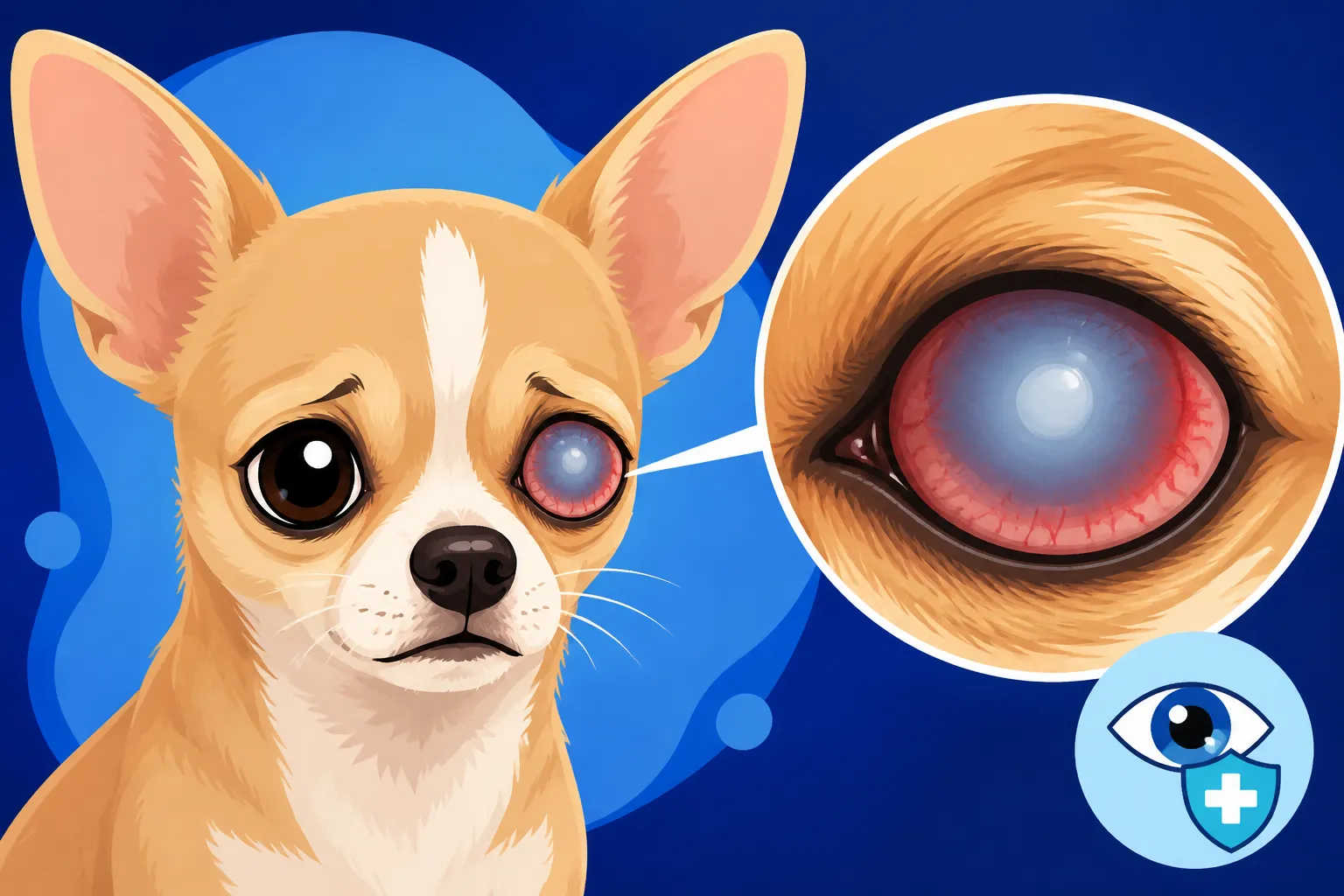
Beyond squinting and rubbing, keep an eye out for changes in the eye itself. You might notice increased tearing, which can sometimes appear thick or discolored if there's an infection brewing. The white part of the eye (sclera) might look red or inflamed, and the cornea itself, which is usually crystal clear, could appear cloudy, hazy, or even have a visible divot or irregularity. Sometimes, you might even see blood vessels growing into the cornea, which is the body's attempt to heal but also a sign of a deeper problem. If you spot any of these symptoms, don't wait. It’s an emergency that warrants immediate veterinary attention. This is especially true if you suspect Chihuahua Eye Injuries and Prominent Eyes from an incident.
When you get to the vet, they’ll typically perform a simple yet highly effective diagnostic test called a fluorescein stain. A special orange dye is applied to the eye, and if there’s a corneal ulcer present, the dye will stick to the exposed stromal layer of the cornea, showing up as a bright green under a blue light. It's truly amazing how such a quick and painless test can reveal so much! Your vet will also examine the eye thoroughly, often with an ophthalmoscope, looking for foreign bodies, checking tear production (especially if they suspect Dry Eye Behind a Chihuahua's Prominent Eyes), and ruling out other eye conditions. They might also check your dog’s intraocular pressure to rule out conditions like glaucoma. The goal is to not only confirm the ulcer but also identify its size, depth, and potential underlying cause.
Treatment Options and Recovery for Your Chihuahua
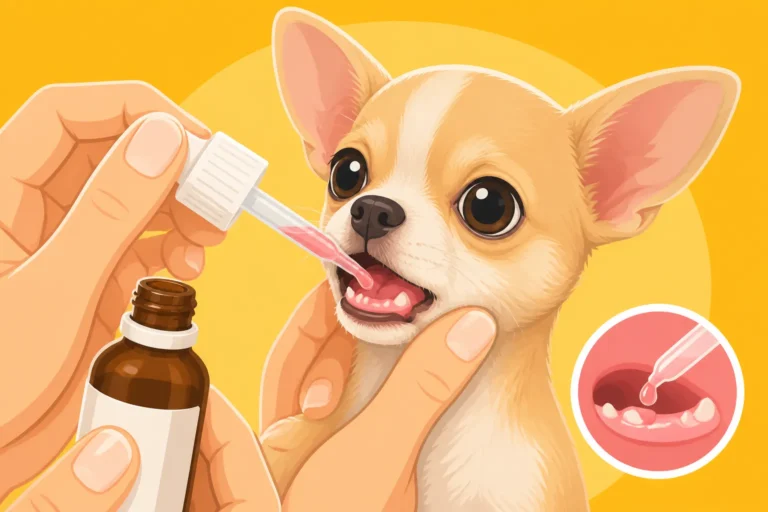
Once a corneal ulcer is diagnosed, your vet will tailor a treatment plan based on the severity and underlying cause. For superficial ulcers, the most common approach involves a regimen of eye drops and sometimes oral medication. You'll likely be sent home with a combination of antibiotic eye drops to prevent or treat infection, and potentially pain relief drops to make your Chihuahua more comfortable. Sometimes, a serum drop made from your dog's own blood might be used, as the natural growth factors can really help accelerate healing. The key here is strict adherence to the medication schedule – missing doses can prolong healing or worsen the infection. This can be challenging with a wiggly Chihuahua, but it's paramount.
It's absolutely vital that your Chihuahua wears an Elizabethan collar (the dreaded "cone of shame") during the entire healing process. I know, no one likes the cone, and your Chihuahua will likely try to charm their way out of it, but it's there to prevent them from rubbing, scratching, or pawing at their eye, which could easily delay healing or cause further damage. If the ulcer is deep or not healing properly, your vet might discuss surgical options. This could involve a conjunctival flap, where a small piece of tissue from the conjunctiva (the pink lining of the eyelid) is temporarily stitched over the ulcer to protect it and provide a blood supply for healing. This is a more involved procedure and will require careful post-operative care, including strict rest and a continued medication schedule. When considering any surgery, it's always wise to understand potential Chihuahua Surgery Costs at Toy Size and discuss all options with your vet.
Recovery is a journey, not a sprint, and it requires immense patience and dedication from you. You'll have frequent follow-up appointments with your vet to monitor the ulcer's progress, often involving repeat fluorescein stains to ensure it's shrinking and healing. It's during these visits that your vet can adjust medications as needed. During this time, keep your Chihuahua's environment calm and quiet, limit their activity, and ensure they can eat and drink comfortably with their cone on. Many owners find creative ways to help their pups navigate life in a cone, like placing bowls on a raised stand. Remember, healing can take anywhere from a few days for a superficial scrape to several weeks for a deeper ulcer. Pet insurance providers like Healthy Paws can often alleviate the financial stress of these unexpected veterinary visits and potential surgeries, especially given that emergency bills can easily run into the thousands.
Here's a quick reference for common symptoms and their urgency:
| Symptom | Urgency Level | Description |
|---|---|---|
| Squinting/Eye Held Shut | High | Indicates significant pain. Seek veterinary attention immediately. |
| Excessive Tearing | Moderate-High | Could be a response to irritation or pain. Monitor closely; seek vet care if persistent or accompanied by other signs. |
| Redness in White of Eye | High | Suggests inflammation or infection. Prompt vet visit recommended. |
| Cloudy/Hazy Cornea | High | A direct visual sign of corneal damage. Requires immediate veterinary assessment. |
| Rubbing Face/Pawing at Eye | High | Clear indication of discomfort and potential self-trauma. Vet visit needed to prevent worsening. |
| Thick or Discolored Discharge | High | Points to potential infection. Needs immediate vet care. |
| Visible Dent/Irregularity on Cornea | Critical | Indicates a deep ulcer or perforation. Seek emergency veterinary care without delay. |
| Lethargy/Changes in Behavior | High | General sign of discomfort and pain. Accompanied by eye symptoms, warrants immediate vet attention. |
Preventing Future Corneal Ulcers and Long-Term Eye Health
While you can't completely prevent every possible accident, there are definite steps you can take as a Chihuahua parent to minimize the risk of future corneal ulcers and generally promote good eye health. One of the simplest yet most effective measures is to routinely check your Chihuahua's eyes. Make it a habit to gently look at their eyes daily – check for redness, discharge, cloudiness, or any foreign objects. If you have a long-haired Chihuahua, keeping the hair around their eyes neatly trimmed can prevent irritation from stray hairs rubbing against the cornea.
Environmental adjustments play a huge role. Chihuahuas, being so close to the ground, are more susceptible to irritants. Try to keep their play areas clear of sharp debris, low-hanging branches, or overgrown plants that could poke them. Be mindful when walking your Chihuahua, especially in brushy areas. Some owners even opt for doggy goggles or eye protection for walks in very windy or dusty conditions, or during car rides with the window down. Using a harness instead of a collar for walks can also indirectly help, as it eliminates pressure on the neck that could cause them to rub their face more if irritated. This also ties into crucial discussions around Why a Harness Matters for a Chihuahua Windpipe.
Addressing underlying conditions is another critical preventive step. If your Chihuahua has chronic dry eye, consistent treatment with prescribed lubricating drops or immune-modulating medications is vital to keep the cornea moist and resilient. Regular veterinary check-ups are incredibly important for catching subtle changes before they escalate. Your vet can monitor for conditions like entropion (eyelids rolling inward) or distichiasis (extra eyelashes) which can constantly irritate the cornea. For those unexpected moments, it can be a huge relief to have a solid pet insurance plan from a provider like Healthy Paws in place, which can cover a significant portion of emergency vet visits and ongoing treatments for chronic conditions that impact eye health. Thinking about The Emergency Bills That Reach Chihuahua Owners can be daunting, but preparedness makes a real difference.
Finally, diet and general health play a part. A balanced diet supports overall health, including the health of the eyes. While specific supplements aren't a guaranteed preventative for ulcers, maintaining a strong immune system and healthy tear production can contribute to a more robust ocular defense. If your Chihuahua is prone to allergies that cause eye irritation, working with your vet to manage those allergies can also reduce the risk of secondary corneal issues. Remember, your Chihuahua's long lifespan means you'll be their primary caregiver for many years, so being proactive about their eye health is an ongoing commitment. Healthy Paws understands the unique needs of small breeds and offers comprehensive coverage that can be incredibly beneficial over a Chihuahua's extended life, providing peace of mind when those unexpected medical needs arise.
Disclaimer
This article is intended for informational purposes only and does not constitute professional veterinary advice. Always consult with a qualified veterinarian for any health concerns or before making any decisions about your Chihuahua's medical care.