Extracting Retained Chihuahua Canines
It’s a moment every new Chihuahua parent anticipates: that adorable phase where your tiny puppy is supposed to lose its baby teeth, making way for those shiny adult pearly whites. But for so many of us, that transition isn't quite so smooth. Instead of finding tiny teeth scattered about, you might peek into your Chihuahua's mouth one day and find something unsettling – two sets of teeth, side by side, especially those prominent canines. This common, yet often overlooked, issue of retained puppy canines can lead to significant pain and health problems for your pint-sized companion if not addressed. This guide will walk you through exactly what's happening, why it's so common in Chihuahuas, and what steps you can take to ensure your little one’s oral health is in tip-top shape.
Understanding Retained Puppy Teeth in Chihuahuas
Seeing a "double row" of teeth in your Chihuahua can be quite alarming, but it's a surprisingly frequent occurrence in toy breeds. While adorable, their compact size sometimes comes with unique anatomical challenges, and dental health is definitely one of them. Understanding why this happens and the potential consequences is the first step toward safeguarding your Chihuahua's well-being.
Why Chihuahuas Are Prone to Retained Canines
Chihuahuas, with their famously tiny jaws, are predisposed to a variety of dental issues, and retained deciduous (baby) teeth are at the top of that list. The normal process involves the adult tooth developing directly underneath its baby tooth counterpart, eventually pushing it out as it erupts. However, in Chihuahuas, several factors can disrupt this natural ballet. Often, their adult teeth don't align perfectly to resorb the root of the baby tooth, or their jaws are simply too small to accommodate the eruption path of the permanent tooth alongside the stubborn deciduous one.
Think of it like trying to fit two large suitcases into a tiny overhead compartment. There simply isn't enough space for both. This often means the adult canine tooth erupts next to the baby canine, rather than replacing it. Genetics play a significant role here, too; some lines of Chihuahuas are simply more prone to this condition. It's not a fault of your care, but rather a quirk of their unique physiology. This phenomenon is a primary reason why you might see a Chihuahua Tooth Crowding and Retained Baby Teeth.
The Dangers of Having Two Rows of Teeth
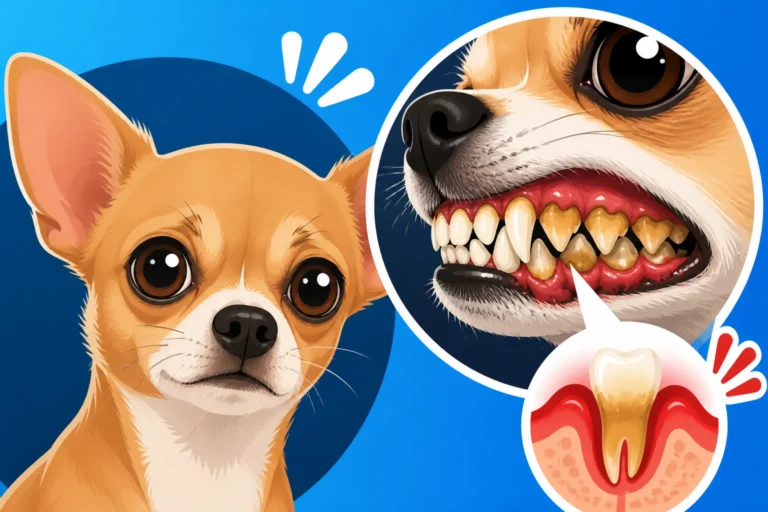
While two sets of teeth might look cute in a cartoon, in reality, it's a recipe for disaster for your Chihuahua's oral health. The most immediate and obvious danger is the increased risk of periodontal disease. When both a baby tooth and an adult tooth occupy the same space, they create incredibly tight crevices. These tight spaces become perfect traps for food particles, plaque, and bacteria. It's almost impossible to clean effectively, even with diligent home care.
This constant accumulation leads to rapid plaque and tartar buildup, which quickly escalates to gingivitis (gum inflammation) and eventually, full-blown periodontal disease. This isn't just about bad breath; periodontal disease can cause painful gum recession, bone loss, and ultimately, premature tooth loss. Furthermore, the misaligned adult tooth might rub against the gum or palate, causing chronic irritation, pain, or even traumatic injury. The presence of these extra teeth can also prevent the adult teeth from settling into their proper positions, leading to a permanent malocclusion, or improper bite. This can affect your Chihuahua's ability to chew comfortably and even cause discomfort when their mouth is closed. It's truly a cascade of problems that starts small but can become very serious.
Recognizing the Need for Extraction and When to Act
Identifying retained puppy teeth early is crucial for preventing more serious and painful dental problems down the road. As a responsible Chihuahua owner, becoming familiar with the signs and understanding the urgency of veterinary intervention can save your beloved companion a lot of discomfort and you, significant future vet bills.
What to Look For: Signs of Retained Canines
The most straightforward sign of retained canines is, of course, seeing two teeth where there should only be one. You'll typically notice this around 4 to 6 months of age, which is generally when puppy teeth should be falling out and adult teeth erupting. Pay particular attention to the canine teeth – those pointy "fangs" – because they are the most commonly retained. Look for the adult canine erupting either in front of, behind, or next to the baby canine. It often looks like a shark's mouth, with a smaller, sharper tooth nestled right up against the permanent one.
Beyond the visual cue, other red flags indicate something is amiss. You might notice your Chihuahua exhibiting signs of discomfort when eating, perhaps dropping food or being hesitant to chew harder kibble or treats. Bad breath, or halitosis, is a significant indicator of bacterial buildup and infection, even in young puppies. Swollen, red, or bleeding gums around the retained tooth are also clear signs of inflammation and early periodontal disease. Occasionally, you might even see a bit of discharge or pus if a serious infection has taken hold. If you're wondering Why a Chihuahua Keeps Its Puppy Canines, these visual cues are your primary confirmation that nature hasn't taken its course.
The Importance of Timely Veterinary Intervention
Once you've spotted retained puppy canines, immediate action is paramount. It’s not a "wait and see" situation. The longer those extra teeth remain, the greater the risk of severe and irreversible damage to the permanent teeth and surrounding oral structures. Every day that a retained baby tooth traps food and bacteria, it's actively contributing to plaque and tartar buildup on the newly erupted adult tooth. This accelerates the onset of Chihuahua Dental Disease in a Crowded Small Jaw, often leading to significant problems by the time the dog is just a few years old.
Early extraction ensures that the adult tooth has the best chance to shift into its correct position, preventing lifelong malocclusions. Your veterinarian will perform a thorough oral exam, which often includes dental X-rays under sedation or light anesthesia, to assess the extent of the problem and plan the extraction. Delaying treatment only increases the complexity and cost of the procedure, as chronic inflammation can lead to bone loss around the adult tooth, making its prognosis poorer even after the baby tooth is removed. Don't underestimate the impact; for a Chihuahua, a small problem can quickly become a big, painful one.
The Canine Extraction Process for Your Chihuahua
The idea of your tiny Chihuahua undergoing any surgery can be nerve-wracking, and dental extractions are no exception. However, when it comes to retained canines, it's a necessary procedure that, with proper veterinary care, is routine and typically results in a much happier, healthier pup. Understanding the steps involved can help alleviate some of that anxiety.
Pre-Surgery Preparations and Anesthesia Concerns
Before any dental procedure, especially one involving extractions, your veterinarian will recommend a comprehensive pre-anesthetic workup. This typically includes blood tests to evaluate your Chihuahua's organ function (liver and kidneys), ensuring they can safely metabolize anesthetic drugs. For such a small dog, careful assessment is crucial because their tiny bodies react differently than larger breeds. A thorough physical exam will also be performed to catch any other underlying health issues.
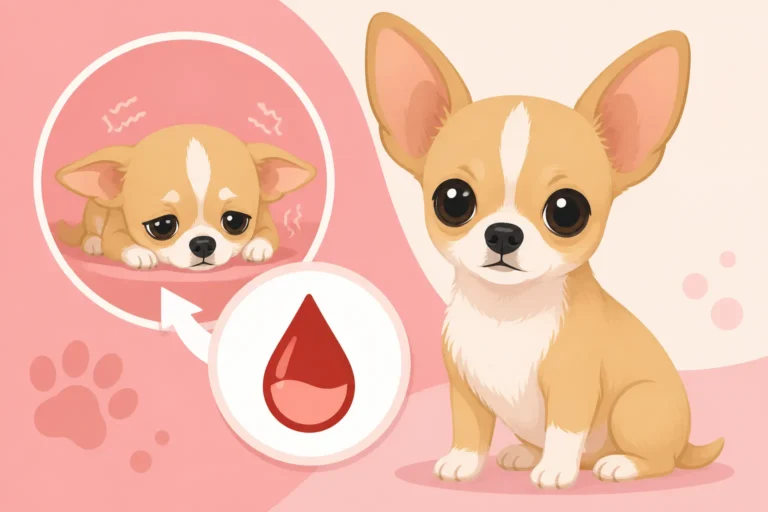
Anesthesia for a Chihuahua comes with its own set of considerations. Their small size means they can lose body heat very quickly during surgery, so maintaining their core temperature with warming blankets or circulating warm water pads is essential. Furthermore, toy breeds are more susceptible to Chihuahua Hypoglycemia and the Puppy Emergency if they go too long without food, so your vet will provide precise instructions on when to stop feeding before the procedure. It's critical that your vet clinic is experienced with toy breed anesthesia, employing state-of-the-art monitoring equipment (like ECG, pulse oximetry, blood pressure, and capnography) and dedicated personnel to oversee your dog throughout the entire process. You might even want to ask about Warming a Chihuahua Through an Anesthetic to understand the precautions they take.
What Happens During the Extraction Procedure
Once your Chihuahua is safely under general anesthesia, the real work begins. The first step is typically a full and detailed oral examination, often combined with full-mouth dental X-rays. These X-rays are invaluable because they allow the veterinarian to see the roots of the teeth – both the retained puppy tooth and the permanent tooth – which are hidden beneath the gum line. This helps them understand the exact position and health of the roots, guiding a precise and safe extraction plan.
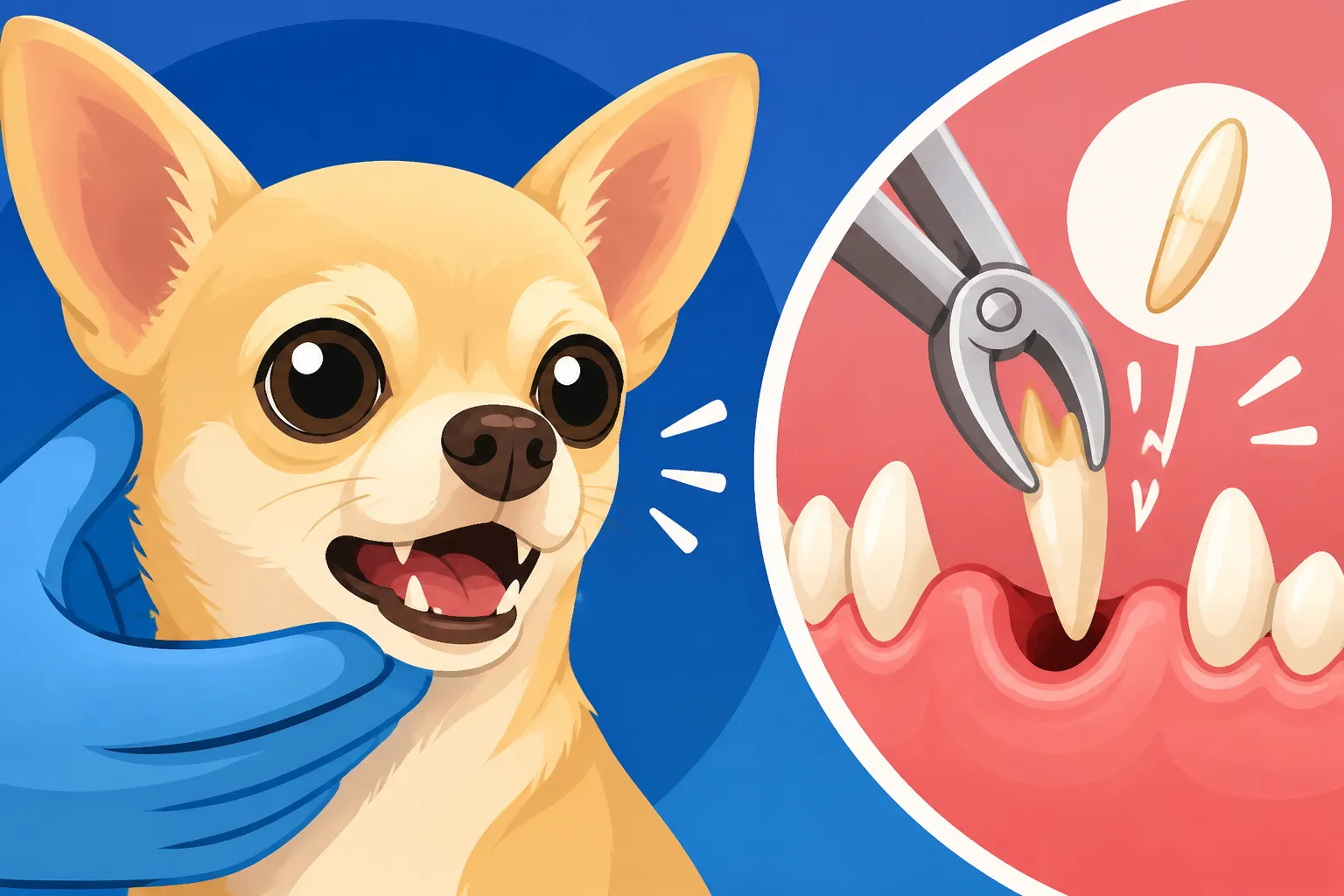
The retained puppy canine will then be carefully extracted. This isn't just about pulling a tooth; it's a delicate surgical procedure. The veterinarian will often make a small incision in the gum to expose the root, gently separate the tooth from the surrounding bone and gum tissue, and then remove it. The goal is always to minimize trauma to the surrounding tissues and, most importantly, to protect the permanent adult canine tooth that lies adjacent to it. After the extraction, the gum may be sutured closed with dissolvable stitches. Pain medication will be administered during and after the procedure to ensure your Chihuahua's comfort, and antibiotics might be prescribed to prevent infection. Often, if there are other early signs of Chihuahua Dental Disease in a Crowded Small Jaw, a thorough cleaning will be performed at the same time, because How Young a Chihuahua Needs Its First Dental is often earlier than many owners realize due to these genetic predispositions.
Post-Operative Care and Recovery at Home
Bringing your Chihuahua home after dental surgery requires a bit of extra tender loving care. Your vet will send you home with detailed instructions, which usually include a course of pain medication and potentially antibiotics. It's crucial to follow these directions precisely, ensuring your dog stays comfortable and free from infection. You'll likely need to feed a soft diet for several days to a week to prevent irritation to the extraction sites. This might mean wet food, or even softened kibble.
Monitoring your Chihuahua for any signs of complications is also important. Look out for excessive bleeding, swelling around the mouth or face, lethargy, or a reluctance to eat or drink. While some mild swelling and discomfort are normal, anything severe warrants a call to your vet. Most Chihuahuas bounce back remarkably quickly, often within a few days, and many owners report a noticeable improvement in their dog's comfort and willingness to eat once those troublesome teeth are gone. A follow-up appointment will likely be scheduled to ensure proper healing and discuss a long-term dental hygiene plan, which, as we'll discuss, is vital for Chihuahuas.
Preventing Future Dental Problems and Managing Costs
Addressing retained canines is a critical step, but it's just the beginning of a lifelong commitment to your Chihuahua's oral health. Their unique dental structure makes them prone to recurring issues, so proactive prevention and smart financial planning are key.
Daily Dental Hygiene for a Chihuahua
For Chihuahuas, daily dental hygiene isn't just a suggestion; it's an absolute necessity. Because of their crowded mouths and propensity for tartar buildup, neglecting daily care almost guarantees future dental disease. The gold standard is, without a doubt, daily tooth brushing. It might sound daunting for such a small dog, but with patience and positive reinforcement, most Chihuahuas can learn to tolerate it. Start slowly, using a finger brush or a tiny soft-bristled brush designed for small pets, along with dog-specific enzymatic toothpaste. If you need tips, there's a great guide on The Two Minute Daily Chihuahua Tooth Routine.
Beyond brushing, dental chews approved by the Veterinary Oral Health Council (VOHC) can offer some benefit, though they are never a substitute for brushing. Ensure they are appropriately sized for your Chihuahua to prevent choking and only offer them under supervision. Water additives can also help reduce bacteria in the mouth, but again, they work best in conjunction with brushing. Regular veterinary check-ups are paramount, too, as your vet can spot early signs of Chihuahua Bad Breath and What It Means or other issues and recommend professional cleanings as needed. These proactive steps are crucial in preventing the rapid progression of periodontal disease that often plagues the breed.
Budgeting for Chihuahua Dental Care
Let's be real: dental care, especially surgical extractions, isn't cheap. For Chihuahuas, with their specific dental challenges, you can expect dental bills to be one of the highest recurring costs of their care over their lifetime. A standard dental cleaning, which includes examination under anesthesia, scaling, polishing, and sometimes X-rays, can range from $300 to $700 or more, depending on your location and veterinary clinic. When extractions are needed, the costs climb significantly, often reaching $500 to $1,500 per procedure, depending on the number and complexity of extractions. This is why many owners find themselves budgeting for a Chihuahua Dental Cleaning at $300 to $700 annually.
Given these expenses, many Chihuahua owners find pet insurance to be a lifeline. Companies like Healthy Paws offer comprehensive coverage that can help mitigate the financial impact of unexpected dental surgeries or even routine cleanings (if a wellness plan is added). While most policies won't cover pre-existing conditions like a retained tooth discovered before enrollment, enrolling your puppy early can protect you from future issues. Understanding your policy and deductible is key; for example, a company like Healthy Paws can often cover a significant percentage of the costs once your deductible is met, making those daunting bills much more manageable. It's truly an investment in your Chihuahua's long-term health and your peace of mind.
Regular veterinary visits also allow your vet to advise on when a professional cleaning is becoming necessary, preventing more severe issues that would require more extensive and costly treatments down the line. It's about proactive management to keep costs predictable and your Chihuahua healthy.
| Dental Procedure/Issue | Typical Age (Approx.) | What to Look For | Common Cost Range (USD) | Key Prevention/Management |
|---|---|---|---|---|
| Retained Puppy Canines | 4-6 months | Two teeth in one spot (esp. canines), bad breath, red gums | $500 – $1,500 (with anesthesia & X-rays) | Early vet check-ups, timely extraction |
| Plaque/Tartar Buildup | 1-3 years | Yellowish deposits on teeth, bad breath, red gums | Included in cleanings | Daily brushing, VOHC dental chews, water additives |
| Gingivitis (Gum Inflammation) | 1-3 years | Red, swollen gums, bleeding when touched | Included in cleanings | Daily brushing, regular professional cleanings |
| Periodontal Disease | 3+ years | Severe gum recession, loose teeth, bone loss, pus | $700 – $3,000+ (cleanings, X-rays, extractions) | Aggressive daily hygiene, professional cleanings, potential pet insurance (e.g., Healthy Paws) |
| Tooth Fractures | Any age | Chipped or broken tooth, pain when eating, drooling | $300 – $1,000+ (extraction or root canal) | Avoid hard chews, supervise play |
| Anesthesia Risk | Any age | Lethargy, poor appetite post-op | Included in procedure | Pre-anesthetic bloodwork, experienced vet, proper monitoring |
Disclaimer
The information provided in this guide is intended for educational purposes only and should not be considered a substitute for professional veterinary advice. Always consult with a qualified veterinarian for any health concerns or before making any decisions related to your Chihuahua's care.