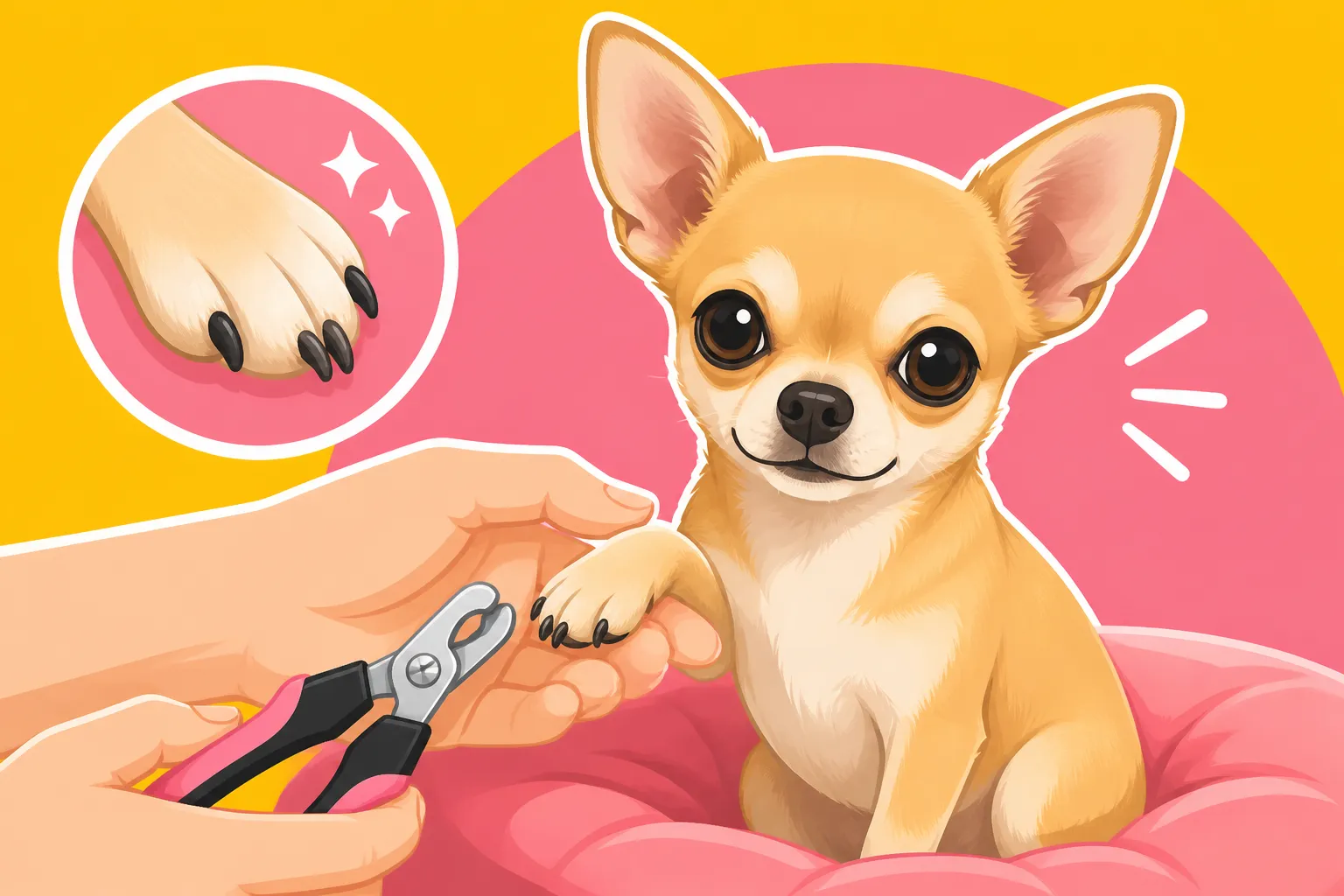
Chihuahua Nail Trimming at Toy Size
It's a familiar struggle for so many Chihuahua parents: you look down at those tiny paws, and your heart sinks a little. Those nails are getting long, you know it, but the thought of trying to trim them can feel like preparing for battle. It's not just that your Chihuahua is small; it's the intense drama, the trembling, the quick flashes of sharp teeth, and the sheer terror on their face that makes nail trimming one of the most dreaded grooming tasks. This comprehensive guide is here to walk you through everything you need to know about successfully trimming your Chihuahua's nails, making it a less stressful experience for both of you.
Why Nail Trimming is Such a Big Deal for Tiny Chihuahuas
For such a small dog, nail trimming can feel disproportionately difficult and stressful. It’s not just an aesthetic concern; keeping your Chihuahua’s nails at a healthy length is critical for their overall well-being and comfort. Ignoring this task can lead to a cascade of problems that are easily preventable.
The Perils of Overgrown Nails for a Small Dog
When a Chihuahua’s nails grow too long, they don't just look untidy; they can actively cause pain and contribute to significant health issues. Imagine walking around with tiny, sharp pebbles constantly digging into your soles, or feeling like your shoes are always too small. That’s a bit like what it’s like for a Chihuahua with overgrown nails. The long nails push back into the nail bed as they walk, creating pressure and discomfort with every step. This can lead to the toes splaying, which can change the way they distribute their weight. Over time, this unnatural gait can cause strain on their delicate joints, potentially exacerbating or even initiating conditions like Chihuahua Arthritis in the Teenage Years or Patellar Luxation, the Chihuahua's Commonest Joint Problem.
Beyond general discomfort, very long nails can curve under and grow into the paw pad, leading to painful infections, ingrown nails, and serious lameness. It's a deeply unpleasant scenario that often requires veterinary intervention. And for a breed already prone to issues like Chihuahua Legg-Calve-Perthes Disease or general back and neck pain, adding unnecessary stress to their skeletal system is something we definitely want to avoid. You might notice your little one walking gingerly, or even refusing to walk on certain surfaces. They might also start licking their paws excessively, which is a common sign of discomfort or pain.
The Fear Factor: Why Chihuahuas Often Resist
Let's be honest, Chihuahuas often get a reputation for being "dramatic," but when it comes to nail trims, their fear is often very real and deeply rooted. Because they are so small, they are naturally more vulnerable and often feel insecure when being held or restrained, especially if past experiences have been unpleasant. The sensation of their paws being handled, the pressure of the clippers, and the sudden, sometimes startling, sound of the clip can be genuinely terrifying for them. Add to that the possibility of accidentally cutting too close and hitting the quick – which is incredibly painful – and you've got a recipe for a dog that absolutely dreads the entire process.
Many Chihuahuas, especially those not properly socialized or accustomed to handling from a young age, develop what some call "small dog syndrome" – a set of behaviors often rooted in fear and insecurity. While it's not a genetic condition, it's a common observation that many small dogs are inadvertently taught that they don't need to tolerate handling because their owners are often hesitant to enforce it. They learn that struggling or nipping works to get them out of uncomfortable situations. This fear response can manifest as trembling, growling, snapping, or even trying to bite. It's important to remember that these aren't "bad" behaviors, but rather expressions of fear or past negative associations. Addressing this fear, rather than punishing it, is key to successful nail trims. Think about how you would feel if someone was doing something you found scary, and suddenly, they caused you pain. It's easy to see why they resist.
Understanding the Anatomy of a Chihuahua Nail
To trim your Chihuahua's nails effectively and safely, you really need to understand what you're actually cutting. It's not just a hard, inert casing; there's living tissue inside, and knowing where that tissue ends is crucial.
Locating the Quick: The Nerves and Blood Vessels
Inside each of your Chihuahua's nails is something called the "quick." This isn't just a fancy name; it's a very real structure composed of blood vessels and nerves. If you cut into the quick, it will bleed, and it will be painful for your dog. This is the primary reason why so many Chihuahuas develop a deep-seated fear of nail trims – a bad experience with the quick is hard to forget.
For Chihuahuas with clear or light-colored nails, identifying the quick is usually easier. You'll see the translucent nail material, and then a pinkish or reddish area within it. That pink area is the quick. Your goal is to trim the nail just before the quick, leaving a small buffer. It's better to trim a tiny bit off more frequently than to try and take a lot off at once and risk hitting the quick. Over time, with consistent, short trims, the quick will actually recede slightly, allowing you to gradually shorten the nail more.
The Dark Nail Dilemma
What about Chihuahuas with dark or black nails? This is where the challenge really comes in, as the quick isn't visible through the nail. This makes many owners understandably nervous, as they're essentially cutting blind. In these cases, you'll need to rely on a different strategy. Instead of looking for a color change, you'll look at the cross-section of the nail as you make very small cuts.
Start by clipping off only the very tip of the nail. After each tiny clip, look at the cut surface head-on. If the nail still looks white and powdery, you're safe to make another small clip. Continue this process, taking off sliver by sliver, until you see a small, dark, shiny dot appear in the center of the white area. That dot is the beginning of the quick. Stop immediately! You've gone as far as you can with that nail. This method, while slower, greatly reduces the risk of hitting the quick. It demands patience but gives you confidence when dealing with those tricky dark nails. Many people find using a Dremel-style grinder, which takes off tiny layers at a time, to be less intimidating for dark nails because it allows for more control and a slower approach to the quick.
Choosing the Right Tools for Your Chihuahua's Tiny Paws
Having the right equipment is half the battle won. The small size of a Chihuahua means that standard clippers designed for larger breeds just won't cut it – literally. Investing in appropriate, high-quality tools tailored to their delicate nails will make the process much smoother and safer.
Clipper Types: Scissor vs. Guillotine vs. Grinder
When it comes to nail trimming tools, you have a few main options, each with its own pros and cons, especially for a tiny Chihuahua:
- Scissor-style clippers: These are often the preferred choice for Chihuahuas. They look like a pair of scissors with a semi-circular notch for the nail. They offer good control and a clear view of the nail as you cut. Because Chihuahua nails are typically thin, these clippers can make a clean, quick cut. Brands like Chewy often carry a variety of small-sized scissor clippers perfectly suited for toy breeds.
- Guillotine-style clippers: These are less commonly recommended for Chihuahuas. They have a small hole where you insert the nail, and a blade slides across to make the cut. While some people find them effective for larger, thicker nails, they can be a bit bulky and harder to maneuver accurately on a Chihuahua's tiny nails, potentially obscuring your view of the quick. The cutting action might also feel more sudden or harsh to a sensitive Chihuahua.
- Nail Grinder (Dremel-style tool): This is an excellent alternative, especially if you or your Chihuahua are nervous about traditional clippers. A grinder files the nail down slowly using a rotating abrasive bit. This method is often less intimidating because there's no sudden "snip," and it allows for much finer control, reducing the risk of hitting the quick. It's particularly good for dark nails where the quick is hard to see. The downside is the vibration and noise, which some Chihuahuas find unsettling, and it takes longer than clipping. However, with proper desensitization, many Chihuahuas tolerate grinding well. You can find quiet, small-sized grinders specifically for pets on platforms like Amazon.
| Tool Type | Pros for Chihuahuas | Cons for Chihuahuas | Best Use Case |
|---|---|---|---|
| Scissor Clippers | Good control, clear view, quick cut on thin nails | Can still hit quick if not careful, scary "snip" sound | Light-colored nails, quick, confident trimmers |
| Guillotine Clippers | (Generally not recommended for Chihuahuas) | Bulky, poor visibility, harsh cutting action, risk of crushing | Not ideal for toy breed nails |
| Nail Grinder | Excellent control, less risk of quicking, smooth finish | Noise/vibration can be scary, takes longer, dusty | Dark nails, fearful dogs (with desensitization), very short nails |
Essential Supplementary Supplies
Beyond the main cutting tool, a few other items are absolute must-haves for a successful and safe nail trimming session:
- Styptic Powder: This is non-negotiable. Even the most careful owner can accidentally nick the quick. Styptic powder (like Kwik Stop) is a fast-acting clotting agent that stops bleeding immediately. Have it open and ready before you start trimming. Just a tiny pinch pressed onto the bleeding quick will usually do the trick. Knowing you have this on hand can significantly reduce your own anxiety, which in turn helps keep your Chihuahua calm.
- High-Value Treats: Positive reinforcement is your best friend when it comes to grooming a Chihuahua. Have a plentiful supply of their absolute favorite, tiny, soft treats ready to dole out. Think small bits of cheese, cooked chicken, or special training treats. You want to make this experience as rewarding as possible. Every clip, every paw touch, every moment of calm cooperation should be followed by a delicious reward. Treats Small Enough for Chihuahua Training are vital here.
- Good Lighting: You need to be able to see what you're doing! A well-lit area is crucial, especially if your Chihuahua has dark nails. A headlamp can be surprisingly useful, as it directs light exactly where you need it without requiring an extra hand.
- Towels or a Non-Slip Mat: Providing a stable, comfortable surface helps your Chihuahua feel secure. A soft towel or a non-slip mat prevents them from sliding around, which can increase their anxiety and make it harder for you to hold their paw steady.
Step-by-Step Guide to a Stress-Free Chihuahua Nail Trim
Okay, you've got your tools, your treats, and your styptic powder. Now, let's talk about the actual process. Approach this with patience, calm energy, and a commitment to making it a positive experience for your little one. Remember, consistency and positive reinforcement are your greatest allies.
Setting the Scene for Success
Before you even think about picking up a clipper, you need to set yourself up for success. This isn't a task you rush or do while distracted.
- Choose the Right Time: Pick a time when your Chihuahua is naturally calm and relaxed. This might be after a good play session, a walk where they've expended some energy, or even when they're a bit sleepy. Avoid trying to trim nails when they are hyped up, over-excited, or already anxious.
- Find a Quiet, Comfortable Spot: A place free from distractions is ideal. This could be on the floor, on a comfortable sofa with you, or on a low, stable table covered with a non-slip mat. Make sure you are comfortable too, as tension in your body can transfer to your dog.
- Practice Handling: Even if you're not trimming, regularly practice touching and holding your Chihuahua's paws. Gently spread their toes, touch their nails, and offer a treat. Make it a routine, daily exercise. This isn't just for puppies; even adult Chihuahuas can benefit from consistent, positive paw handling. The more comfortable they are with their paws being touched, the less resistance you'll face during actual trims. This falls under Chihuahua Handling and Why Carrying Backfires, as proper handling builds trust.
- Introduce the Tools (Desensitization): Let your Chihuahua see and smell the clippers or grinder. Turn the grinder on briefly in another room so they hear the sound without it being directly threatening. Gradually move it closer, offering treats when they react calmly. Don't try to use it on their nails immediately. The goal is to make these tools seem benign, not scary. This falls perfectly into a strategy of Training a Chihuahua Exactly Like a Big Dog – gradual exposure and positive association.
The Gentle Approach: Technique for Each Nail
Now, for the actual trimming. Remember, slow and steady wins the race.
- Hold the Paw Gently but Securely: Support the paw in your hand, extending one toe at a time. Be firm enough to prevent sudden jerking but gentle enough not to cause discomfort. Avoid squeezing too hard.
- Isolate the Nail: Use your thumb on top of the toe and your forefinger underneath the paw pad to push the nail forward slightly, separating it from the fur and paw pad. This gives you a clear view of the nail.
- Make Small Cuts (or Grinds):
- Clippers: If using clippers, aim for a straight cut across the very tip of the nail, or at a slight angle upwards. Never cut above the visible quick. For dark nails, remember the "white powdery, then dark dot" method. Take off just a tiny bit.
- Grinder: If using a grinder, touch the rotating head to the tip of the nail for just a second or two, then pull away. Repeat this motion, gradually filing down the nail. This prevents the nail from getting too hot and allows you to monitor your progress toward the quick. Always move in short bursts.
- One Nail at a Time, Rewards In Between: Don't feel pressured to do all nails at once. Do one nail, offer a treat and praise. Do another, offer a treat and praise. If your Chihuahua starts to show signs of stress, take a break. You can even spread the task out over several short sessions throughout the day or week. The idea is to keep it positive and short.
Rewarding Positive Behavior
This step is arguably the most important. Every time your Chihuahua tolerates a paw touch, a clipper sound, or a successful clip, lavish them with praise and a high-value treat.
- Praise Enthusiastically: Use a happy, calm voice. "Good job, smart dog!" or "Yes! What a brave puppy!"
- Treat Generously: Don't be stingy! These special treats are specifically for nail trims. Make sure they are small enough to be eaten quickly without distraction.
- End on a High Note: Always try to end the session on a positive note, even if you've only managed one nail. If they're getting too stressed, stop before they hit their breaking point. You want them to associate the end of the trim with relief and rewards, not with extreme distress. This helps build positive anticipation for the next session. This kind of consistent positive reinforcement builds trust and makes future sessions easier, especially for a breed known for its Chihuahua Fear Reactivity, the Breed's Real Problem.
Troubleshooting Common Chihuahua Nail Trimming Challenges
Even with the best intentions and techniques, you might run into some bumps along the road. Don't get discouraged! These are common issues, and there are ways to address them.
Dealing with the "Quick": When Accidents Happen
It's almost a rite of passage for dog owners: eventually, you'll probably hit the quick. It's not the end of the world, but it can be upsetting for both you and your Chihuahua.
- Don't Panic: Your Chihuahua will react to your energy. If you freak out, they will too. Stay calm.
- Apply Styptic Powder: Immediately grab your prepared styptic powder. Press a small amount firmly onto the bleeding quick for about 10-15 seconds. The bleeding should stop quickly. If you don't have styptic powder, a clean cloth with cornstarch or flour can work in a pinch, though not as effectively.
- Offer Comfort and Reassurance: Once the bleeding stops, comfort your Chihuahua. Don't punish them for crying out or pulling away; they are genuinely in pain. Offer gentle praise and a special treat.
- Take a Break: It's usually best to stop the session for the day, or at least for that paw. Let both of you recover. You can try again tomorrow, focusing on rebuilding trust. This is a critical moment for reinforcing that you are still a safe, loving presence, even if an accident occurred.
Overcoming Resistance and Fear
If your Chihuahua is absolutely terrified, lunges, bites, or trembles uncontrollably, simply forcing the issue will only make things worse. You need to re-evaluate your approach.
- Go Back to Basics (Desensitization): Start from square one. For several days or weeks, just practice touching their paws for a second, then treat. Gradually increase the duration and intensity of handling. Introduce the clippers or grinder again, without using them, pairing them with treats. Let them sniff the tools, then get a treat. Turn the grinder on in the same room, treat. Repeat, repeat, repeat. Think of it as teaching them that the tools predict good things.
- Positive Reinforcement Only: Absolutely no scolding or punishment. This will only deepen their fear. Every interaction around nail trimming must be positive.
- Consider a Muzzle: For Chihuahuas who are prone to biting when fearful, a lightweight, comfortable muzzle can be a temporary safety measure. This is not for punishment but for prevention, protecting you and allowing you to safely perform the task. It should be introduced gradually and positively, never just forced on them. Muzzle training, even for a small dog, can be incredibly beneficial.
- Enlist Help: If possible, have one person hold and distract with treats while the other person trims. The person holding should provide calm, reassuring physical contact.
- Wrap or Swaddle: Some Chihuahuas feel more secure when gently wrapped in a towel or blanket, like a burrito, leaving only the paw you're working on exposed. This can provide a sense of security and limit their ability to squirm.
- Talk to Your Vet: If the fear is severe and you're making no progress, discuss it with your veterinarian. They might suggest a mild sedative for nail trims, especially for a particularly difficult session. They can also offer professional guidance on fear reduction techniques or refer you to a certified professional dog trainer or behaviorist specializing in small dogs. They can give you tailored advice on things like Anti-Seizure Medication for a Six Pound Dog if appropriate, or discuss underlying pain issues.
When Professional Help is Needed
There's no shame in admitting you need help! Sometimes, the bond between an owner and their Chihuahua is so strong that the dog simply won't let them do it, but will tolerate a professional.
- Veterinary Technicians: Most veterinary clinics offer nail trimming services. Vet techs are experienced, quick, and know how to handle even the most dramatic Chihuahuas safely. They can also demonstrate techniques for you to try at home.
- Professional Groomers: Many groomers also offer nail trims as a standalone service. Look for groomers who have experience with toy breeds and use positive reinforcement.
- Behavioral Specialists/Trainers: If your Chihuahua's fear is extreme and impacting other areas of their life, a certified professional dog trainer or veterinary behaviorist can help you develop a comprehensive behavior modification plan. They can guide you through systematic desensitization and counter-conditioning specific to nail trims. Vetting a Trainer Before You Book a Chihuahua is crucial here; ensure they use positive, fear-free methods.
Making Nail Trims a Positive Experience for Life
The goal isn't just to get the nails trimmed today; it's to create a lifelong positive association with the process. This takes ongoing effort, but the payoff is a happier, healthier Chihuahua and less stress for everyone involved.
Starting Young: Desensitization for Puppies
The best time to start is when your Chihuahua is a puppy. Their brains are sponges, and positive early experiences can shape their entire outlook on grooming.
- Handle Paws Daily: From the moment you bring your puppy home, gently touch their paws, toes, and nails several times a day. Make it a pleasant interaction with soft praise and tiny treats. Chihuahua Puppy Biting at Fingers is a common issue, and consistent gentle handling can help.
- Introduce Clippers/Grinder: Let the puppy see, sniff, and eventually hear the tools from a distance. Reward calm curiosity.
- Mock Trims: Without actually cutting, go through the motions of holding a paw, pressing a toe, and even touching the clipper to a nail, immediately followed by a treat.
- Tiny Snips: As soon as they are comfortable, start with just one tiny snip on one nail. Then treat and quit. Build up gradually over days or weeks. The aim is to make it so normal and unthreatening that they barely notice. This early exposure is vital for their long-term comfort with handling.
Maintaining a Regular Schedule
Consistency is key to keeping your Chihuahua's nails healthy and to prevent the quick from growing too long.
- Frequency: For most Chihuahuas, a nail trim every 2-4 weeks is ideal. Some might need it more frequently, especially if they don't do much walking on rough surfaces that naturally wear down nails. Walking a Chihuahua Twenty Minutes a Day can help, but often isn't enough to keep nails perfectly short.
- Observe Nail Length: A good rule of thumb is that when your Chihuahua is standing, their nails should not touch the ground. If you can hear their nails clicking on hard floors, they are too long.
- "Little and Often" Approach: Instead of trying to do a big trim once a month, consider doing tiny trims weekly or even every few days. This prevents the nails from getting too long, helps the quick recede, and makes each session less stressful because you're taking off so little. This is often easier for nervous dogs and owners.
- Monitor for Overgrowth as They Age: As Chihuahuas enter their senior years, their activity levels might decrease, meaning their nails wear down less naturally. Conditions like Chihuahua Arthritis in the Teenage Years can make paw handling painful, so maintaining short nails consistently becomes even more important. Mobility Help for a Fifteen Year Old Chihuahua includes ensuring their paws are comfortable. Regular trims are a small but significant part of Senior Chihuahua Care Past the Age of Twelve and ensuring their comfort and mobility.
Nail trimming for your tiny companion doesn't have to be a nightmare. With the right tools, a gentle approach, consistent positive reinforcement, and a bit of patience, you can transform this dreaded chore into a manageable, even calm, routine. It takes effort, but your Chihuahua's comfort and long-term health are absolutely worth it.
Disclaimer
This article is for general informational purposes only and does not constitute professional advice. Laws, prices and regulations vary by location and change over time. Consult a qualified professional for guidance on your specific situation.