Neutering and Chihuahua Behavior Changes
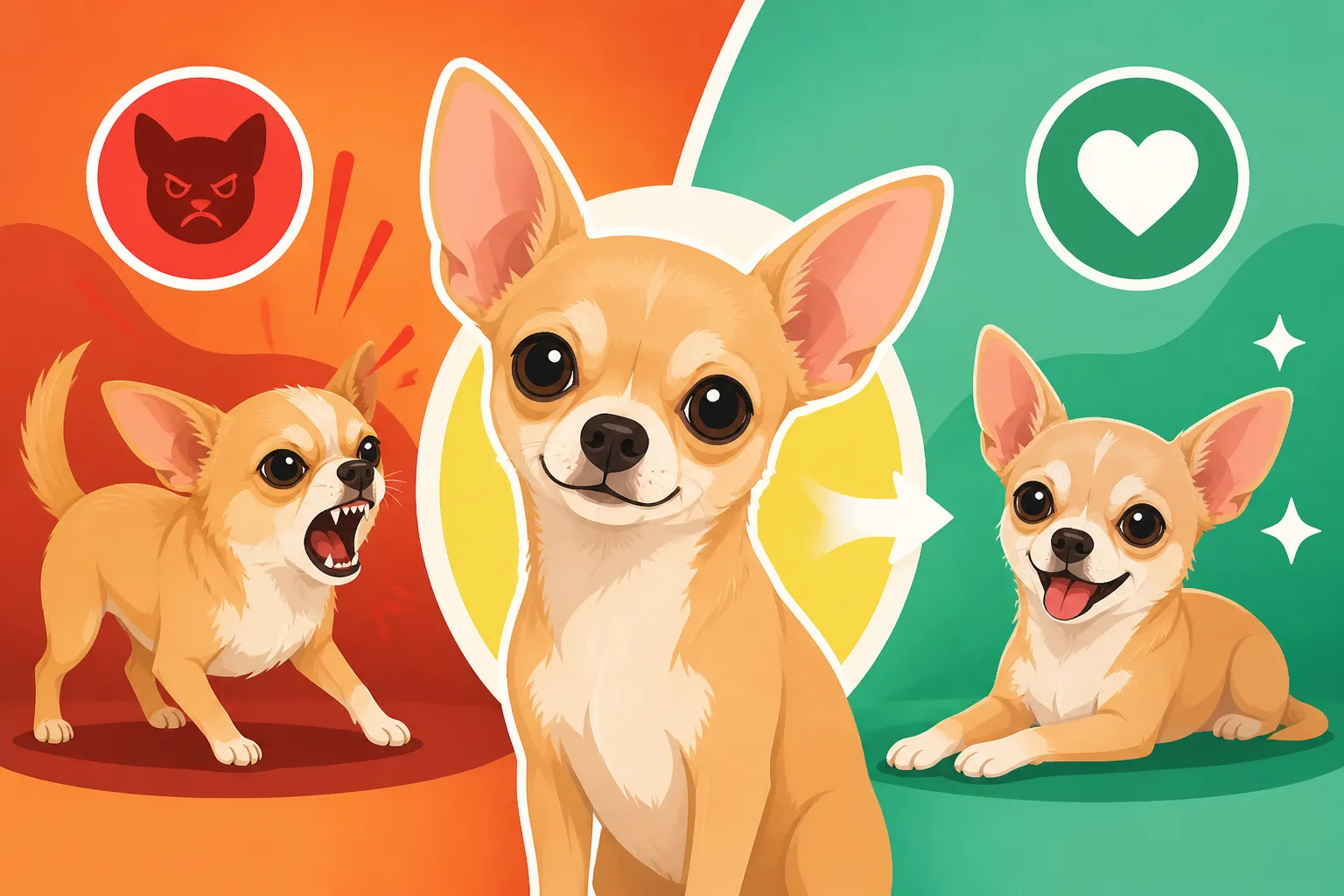
It's a common worry for many Chihuahua parents: how will neutering or spaying change their little dog's personality? Will they become a completely different dog, or will it simply smooth out some of those more challenging hormone-driven behaviors? This guide aims to clear up the confusion and set realistic expectations about the behavioral shifts you might see in your Chihuahua after their spay or neuter surgery.
Understanding Hormonal Shifts After Neutering
When you decide to spay or neuter your Chihuahua, you're making a significant health decision that also has a profound impact on their hormonal landscape. These changes, primarily the removal of testosterone in males and estrogen/progesterone in females, directly influence many of the behaviors we associate with intact dogs. It’s not just about preventing puppies; it's about reshaping internal drives.
The Role of Testosterone in Male Chihuahua Behavior
For male Chihuahuas, testosterone is the driving force behind many "masculine" behaviors. Think about the incessant leg lifting to mark every vertical surface, the intense focus on sniffing out female dogs in heat from a mile away, or that often-frustrating urge to roam and find a mate. Testosterone fuels these instincts, making an intact male Chihuahua feel compelled to act on them. He's hardwired to perpetuate his line, and his body is constantly producing the hormones that tell him to do just that. This isn't a fault in his character; it's pure biology.
After a neuter surgery, the source of this testosterone is removed. You won't see an immediate, overnight transformation, because hormones need time to dissipate from the system, and some behaviors are deeply ingrained habits rather than purely hormonal. However, over the weeks and months following the procedure, the steady decline in testosterone means the intense biological pressure to mark, roam, or compete with other males significantly lessens. This reduction in hormonal "noise" can allow your Chihuahua to focus more on you and his environment, rather than being constantly distracted by these primitive urges.
Estrogen and Progesterone in Female Chihuahua Behavior
Female Chihuahuas, when intact, go through regular heat cycles, usually twice a year. During these periods, their bodies are awash with fluctuating levels of estrogen and progesterone. These hormonal surges can lead to a whole host of behavioral changes that can be quite stressful for both the dog and their owner. You might notice your otherwise sweet girl becoming incredibly clingy, anxious, or even irritable. Some will vocalize much more, whining or crying as their hormones compel them to seek a mate. There's often a discharge, and you might find yourself constantly cleaning up after her or using doggy diapers.
Beyond the obvious signs of a heat cycle, some intact females experience phantom pregnancies, where their bodies believe they are pregnant even when they're not. This can manifest in nesting behaviors, carrying toys around like puppies, and even producing milk. These episodes, driven by progesterone, can be emotionally taxing for your Chihuahua. Spaying, which removes the ovaries and often the uterus, eliminates these hormonal cycles entirely. Without the roller coaster of estrogen and progesterone, many female Chihuahuas become much more emotionally stable, losing those intense mood swings and the physical discomfort of heat cycles and phantom pregnancies. The goal isn't to change her fundamental personality, but to remove the biological stressors that can make her feel anxious or restless for weeks at a time.
Common Behavioral Changes Expected Post-Neutering
While neutering isn't a magical cure-all, it does reliably impact a range of hormone-driven behaviors. Knowing what to expect can help you reinforce positive changes and address any lingering habits effectively. The key is understanding that deeply ingrained habits might still require consistent training, even if the hormonal motivation is gone.
Reduction in Marking and Roaming Behaviors
One of the most anticipated and often observed changes after neutering a male Chihuahua is a significant reduction in marking. Intact males are biologically programmed to "advertise" their presence through urine, not just to relieve themselves, but to communicate with other dogs, especially females in heat. Every tree, lamp post, and even piece of furniture can become a billboard. After neutering, the drive to send these hormonal messages diminishes greatly. You'll likely see less leg-lifting indoors and outdoors, and he might even stop feeling the need to "re-mark" spots where other dogs have urinated.
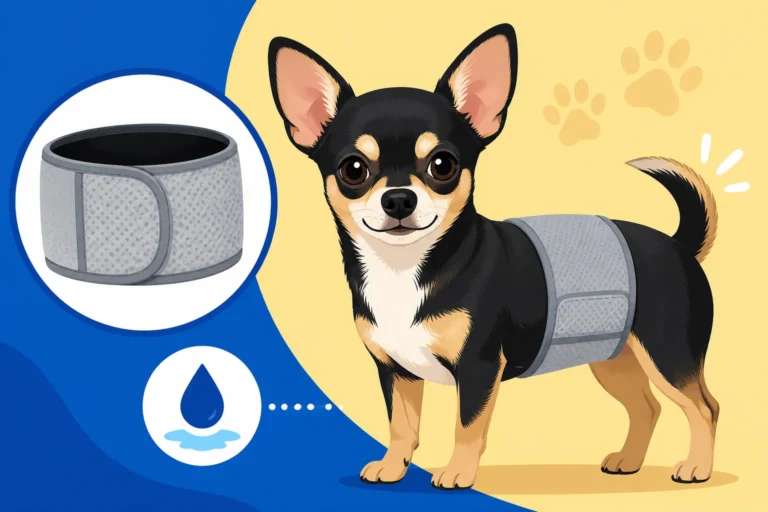
Similarly, the urge to roam, which is a powerful instinct in intact males looking for a mate, typically lessens dramatically. That desperate desire to bolt out an open door or slip a leash to follow a scent fades. This doesn't mean your Chihuahua won't ever try to explore or might still be curious about a new smell, but the intense, urgent drive that puts them at risk of getting lost or injured is usually gone. However, if your Chihuahua has been marking or trying to escape for years, some of these behaviors might have become learned habits, or even an anxiety response, rather than purely hormonal. These learned components might still require continued vigilance and positive reinforcement training. Belly Bands for a Marking Chihuahua can be a great tool during the transition period or for those stubborn learned habits.
Impact on Aggression and Reactivity
This is an area where expectations need to be carefully managed. Neutering can help with certain types of aggression, specifically those that are hormone-driven. For example, male-on-male aggression, where intact males posture or fight over a female or territory, often reduces post-neuter. If your Chihuahua gets into scraps with other intact males at the dog park, you might see a calmer response from him once his testosterone levels drop. Similarly, if your female Chihuahua becomes aggressively protective of her resources or gets snappy during her heat cycles, spaying can alleviate these hormone-induced spikes in reactivity.
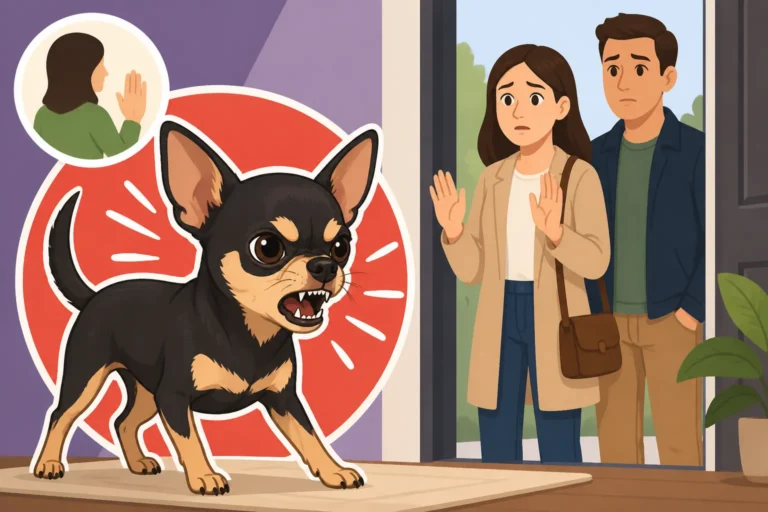
However, it's crucial to understand that neutering is not a guaranteed fix for all forms of aggression or reactivity. If your Chihuahua's aggression stems from fear, anxiety, poor socialization, or learned behaviors, removing their reproductive hormones won't magically solve the problem. A Chihuahua who lunges and barks at strangers because they're terrified, or who guards their food dish aggressively because they've never been taught otherwise, will still exhibit those behaviors post-neuter. In these cases, consistent behavioral modification and professional training are essential. You can learn more about this by reading Fear-Based Reactivity in a Chihuahua and What a Chihuahua Growl Is Actually Telling You.
Changes in Mounting and Humping
Mounting, or humping, is another behavior often linked to sexual hormones, and you'll typically see a decrease in its frequency after neutering. Many intact males will mount other dogs, toys, or even people as an expression of sexual drive. After their hormones are removed, this particular motivation is greatly diminished.
However, like marking, mounting isn't always purely sexual. It can also be a display of excitement, an attempt to assert dominance (though this is often misunderstood and more about confidence), or even a stress-coping mechanism. If your Chihuahua has been mounting for these non-sexual reasons, neutering might not stop the behavior entirely. It might lessen, but if it's a deeply ingrained habit or a response to over-stimulation or anxiety, he may still engage in it. This is where observation and understanding your specific Chihuahua's triggers come into play. Redirecting the behavior with a puzzle toy found on Amazon, or a training session from a program like BAXTER & Bella, can be very effective if the behavior persists.
Less Common or Unforeseen Behavioral Shifts
While the primary changes relate to sex hormone-driven behaviors, sometimes other shifts, though less common, can occur. These are usually indirect effects or exacerbated pre-existing tendencies.
Potential for Increased Timidity or Fear
This particular behavioral shift is not universally observed, but it's something worth being aware of, especially if your Chihuahua already leans towards the timid side. In some cases, a sudden drop in testosterone (for males) or the absence of circulating reproductive hormones (for females) can, in a small percentage of dogs, lead to a slight increase in timidity or fear-based behaviors. Think of it like a protective layer being peeled away. Testosterone, for instance, can contribute to confidence and boldness. Without it, a Chihuahua who was already a bit nervous might find themselves feeling even more vulnerable.
This doesn't mean your dog will become a trembling wreck overnight. Instead, you might notice them being a little more hesitant in new situations, or slightly more reactive to loud noises or unfamiliar people. It's more likely to manifest in Chihuahuas who already have a genetic predisposition to anxiety or who haven't had extensive positive socialization. If you notice this, doubling down on positive reinforcement, gentle exposure to new experiences, and building confidence through training can be incredibly helpful. Avoiding harsh corrections, as discussed in Why Harsh Handling Damages a Chihuahua Fast, is particularly important if your Chihuahua is showing signs of increased timidity.
Weight Gain and Its Behavioral Implications
After neutering or spaying, many Chihuahuas experience a metabolic slowdown. Their bodies simply don't need as many calories as they did when they were intact, and if their food intake isn't adjusted, weight gain can be a very real consequence. While weight gain isn't a direct behavioral change, it can certainly lead to them. A heavier Chihuahua might be less enthusiastic about exercise, feel less agile, and generally have less energy.
This reduction in physical activity can, in turn, affect their mood and engagement. A Chihuahua who used to love zooming around the house might become more lethargic, preferring to nap rather than play. This can sometimes be misinterpreted as a personality shift, when in reality, it's a physical effect of carrying extra pounds. Being overweight can also put additional strain on their tiny joints, potentially leading to discomfort that makes them irritable or less tolerant of handling. Addressing weight gain through careful diet management and consistent, appropriate exercise is crucial. You can find more information about this in Chihuahua Obesity on a Six Pound Frame and Daily Calories for a Three to Seven Pound Chihuahua.
What Neutering Doesn't "Fix" in a Chihuahua
It's vital to have realistic expectations about what neutering accomplishes. While it's incredibly beneficial for managing hormone-driven behaviors and preventing certain health issues, it is not a magic wand for all behavioral challenges. Many common Chihuahua issues stem from factors entirely unrelated to their reproductive status.
Learned Behaviors and Training Gaps
One of the biggest misconceptions about neutering is that it will somehow erase all "bad" behaviors. This simply isn't true for actions that have become ingrained habits or those that stem from a lack of proper training. If your Chihuahua jumps on guests, barks incessantly at the mail carrier, or begs for food at the dinner table, these are learned behaviors that require consistent training and management, regardless of their hormonal status. Neutering removes the motivation for some behaviors (like marking due to sexual drive), but it doesn't remove the habit.
For example, a male Chihuahua who has been marking indoors for years might continue to do so out of habit, even after testosterone levels drop. He's learned that this is a way to communicate or simply what he does. Similarly, a female Chihuahua who has learned to bark aggressively at the window because it "works" to make strangers go away will likely continue that behavior unless you intervene with specific training. This is why a comprehensive approach to training, treating your Chihuahua like any other dog that needs structure and guidance, is so important. Concepts covered in Training a Chihuahua Exactly Like a Big Dog remain relevant before and after surgery. Programs like BAXTER & Bella offer excellent resources for building a solid foundation of obedience, which is essential no matter your dog's hormonal state.
Anxiety and Fear-Based Issues
Many Chihuahuas are, by nature, a bit more prone to anxiety or fear due to their small size and sometimes overwhelming world. If your Chihuahua exhibits fear-based aggression, separation anxiety, generalized anxiety, or shyness around new people or situations, neutering is unlikely to solve these underlying emotional issues. These are often rooted in genetics, early experiences, or a lack of proper socialization, not directly in their sex hormones.
A fearful Chihuahua might still snap or lunge out of fear, even if they're neutered, because the core emotion of fear hasn't been addressed. Similarly, a Chihuahua with separation anxiety will still experience distress when left alone, as their attachment and coping mechanisms haven't changed. In these instances, professional help from a certified dog trainer or a veterinary behaviorist is crucial. They can help you implement behavior modification protocols, and sometimes, medication might be necessary to help your Chihuahua cope. Addressing these issues early can make a world of difference for your Chihuahua's overall well-being. Finding a Trainer Who Takes a Chihuahua Seriously is a good next step if you're facing these challenges.
Small Dog Syndrome and Entitlement
Ah, "Small Dog Syndrome"—a term many Chihuahua owners know all too well, though it's not a real diagnosis. It refers to a collection of behaviors like excessive barking, growling at people, demanding attention, or even nipping, that owners often excuse in tiny dogs but would never tolerate in a larger breed. For instance, a small Chihuahua might be allowed to jump on guests or snap at a child without correction, simply because they're "too cute to be bad" or "can't do much damage."
Neutering will not, under any circumstances, cure Small Dog Syndrome. These behaviors are entirely the result of human enablement and a lack of consistent boundaries. Whether intact or neutered, a Chihuahua who has been allowed to get away with bad behavior will continue to do so. The solution isn't hormonal; it's consistent training, clear expectations, and treating your Chihuahua as a capable, intelligent dog who needs rules and guidance, just like a German Shepherd. Understanding What Small Dog Syndrome Means for a Chihuahua is the first step in ensuring your little companion is well-behaved and confident, not spoiled and anxious.
Below is a table summarizing some common behavioral expectations before and after neutering.
| Behavior Trait | Intact Male Chihuahua | Intact Female Chihuahua | Neutered Male Chihuahua | Spayed Female Chihuahua |
|---|---|---|---|---|
| Marking (Urination) | Frequent, territorial, strong odor | Less frequent, some during heat | Significantly reduced, less territorial | Eliminated (no heat cycles) |
| Roaming/Escaping | High drive to seek mates | High drive during heat | Greatly reduced | Eliminated (no heat cycles) |
| Male-on-Male Aggression | Possible, especially over females/territory | N/A | Often reduced or eliminated | N/A |
| Heat Cycle Behaviors | Attraction to females, distraction | Anxiety, vocalization, discharge, mood | N/A | Eliminated |
| Mounting/Humping | Frequent (sexual, excitement, stress) | Less frequent (excitement, stress) | Often reduced, but can persist if learned/stress-related | Often reduced, but can persist if learned/stress-related |
| Focus/Trainability | Often distracted by hormones | Distracted during heat cycles | Potentially improved, less distraction | Potentially improved, less distraction |
| Weight Gain Risk | Moderate | Moderate (post-spay) | Increased (due to metabolic change) | Increased (due to metabolic change) |
| Fear/Timidity | Can be masked by testosterone-confidence | Can fluctuate with hormones | Potentially slightly increased in timid dogs | Potentially slightly increased in timid dogs |
Disclaimer
This article is for general informational purposes only and does not constitute professional advice. Laws, prices and regulations vary by location and change over time. Consult a qualified professional for guidance on your specific situation.