Why a Chihuahua Snaps Before It Runs
Many Chihuahua owners find themselves perplexed by their tiny companion's habit of snapping or even biting before immediately retreating. It feels counterintuitive, almost as if they're trying to pick a fight they can't win. This behavior isn't about aggression for aggression's sake; it's a deeply ingrained defense mechanism in a small dog who feels utterly overwhelmed and cornered, and this guide will help you understand why your Chihuahua reacts this way and how to help them feel safer.
The Instinct Behind the Snappy Retreat
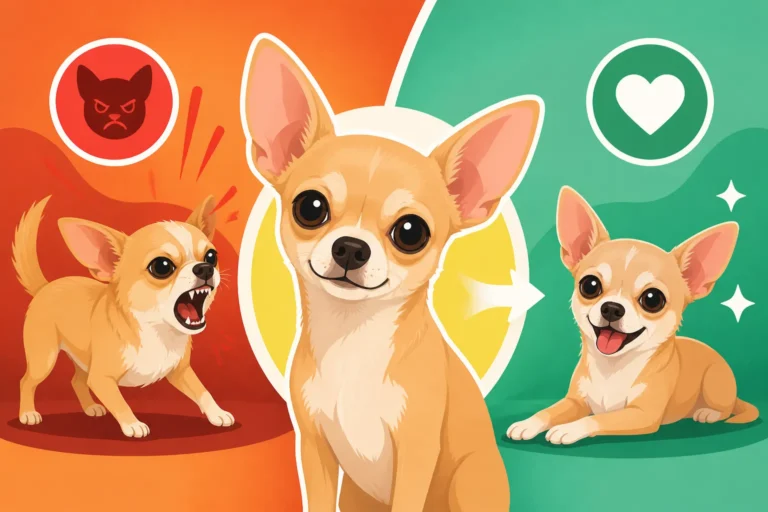
It's easy to look at a tiny Chihuahua and assume they're all bravado, but beneath that spirited exterior often lies a profound sense of vulnerability. When a Chihuahua snaps before running, they're not being "mean" or "dominant"; they're expressing intense fear in a way that sometimes feels like their only option. Their small size dictates much of their world perception, and unfortunately, it often means they anticipate danger from many sources that larger dogs might simply ignore.
The Fight-or-Flight Response in a Small Package
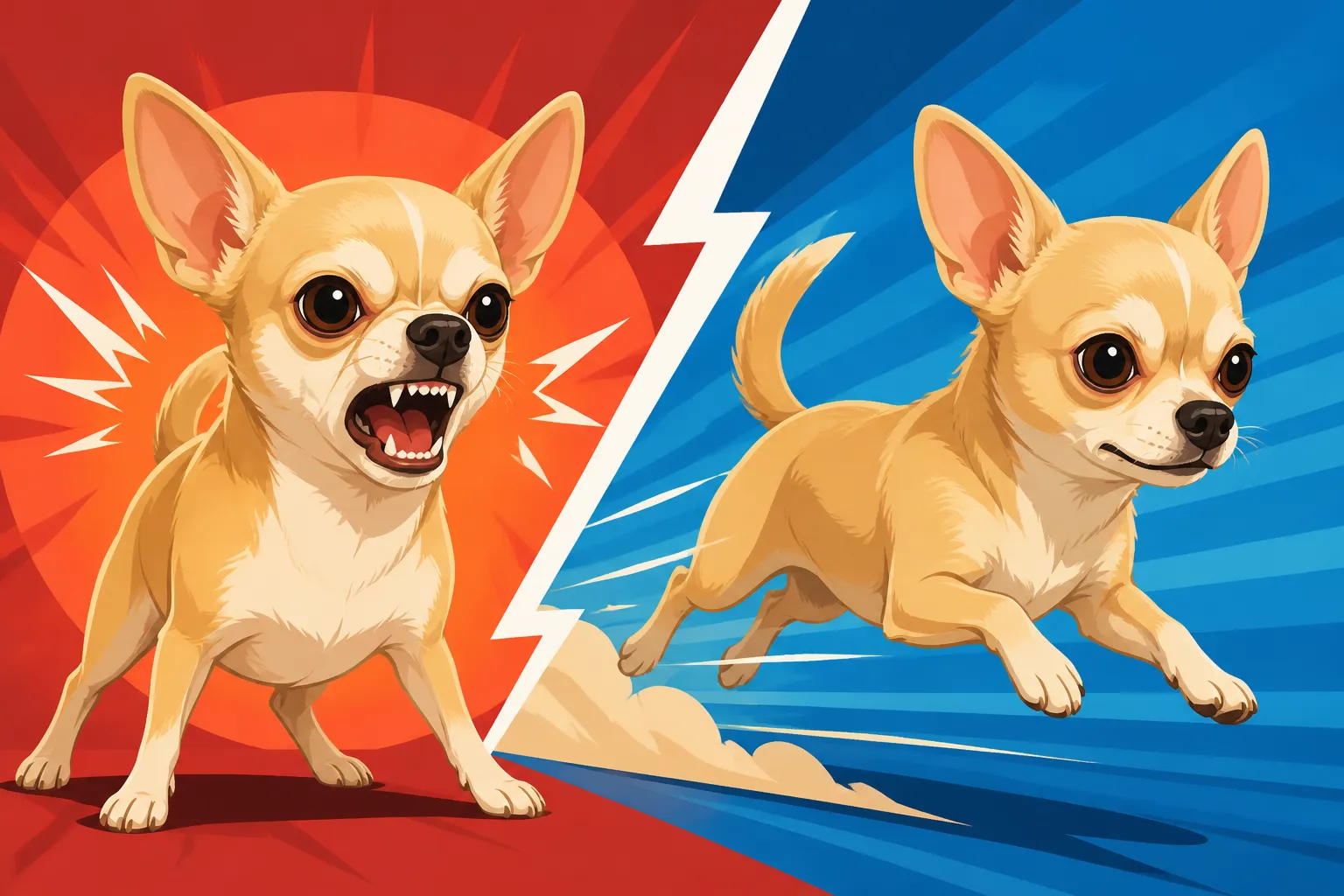
Every animal, including our Chihuahuas, possesses a fundamental fight-or-flight response when faced with perceived danger. For a Chihuahua, the "flight" impulse is incredibly strong. They are built to be agile, to dart away from threats, to disappear under furniture, or to burrow into blankets. However, there are crucial moments when flight isn't immediately possible, or they perceive the threat to be too close to ignore. In these instances, the "fight" element kicks in, even if it's a brief, desperate lunge or snap designed to create just enough distance to then make their escape. It's their tiny, frantic way of saying, "Get away from me!" before they vanish.
Think about a person suddenly grabbing at a wild bird – the bird's first instinct is to fly away, but if it feels trapped, it might peck or scratch in a split second before finding an escape route. It's not planning a prolonged attack; it's a defensive outburst. For Chihuahuas, this is often the case. They don't have the sheer size or intimidating bark of a Rottweiler. Their snap is often a last-ditch effort, a desperate plea for space and safety before they can execute their primary survival strategy: running. This pattern is a significant aspect of Chihuahua Fear Reactivity, the Breed's Real Problem, which is often mislabeled as aggression.
When "Flight" Is Impeded or Delayed
Sometimes, a Chihuahua wants to run, but they can't. Imagine a scenario where a large person leans over them, reaching down quickly. The Chihuahua might be on a leash, or in a tight space like a corner of the sofa, or perhaps they're simply startled and momentarily frozen. In that fleeting moment of perceived inescapable danger, their body prepares for a fight. A quick snap, a lunge, a growl – these are immediate, instinctive reactions. Once the immediate threat seems to back off, even by a hair, or a path to escape opens up, they will bolt.
This can be especially true if they're being held tightly or cornered by an unfamiliar child or an enthusiastic, but clumsy, visitor. They don't have the option to just walk away or turn their head. The perceived invasion of their personal space, combined with a lack of control over the situation, triggers this defensive snap. Understanding this dynamic is crucial, as it helps us differentiate between true aggression and fear-based reactions, which are far more common in this breed.
Common Triggers for a Chihuahua's Defensive Snap
Chihuahuas, due to their stature, experience the world very differently than we do, or even than larger dogs. What seems innocuous to us can be a monumental threat to them. Identifying these common triggers is the first step in preventing the snapping behavior and helping your Chihuahua build confidence.
Perceived Threats from Above: Hands and Faces
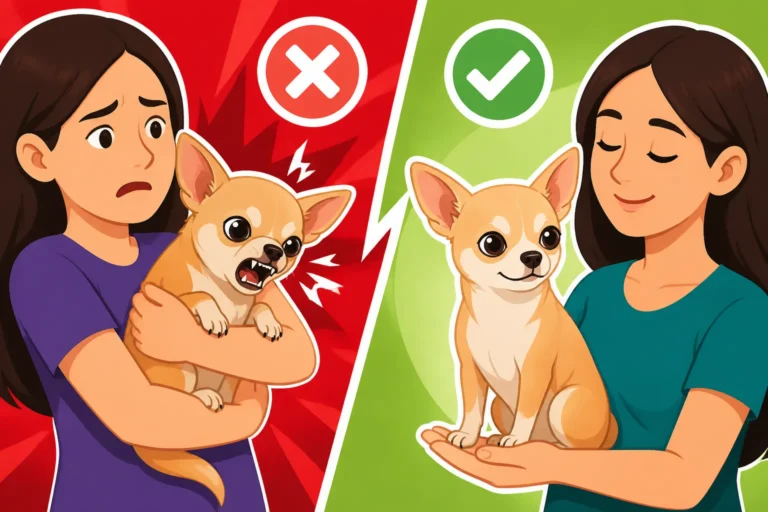
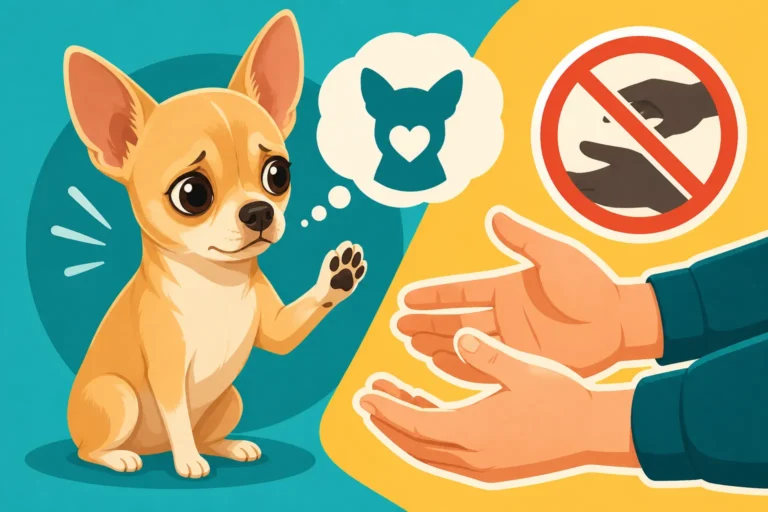
Think about it from their perspective: a huge hand suddenly descending from the sky, or a giant face looming over them. For a Chihuahua, this can be incredibly intimidating and threatening. Many people, out of affection, will reach down quickly to pet a small dog's head, or try to pick them up without warning. This overhead approach can mimic a predator's dive and is a primary trigger for fear. The Chihuahua might not have time to assess intent; they only see a fast-moving object coming at them.
This is why proper handling is so vital. It’s not just about being gentle; it’s about being predictable and respectful. Always approach a Chihuahua from the side, allowing them to see your hand and sniff you before you attempt to touch them. Teach children, and remind guests, to avoid reaching over their head. Instead, offer a hand for sniffing at their chest level. Many Chihuahuas develop fear-based reactions to being picked up because it's often done without warning, making them feel like they're being snatched. A Chihuahua That Flinches When You Lift It can often be traced back to this kind of handling.
Overwhelmed by Big Dogs or Loud Environments
A bustling park with large, boisterous dogs, or a busy household filled with loud noises and fast movements, can be incredibly stressful for a Chihuahua. Their ears are sensitive, their senses are on high alert, and the sheer scale of everything around them can be terrifying. A large dog, even one just trying to be friendly, can appear like a towering predator. If they feel trapped or cornered by an approaching larger dog, or if they're on a leash and can't run, a snap can be their desperate plea for space.
This is often mistaken for "small dog syndrome," where owners believe their tiny dog is trying to assert dominance. In reality, it's often a manifestation of profound insecurity and fear. The growling, lunging, and snapping are attempts to create distance from something they perceive as dangerous. Proper socialization, as discussed in Socialization That Does Not Flood a Chihuahua, is about positive exposure, not overwhelming them. It’s about careful, controlled introductions, giving them positive associations with new experiences, not forcing them to "get used to it."
Resource Guarding and Personal Space
Chihuahuas can be very devoted to their chosen person, their bed, or even a favorite toy. When they feel like these precious resources are being threatened, especially by someone approaching too quickly or without respect for their boundaries, they can snap defensively. This isn't necessarily a territorial display in the dominant sense; it's often rooted in the fear of losing something vital or being harmed while possessing it. A tiny dog knows that physical confrontation is rarely a winning strategy for them, so they rely on vocalizations and quick snaps to deter perceived rivals.
For example, if your Chihuahua is curled up on your lap and someone approaches to pet you, your dog might interpret this as a threat to their "person-resource." A quick snip at the approaching hand is their way of saying "Mine! Stay away!" This is a common form of Chihuahua Resource Guarding and Snapping. Similarly, if they are enjoying a chew and you reach for it without an exchange, they might snap to protect their item. This behavior highlights the importance of respecting their personal space and teaching them that approaching their resources leads to good things, not taking them away.
Decoding Chihuahua Body Language Before a Bite
Understanding your Chihuahua's signals is paramount to preventing a snap. They rarely bite without warning; the problem is that their warnings are often subtle and easily missed by humans who aren't fluent in "dog-speak." Learning to read these cues can help you intervene and de-escalate a situation long before it reaches the snapping point.
Subtle Signals Often Missed
Before a Chihuahua snaps, they will almost always give a series of increasingly intense body language signals. These can include:
- Lip licks: A quick flick of the tongue over the nose, often in response to stress.
- Yawning: Not because they're tired, but as a calming signal in a stressful situation.
- Head turns or averting gaze: Trying to avoid eye contact, indicating discomfort or a desire to disengage.
- Whale eye: When the whites of their eyes are visible, often a sign of intense fear or anxiety. Understanding Reading a Chihuahua's Whale Eye is crucial.
- Stiffening: Their body becomes rigid, indicating tension and readiness to react.
- Tail tucked: A clear sign of fear, even if it's still wagging a little.
- Shaking or trembling: Can be due to cold, but often a sign of extreme stress or fear.
These are low-level warnings. If ignored, the dog feels their subtle attempts at communication are failing, and they will escalate their signals. The challenge for Chihuahua owners is that these dogs are so small, their subtle cues might be physically harder to spot from a distance or if you're not paying close attention.
Escalation and the Point of No Return
If the subtle signals are missed, a Chihuahua will escalate. This progression often looks like this:
- Growling: This is a clear warning. A growl is a dog's way of saying, "I'm uncomfortable, please stop what you're doing or give me space." It's a gift; they're telling you their limit.
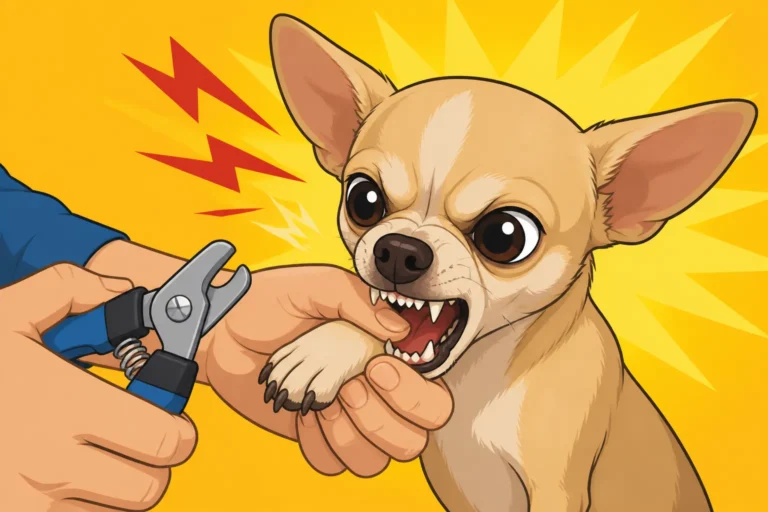
- Air snap/Lunge: A quick snap in the air or a lunge forward without making contact. This is a final warning before a bite, often paired with the immediate retreat we're discussing. They're trying to create space without actual injury.
- Mouth to body/skin contact: This is where an actual bite occurs, which can range from a quick nip that doesn't break the skin to a more sustained bite that does. This is often the point where they snap and then immediately run away, feeling they have successfully deterred the threat.
Recognizing Chihuahua Body Language Before a Snap is vital. If your Chihuahua reaches the growling or air-snapping stage, you've missed several earlier, more subtle cues. The goal is always to intervene at the earliest signs of discomfort. If you see these signs, respect them! Give your dog space, remove them from the situation, or remove the perceived threat.
| Chihuahua Body Language Signal | Meaning (Often Precedes a Snap) | What to Do |
|---|---|---|
| Lip Licking | Stress, anxiety, "I'm uncomfortable" | Give space, stop interaction, observe |
| Yawning (out of context) | Stress, calming signal | Reduce pressure, speak softly, observe |
| Head Turn / Averting Gaze | Disengagement, "I don't like this" | Stop approach, give choice to engage or retreat |
| Whale Eye (whites visible) | Intense fear, anxiety, potential threat | Immediate de-escalation, create distance |
| Stiff Body / Frozen Stance | Tension, bracing for impact/reaction | Do not touch, observe, clear pathway for retreat |
| Tail Tucked (even if wagging) | Fear, insecurity | Reassure, remove from stressful situation |
| Trembling / Shaking | Extreme fear, stress | Create safe, quiet space, offer comfort if sought |
| Growl / Snarl | Clear warning, "Back off!" | Stop all interaction, move away, assess environment |
| Air Snap / Lunge | Last warning, "I mean it!" | Remove self or dog from situation, do not punish |
Building Confidence and Trust to Prevent Snapping
The key to stopping the snap-and-run behavior is to address the underlying fear and lack of confidence. You want your Chihuahua to feel safe, secure, and trust that you will protect them, so they don't have to resort to defensive behaviors. This takes time, patience, and consistent positive reinforcement.
Respecting Their Space and Offering Choices
One of the most powerful things you can do for a fearful Chihuahua is to respect their personal space and give them choices. This means not forcing interactions, not picking them up against their will, and creating safe zones where they can retreat if they feel overwhelmed. Imagine how empowering it is for a tiny dog to know they have control over their environment and interactions. Use items you can find on Amazon, like cozy beds or blankets, to create these safe spaces in different rooms of your home.
Instead of just reaching for them, try calling them to you or offering an open hand and letting them approach on their own terms. If they don't want to be petted, don't force it. If they want to hide under the couch, let them. This might seem counterintuitive, but allowing them to make these choices actually builds trust and reduces the need for defensive snaps. Over time, as they learn that they are in control and their boundaries are respected, they will feel less threatened and more confident. This is the essence of Letting a Chihuahua Choose to Approach.
Positive Reinforcement and Desensitization
Positive reinforcement is the bedrock of training any dog, especially a fearful Chihuahua. Every positive interaction, every successful retreat from a scary situation, and every moment they choose to engage rather than snap, should be rewarded with high-value treats and praise. This helps them associate good things with potentially scary situations or people. Programs like BAXTER & Bella offer excellent online resources that emphasize positive, fear-free training methods suitable for small dogs.
Desensitization involves gradually exposing your Chihuahua to their triggers in a very controlled, low-intensity way, paired with positive rewards. For instance, if they snap at hands reaching over them, start by just having your hand present at a distance, rewarding calm behavior. Slowly, gradually, move the hand closer over many sessions, always stopping if you see any signs of stress and only progressing when they remain relaxed. This counter-conditioning process, as discussed in Counter-Conditioning a Fearful Chihuahua, slowly changes their emotional response from fear to neutrality or even anticipation of a reward.
Remember, a Chihuahua's snap-and-run isn't defiance; it's a plea for safety. By understanding their world, respecting their boundaries, and building their confidence through positive experiences, you can help your little companion feel secure enough that they never feel the need to bite before they bolt.
Disclaimer
This article is for general informational purposes only and does not constitute professional advice. Laws, prices and regulations vary by location and change over time. Consult a qualified professional for guidance on your specific situation.