Swapping a Chihuahua Puppy’s Teeth Onto a Toy
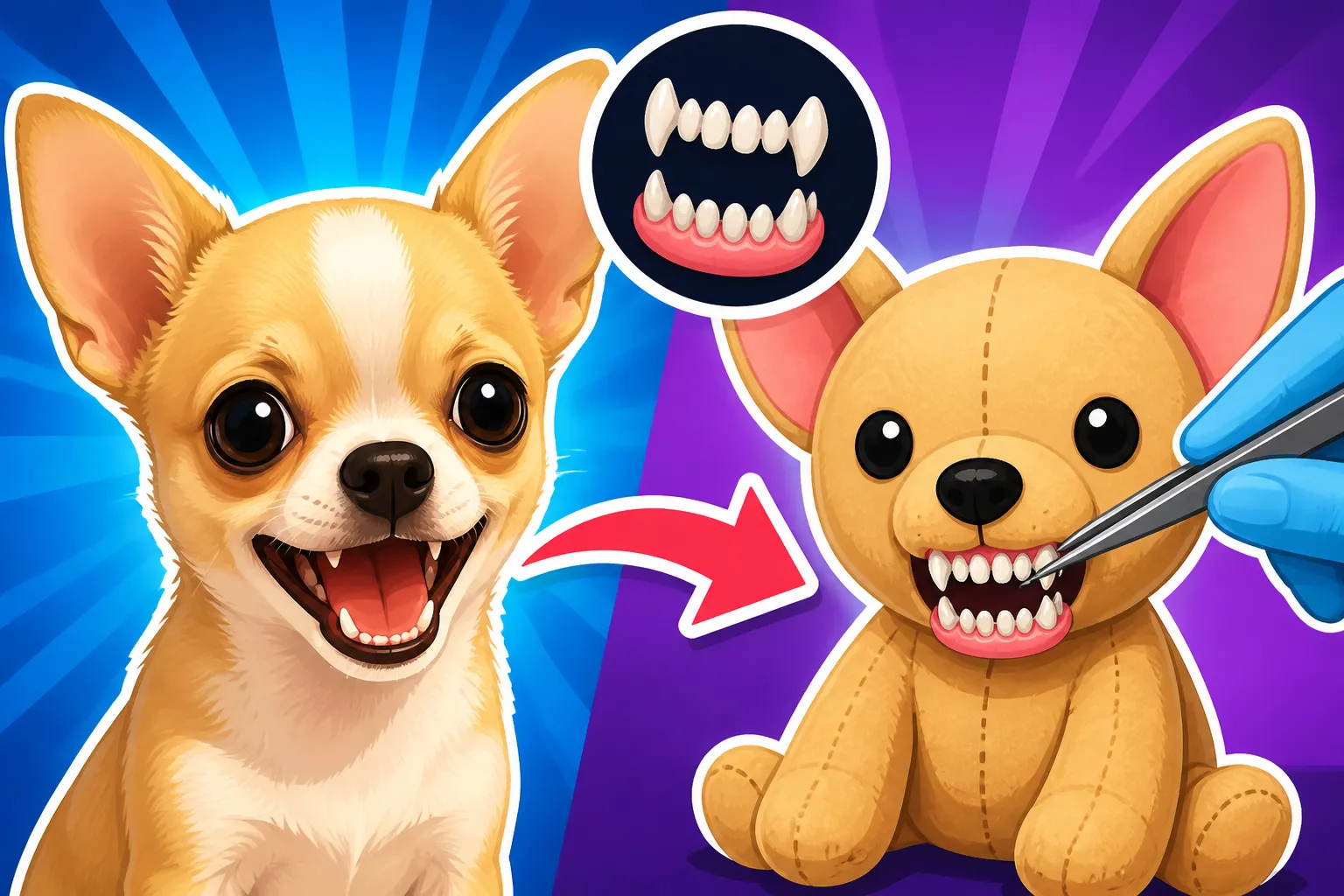
That adorable little Chihuahua puppy you just brought home, with its tiny paws and big eyes, comes equipped with something no one truly prepares you for: needle-sharp teeth. Those tiny nips, while meant to be playful, can feel like a thousand tiny pins on your skin, and it's completely natural to find yourself flinching or even yelping. This guide is all about mastering the "toy swap" technique, a kind and incredibly effective way to teach your sensitive Chihuahua puppy that toys, not human skin, are for chewing and playing.
Understanding Why Your Chihuahua Puppy Bites
Before we dive into how to redirect those sharp little chompers, let's talk about why your Chihuahua puppy is using them on you in the first place. It's rarely out of malice or aggression; it's almost always a perfectly normal part of puppy development. Understanding the motivation behind the nipping can help you approach the training with patience and empathy.
The Natural Urge to Explore with Their Mouth
Think of a puppy's mouth as its primary tool for exploring the world, much like a human baby uses its hands. Everything new gets sniffed, licked, and, yes, nipped. Your hands, feet, and even clothing are fascinating new textures for them to investigate. They're not trying to hurt you; they're gathering information, learning about their environment, and trying to engage with you in the only way they know how to initiate play. This exploratory phase is vital for their development, but it needs gentle guidance to ensure they learn what's appropriate and what's not. It's a fundamental part of the Chihuahua Puppy Curriculum Month by Month.
Teething Pain and Relief
Just like human babies, Chihuahua puppies go through a teething phase. Those tiny needle teeth are eventually replaced by adult teeth, and this process can be uncomfortable, even painful. Chewing provides relief from the pressure and soreness in their gums. When your puppy mouths or nips at you, it might be seeking that satisfying pressure against its gums. If they don't have suitable alternatives, your fingers or toes might just be the closest, most accessible "chew toy" they can find. It’s a temporary phase, but one that requires specific interventions to manage effectively.
Learning Bite Inhibition
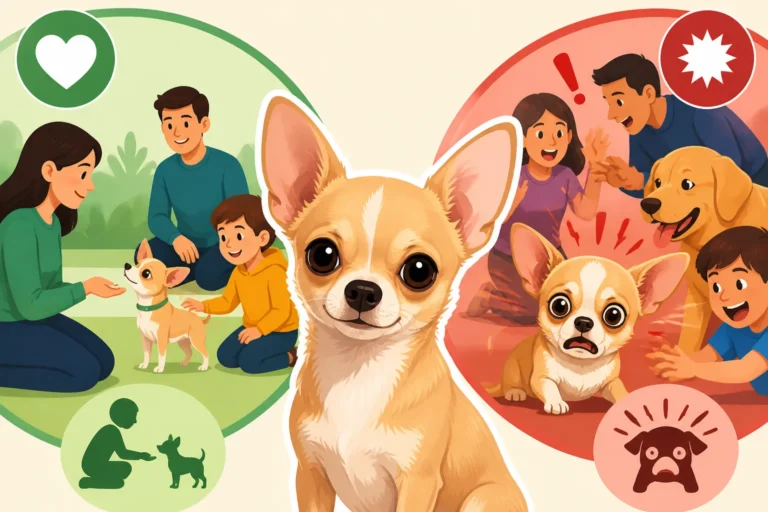
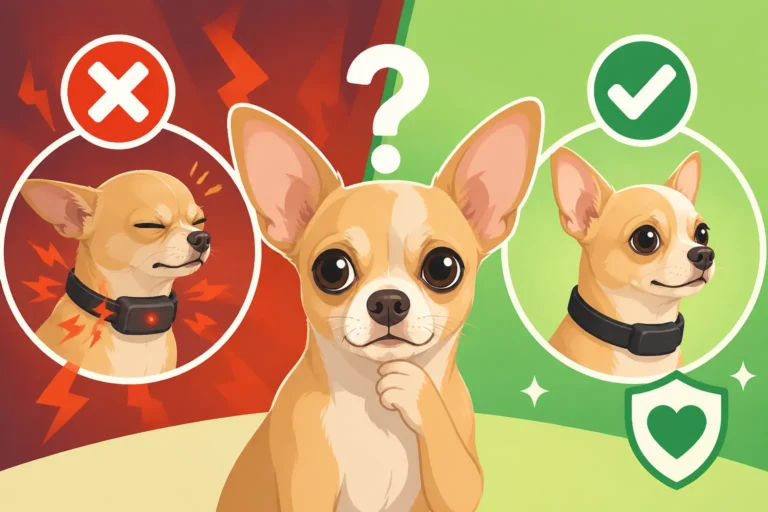
Puppies also learn bite inhibition from their littermates and mother. When puppies play, they mouth each other. If one bites too hard, the other will yelp, and play will stop. This teaches them to control the force of their bite. If your puppy came from a litter where it was separated too early or didn't have enough appropriate play with other puppies, it might not have fully developed this skill. You become their teacher, gently showing them that human skin is fragile and play stops when teeth make contact. This is crucial because a Chihuahua with poor bite inhibition, even if tiny, can still inflict painful nips as an adult. Remember that positive reinforcement is key, as Why Harsh Handling Damages a Chihuahua Fast.
The Art of the "Toy Swap" Technique
The "toy swap" technique is a simple yet powerful method built on positive reinforcement. It teaches your Chihuahua puppy that when their teeth touch human skin, the fun stops, but when they redirect their teeth to a toy, the fun (and rewards!) continue. It’s all about creating clear, consistent associations.
Step-by-Step: How to Execute the Swap
Implementing the toy swap is straightforward, but consistency is your secret weapon. Here's how you do it:
- Be Prepared: Always have a variety of enticing, puppy-safe chew toys readily available. Keep them in your pockets, near the sofa, next to your bed – wherever you and your puppy interact. This readiness is crucial because you need to act the instant your puppy's teeth touch your skin.
- The "Ouch" or "No" Signal: The moment your Chihuahua puppy's teeth (even gently!) make contact with your skin, give a soft, high-pitched "ouch!" or a firm but calm "no." The goal isn't to scare them, but to startle them just enough to interrupt the behavior.
- Immediately Present a Toy: The very second you make that sound and your puppy pauses, immediately and smoothly insert a suitable toy into their mouth. Wiggle it enticingly. Make it the most interesting thing in the room. This is the "swap."
- Praise and Reward: As soon as your puppy takes the toy in its mouth and starts to chew or play with it, shower them with calm, positive praise ("Good boy/girl! Yes!") and consider offering a tiny, highly palatable training treat. The treat should be Treats Small Enough for Chihuahua Training. This step is vital – it reinforces that chewing the toy is what earns them good things.
- Repeat, Repeat, Repeat: Consistency is non-negotiable. Every single time those teeth touch your skin, you must respond the same way. Every. Single. Time. This clear communication helps your puppy connect the dots quickly. Don't assume they'll get it after a few tries; it takes hundreds of repetitions.
What to Do If the Puppy Keeps Biting You
Sometimes, a puppy gets over-excited and just won't let go, even after your "ouch" and toy presentation. Or they might nip the toy, then immediately go back to your hand. This is where a brief "time-out" comes in, not as a punishment, but as a clear signal that play stops.
- The "Reverse Time-Out": If the puppy ignores the toy swap and continues to nip at your skin, remove yourself from the situation. Stand up, turn your back, or even step over a baby gate to another room for about 10-20 seconds. This is often called a "reverse time-out" because you remove yourself, not the puppy.
- No Attention, No Fun: The key is to make it boring. Don't lecture, don't scold, don't even make eye contact. You are simply removing the "fun" (you!) when the unwanted behavior occurs.
- Resume Play: After the brief time-out, calmly return and try engaging with a toy again. If the nipping resumes, repeat the time-out. Your puppy will quickly learn that "biting human" means "human disappears" and "biting toy" means "human stays and is fun." This also applies to general play sessions; remember to keep them short, perhaps Three Minute Training Sessions With a Chihuahua, to prevent over-excitement.
Choosing the Right Toys for Teething Chihuahuas
Selecting appropriate toys is half the battle when it comes to successful toy swapping. Chihuahuas have tiny mouths and, initially, delicate puppy teeth, so the right size, texture, and durability are crucial. Avoid anything too hard that could damage their teeth, or too small that could be a choking hazard.
Variety is the Spice of Life (and Chewing)
Just like people, puppies have preferences! What one Chihuahua loves, another might ignore. Offer a range of textures to discover what your puppy finds most satisfying for their sore gums. Some popular options available on platforms like Amazon include:
- Soft Rubber/Silicone Toys: These are often textured with bumps or ridges, perfect for massaging gums. They're durable enough for chewing but have some give. Brands like Kong make excellent small-sized options.
- Rope Toys: Small, tightly woven rope toys can be great for teething, providing both something to chew and something to tug on. Just be sure to supervise, as loose strings can be ingested.
- Plush Toys (with supervision): Some puppies love to mouth soft plush toys. Choose ones without small, easily detachable parts (like plastic eyes or noses) and supervise closely to ensure they're not ripping out stuffing.
- Edible Chews (appropriate for puppies): Look for digestible chews specifically designed for puppies. Always check the size and age recommendations. Make sure they are appropriate for a tiny puppy and won't splinter.
| Toy Type | Pros | Cons | Ideal Use Case |
|---|---|---|---|
| Soft Rubber/Silicone | Durable, good for gum massage, various textures. | Some can be too hard if not specifically for puppies. | Daily chewing, interactive play, can often be frozen. |
| Small Rope Toys | Great for tugging, helps clean teeth (mildly). | Can unravel and present choking hazard if ingested; supervise. | Interactive play, supervised chewing. |
| Puppy Nylabones | Long-lasting, specifically designed for puppy teeth. | Can be too hard for some puppies; choose the flexible "puppy" type. | Independent chewing, especially for active chewers. |
| Plush Toys | Soft, comforting, good for gentle mouthing. | Easily destroyed, stuffing can be ingested, not for heavy chewers. | Cuddling, gentle play, supervised interaction. |
| Edible Puppy Chews | Highly enticing, provides satiety. | Can be consumed quickly, monitor for choking; always check ingredients. | Occasional treat, short-term chewing. |
Sizing and Safety Considerations
When selecting toys, remember your Chihuahua's tiny stature. A toy suitable for a Labrador will be far too large and potentially dangerous for your pint-sized friend.
- Size Matters: Choose toys that are appropriately sized for a Chihuahua's mouth. They should be large enough that the puppy cannot accidentally swallow them whole, but small enough to comfortably carry and chew.
- Durability: While soft toys are great, make sure they are well-constructed. Chihuahuas, despite their size, can be surprisingly determined chewers. Regularly inspect all toys for damage and discard anything that is breaking apart to prevent choking hazards.
- Non-Toxic Materials: Always opt for toys made from non-toxic, pet-safe materials. This is especially important for puppies who will be mouthing and ingesting small particles.
- Freezing for Extra Relief: Many rubber or silicone toys can be filled with water or diluted chicken broth and frozen. The cold provides additional soothing relief for aching gums, making the toy even more appealing for your teething puppy.
Common Challenges and Troubleshooting
Even with the best intentions and techniques, puppy training can present its own set of hurdles. It's okay if you hit a snag; it's part of the journey. The important thing is to understand common issues and how to calmly address them.
Persistent Nipping or Excitable Biting
Some Chihuahua puppies, especially those with high energy or who get easily overstimulated, might seem to increase their nipping when they get excited. This often happens during playtime or when greeting you. If your puppy is still nipping despite your best efforts with the toy swap, consider these adjustments:
- Calmer Play Sessions: Keep play sessions short and structured. Intense, wrestling-style play can quickly escalate a puppy's excitement levels, leading to more mouthing. Instead, focus on games like gentle fetch with soft toys or hide-and-seek with treats. End the session before your puppy gets too ramped up.
- Mandatory Downtime: If your puppy is routinely over-aroused, they might need more enforced naps. Puppies, especially Chihuahuas, need a lot of sleep, and an overtired puppy can be a nippy puppy. Utilize a crate or a puppy playpen for quiet time, helping them learn to settle. Chihuahua Crate Training can be a lifesaver here.
- Chew Toy Power-Up: Make the designated chew toy even more exciting. Rub a tiny bit of peanut butter (xylitol-free!) on it, or stuff it with a high-value treat. This increases the toy's appeal over your less-interesting hand.
When Your Puppy Prefers Your Fingers to Any Toy
"But my puppy just loves my fingers more than anything!" This is a common lament, and it feels that way because your fingers are warm, soft, movable, and attached to you – the most interesting thing in your puppy's world. To combat this, you need to make the toy even more engaging than your hand.
- Interactive Play: Don't just hand them a toy; play with the toy. Wiggle it, drag it, make it "come alive." This teaches your puppy that toys are not just for independent chewing, but also for engaging with you.
- The "Fish Out of Water" Trick: If your puppy is fixated on your fingers, try placing a highly desirable toy in their mouth, holding it gently but firmly while they chew, and then slowly "fishing" your fingers out of their mouth as they latch onto the toy. This physically redirects them.
- Consistency, Again: You absolutely cannot let them mouth your fingers sometimes. Even one instance of allowing it sends a confusing message. Every single time, redirect to the toy. Every single time. If you find yourself inconsistent, review what you're doing and consider resources like BAXTER & Bella for structured puppy training guides that can help reinforce consistent routines.
Beyond the Puppy Nips: Long-Term Benefits of Toy Swapping
Teaching your Chihuahua puppy appropriate chewing habits isn't just about saving your hands from painful nips in the short term. This early training lays a crucial foundation for a well-behaved, happy adult dog and prevents a host of potential behavioral issues down the road.
Preventing Destructive Chewing
A puppy that learns early on that toys are for chewing and furniture, shoes, or hands are not, is far less likely to become an adult dog with destructive chewing habits. Without proper guidance, a Chihuahua might decide that your favorite throw pillow or the leg of your coffee table is an acceptable substitute for a chew toy. This early distinction between "mine" and "theirs" for chewing is invaluable for protecting your belongings and your sanity. It fosters independence in appropriate chewing, giving your dog an outlet for a natural behavior.
Promoting Appropriate Play
The toy swap technique also helps teach your Chihuahua puppy what constitutes appropriate play. They learn that engaging with toys keeps the fun going, while mouthing humans brings an abrupt halt to interaction. This lesson translates into better social skills with both people and other dogs. A dog that understands how to play nicely with toys is generally a more confident and well-adjusted companion, reducing the likelihood of developing Chihuahua Fear Reactivity, the Breed's Real Problem because they have learned how to interact in a positive way.
Building a Stronger Bond Through Positive Reinforcement
Finally, using positive reinforcement methods like the toy swap builds trust and strengthens the bond between you and your Chihuahua. Instead of punishing them for a natural puppy behavior, you're guiding them with kindness and rewards. This creates a positive association with training and with you, their human. Your puppy learns that you are a source of good things, guidance, and fun, rather than someone to fear or avoid. This positive foundation is vital for raising a confident, happy Chihuahua who truly enjoys being part of your family. It’s a wonderful investment in their overall well-being and your shared future.
Disclaimer
This article is for general informational purposes only and does not constitute professional advice. Laws, prices and regulations vary by location and change over time. Consult a qualified professional for guidance on your specific situation.