Three Minute Training Sessions With a Chihuahua
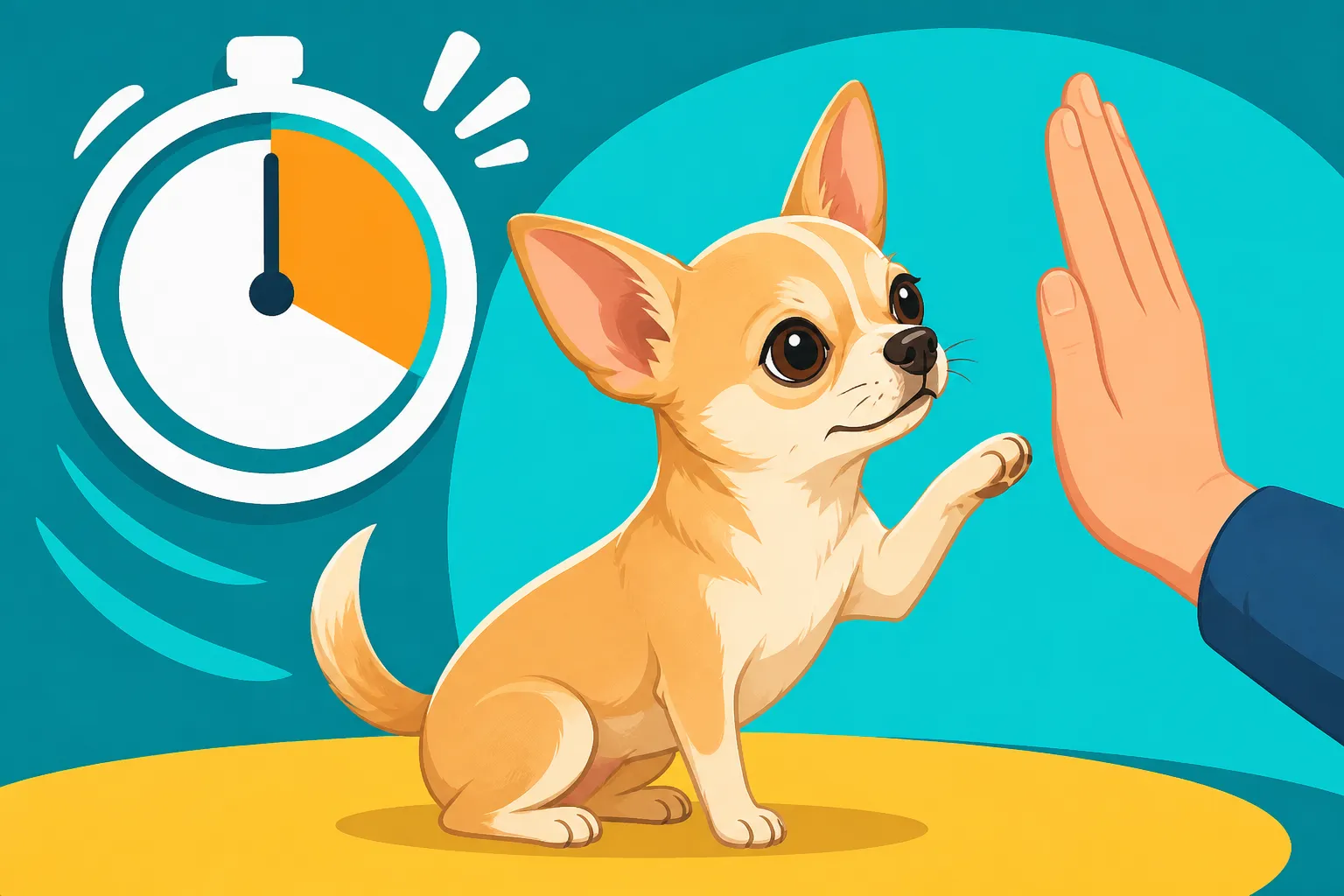
It’s a common frustration for Chihuahua owners: you try to teach your tiny companion something new, and after about thirty seconds, they’re either off sniffing a dust bunny, staring blankly at you, or suddenly overcome with an urgent need to nap. It feels like you barely get started before their attention vanishes into thin air! This guide is here to tell you that it's not you, and it's certainly not your smart little Chihuahua. It's simply about adjusting your approach. We're going to dive into why short, sharp, and sweet three-minute training sessions are not just effective, but often the most effective way to teach your Chihuahua everything from basic manners to impressive tricks, turning those fleeting moments of focus into powerful learning opportunities.
Why Short, Focused Sessions Are Perfect for Chihuahuas
When we think of dog training, we often picture long, drawn-out sessions with big, enthusiastic dogs. But Chihuahuas aren't Labradors, and what works for a larger breed with a longer attention span might just overwhelm or bore your tiny friend. Their unique physical and mental makeup means they thrive on a different kind of learning environment.
Understanding the Chihuahua's Attention Span and Energy
Chihuahuas are intelligent little dogs, no doubt about it. They can learn a vast array of commands and tricks, often picking things up with surprising speed. However, their physical size often comes with a correspondingly shorter attention span. They’re full of zest, but that zest can quickly shift from intense focus on you to intense focus on a leaf blowing outside, a sound down the hall, or a sudden urge to get some cuddles. This isn't a sign of stubbornness; it's simply how their little brains are wired, especially when they're young. Expecting them to concentrate for fifteen or twenty minutes straight is often an unrealistic demand, leading to frustration for both of you.
Think about a small child in a classroom. They can learn complex concepts, but they need frequent breaks, changes of activity, and shorter lessons to stay engaged. Chihuahuas are much the same. Their mental batteries drain faster on focused tasks, and their environment offers a constant stream of new, exciting, or sometimes scary, stimuli that can pull them away. Trying to push past that natural limit often results in a Chihuahua who either shuts down, starts offering "wrong" behaviors out of confusion, or simply wanders off to find something more interesting. Recognizing and respecting this natural rhythm is the first step to successful training.
Avoiding Overtraining and Frustration
One of the biggest benefits of short training sessions is that they prevent overtraining. Overtraining happens when a dog is pushed beyond its mental capacity, leading to stress, anxiety, and a general dislike for training. For Chihuahuas, whose delicate dispositions can sometimes mean they are more prone to anxiety, avoiding this is crucial. Long sessions can become a chore, turning something that should be fun and bonding into a source of dread. When training becomes stressful, your Chihuahua might start avoiding you, hiding, or even exhibiting undesirable behaviors like growling or snapping as a way to say, "I've had enough!"
By keeping sessions brief, typically three minutes or even less if your Chihuahua starts to lose interest sooner, you end on a high note. You stop before they get bored, before they get frustrated, and before they make a mistake. This means every session reinforces a positive association with training, leaving your Chihuahua eager for the next one. They learn that training is a fun game where good things happen, rather than a demanding task. This positive association is incredibly powerful and will make all future learning much easier and more enjoyable for both of you. Why a Chihuahua Deserves Real Obedience Training emphasizes this point exactly – they may be small, but their capacity for learning and desire to please is huge, provided the conditions are right.
Setting Up Your Three-Minute Training Success
Effective training, even in tiny bursts, requires a bit of planning. It’s not just about randomly asking for a "sit" while you're making coffee. Thoughtful preparation ensures that those three minutes are packed with valuable learning.
Choosing the Right Environment and Time
The environment you choose for your training sessions can make or break your success. For a Chihuahua, the world is often full of giant, overwhelming things. A busy living room with family members walking by, the TV on, or other pets playing can be a minefield of distractions. For these short, focused bursts, seek out a quiet, low-distraction space. This could be a small corner of a room, a hallway, or even just sitting on the floor with your Chihuahua where they feel safe and secure. The goal is to minimize anything that might pull their attention away from you.
Consider the timing, too. Don't try to train when your Chihuahua is overtired, overly hungry, or bursting with energy and needs to potty. Often, after a brief walk or a potty break, when they've settled down a bit but aren't yet ready for a nap, is ideal. Some owners find morning sessions best, while others prefer a short burst before dinner. Observe your Chihuahua and find their "sweet spot" – those few minutes when they are most receptive and alert. This respectful approach, tailoring the training to their needs, will yield far better results than forcing a session when they're simply not in the mood.
High-Value Rewards and Miniature Portions
Rewards are the bedrock of positive reinforcement training, and for Chihuahuas, "high-value" doesn't just mean tasty; it often means tiny. A small piece of kibble might work for some dogs, but for Chihuahuas, you'll want something truly irresistible to maximize their motivation in such short sessions. Think soft, smelly treats that they don't get at any other time. Cooked chicken, cheese, hot dogs, or liverwurst cut into pea-sized (or even smaller) pieces are often big hits. The goal is for them to gobble it down quickly, without it becoming a lengthy chewing exercise that eats into your three minutes.
Because Chihuahuas are so small, calorie intake is a real consideration. You don't want to accidentally overfeed them with training treats. That's why those miniature portions are so crucial. You can often find suitable options on Amazon, or many pet stores carry small, soft training treats designed for smaller breeds. Even breaking larger treats into tiny fragments works perfectly. Remember, the value isn't just in the treat itself, but in the delivery – immediate, enthusiastic praise ("Yes!") or a clicker, followed by the treat, makes the association crystal clear. Check out Treats Small Enough for Chihuahua Training for more ideas on appropriate reward sizing.
Here's a quick comparison of treat types:
| Treat Type | Chihuahua Suitability | Notes |
|---|---|---|
| Cooked Chicken/Turkey | Excellent | High-value, easy to cut into tiny pieces, low fat. |
| Small Cheese Cubes | Good (in moderation) | Very high-value, but can be higher in fat. Use sparingly, cut extremely small. |
| Hot Dogs | Good (in moderation) | Easy to cut, very appealing. Watch for sodium content. |
| Store-Bought Training Treats | Varies | Look for soft, small, low-calorie options. Many brands offer "mini" or "tiny" sizes. |
| Freeze-Dried Liver | Excellent | Super high-value, lightweight, easy to break into crumbs. |
| Wet Food "Squeeze" Tube | Excellent | Great for luring or a continuous reward stream. Messier, but very motivating. |
| Cooked Carrot/Green Bean | Moderate | Lower value for some Chihuahuas, but good for dogs on a diet or those who love veggies. Cut tiny. |
Tools and Supplies for Efficient Training
While Chihuahuas don't need a lot of fancy equipment, a few simple tools can make your three-minute sessions more effective. A clicker, for instance, can be an invaluable tool. It provides a precise "marker" for the exact moment your Chihuahua performs the desired behavior, which is especially helpful when dealing with fleeting moments of attention. If you're new to clicker training, there are many excellent online resources, and programs like those offered by BAXTER & Bella often incorporate clicker training into their curriculum. Even without a clicker, a consistent verbal marker like "Yes!" or "Good!" works well.
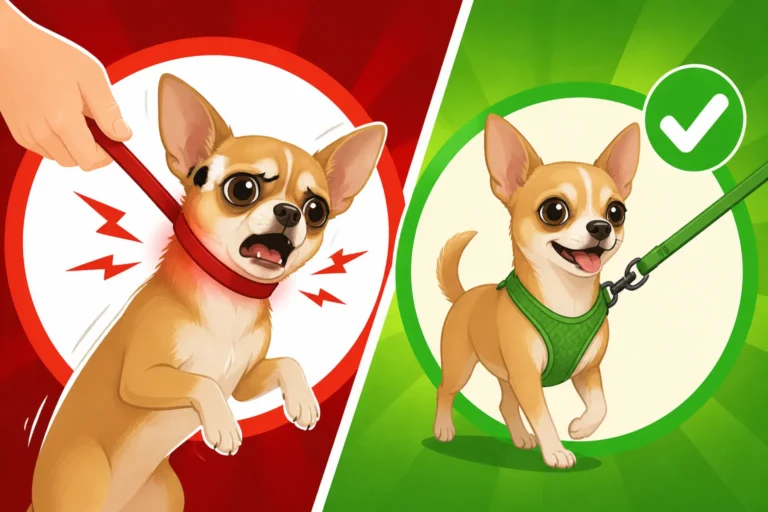
Beyond a clicker, ensure you have your tiny, high-value treats readily accessible. A treat pouch worn around your waist can be incredibly useful, preventing fumbling around in pockets and allowing for quick delivery of rewards. This speed is critical in short sessions, as a delay in reward can break your Chihuahua's focus. A comfortable harness is also essential for any training involving movement or leash work. Harness Fitting on a Chihuahua Chest details how crucial a well-fitting harness is, especially when training recall or loose-leash walking, where you'll want to avoid any pressure on their delicate trachea. Having these basics in place means you can maximize every precious second of your three-minute slot.
Making Every Three Minutes Count: Sample Sessions and Beyond
The beauty of three-minute training sessions is their flexibility. You can fit them into almost any part of your day, making consistency much easier to achieve. The key is to have a clear goal for each mini-session.
Deconstructing Basic Commands into Micro-Steps
Even a simple command like "sit" can be broken down into micro-steps. Instead of expecting a perfect, sustained sit from the get-go, your three-minute session might focus on just one aspect.
Session 1: The "Sit" Glimmer (Day 1)
- Goal: Capture the moment your Chihuahua's rear touches the ground.
- Process: Lure your Chihuahua with a treat held near their nose and slowly move it towards their tail, encouraging their rear to lower. The instant their bottom touches the floor, click (or say "Yes!") and give the treat. Do this 3-5 times, then end the session. Don't worry about adding the verbal cue "sit" yet.
- Why it works: You're teaching the mechanics of the sit without the pressure of a verbal cue, making it a simple, clear game.
Session 2: Adding the "Sit" Cue (Day 2)
- Goal: Associate the word "sit" with the action.
- Process: As your Chihuahua begins to lower into the sit (using your lure from yesterday), then say "Sit!" just as their bottom touches. Click and treat. Repeat 3-5 times.
- Why it works: The action is already becoming familiar, so adding the verbal cue at the peak of the action helps them connect the dots.
Session 3: Fading the Lure (Day 3)
- Goal: Get your Chihuahua to sit with a hand motion (fading the treat lure).
- Process: Use the same hand motion, but now the treat is in your other hand or in your treat pouch, not actively luring. When they sit, click and deliver the treat.
- Why it works: This transitions them from following a treat to following a signal, building understanding.
You can apply this micro-step approach to virtually any behavior. For instance, Chihuahua Puppy Biting at Fingers can be tackled by having multiple short sessions focused purely on redirecting their mouth to a toy the instant they go for your hand, then rewarding heavily. The smaller the steps, the more frequent the success, and the faster your Chihuahua learns. This also makes the training feel less like a chore and more like a series of quick, rewarding interactions for both of you.
Progressing and Maintaining Engagement
Once your Chihuahua is reliably performing a behavior in a low-distraction environment, it's time to build on that success in very small increments. This is where those three-minute sessions shine again. Instead of trying to proof a "stay" in a busy park all at once, you might have one three-minute session in your quiet living room, then later that day, another three-minute session in the kitchen with very mild distractions.
The key to progression is gradual introduction of variables:
- Duration: Can they hold the sit for 2 seconds? Then 3?
- Distance: Can they sit when you take one step back? Two steps?
- Distraction: Can they sit when the TV is on low? When someone walks by quietly?
Each of these steps can be its own three-minute session. Always return to a higher success rate environment if they struggle, and end on a positive note. Keeping things novel and fun is crucial for maintaining engagement. Rotate the commands you're working on, introduce new, simple tricks, or play a quick game of indoor fetch as a reward. Programs like BAXTER & Bella often provide structured curriculums that help owners systematically progress through behaviors, ensuring consistent learning. This prevents boredom and keeps your Chihuahua excited about what they're going to learn next. Even tasks like Chihuahua Leash Training on a Harness can be broken down: one session for putting the harness on cheerfully, another for taking a single step, then two.
Common Pitfalls and How to Avoid Them
Even with the best intentions, it's easy to fall into certain traps when training, especially with a small, sensitive breed like a Chihuahua. Being aware of these common issues can help you sidestep them.
Ignoring Signs of Disengagement or Stress
One of the biggest mistakes an owner can make is to push through when their Chihuahua is clearly no longer engaged or, worse, showing signs of stress. In a three-minute session, this is especially important because every second counts. If your Chihuahua starts yawning excessively (not out of tiredness), licking their lips, sniffing the ground intently, turning their head away, or simply walking away, these are all clear signals that they are disengaging or feeling overwhelmed. These are not signs of defiance; they are communication. Ignoring these signals teaches your Chihuahua that their discomfort doesn't matter, which can erode trust and make future training much harder. Reading a Chihuahua With Its Tail Tucked explains some of these subtle body language cues.
The solution is simple: end the session immediately. Don't punish, don't cajole, just cheerfully say, "All done!" and put the treats away. You can try again later, perhaps in an even quieter environment or with an easier task. By respecting their signals, you teach your Chihuahua that you listen to them, fostering a stronger bond and making them more willing to participate next time. A Chihuahua that feels safe and understood is a Chihuahua that is eager to learn. Pushing them past their limits can also inadvertently contribute to Fear-Based Reactivity in a Chihuahua, as they learn that training situations can be unpredictable or uncomfortable.
The Trap of Inconsistent Training
While short sessions are fantastic, their effectiveness hinges on consistency. If you only train once a week, even for three minutes, the learning will be slow and easily forgotten. The real power of three-minute sessions is that you can do several of them throughout the day – maybe two or three in the morning, a couple in the afternoon, and a few more in the evening. This frequent, brief exposure to learning is far more impactful than one long, exhausting session. It helps solidify new behaviors and keeps training fresh in their mind.
Inconsistency also manifests when family members aren't on the same page. If one person uses a clicker and another doesn't, or if commands are inconsistent ("Sit!" vs. "Sit down, buddy"), it can confuse your Chihuahua. Make sure everyone in the household understands the training plan, the cues you're using, and the reward system. Even if it's just practicing a single "sit" and a treat when someone enters a room, those consistent small interactions add up. Marker Training a Chihuahua From Eight Weeks highlights the importance of consistency from the very beginning. Remember, your Chihuahua is always learning, whether you're actively training or not. Consistent, positive reinforcement in tiny doses is how you build a well-mannered and happy companion.
Disclaimer
This article is for general informational purposes only and does not constitute professional advice. Laws, prices and regulations vary by location and change over time. Consult a qualified professional for guidance on your specific situation.