Chihuahua Zoomies Around the House
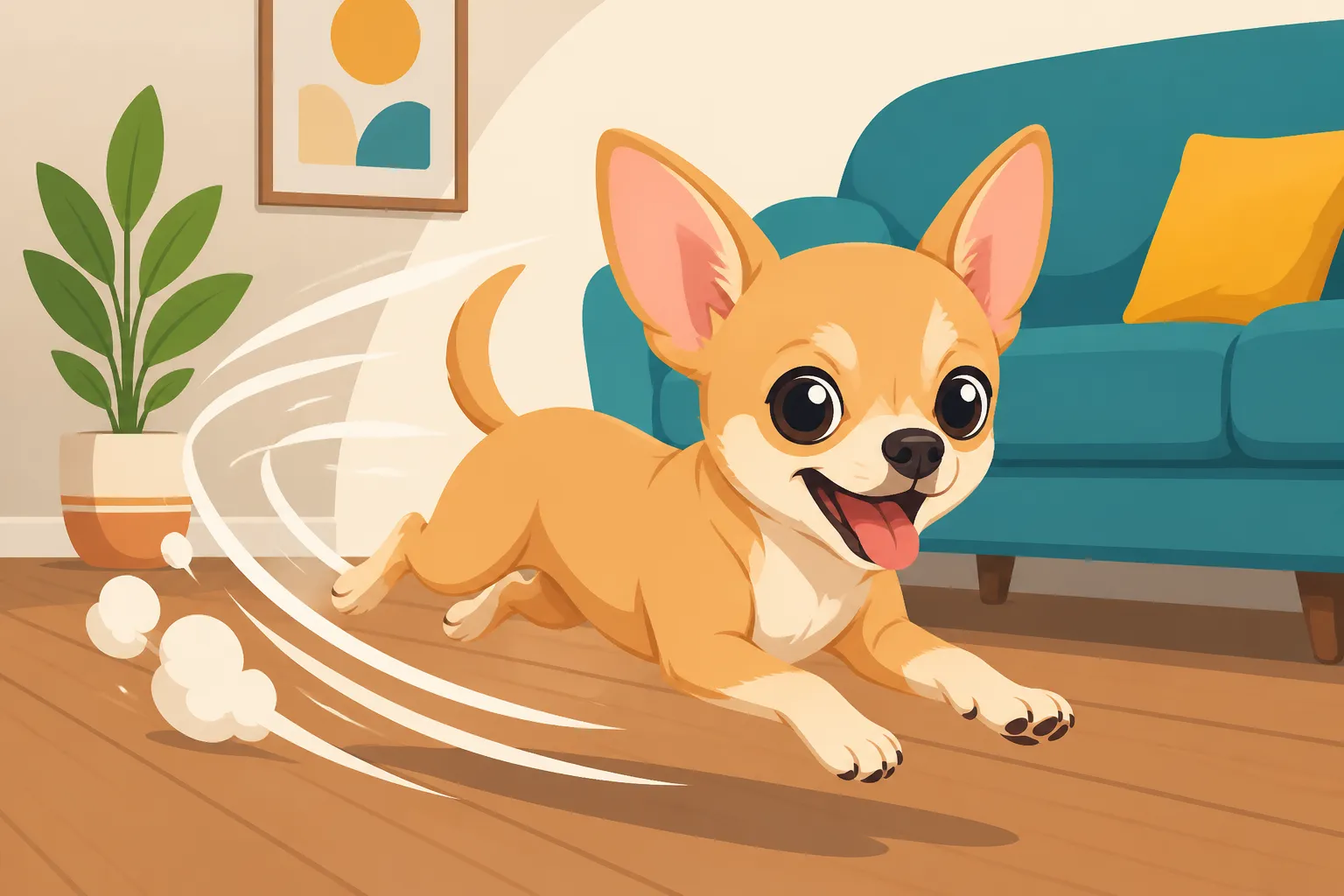
You've probably seen it – that sudden, inexplicable explosion of energy where your tiny Chihuahua transforms into a blur, tearing through the house at top speed, skidding around corners, and looking like they've just remembered they're late for a very important miniature appointment. These are affectionately known as "zoomies," or technically, Frenetic Random Activity Periods (FRAPs), and while often hilarious, they can sometimes raise questions about your dog's behavior and safety. This guide will dive deep into why your pint-sized companion gets these bursts of energy and how you can best manage them for both your peace of mind and your Chihuahua's well-being.
Understanding Chihuahua Zoomies: What They Are and Why They Happen
It’s easy to look at a Chihuahua, curled up in a sunbeam or buried under a blanket, and assume they're all about rest and relaxation. Then, out of nowhere, they launch into a full-throttle sprint across the living room, perhaps even barking madly at the furniture. These "zoomies" are a completely normal and often very healthy display of canine energy, but understanding their roots can help you anticipate and even appreciate them more.
The Sudden Burst of Energy: FRAPs Explained
FRAPs, or Frenetic Random Activity Periods, are essentially your dog letting off steam in a burst of high-intensity movement. For a Chihuahua, this might look like a frantic dash from one end of the sofa to the other, a tight figure-eight pattern around the coffee table, or an unbridled sprint through every room in the house. It's not a sign of aggression or anxiety in most cases; it's more like a spontaneous party of one. Think of it as your Chihuahua’s equivalent of a human doing a happy dance or letting out a joyful shout. It’s an innate way for them to release pent-up energy or excitement in a short, explosive burst.
These periods are generally short-lived, usually lasting only a few minutes before your Chihuahua suddenly flops down, panting and often looking quite pleased with themselves. While common in puppies, adult Chihuahuas also get the zoomies, sometimes even more intensely because they might have held onto their energy for longer periods. It’s their way of saying, "I have too much awesome energy right now, and it needs to go somewhere!"
Common Triggers for Zoomies in Chihuahuas
Chihuahua zoomies aren't entirely random, even if they feel that way. There are often specific triggers that set them off. Recognizing these can help you understand your dog better and even preempt some of the more chaotic episodes. One of the most common triggers is a sudden release from confinement, like being let out of their crate after a nap or when you come home from work. They’ve been holding still, and now it’s party time!
Another big one is excitement, especially after a bath. There's something about being wet and towel-dried that makes many Chihuahuas want to run wild and rub themselves against every available surface. Playtime, particularly with a favorite toy or another dog, can also escalate into a full-blown zoomie session. Some Chihuahuas might get them after they've done their business outside, feeling lighter and freer, or even just after waking up from a deep sleep, needing to shake off the sleepiness. Even a sudden change in environment, like arriving at a new park, can trigger an excited sprint. For a breed that thrives on routine, any disruption, even a positive one, can sometimes manifest as a burst of energy.
Is My Chihuahua's Zoomie Normal?
For the vast majority of Chihuahuas, zoomies are perfectly normal and a sign of a healthy, energetic dog. A normal zoomie session will be brief, joyful, and usually ends with your Chihuahua settling down on their own. They might pant a bit, but they won't appear distressed or anxious. If your Chihuahua is prone to Why Chihuahuas Shiver and What It Means, you might notice them shivering more intensely during or after a zoomie, which can be normal due to excitement or a slight chill.
However, there are times when excessive or prolonged zoomies might signal something else. If the zoomies seem to happen out of nowhere and last for an unusually long time, or if your Chihuahua appears genuinely distressed, disoriented, or struggles to settle afterward, it might be worth mentioning to your vet. Sometimes, a sudden increase in frenetic behavior could indicate discomfort or a health issue, although this is rare for typical zoomies. Keep an eye on any accompanying behaviors like excessive licking, pacing, or vocalization that seems more like anxiety than joy. Generally, though, if it looks like pure exuberance, it probably is!
Managing and Redirecting Chihuahua Zoomies
While Chihuahua zoomies are adorable and entertaining, they can sometimes lead to chaos, especially in a small home. It's important to learn how to manage these energy bursts and redirect them safely, both for your Chihuahua's sake and for the preservation of your household items. The key isn't to stop them entirely, but to provide appropriate outlets and ensure their safety.
Providing Appropriate Outlets for Energy
The best way to manage zoomies is often to give your Chihuahua other ways to burn off that energy. Regular exercise is paramount for Chihuahuas, even though they are small. A good Walking a Chihuahua Twenty Minutes a Day can do wonders. This isn't just about physical activity, but also mental stimulation. Short, brisk walks (weather permitting, as Chihuahua Paw Protection on Ice and Salt or Hot Pavement and a Chihuahua's Small Feet are real concerns) can help them use up some of that pent-up excitement.
Interactive toys are also fantastic. Puzzle feeders or toys that dispense treats can engage their minds and bodies, providing a more structured way to release energy than a mad dash through the house. Fetch, even a miniature version with a soft toy indoors, can be a great alternative. Think about rotating their toys, so they always have something "new" and exciting to play with, keeping them mentally stimulated. Sometimes, a good game of tug-of-war (with appropriate rules, of course) can be just the ticket for a Chihuahua bursting with energy. Providing these outlets before a zoomie session is likely to occur, such as after a meal or a long nap, can help prevent the more frantic outbursts.
Creating a Safe Zoomie Zone
When a zoomie strikes, your Chihuahua is essentially on autopilot, running purely on instinct. This means they might not be looking where they're going, leading to potential bumps, scrapes, or even falls. Creating a safe "zoomie zone" in your home is crucial. This could be a specific room with soft flooring or a clear path in your living area where fragile items are out of harm's way. Move any breakables, ensure rugs are non-slip, and block off areas where they might get stuck or hurt themselves, like under heavy furniture.
Consider soft barriers or playpens for puppies or particularly clumsy Chihuahuas. If your Chihuahua often gets the zoomies after coming inside from the garden, make sure there’s a clear path to a soft landing spot inside. Pay attention to heights: a Chihuahua going full tilt might try to jump off a sofa or bed, which can be dangerous for their tiny joints, especially if they have Patellar Luxation, the Chihuahua's Commonest Joint Problem. Using Ramps for a Chihuahua Bed and Sofa can help even when they aren't zooming, preventing injuries from everyday jumping. Knowing your Chihuahua's favorite zoomie routes can help you proactively clear them.
When Zoomies Get a Little Too Wild
Sometimes, despite your best efforts, the zoomies might get a bit too intense. Your Chihuahua might be nipping at furniture, bumping into things more than usual, or even barking incessantly during their run. In these moments, it's less about stopping the zoomie and more about gently guiding them back to a calmer state. Avoid chasing or yelling, as this can often be interpreted as part of the game and escalate the behavior.
Instead, try to interrupt the pattern with a calm, inviting sound or a gentle call to their name. Offer a high-value treat or a favorite chew toy to redirect their focus. You can also try leading them to their "safe space" or offering a cuddle if they're receptive, though many zoomie-prone Chihuahuas will be too revved up for immediate physical contact. A good strategy is to have a soft blanket or bed ready and encourage them to "find their spot." Sometimes, simply stepping out of the room for a moment can break their focus, prompting them to wonder where you went and calm down. Remember, consistency is key; they need to learn that wild zoomies aren't necessarily rewarded with more attention.
Preventing Excessive or Problematic Zoomies
While we embrace the occasional burst of joyful energy, a constant state of frantic zoomies might indicate your Chihuahua isn't getting all their needs met, or perhaps needs a bit more structure in their day. Proactive measures can help temper these outbursts into more manageable, and still adorable, episodes.
Consistent Exercise and Mental Stimulation
A tired Chihuahua is a good Chihuahua, and that doesn't just mean physically tired. Mental fatigue is just as important. For a small breed, even short, regular bouts of activity can make a huge difference. Beyond their daily walks, consider incorporating structured playtime with toys that require them to think, like snuffle mats or treat-dispensing toys. These can engage their brains and burn energy in a much more constructive way than uncontrolled running. Think about puzzle toys specifically Puzzle Toys Sized for a Chihuahua.
Obedience training, even for just a few minutes a day, provides fantastic mental stimulation. Teaching your Chihuahua new tricks or reinforcing commands like "sit," "stay," and "down" can be incredibly tiring for them. Three Minute Training Sessions With a Chihuahua can be more effective than one long, overwhelming session. Even scent games, where you hide treats around the house for them to find, can be mentally enriching and help drain that excess energy. Remember, a Chihuahua's small size often leads owners to underestimate their need for activity, but they are intelligent and lively dogs who thrive on engagement.
The Role of Routine and Calm Environments
Chihuahuas generally love routine; it gives them a sense of security and predictability. Establishing a consistent daily schedule for feeding, potty breaks, playtime, and rest can help regulate their energy levels. If they know when their exercise and mental stimulation periods are, they might be less likely to have sudden energy bursts out of frustration or boredom.
Consider the environment in your home. A chaotic or overly stimulating environment can contribute to nervous energy and, consequently, more zoomies. If your home is generally calm, with designated quiet spaces for your Chihuahua, it can help them learn to settle down more effectively. Ensure they have a comfortable, warm bed where they can truly relax, perhaps even Heated Beds and Whether They Are Safe if your Chihuahua tends to get cold easily. Limiting exposure to overly loud noises or sudden startling events, if possible, can also help keep their baseline anxiety lower. A predictable, calm environment helps your Chihuahua understand when it’s time to be active and when it’s time to chill.
Consulting a Professional for Persistent Zoomies
While zoomies are usually normal, if your Chihuahua's frenetic random activity periods are unusually frequent, intense, difficult to interrupt, or accompanied by other concerning behaviors, it might be time to seek professional guidance. This is particularly true if the zoomies seem to cause self-harm or if your Chihuahua is showing signs of distress rather than joy.
A certified professional dog trainer or a veterinary behaviorist can observe your Chihuahua's behavior in context and help identify any underlying issues. They can also offer tailored strategies for managing energy, enrichment, and behavior modification. Sometimes, what looks like excessive zoomies might actually be an expression of anxiety, frustration, or even pain, for instance if they are experiencing Chihuahua Back and Neck Pain. They can also help differentiate between normal puppy antics and more serious behavioral patterns. Don't hesitate to reach out to experts; they can provide invaluable insight and help you and your Chihuahua live a happier, more balanced life together. Organizations like BAXTER & Bella offer online training programs and resources that can guide you through managing various behaviors, and many of their principles can be applied to even the smallest of breeds.
Here's a quick look at common zoomie triggers and how you can respond:
| Trigger | Chihuahua Behavior | Recommended Response |
|---|---|---|
| After a bath | Wild running, rubbing on furniture, frantic shaking | Have a soft towel ready, engage in gentle play after drying, provide a safe "rubbing" spot |
| Waking from a nap / Crate release | Sudden sprints, happy barks, full-body shakes | Offer a short potty break, then engage in quiet play or a short walk |
| Excitement (e.g., owner returns) | Rapid circles, jumping, yips, darting around feet | Calm greeting, then redirect to a toy or a short, structured play session |
| Pent-up energy / Boredom | Repeated laps, nipping at air, excessive pacing | Increase daily exercise, introduce new puzzle toys (find options on Amazon), mental games |
| After potty break | Fast sprints in the yard or house, "happy dance" | Supervise in safe outdoor area, clear indoor zoomie path, allow the burst to dissipate |
| During play with other dogs | Intense chasing, playful nips, loud vocalizations | Ensure playmates are appropriate size, supervise closely, interrupt if overstimulated |
Chihuahua zoomies are a delightful and often comical part of sharing your life with these energetic little dogs. By understanding what triggers them, providing appropriate outlets, and ensuring a safe environment, you can help your Chihuahua express their joy and exuberance without chaos. Remember, a happy, well-exercised, and mentally stimulated Chihuahua will be less prone to overwhelming bursts of energy and more likely to settle contentedly by your side.
Disclaimer
This article is for general informational purposes only and does not constitute professional advice. Laws, prices and regulations vary by location and change over time. Consult a qualified professional for guidance on your specific situation.