A Chihuahua Marking the Same Corner
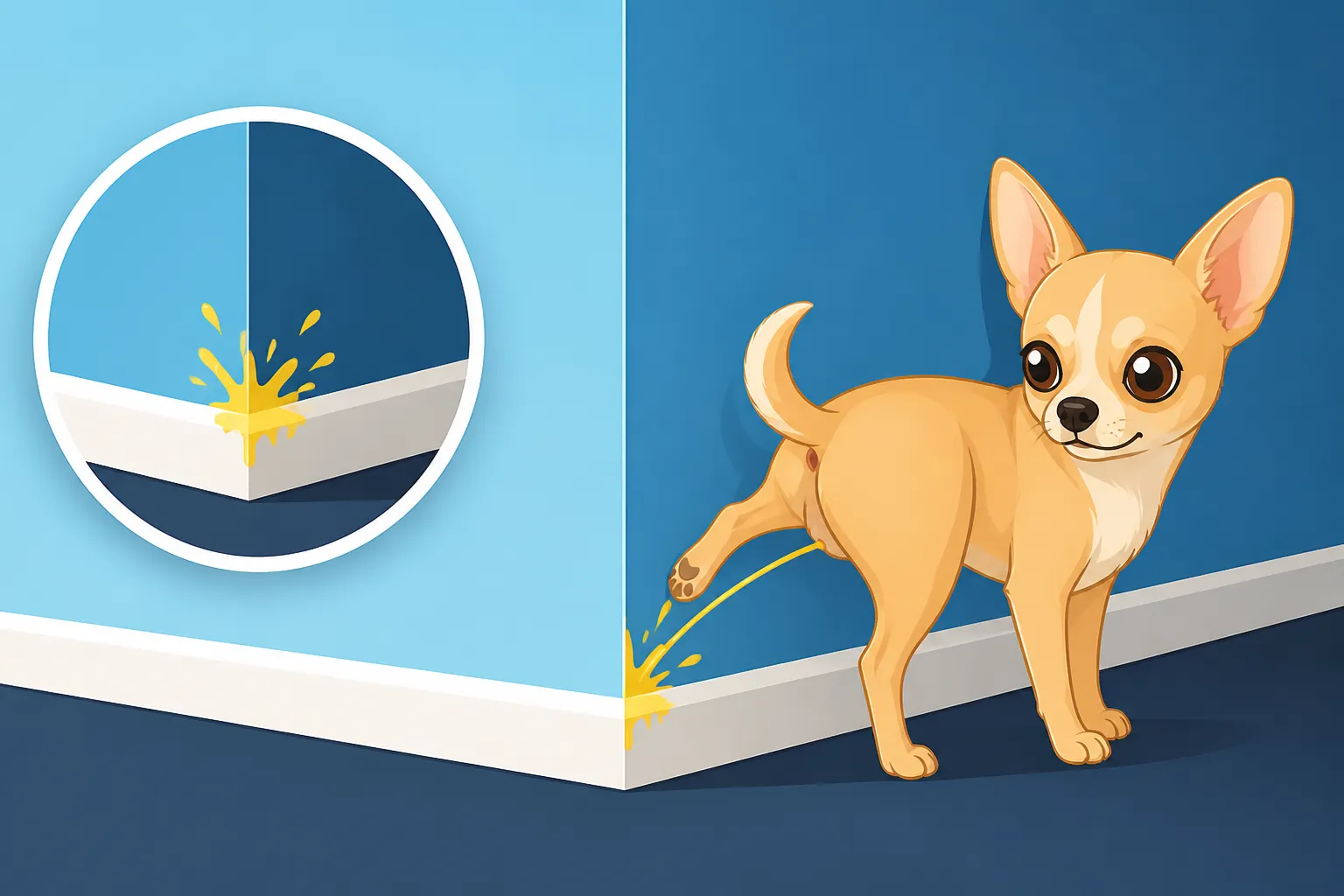
There's nothing quite as frustrating as stepping onto a damp spot on your carpet, only to realize it's the same damp spot your little Chihuahua has chosen as their personal indoor restroom, again and again. It feels like they're doing it on purpose, right? This guide is here to help you unravel the mystery behind why your tiny companion insists on marking that one specific corner and, more importantly, equip you with the strategies to finally put an end to this exasperating habit.
Understanding the "Why" Behind the Marking Behavior
Before we can even begin to tackle the problem, we need to understand why your Chihuahua is marking. It’s rarely out of spite or disobedience, despite how it might feel when you discover yet another puddle. Marking is a complex behavior deeply rooted in canine communication and, sometimes, underlying health issues.
Scent Communication in Chihuahuas
Dogs, including our Chihuahuas, perceive the world largely through scent. Their noses are incredibly powerful, picking up nuances we can't even imagine. Urination isn't just about emptying their bladder; it's a sophisticated form of communication, a liquid message board for other dogs, and even for themselves. When your Chihuahua marks, they're depositing a cocktail of pheromones and scents that convey information about their sex, reproductive status, stress levels, and even their presence. It's their way of saying, "I was here," or "This is my spot." This intense focus on scent means that even a faint, undetectable-to-humans whiff of old urine can act like a giant neon sign telling them, "Hey, this is a potty zone!"
Because Chihuahuas are so small, their scent markers might not seem as impactful as a larger dog lifting a leg high on a tree. However, for a Chihuahua, leaving a mark in a low, discrete spot, like a corner, is just as effective for their communication needs. They are often checking for these scent messages from other dogs, and when they don't find them, they leave their own. This is particularly true in homes with multiple pets, where the "conversation" via scent can be constant.
Territorial Instincts and Small Dog Syndrome
Chihuahuas might be tiny, but they often possess giant personalities, complete with strong territorial instincts. In the wild, animals use scent to establish and defend their territory. While your living room isn't exactly the wild, your Chihuahua's instincts are still at play. Marking a corner, especially one that feels strategically important (like near an entryway, a frequently used path, or a valued resource like their bed or yours), is their way of claiming ownership and asserting their place within the household hierarchy. They're trying to establish boundaries and communicate to other inhabitants – be they other pets or even family members – that this space is theirs.
This territorial behavior can be exacerbated by what's often referred to as Small Dog Syndrome and Why It Is Not Genetic. This isn't a medical condition, but rather a set of learned behaviors that can develop when small dogs are treated differently than large dogs. If a Chihuahua is consistently picked up, carried everywhere, or not given proper training and boundaries, they might feel insecure or over-reliant on their humans. This insecurity can manifest as excessive barking, snapping, or, you guessed it, marking. They might feel the need to constantly reassert their presence and claim their space through scent marking because they haven't learned other, more appropriate ways to communicate or feel secure. It's a cry for clarity and confidence, often misinterpreted as defiance.
Medical Reasons for Inappropriate Urination
Before you assume it's purely a behavioral issue, it is absolutely critical to rule out any underlying medical conditions. A sudden onset of marking, or an increase in frequency, especially if your Chihuahua has previously been reliably house-trained, should always prompt a visit to your veterinarian. There are several health problems that can lead to inappropriate urination, and they need to be addressed medically first.
For instance, urinary tract infections (UTIs) are incredibly common and can cause frequent, urgent urination, making it difficult for your Chihuahua to hold it until they get outside. Kidney disease, bladder stones, or even diabetes can also lead to increased thirst and urination, overwhelming their small bladders. Even conditions like Chihuahua Arthritis in the Teenage Years or Chihuahua Back and Neck Pain can make it painful for them to get to their designated potty spot in time, or even to assume the proper squatting position comfortably, leading them to choose a closer, easier corner. Don't skip this step; a vet visit is the foundation of solving any house-training or marking problem.
Identifying the Specific "Same Corner" Factors
It's one thing to know why dogs mark, but it's another to understand why that specific corner becomes the target. Chihuahuas aren't just randomly picking spots; there are usually specific reasons that draw them back to the same location.
Recognizing High-Traffic or Significant Spots
Think about the corner your Chihuahua targets. Is it near the front door where guests enter? Is it right next to your favorite armchair, or perhaps where their food and water bowls are kept? Often, the chosen spot is not random but holds some significance in the dog's perception of their territory or a high-traffic area. The front door, for example, is a constant source of new scents from outside, making it a prime location for a Chihuahua to "re-mark" and assert their presence to any perceived intruders. It's their way of claiming that boundary.
Likewise, a corner near their sleeping area or where they receive a lot of attention can be seen as a valuable resource. Marking it is their way of saying, "This is mine, and I value it." In a multi-pet household, a corner might be a contested area where different dogs in the home feel the need to leave their own "signature." If one dog marks there, another might feel compelled to mark over it, leading to a frustrating cycle of competitive marking that seems to revolve around that single spot. Understanding the environmental context of the chosen corner is key to understanding the motivation behind the marking.
The Power of Scent Memory and Residual Odor
Here’s the thing about a dog's nose: it's profoundly influenced by scent memory. Even if you scrub that corner until it looks sparkling clean and smells fresh to you, your Chihuahua's nose can still detect microscopic traces of urine that tell them, "This is where I've gone before, so this is where I should go again." It’s a powerful positive feedback loop. The residual odor acts as a constant invitation, almost like a self-fulfilling prophecy. Every time they smell their own previous mark, it reinforces the idea that this particular spot is a toilet, making it incredibly difficult to break the habit without truly neutralizing the scent.
Traditional household cleaners often just mask the odor or spread the urine around, making it even harder for you to detect but still clearly present for your dog. This is why you might clean diligently, only to find your Chihuahua back at the same spot within hours. The scent isn't just about what you can smell; it's about what your dog's highly sensitive olfactory system registers. Breaking this scent memory cycle is one of the most critical steps in stopping the marking.
Stress, Anxiety, and Environmental Triggers
Chihuahuas are often more sensitive than their tough-guy exterior suggests. Stress and anxiety can play a huge role in inappropriate urination and marking. If your Chihuahua is feeling anxious, marking can be a self-soothing behavior, a way to leave their own familiar scent in a new or stressful environment. It's like leaving their own comfort blanket. Changes in routine, new people or pets in the home, loud noises, or even feeling neglected can trigger these anxious behaviors. A Chihuahua that feels overwhelmed might resort to marking as a way to cope or to exert some control over their environment.
Consider if there have been any recent changes around the house. Did you move furniture? Get a new rug? Is there a new baby or another pet? Even something as subtle as construction noise outside can be enough to unsettle a sensitive Chihuahua. A new neighbor with a dog might cause your Chihuahua to try to "out-mark" the unseen rival. Pay attention to their body language leading up to a marking incident. Are they acting nervous, pacing, or clingy? Recognizing these triggers can help you address the root cause of their anxiety, which in turn, can reduce the marking behavior. Chihuahua Separation Anxiety and Time Alone can be another major contributor to indoor accidents, as some Chihuahuas mark when feeling stressed about being left alone.
Comprehensive Cleaning Strategies to Break the Cycle
You simply cannot stop marking if you don't tackle the existing scent head-on. This isn't just about surface cleaning; it's about deep, enzymatic neutralization of every last trace of urine.
Enzyme Cleaners: The Essential Tool
When your Chihuahua marks the same corner repeatedly, your first, most important weapon is an enzyme-based cleaner. These aren't your everyday household cleaners. Enzyme cleaners contain special bacteria that produce enzymes. These enzymes break down the uric acid crystals in urine, which are the primary culprits responsible for the lingering odor that your dog can detect. Regular cleaners might make the area smell fresh to you, but they often just mask the scent or, worse, spread the urine components around, leaving behind an irresistible invitation for your Chihuahua to mark again.
When using an enzyme cleaner, don't just spray and wipe. You need to saturate the area more thoroughly than you might think, allowing the solution to soak into the carpet padding, wood, or grout where the urine has penetrated. Follow the product's instructions carefully for dwell time – how long it needs to sit – to allow the enzymes to do their work. Then, blot the area dry; do not rub, as this can spread the stain and odor further. You might need to repeat this process several times for older, deeply saturated spots. Many reputable brands are available through retailers like Amazon, offering a variety of scents and formulas tailored for pet messes. It’s worth investing in a good one, as it will save you headaches (and carpets!) in the long run.
The Importance of Deep Cleaning Surfaces
Once you've applied an enzyme cleaner, think about the surface itself. If it's a carpet, consider renting a professional carpet cleaner or using a home steam cleaner specifically designed for pet stains, after the enzyme cleaner has done its initial work. This ensures that any loosened residue from deeper layers is extracted. For hard surfaces like tile or wood, urine can seep into grout lines or cracks in the finish. After enzymatic treatment, a good scrub with a stiff brush and a pet-safe floor cleaner is crucial.
Don't forget to check vertical surfaces too. Chihuahuas, despite their small size, can spray urine higher than you'd expect, especially if they're trying to communicate with other dogs or assert dominance. Baseboards, chair legs, and even the lower parts of walls can become targets. Wipe these down thoroughly with your enzyme cleaner. If the area is particularly saturated, you might even consider sealing porous surfaces like unpainted wood after cleaning, to lock in any remaining scent and prevent future absorption. If you have older furniture or curtains near the marked corner, consider whether they might also have absorbed urine and need a deep clean or even replacement.
Preventing Re-marking with Scent Deterrents
After you've cleaned the offending spot thoroughly with an enzyme cleaner, you can add an extra layer of prevention using scent deterrents. Dogs, especially Chihuahuas, are generally averse to certain smells, particularly citrus or bitter apple. You can purchase commercial pet deterrent sprays (again, Amazon has a wide selection) that use these scents to discourage your dog from approaching the area. Always test a small, inconspicuous spot first to ensure it doesn't stain your carpet or furniture.
Another strategy is to make the "marking zone" undesirable. Place something that blocks access or changes the feel of the area. A small piece of furniture, a potted plant, or even a heavy mat can serve this purpose. Some people use aluminum foil or crinkly plastic sheets over the spot, as Chihuahuas dislike the sound and feel under their paws. For a truly persistent marker, you could even try placing their food or water bowl directly on the cleaned spot for a short period. Dogs are instinctively less likely to eliminate where they eat, although this is usually a temporary measure to break the habit.
Behavioral Interventions and Training Techniques
Cleaning is only half the battle. To truly stop the marking, you need to address the behavior itself through consistent training and management. This means going back to basics and being hyper-vigilant.
Re-establishing Potty Training Fundamentals
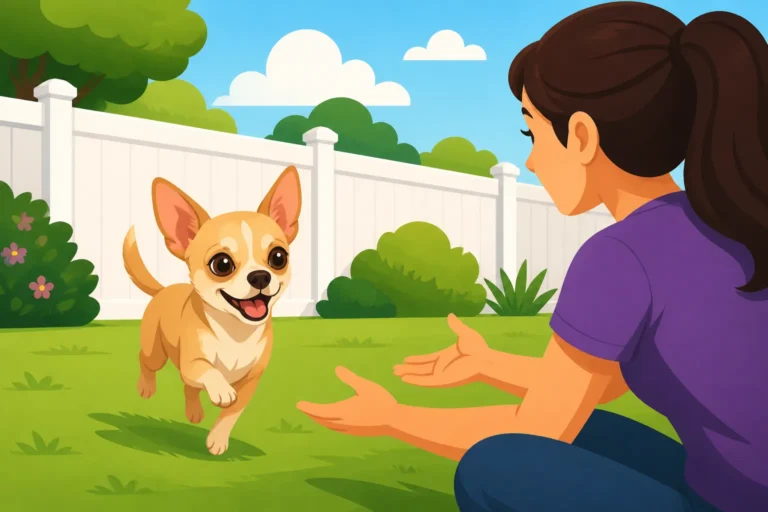
If your Chihuahua is marking, it's a clear sign that their house training needs a refresher course, regardless of their age. Treat them like a brand-new puppy when it comes to potty breaks. This means taking them outside (or to their designated indoor potty spot) very frequently – every 1-2 hours initially, immediately after waking up, after eating, and after playing. Reward them lavishly with praise, enthusiastic verbal cues, and high-value treats every single time they eliminate in the correct spot. This positive reinforcement helps them understand exactly what you want from them.
Keep potty breaks short and focused. Don't turn them into playtime; the goal is to eliminate. Wait patiently, and if they don't go after a few minutes, bring them back inside and try again in 15-20 minutes, keeping them supervised during that time. Consistency is key here. Everyone in the household needs to be on the same page with the schedule and rewards. Remember that a Chihuahua That Cries Out and Then Walks On might be indicating an issue with pain or discomfort, so if they seem hesitant, consult your vet again.
Supervision, Confinement, and Routine Management
You cannot effectively stop a marking habit if you allow your Chihuahua unsupervised access to the "problem corner." This is where diligent supervision and smart confinement strategies come into play. When you are home, keep your Chihuahua on a leash tethered to you, or within a secure playpen or crate, especially during times when you cannot give them your undivided attention. This prevents them from sneaking off to mark the corner.
When you're not actively supervising, or when you leave the house, confine your Chihuahua to a smaller, safe space where they are less likely to mark. A properly sized crate is ideal, as dogs are naturally reluctant to soil their sleeping area. Make sure the crate is comfortable and not used as punishment. Alternatively, a small, easy-to-clean room like a bathroom or laundry room could work, especially if you set up an indoor potty area there. This routine management, combined with frequent, successful outdoor (or designated indoor) potty breaks, will gradually help them internalize the correct behavior. Remember, a Chihuahua Crate Size and Setup is important to ensure it's a comfortable den, not a prison.
Positive Reinforcement and Redirecting Marking Attempts
The moment you catch your Chihuahua in the act of marking (or about to mark) the forbidden corner, interrupt them with a sharp clap or verbal "Ah-ah!" and immediately scoop them up and carry them to their designated potty spot. If they finish eliminating there, reward them enthusiastically. Never punish them after the fact; they won't associate the punishment with the accident, only with your unpredictable anger. Punishment can actually increase anxiety and make the marking worse.
Instead, focus on positively reinforcing desired behaviors. If your Chihuahua is prone to marking, set them up for success. Take them to their potty spot more often, praise them when they go, and gradually extend the time between breaks. If you find them sniffing around the problem corner, immediately redirect their attention with a toy or a short training command, then take them outside. BAXTER & Bella, an online puppy school, often emphasizes positive reinforcement techniques that can be incredibly effective for behaviors like marking. Their methods teach owners to build confidence and communication, which is crucial for sensitive breeds like Chihuahuas. Consistent redirection and positive reinforcement teach your Chihuahua that the correct place to go potty is outside (or on a pad), and the corner is simply not an option.
Long-Term Prevention and Environmental Management
Once you've made progress, sustaining it requires ongoing commitment to environmental management and understanding your Chihuahua's needs. This isn't a quick fix; it's a lifestyle adjustment for both you and your tiny dog.
Utilizing Indoor Potty Solutions
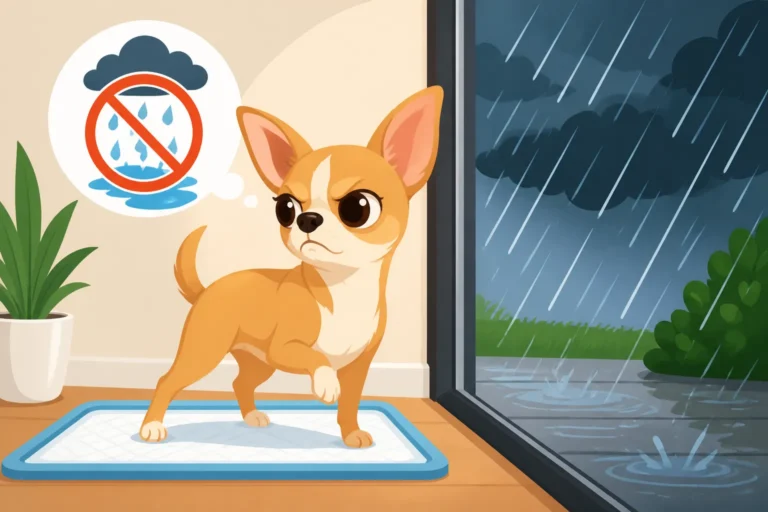
For many Chihuahua owners, especially those dealing with persistent marking or living in apartments, indoor potty solutions can be a lifesaver. Given their tiny bladders, which are truly small, some Chihuahuas simply cannot hold it for extended periods, especially during long workdays or inclement weather. How Long a Chihuahua Can Hold Its Bladder is often much less than people assume. Options range from traditional puppy pads to more sophisticated grass-patch systems (real or artificial). The key is to introduce these consistently and make them easily accessible.
Place the indoor potty solution in a low-traffic area, far from their food and sleeping spots, but still easily reachable. Reward them for using it, just as you would for outdoor potty breaks. If they are consistently marking a specific corner, you might even consider temporarily placing an indoor potty solution directly over that cleaned, neutralized corner to break the habit, and then gradually moving it to a more appropriate location once they start using it reliably. This can be particularly useful in winter when Chihuahua House Training in Cold Weather can be a major challenge due to their aversion to cold.
Addressing Underlying Stress and Anxiety
As we discussed, stress and anxiety are major contributors to marking. To truly prevent recurrence, you need to identify and mitigate your Chihuahua's stressors. Is it separation anxiety? Gradual desensitization to your departures, providing stimulating puzzle toys when you leave, or even exploring calming supplements or diffusers might help. If it’s fear of strangers or other dogs, work on Building a Chihuahua's Confidence Outdoors and creating a safe, secure environment indoors.
Consider their daily routine. Is it predictable? Chihuahuas thrive on routine, and sudden changes can be unsettling. Ensure they have a cozy, safe space where they can retreat and feel secure. This might be a crate draped with a blanket, a special bed, or even a designated corner that is theirs and not a marking zone. If their anxiety seems profound or unmanageable, don't hesitate to seek advice from a veterinarian or a certified professional dog trainer. Whether Anxiety Medication Helps a Chihuahua is a question best discussed with your vet, as sometimes a temporary solution can help break the cycle while you implement behavioral changes.
Managing Multi-Pet Households
If you live in a multi-pet household, the marking issue can become even more complicated due to inter-dog communication and competition. Each dog might feel the need to mark over another's scent, leading to a constant cycle of re-marking. The first step is to identify which dog is doing the marking. This might require careful observation or even a veterinary-prescribed dye that shows up under a black light.
Once you know the culprit (or culprits), consider how you can reduce perceived competition. Ensure there are enough resources for all pets: separate food bowls, multiple water stations, distinct sleeping areas, and enough attention from you. If the marking is territorial, you might need to manage interactions more closely, ensuring each dog has their own space and isn't constantly vying for the same "prime" locations. Sometimes, introducing Rules a Chihuahua Should Follow Like Any Dog, such as waiting their turn for attention or not being allowed to guard specific furniture, can help establish a clearer, more harmonious hierarchy, reducing the need for scent marking.
| Strategy | Description | Key Benefits | Best Use For |
|---|---|---|---|
| Enzyme Cleaners | Specially formulated cleaners that break down uric acid crystals, neutralizing odors at a molecular level. | Eliminates residual scent that attracts re-marking. | All surfaces where marking has occurred, especially deep into carpets. |
| Frequent Potty Breaks | Taking your Chihuahua to their designated potty spot every 1-2 hours, rewarding success. | Reinforces appropriate elimination, reduces "holding it" accidents. | All Chihuahuas, especially during house-training refreshers. |
| Supervision & Confinement | Keeping your Chihuahua on-leash, in a crate, or in a playpen when not actively supervised. | Prevents opportunity for marking, allows immediate redirection. | Essential for breaking any established marking habit. |
| Scent Deterrents | Sprays with unpleasant scents (e.g., citrus, bitter apple) or physical barriers (foil, furniture). | Makes the marked area undesirable for elimination. | Post-cleaning, to discourage return to specific spots. |
| Indoor Potty Solutions | Puppy pads or grass patches placed indoors for convenient elimination. | Offers an acceptable alternative, especially for small bladders or bad weather. | Chihuahuas with tiny bladders, owners with long workdays, or in cold climates. |
| Anxiety Management | Identifying and addressing stressors through routine, safe spaces, and possibly supplements/medication. | Reduces stress-induced marking, improves overall well-being. | Chihuahuas whose marking stems from fear, anxiety, or insecurity. |
When to Seek Professional Help
Sometimes, despite your best efforts, the marking behavior persists. This is not a reflection of your failure as an owner, but rather an indication that the problem is more deeply rooted and requires specialized expertise. Knowing when to call in the professionals can save you a lot of heartache and carpet damage.
Consulting Your Veterinarian First
As stated earlier, your veterinarian should always be your first point of contact, especially if the marking behavior is new, sudden, or increasing in frequency. A thorough physical examination, urinalysis, and possibly blood tests can rule out any underlying medical conditions that might be causing the inappropriate urination. It's incredibly common for conditions like urinary tract infections, kidney issues, or even mobility pain to manifest as house-soiling.
Your vet can also offer advice on calming supplements or even prescribe temporary anxiety medication if they believe stress is a major factor. They can guide you on proper cleaning techniques and recommend specific enzymatic cleaners. Don't feel embarrassed to discuss this issue with them; it's a common problem they see regularly. Be honest about the frequency, the location, and any changes in your Chihuahua's behavior. A detailed account will help them make an accurate diagnosis.
Working with a Certified Professional Dog Trainer
If medical issues have been ruled out, or if the problem is clearly behavioral and training-related, a certified professional dog trainer can be an invaluable resource. Look for trainers who specialize in positive reinforcement and fear-free methods, especially when working with sensitive breeds like Chihuahuas. They can assess your Chihuahua's temperament, identify specific triggers for the marking, and observe your interactions to pinpoint areas where adjustments are needed.
A good trainer will work with you to create a customized training plan that focuses on re-establishing solid house-training, building your Chihuahua's confidence, and teaching you how to effectively communicate with your dog. They might suggest specific techniques for Counter-Conditioning a Fearful Chihuahua or addressing resource guarding if those are contributing factors. Many trainers offer virtual consultations, which can be convenient for busy owners. They can provide hands-on guidance and troubleshoot challenges in real-time. Finding a Trainer Who Takes a Chihuahua Seriously is key, as some trainers may underestimate the behavioral complexities of small dogs.
Considering a Veterinary Behaviorist
For complex or deeply entrenched marking behaviors, particularly those linked to severe anxiety, phobias, or aggression, a veterinary behaviorist might be the most appropriate specialist. These are veterinarians who have gone on to complete advanced training and certification in animal behavior. They are uniquely qualified to address behavioral issues from both a medical and a training perspective.
A veterinary behaviorist can diagnose and treat behavioral conditions, including prescribing medication to help manage anxiety or compulsive behaviors, in conjunction with a comprehensive behavior modification plan. They often work as part of a team, collaborating with your regular vet and a certified trainer. If your Chihuahua's marking is escalating, accompanied by other concerning behaviors, or simply isn't responding to other interventions, a veterinary behaviorist offers the highest level of expertise to help your little companion find peace and confidence. It's a significant investment, but for some persistent issues, it can be the ultimate path to a happy, house-trained Chihuahua.
Disclaimer
This article is for general informational purposes only and does not constitute professional advice. Laws, prices and regulations vary by location and change over time. Consult a qualified professional for guidance on your specific situation.