What Small Dog Syndrome Means for a Chihuahua
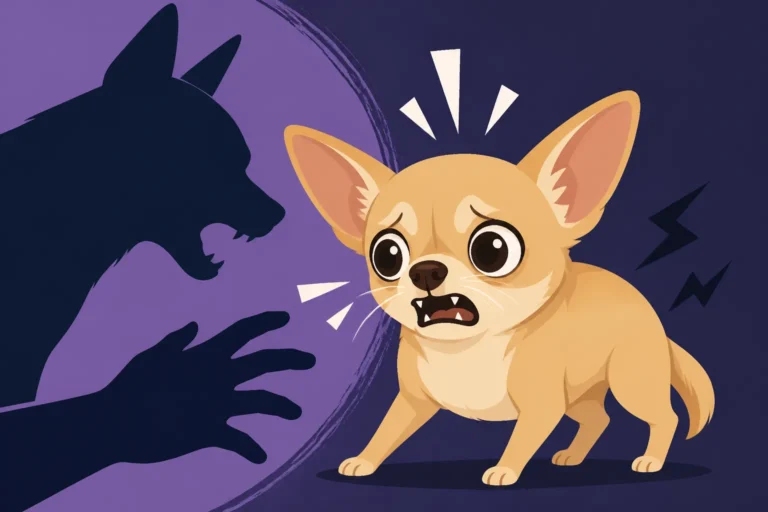
It’s a scenario many Chihuahua owners find themselves in: your tiny dog barks incessantly at every stranger, lunges at passing Labradors, and growls if you try to move them from your lap. While some might shrug and say, "Oh, that's just a Chihuahua being a Chihuahua," these behaviors aren't inherent to the breed. This guide is here to shed light on what's often mislabeled as "small dog syndrome," explaining what it truly means for our pint-sized companions and how we, as their loving guardians, can inadvertently contribute to it, ultimately showing you how to foster a confident, well-adjusted little dog.
What is "Small Dog Syndrome" Anyway?
The phrase "small dog syndrome" gets thrown around a lot, often with a chuckle, to describe common behavioral issues seen in smaller breeds like our Chihuahuas. But here’s the thing: it’s not some inherent genetic trait that makes little dogs yappy, aggressive, or fearful. It's a set of learned behaviors, often reinforced by human actions and perceptions. When people treat small dogs differently than large dogs, these behaviors can become deeply ingrained, making life stressful for everyone involved. Understanding this distinction is the first step toward helping your Chihuahua thrive.
It's Not a Genetic Condition
Let's be absolutely clear: there is no biological or genetic component that predisposes a Chihuahua to "small dog syndrome." Their small size doesn't come with an automatic download of undesirable behaviors. Instead, Chihuahuas are just dogs, capable of learning, responding to training, and exhibiting a wide range of personalities, just like a Golden Retriever or a German Shepherd. The instincts that drive canine behavior – fear, curiosity, prey drive, social bonding – are present in all dogs, regardless of their stature.
The real difference lies in how we interpret and react to those behaviors when they come from a dog weighing five pounds versus fifty. A nip from a Chihuahua is seen as "cute" or "tolerable," while the same action from a larger dog would be met with immediate correction and concern. This double standard creates an environment where small dogs are often not given the same consistent training and boundaries that larger dogs receive, leading directly to the problems associated with this "syndrome."
Why the Term is Misleading
The term "small dog syndrome" itself is problematic because it implies that these behaviors are unavoidable or intrinsic to small breeds. This can lead owners to excuse undesirable actions, thinking, "That's just how Chihuahuas are," instead of recognizing them as treatable training issues. Imagine if someone called a poorly trained Labrador’s pulling on the leash "big dog syndrome" – it sounds ridiculous, right? Because we understand that pulling is a training issue, not a breed trait.
This misleading terminology can also foster a sense of helplessness in owners, making them less likely to seek professional help or dedicate time to training. They might believe their Chihuahua's constant barking or fear-based aggression is a fixed part of their personality, rather than a communication of discomfort or a response to inconsistent boundaries. By reframing these issues as simply "unwanted behaviors" or "training opportunities," we empower ourselves to make a real difference in our Chihuahua's life.
The Human Factor: How We Unintentionally Create the Problem
As much as we love our Chihuahuas, sometimes our best intentions can actually lead to the behaviors we find challenging. It's easy to fall into patterns that might seem protective or loving, but ultimately undermine our tiny dog's confidence and understanding of the world. Recognizing these common pitfalls is crucial for breaking the cycle and building a better relationship with your pint-sized companion.
Excusing Behaviors We Wouldn't in a Big Dog
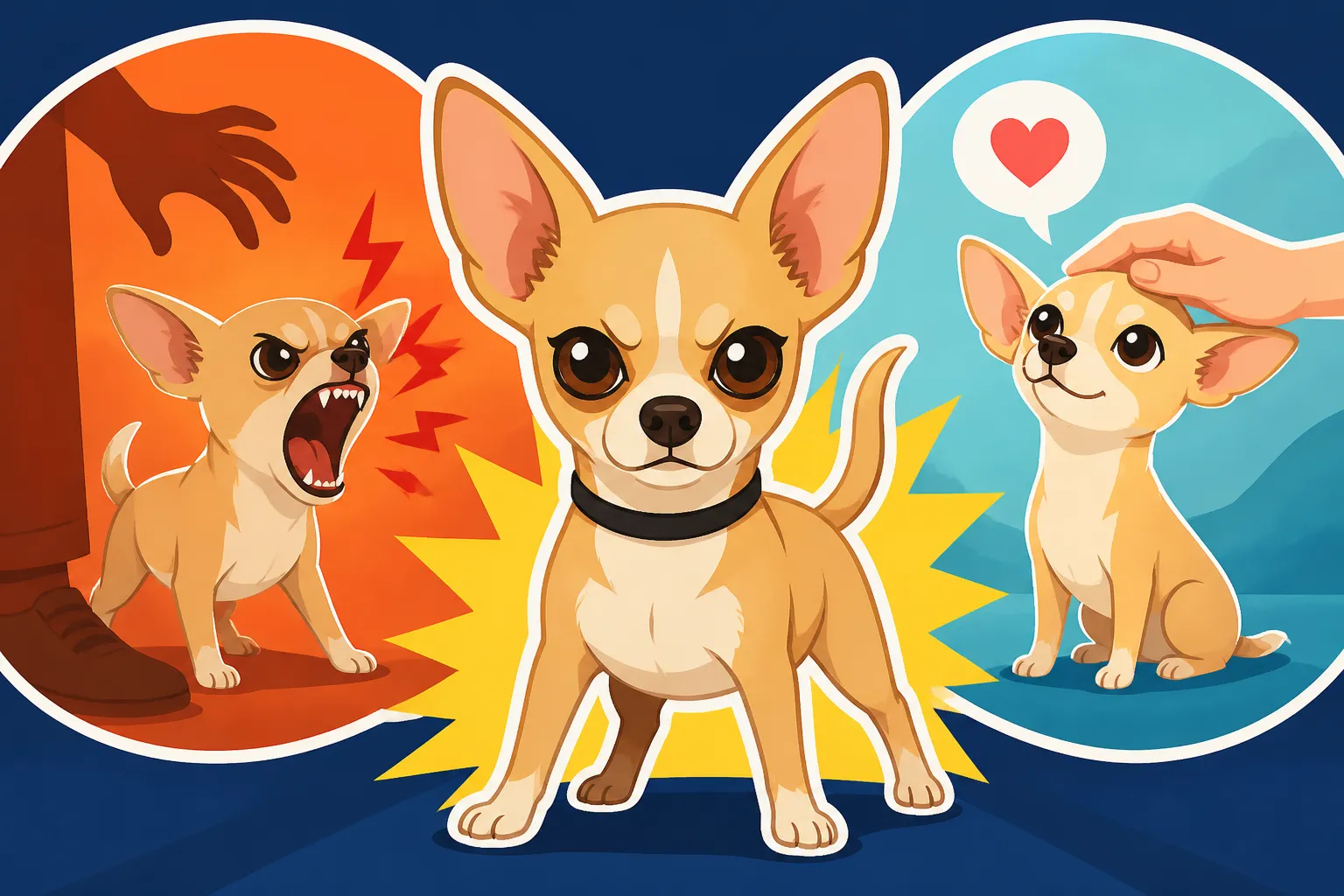
This is perhaps the biggest culprit in creating "small dog syndrome." We often hold Chihuahuas to a different standard than larger breeds. A Chihuahua jumping up and nipping at a guest might get a chuckle and an "oh, you little rascal!" A Great Dane doing the same would send shivers down our spines and prompt immediate disciplinary action. This inconsistency teaches our Chihuahuas that certain behaviors are acceptable for them, even if they'd be considered rude or aggressive in a larger dog. The Behaviors Owners Excuse in a Chihuahua is a major part of this dynamic.
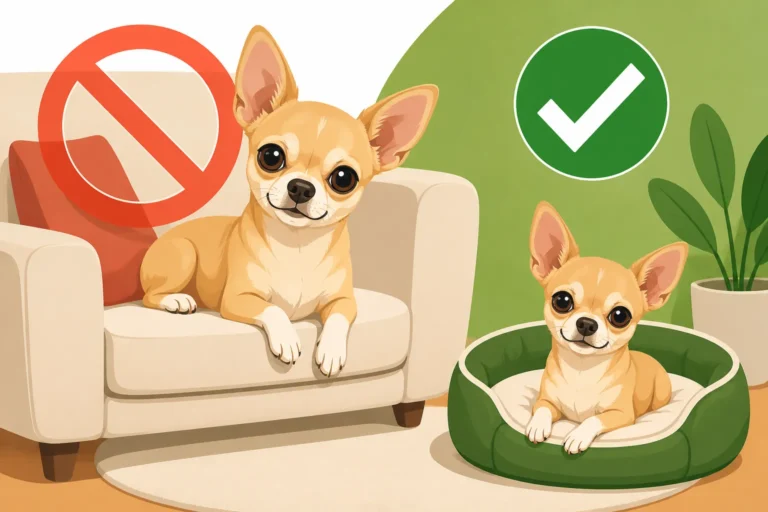
Consider the example of resource guarding: a Chihuahua growling over a toy or a prized spot on the sofa. If this were a German Shepherd, we'd address it instantly with firm training. But with a tiny Chihuahua, it's often dismissed as "cute" or "bossy," or we simply avoid the object or area they're guarding. This allows the behavior to escalate, as the Chihuahua learns that growling works to get what they want. They never learn appropriate boundaries or how to share because they are never required to, leading to a dog who genuinely believes they are the boss and can dictate terms.
Over-Protection and Limiting Socialization
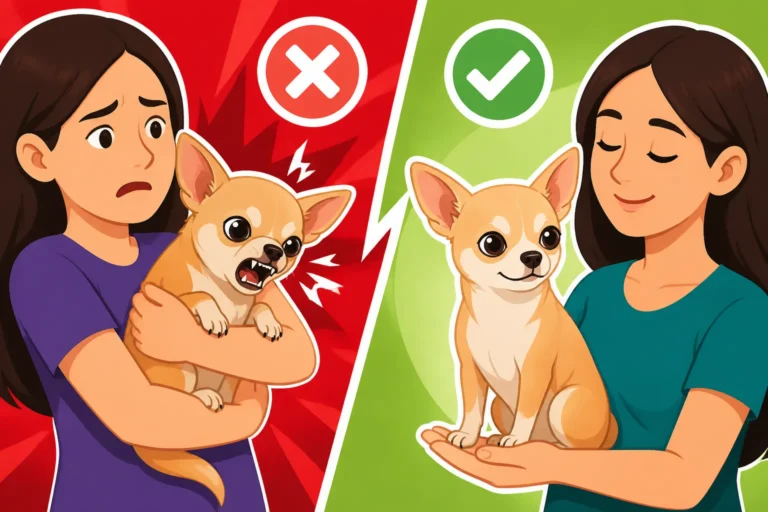
Our Chihuahuas are small, delicate creatures, and it's natural to want to protect them. But excessive protection, like constantly carrying them or shielding them from new experiences, can actually hinder their development. If a Chihuahua never gets to walk on a leash, explore new smells, or interact appropriately with other dogs and people, they can become anxious and fearful in unfamiliar situations. This fear often manifests as barking, lunging, or snapping – classic "small dog syndrome" behaviors. Why Picking a Chihuahua Up Makes Fear Worse explains how carrying can unintentionally exacerbate these fears.
When a Chihuahua is always picked up at the sight of another dog, they never learn how to calmly greet or even ignore other canines. Every interaction becomes a source of stress, leading them to believe that other dogs are threats that need to be barked at or avoided. Similarly, limiting exposure to different sounds, sights, and people prevents them from building resilience and confidence. Instead of learning that most novel experiences are benign, they learn to fear them, relying on their owner to whisk them away from perceived danger rather than learning to cope themselves.
Carrying as a Crutch, Not a Solution
While carrying your Chihuahua might seem like a practical way to keep them safe from bigger dogs or crowded sidewalks, making it their default mode of transport can prevent them from learning vital life skills. Dogs learn about the world through their paws, noses, and eyes at ground level. When consistently carried, a Chihuahua misses out on crucial sensory input, spatial awareness, and the opportunity to build confidence by navigating their environment independently.
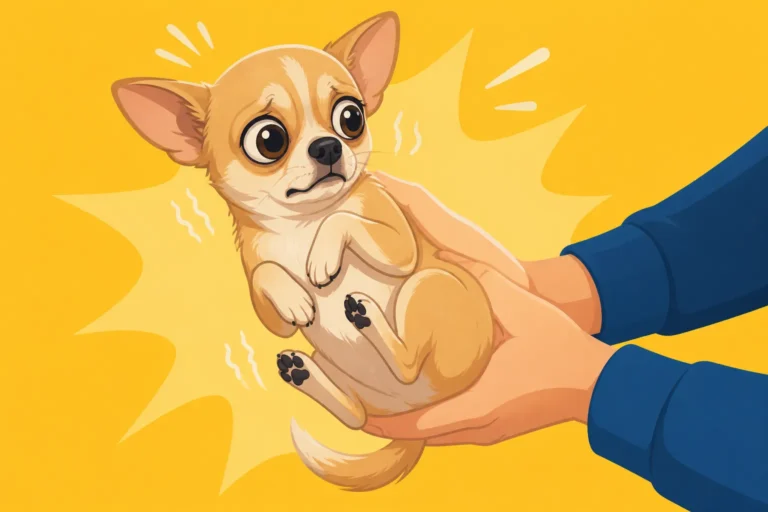
Furthermore, being carried often places a Chihuahua at eye level with other people's faces, which can be intimidating for them and lead to reactive behaviors. If they're feeling insecure while being held, they might snap or bark out of fear, as they feel trapped and unable to escape. Teaching your Chihuahua to walk confidently on a leash, even in busy areas, using a well-fitting harness (like those readily available on Amazon or through pet specialty stores) is far more beneficial for their long-term well-being and ability to cope with the world around them.
Common Behaviors Mistaken for "Chihuahua Personality"
Many of the behaviors we attribute to a Chihuahua's "feisty personality" are, in fact, symptoms of insecurity, lack of training, or a misunderstanding of canine communication. These aren't endearing quirks but rather cries for help or signs that our dogs need more guidance and consistent boundaries. Let's look at some of the most common ones.
Excessive Barking and Lunging
"Oh, he's just a barker, that's what Chihuahuas do!" This is a phrase heard often, but excessive barking and lunging are rarely about "personality." More often, they're rooted in fear, anxiety, or a lack of proper socialization. A Chihuahua that barks at every stranger passing the window, or lunges at dogs on the street, isn't being "alert"; they're likely feeling threatened and trying to make the perceived threat go away. Chihuahua Barking and What Sets a Six Pound Dog Off can help you understand the triggers.
Imagine walking through a forest and seeing a bear. Your first instinct might be to make yourself look big and loud to scare it off. A Chihuahua, feeling vulnerable due to its size, might employ a similar strategy: bark, lunge, and make a big display to keep perceived threats at bay. This behavior is often reinforced when the "threat" (a passing dog, a mail carrier) eventually moves away, leading the Chihuahua to believe their barking was effective. Without proper counter-conditioning and training, this cycle continues, making walks and visitors a constant source of stress for both dog and owner. Fear-Based Reactivity in a Chihuahua delves deeper into this.
Resource Guarding and Snapping
A Chihuahua who growls or snaps when someone approaches their food bowl, bed, or even their favorite human's lap is often labeled as "spoiled" or "protective." While they might indeed be protective of resources, this is a serious behavioral issue, not a cute trait. Resource guarding stems from insecurity and a fear of losing something valuable. In a small dog, it can be particularly concerning because their bite, while small, can still cause injury and severely damage trust. Chihuahua Resource Guarding and Snapping explains this in detail.
This behavior can become particularly prevalent in households where the Chihuahua has not been taught boundaries or impulse control. If a Chihuahua learns that a growl or a quick snap makes a person back off, they will continue to use that strategy. It's crucial to teach them that humans are not threats to their resources and that good things happen when they allow people near their possessions. This involves careful, positive reinforcement-based training, gradually desensitizing them to approaches and handling around their valued items, ensuring they understand that human interaction means gain, not loss.
Potty Training Regression and Marking
Another common misconception is that Chihuahuas are notoriously difficult to house train. While their tiny bladders do mean they need more frequent potty breaks, persistent indoor accidents or marking behavior is typically a training issue, not a genetic flaw. Owners often assume a small puddle is "no big deal," but this allows the behavior to continue unchecked. For male Chihuahuas, marking can become a significant problem if not addressed early.
Sometimes, indoor accidents are a result of insufficient outdoor access, especially in cold or wet weather. Other times, it's a lack of understanding of where and when it's appropriate to relieve themselves. Insecure or anxious Chihuahuas might also mark territory to assert themselves or alleviate stress, particularly in multi-pet households or homes with new furniture. Rather than seeing it as an inevitable "Chihuahua thing," addressing frequency, location, and the underlying motivation for marking is key to a clean home.
The Real Risks of Letting "Small Dog Syndrome" Take Root
While some might view "small dog syndrome" behaviors as minor inconveniences, allowing them to persist carries genuine risks, not just for the dog's well-being but for the entire household. These aren't just personality quirks; they can lead to dangerous situations, strained relationships, and a generally unhappy dog.
Safety Hazards for Your Chihuahua
A Chihuahua displaying "small dog syndrome" behaviors is often a fearful and anxious dog. Their reactivity—the barking, lunging, and snapping—puts them at greater risk in various situations. For instance, a Chihuahua that barks and lunges at every large dog they encounter is much more likely to be involved in a dangerous incident. Even if the larger dog is friendly, a sudden, aggressive display from a small dog can provoke a reaction that could lead to serious injury or worse for the Chihuahua. Why Dog Parks Are Dangerous for a Chihuahua highlights these risks.
Furthermore, an anxious or reactive Chihuahua is more likely to bolt or try to escape when startled or overwhelmed. This can lead to them getting lost, running into traffic, or encountering other hazards. Owners might try to mitigate this by always carrying their Chihuahua, but as we've discussed, this also has its drawbacks and doesn't address the root cause of the fear. A well-adjusted, confident Chihuahua, on the other hand, is less likely to panic and can better navigate the world around them safely.
Strained Relationships and Stress
Living with a Chihuahua who constantly barks, nips, or guards resources can be incredibly stressful for human family members. Guests might become uncomfortable, children might be at risk of nips, and even routine interactions can become fraught with tension. Imagine trying to enjoy a quiet evening when your Chihuahua erupts into a barking fit at every sound outside, or trying to relax on the sofa only to be met with a growl if you shift positions.
This constant stress can lead to owners inadvertently isolating their Chihuahuas, avoiding social gatherings, or limiting their dog's experiences, which only perpetuates the problem. The bond between owner and dog can suffer when trust is eroded by unpredictable or aggressive behaviors. A Chihuahua that snaps at their owner when being moved or handled gently creates an environment of apprehension, rather than the loving, harmonious relationship we all desire. It's truly heartbreaking for both sides when communication breaks down this severely.
Exacerbating Underlying Health Issues
While "small dog syndrome" isn't a medical condition, the stress and anxiety associated with it can exacerbate existing health problems or even contribute to new ones. Chronic stress can weaken a dog's immune system, making them more susceptible to illness. An anxious Chihuahua might also develop stress-related digestive issues or skin problems. Moreover, a dog that is constantly tense and reactive might be less cooperative during veterinary visits, making examinations and treatments more challenging and stressful for everyone involved.
For a breed already prone to conditions like Chihuahua Collapsing Trachea and the Honking Cough or Patellar Luxation, the Chihuahua's Commonest Joint Problem, the physical strain of constant barking, lunging, or even rapid movements due to anxiety can worsen these conditions. A Chihuahua that is constantly jumping off furniture due to excitement or fear might put undue stress on delicate joints. Addressing behavioral issues through proper training not only improves their mental state but can also contribute to their overall physical health and longevity.
Training Strategies to Prevent and Overcome Small Dog Syndrome
The good news is that "small dog syndrome" is entirely preventable and, in most cases, treatable. It requires consistency, patience, and a willingness to treat your Chihuahua like any other dog – with respect for their intelligence and capabilities, regardless of their size.
Consistent Rules for All Dogs, Regardless of Size
The golden rule of combating "small dog syndrome" is to establish and enforce the same boundaries and expectations you would for a larger dog. Your Chihuahua needs to understand what is acceptable behavior and what isn't. This means no jumping on guests, no growling over toys, and no biting during play. These rules should be non-negotiable and applied consistently by everyone in the household. Rules a Chihuahua Should Follow Like Any Dog provides a great starting point for establishing these expectations.
For instance, if you don't allow a German Shepherd on the furniture, your Chihuahua shouldn't be allowed either, unless specifically invited. If a larger dog isn't allowed to bark incessantly at the window, neither should your Chihuahua. Consistency helps your Chihuahua understand their place in the household hierarchy and reduces anxiety, as they know what to expect from their environment. Use positive reinforcement to reward good behavior, and calmly redirect unwanted actions without resorting to harsh punishment, which can actually increase fear and reactivity in a small dog.
Building Confidence Through Positive Reinforcement
A confident dog is rarely a reactive or aggressive dog. Building your Chihuahua's confidence is key to overcoming "small dog syndrome." This involves engaging them in training that challenges them mentally and physically, celebrating their successes, and providing plenty of positive experiences. Short, fun training sessions using high-value treats (think tiny pieces of cooked chicken or cheese) can work wonders. Treats Small Enough for Chihuahua Training can guide your choices.
Activities like teaching basic obedience commands (The Commands Every Chihuahua Should Know), puzzle toys (many available on Amazon), or even short agility courses designed for small dogs can boost their self-esteem. When they learn new things and are rewarded for it, they develop a sense of mastery and trust in their human companions. This confidence will translate into how they interact with the world, making them less likely to resort to fearful barking or snapping. Focus on rewarding calm, confident behaviors in new or challenging situations.
Structured Socialization and Exposure
Proper socialization isn't just for puppies; it's an ongoing process throughout a dog's life. For Chihuahuas, it’s particularly important to ensure these experiences are positive and not overwhelming. This means controlled, gradual introductions to new people, places, sounds, and other calm, well-mannered dogs of various sizes. Avoid dog parks where larger, rowdy dogs could accidentally injure your Chihuahua. Instead, opt for supervised playdates with known, friendly dogs.
Take your Chihuahua on short, positive outings to quiet parks, pet-friendly stores, or just for a walk around the neighborhood. Let them explore at their own pace, rewarding calm curiosity. If they seem overwhelmed, remove them from the situation calmly and try again another day with less intensity. The goal is to create positive associations with novel experiences, teaching them that the world isn't a scary place. Online platforms like BAXTER & Bella often offer virtual puppy classes or socialization guides that can provide structured approaches to these critical early experiences.
Tools and Resources to Support Your Chihuahua's Training
You don't have to tackle "small dog syndrome" alone. There are many tools and resources available that can make the training journey smoother and more effective for both you and your Chihuahua.
Appropriate Gear and Training Aids
Having the right equipment is essential, especially for a small breed. Forget neck collars; a well-fitting harness is paramount for Chihuahuas, protecting their delicate trachea and making walks safer and more comfortable. Look for a Y-front harness that doesn't put pressure on their windpipe. Harness Fitting on a Chihuahua Chest provides more guidance. Many excellent options for small breeds are available on Amazon, often with adjustable straps to ensure a snug, secure fit.
Beyond harnesses, consider a long line for safe, controlled outdoor practice of recall, or a small, lightweight clicker for positive reinforcement training. Puzzle toys, snuffle mats, and sturdy chew toys sized for a Chihuahua's tiny mouth can provide mental enrichment and redirect anxious energy. For house training, invest in high-quality enzymatic cleaners for accidents and consider an indoor potty solution if outdoor access is challenging in bad weather.
| Behavior Symptom (Small Dog Syndrome) | Underlying Cause | Corrective Action | Recommended Tools/Resources |
|---|---|---|---|
| Excessive Barking at Strangers/Dogs | Fear, Insecurity | Counter-conditioning, Desensitization | High-value treats, Clicker, Window film, Positive reinforcement trainer |
| Lunging on Leash | Fear, Reactivity | Leash manners training, Positive exposure | Y-front harness, 6-foot leash, Long line, Chihuahua Leash Training on a Harness |
| Resource Guarding (e.g., food, lap) | Insecurity, Lack of boundaries | "Trade up" game, Consistent rules, Positive exchanges | Management (e.g., separate eating space), Trainer specializing in guarding |
| Nipping/Snapping at Guests/Children | Fear, Overwhelm, Lack of bite inhibition | Consent-based handling, Socialization, Teaching bite inhibition | Controlled introductions, Muzzle training (positive association), Behaviorist |
| Persistent Indoor Potty Accidents | Insufficient breaks, Inconsistent training, Marking | Frequent potty breaks, Supervision, Proper cleaning | Indoor potty system, Enzyme cleaner, Management (e.g., dog gates), Chihuahua House Training in Cold Weather |
| Refusing to Walk / Always wants to be carried | Lack of confidence, Negative past experiences | Gradual positive exposure, Reward walking, Make walks fun | Comfortable harness, Engaging walks, Avoid carrying as default |
Professional Guidance When You Need It
Sometimes, despite our best efforts, a Chihuahua's behavioral issues can feel overwhelming. This is when a qualified professional can be an invaluable resource. Look for a certified professional dog trainer (CPDT-KA) or a certified behavior consultant (CBCC-KA) who uses positive reinforcement methods and has experience with small breeds. Avoid trainers who advocate for punitive methods, as these can easily traumatize a fearful Chihuahua and worsen their behaviors.
Many services, like BAXTER & Bella, offer online training programs, workshops, or even one-on-one virtual consultations that can be tailored to your Chihuahua's specific needs. A good trainer can help you identify the root cause of your Chihuahua's behaviors, develop a personalized training plan, and teach you the skills to implement it effectively. Don't be afraid to seek help; it's a sign of a responsible and loving pet owner who wants the best for their tiny companion. Finding a Trainer Who Takes a Chihuahua Seriously is a critical step in this process. Remember, a professional can provide an objective perspective and practical solutions that might not be obvious to you.
Disclaimer
This article is for general informational purposes only and does not constitute professional advice. Laws, prices and regulations vary by location and change over time. Consult a qualified professional for guidance on your specific situation.