Chihuahua Handling and Why Carrying Backfires
It's so easy to fall into the habit of scooping up our little Chihuahuas the moment we feel a flicker of concern. Whether it’s a big, boisterous dog approaching, a busy street, or even just guests coming over, that instinct to protect our tiny companions is incredibly strong. But while carrying them might feel like the most loving thing to do, it can actually backfire, inadvertently creating a fearful, anxious, or even reactive little dog. This comprehensive guide will explore why constant carrying can hinder your Chihuahua's development and how to empower them to navigate the world confidently on their own four paws.
The Misconception of Constant Carrying
Many Chihuahua owners, myself included at times, start off with the best intentions. We see our tiny pups, often weighing less than a large bag of flour, and our protective instincts kick in hard. The world can seem like a giant, dangerous place for such a small creature, and carrying them feels like the ultimate shield. It seems safer, easier, and just plain comforting for both us and them. However, this seemingly benevolent act can subtly undermine their confidence and create a host of behavioral issues down the line. We think we're keeping them safe, but we might be denying them the opportunity to grow.
The "Protective" Instinct and Its Flaws
It's a natural human response to want to keep our loved ones safe from harm, and with a Chihuahua, that impulse is magnified by their diminutive size. We might envision them being stepped on, attacked by larger dogs, or simply overwhelmed by a crowded environment. So, we hoist them into our arms, believing we are preventing these potential dangers. This instinct, while noble, often overlooks a critical aspect of canine psychology: dogs learn by doing, by experiencing their environment, and by successfully navigating challenges. When we constantly remove them from situations, we prevent them from learning how to cope.
This constant removal sends a very clear, albeit unintentional, message to our Chihuahuas: "This situation is dangerous, and you are incapable of handling it." Imagine if every time you faced a slightly challenging situation, someone immediately intervened and pulled you away. You'd never learn problem-solving skills, and you'd likely become increasingly anxious about facing even minor obstacles. For a Chihuahua, being repeatedly scooped up when a larger dog approaches, for instance, teaches them that larger dogs are indeed something to be feared, rather than an opportunity to observe calmly or engage appropriately.
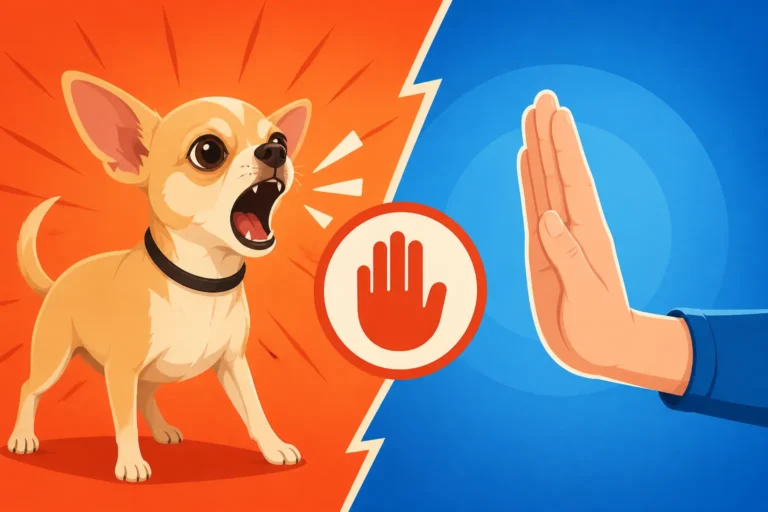
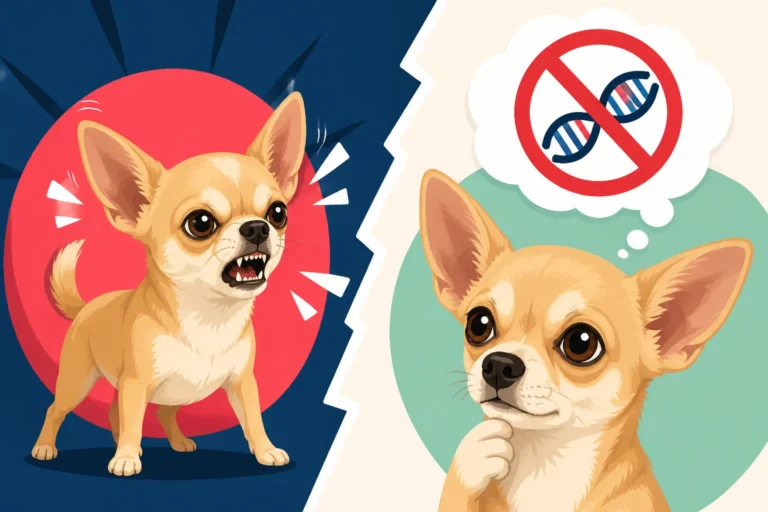
Furthermore, this protective instinct can inadvertently lead to what many call Small Dog Syndrome and Why It Is Not Genetic. It’s not an actual syndrome, but rather a collection of behaviors often seen in smaller dogs whose owners have inadvertently taught them they don't need to behave like "real" dogs. When a Chihuahua is always carried, they don't learn leash manners, how to greet other dogs politely, or how to walk past distractions without barking. Instead, they might become shrill, lunging from the safety of their owner's arms, because they've never been taught an alternative.
When Carrying Becomes a Crutch, Not a Cure
What starts as a protective measure can quickly evolve into a crutch, not just for the dog, but for the owner too. For the Chihuahua, it becomes their default coping mechanism. If they feel uncertain or scared, they've learned that a whine or a bark will likely result in being lifted to safety. This means they never truly learn to regulate their own emotions in challenging situations. They never develop resilience or independent problem-solving skills, which are crucial for a well-adjusted dog of any size.
From the owner's perspective, carrying can become a habit that's hard to break. It's often easier in the short term to pick up a barking Chihuahua than to manage their behavior on the ground. It seems to quiet them, or at least remove them from the immediate stimulus. However, this convenience comes at a cost. We prevent our dogs from experiencing the world fully, from smelling all the interesting scents on the ground, and from getting the physical exercise they need. We essentially limit their world, believing it's for their benefit, but ultimately it can lead to a less enriched and more anxious life for them.
This reliance on being carried can also lead to issues during veterinary visits or grooming appointments. If a Chihuahua is only ever handled and moved by their owner in a very specific, often comforting way, they may react with extreme fear or aggression when a vet tech needs to pick them up, or a groomer tries to lift them onto a table. They haven't learned that being handled by different people, in different ways, is a normal and often necessary part of life.
Why Carrying Backfires: Behavioral Consequences
The subtle messages we send by constantly carrying our Chihuahuas have significant behavioral ramifications. Far from making them feel more secure, it can actually lead to increased anxiety, fear, and even aggression. It’s a classic case of unintended consequences, where our desire to protect ends up hindering their ability to thrive.
Fostering Fear and Insecurity
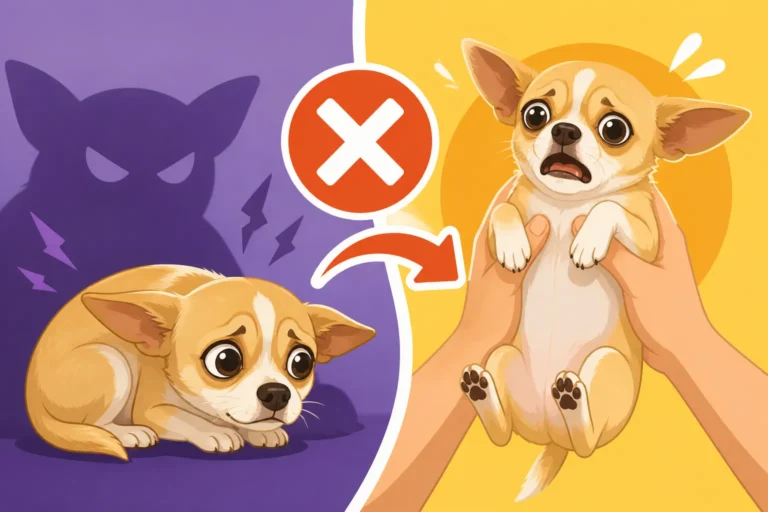
When a Chihuahua is routinely picked up and removed from any situation that might cause them even slight discomfort, they don't learn that those situations are manageable. They don't get the chance to assess the environment, gather information through their senses (especially scent, which is crucial for dogs), and decide how to respond appropriately. Instead, they learn to associate the stimulus with immediate removal and, often, with their owner's own heightened anxiety, which they pick up on. This creates a cycle where the Chihuahua becomes increasingly fearful and insecure.
Imagine being consistently removed from new situations without the chance to explore or understand them. You would quickly develop a perception that the world is inherently unsafe, filled with unknown threats you can't handle. For a Chihuahua, this can manifest as generalized anxiety, not just about specific triggers, but about any novel experience. They might become hesitant to investigate new objects, shy away from unfamiliar sounds, and constantly seek the safety of their owner's arms or lap. This prevents them from developing the confidence that comes from successfully navigating the world on their own terms.
This insecurity can also lead to clinginess and separation anxiety. A Chihuahua who has never learned to be independent, who is always dependent on their owner for protection and security, may struggle immensely when left alone. They may not understand how to self-soothe or feel safe when their human shield is absent, leading to destructive behaviors, excessive barking, or panic attacks. It reinforces the idea that their safety is solely external, rather than something they can contribute to themselves.
Impeding Crucial Socialization
Socialization isn't just about meeting other dogs and people; it's about learning how to exist calmly and confidently in a variety of environments. For Chihuahuas, whose socialization window is critical during puppyhood, constant carrying severely limits their exposure and understanding of the world. If they're always in your arms, they're not walking on different surfaces, hearing new sounds, or encountering other dogs and people at ground level, which is how dogs naturally interact. This can lead to a dog that is undersocialized and reactive.
When a Chihuahua is carried past other dogs, for example, they miss out on vital social cues. They can't engage in polite sniff-and-greet rituals, learn to read canine body language at a peer level, or understand the appropriate way to approach and disengage. Instead, they might develop an exaggerated response, such as barking incessantly from a safe distance, because they've never learned healthy coping mechanisms. This can lead to them being labeled as "yappy" or "aggressive" when they are actually just scared and lacking the necessary social skills.
Similarly, being carried through public spaces means they aren't learning how to calmly walk on a leash amidst various distractions. They aren't getting used to the sounds of traffic, the sight of strangers, or the movement of objects around them. Instead, these stimuli can become overwhelming and frightening because they are experienced from an unnatural height and often only when they are already stressed, associating the experience with fear and being picked up. The world becomes a blur of potential threats rather than an interesting place to explore. The Chihuahua Socialization Window and Its Deadline is a crucial time for these experiences.
Reinforcing Reactivity and Aggression
One of the most insidious ways constant carrying backfires is by inadvertently reinforcing reactivity and aggression. When a Chihuahua barks or lunges from the safety of an owner's arms, and the owner immediately removes them or cuddles them, the dog learns that this behavior is effective at making the scary thing go away or getting comforting attention. They're not being corrected; they're being "rewarded" for their reactive outburst. This makes the behavior more likely to repeat in the future.
Furthermore, a dog who is consistently denied the opportunity to interact with the world at ground level, and who is always being removed from situations, can become incredibly frustrated. This frustration can boil over into reactive displays. They might bark, lunge, or even snap because they feel trapped, unable to investigate or cope with their environment in a natural way. This can turn into a vicious cycle: the dog acts out, the owner picks them up, the dog learns that acting out is the way to get picked up, and so on.
A Chihuahua who is always carried also misses out on learning self-soothing techniques and how to de-escalate their own arousal. They don't learn how to "check in" with their environment, how to choose to walk away from a trigger, or how to settle themselves. Instead, they rely on a human to manage their emotional state for them, leading to a dog that is easily overstimulated and quick to react negatively when their perceived safety net (their owner's arms) isn't immediately available or effective. For more on this, consider reading Chihuahua Fear Reactivity, the Breed's Real Problem.
Physical Risks Associated with Excessive Carrying
While the behavioral consequences are significant, it's also important to consider the physical implications of a Chihuahua not getting enough time on their own paws. Their tiny bodies are designed for movement, and denying them that can lead to physical issues, not just mental ones.
Weakening Muscles and Bone Density
Dogs, like humans, need regular physical activity to maintain muscle tone and bone density. When a Chihuahua is consistently carried, they simply aren't using their muscles and bones in the way they're meant to. Their legs aren't getting the work necessary to build and maintain strength, their joints aren't getting the natural lubrication from movement, and their bones aren't experiencing the stress that promotes density. This can lead to weaker limbs, making them more susceptible to injury even from minor incidents.
Think about a human who is constantly transported everywhere versus someone who walks regularly. The person who walks will have stronger legs, better balance, and generally better overall physical conditioning. The same applies to Chihuahuas. Regularly walking helps to strengthen their core, leg muscles, and improve their coordination. Without this, they might develop a more awkward gait, or simply lack the muscle mass to support their delicate skeletal structure, especially if they are prone to conditions like Patellar Luxation, the Chihuahua's Commonest Joint Problem.
Moreover, sufficient weight-bearing exercise is vital for healthy bone development and maintenance. Bones respond to stress by becoming stronger and denser. If a Chihuahua's bones are rarely stressed by walking, running, and jumping (within safe limits, of course), they can become more brittle and prone to fractures. This is particularly concerning for a breed already known for its delicate build and predisposition to certain orthopedic issues.
Increased Risk of Falls and Injuries
Paradoxically, constantly carrying a Chihuahua can actually increase their risk of injury. A dog that is not accustomed to walking on its own, navigating different terrains, or balancing effectively will be more clumsy and prone to falls when they are eventually put down. Their proprioception – their body's ability to sense its own position and movement – isn't as developed if they haven't had consistent practice. This can make simple acts like stepping off a curb or navigating uneven ground a hazard.
Furthermore, being carried doesn't eliminate the risk of falls; it just shifts the responsibility. An owner could trip, lose their grip, or the dog could unexpectedly jump out of their arms, leading to a fall from a significant height for a tiny Chihuahua. A fall from even a few feet could result in serious injuries, including broken bones or head trauma, given their small size and delicate skulls. This is especially pertinent for puppies or those with an The Chihuahua Molera and What a Soft Spot Means.
Even if the fall isn't directly from the owner's arms, a Chihuahua who is constantly carried may be less adept at avoiding hazards on the ground. They might not notice an approaching obstacle, or react quickly enough to prevent a collision, simply because they haven't honed those environmental awareness skills that come from navigating the world on their own. Their physical clumsiness combined with a lack of awareness can create a dangerous situation when they are finally on their own four feet.
Ignoring Underlying Pain Signals
A very subtle but serious risk of constant carrying is that it can mask underlying pain or discomfort. If a Chihuahua is always picked up before they have to walk far, or before they encounter stairs or uneven ground, their owner might not notice subtle signs of lameness, joint pain, or other physical issues. A slight limp, a hesitation to put weight on a paw, or a change in gait could be indicators of conditions like patellar luxation or arthritis, but these signs are easily missed if the dog isn't regularly walking and engaging their full body.
When a dog is in pain, they will often try to hide it as a natural survival instinct. If they are constantly being carried, they don't have to "perform" walking or running, and therefore the pain might go unnoticed for much longer. This delay in detection can mean that treatable conditions worsen significantly before they are ever diagnosed, potentially leading to more severe problems and more intensive, costly interventions down the line. It's much harder to observe their natural movement and posture if they're always in your arms.
Regular walks and allowing your Chihuahua to move independently provide invaluable opportunities for you to observe their physical well-being. Are they walking comfortably? Is their tail carriage normal? Do they seem reluctant to jump or climb? These are all crucial observations that help you catch health issues early. Without this daily ritual of independent movement, you lose a significant diagnostic tool in monitoring your Chihuahua's health, potentially missing cues for conditions that impact their long-term comfort and mobility.
Teaching Your Chihuahua to Walk on Leash
The good news is that Chihuahuas are perfectly capable of walking on a leash and enjoying their outdoor adventures. It just takes patience, the right equipment, and a consistent approach. Shifting from carrying to walking is a process of positive reinforcement and gradual exposure, and it's one of the best gifts you can give your little dog.
The Right Gear for a Tiny Dog
Before you even think about hitting the pavement, you need to ensure your Chihuahua has the correct and most comfortable gear. For a small breed like a Chihuahua, a harness is absolutely essential. Never, ever use a collar for walks, especially if your dog pulls, as it puts immense pressure on their delicate trachea, which is prone to issues like Collapsing Trachea and the Chihuahua Honking Cough. A properly fitted harness distributes pressure across their chest and shoulders, protecting their neck and throat.
When choosing a harness, look for one specifically designed for small breeds. It should be lightweight, non-restrictive, and allow for a full range of motion. Many online retailers like Amazon offer a wide variety of small-sized harnesses. Measure your Chihuahua carefully around the chest and neck to ensure a snug, but comfortable fit – you should be able to fit two fingers underneath the straps, but no more. A harness that's too loose can allow them to slip out, while one that's too tight will chafe and be uncomfortable. Consider soft materials and padded straps for maximum comfort.
For a leash, a lightweight, standard four to six-foot leash is ideal. Avoid retractable leashes, as they offer less control and can be dangerous for both you and your small dog. A regular leash allows for clear communication and keeps your Chihuahua close by, offering security without restricting their ability to explore safely. Pairing the right harness with the right leash is the first crucial step in empowering your Chihuahua to walk confidently beside you. Harness Fitting on a Chihuahua Chest can offer more detail on selection.
Positive Reinforcement for Paws on the Ground
Teaching your Chihuahua to enjoy walking on a leash should be a positive and rewarding experience. Start slowly, in a quiet environment like your home or backyard. First, simply put the harness on for short periods, pairing it with high-value treats and praise. The goal is for them to associate the harness with good things. Once they're comfortable with the harness, attach the leash and let them drag it around for a few minutes, always supervised. Again, lots of praise and treats.
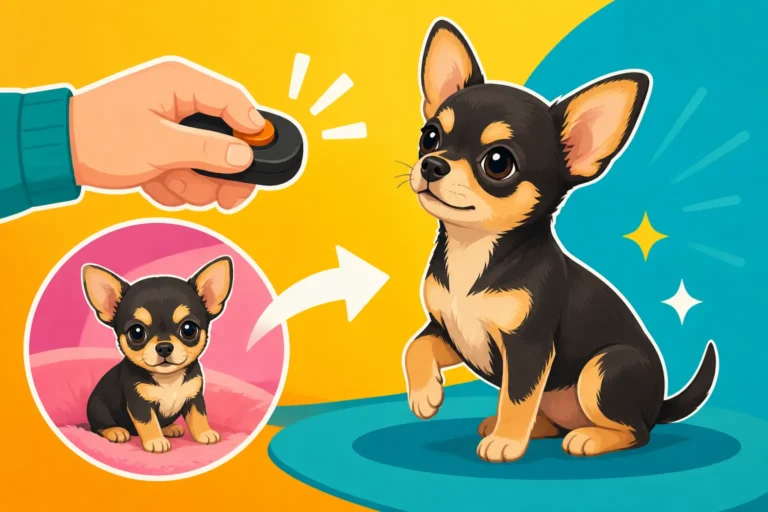
Next, start taking a few steps, luring them forward with a treat. When they take a step with the leash attached, say "yes!" or click a clicker, and give them a treat. Keep sessions short and fun, gradually increasing the number of steps. The idea is to teach them that walking on the leash means good things happen. If they pull, simply stop moving. Wait for the leash to slacken, then praise and continue. They will quickly learn that pulling gets them nowhere, but loose-leash walking gets them to their desired destination and rewards.
Consistency is key here. Every time you put the harness and leash on, it should be a positive experience. Avoid scolding or yanking the leash; this will only make them fearful of walking. Focus on rewarding the behaviors you want to see: walking calmly by your side, sniffing appropriately, and ignoring distractions. Soon, the harness and leash will become a signal for fun and exploration, rather than a cause for anxiety. Teaching a Chihuahua to Walk Instead of Ride provides more insights into this process.
Gradual Exposure to the Outside World
Once your Chihuahua is comfortable walking on a leash indoors and in your backyard, it's time to gradually introduce them to the wider world. Start with very short walks in quiet, low-distraction areas. A peaceful cul-de-sac or a quiet park during off-peak hours can be ideal. The goal is to set them up for success, not to overwhelm them. Keep these initial outdoor adventures brief and positive.
As they gain confidence, slowly increase the duration and introduce more varied environments and distractions. This might mean walking past a few parked cars, then a person walking in the distance, then perhaps a calm, larger dog on a leash. Always be observant of their body language. If they show signs of stress (tail tucked, ears back, trembling, excessive sniffing the ground), create more distance from the trigger or end the session on a positive note before they become too overwhelmed.
Remember that a Chihuahua experiences the world from a much lower vantage point than you do. What seems like a small object to you might be a huge, intimidating obstacle to them. Be patient, let them sniff and explore at their own pace (within reason), and celebrate every small victory. Over time, these positive experiences will build their confidence, turning them into enthusiastic little walkers who look forward to their adventures outside.
Building Confidence and Independence in Your Chihuahua
Building confidence in a Chihuahua who has been accustomed to being carried requires intentional effort to empower them. It's about giving them the tools and opportunities to feel secure and capable on their own, rather than relying solely on you for their safety.
Controlled Introductions and Safe Spaces
A key part of building confidence is ensuring that introductions to new people, places, and other animals are always controlled and positive. For a Chihuahua, a chaotic environment or an over-eager stranger can be incredibly frightening. When meeting new people, ask them to crouch down to your Chihuahua's level, avoid direct eye contact initially, and let your dog approach them on their own terms. A treat offered calmly can help build positive associations.
Similarly, when introducing your Chihuahua to other dogs, ensure the other dog is calm, well-socialized, and ideally, of a similar size. Dog parks are generally not safe or appropriate places for Chihuahuas due to the risk of injury from larger, boisterous dogs. Instead, arrange controlled "playdates" with known, friendly dogs in a secure, neutral environment. Observe their interactions closely and intervene if either dog shows signs of stress or discomfort. Remember, quality over quantity when it comes to social interactions. Chihuahua Play With Dogs Its Own Size is always preferred.
Creating safe spaces within your home is also crucial for building independence. This could be a cozy crate, a soft dog bed in a quiet corner, or even a small playpen where they can retreat when they feel overwhelmed or just need some alone time. Teach them that this is their sanctuary, a place where they won't be bothered. This empowers them to manage their own stress levels and gives them a sense of control over their environment, knowing they always have a safe haven.
Engaging with the World on Their Own Terms
Encourage your Chihuahua to explore and interact with their environment at ground level. Let them walk ahead on the leash (within safe limits), sniffing all the interesting smells. Scent is a dog's primary sense, and allowing them to explore through their nose is incredibly enriching and confidence-building. Don't rush them through their "sniffari" – these experiences are vital for their mental well-being and understanding of the world.
Offer opportunities for them to choose to approach new things. For instance, if you encounter a new object on your walk, let them investigate it at their own pace. If they are hesitant, don't force them. Model calm behavior, perhaps gently tapping the object yourself, and let them come around when they feel ready. Every successful, self-initiated exploration builds their confidence that they can assess and handle new situations.
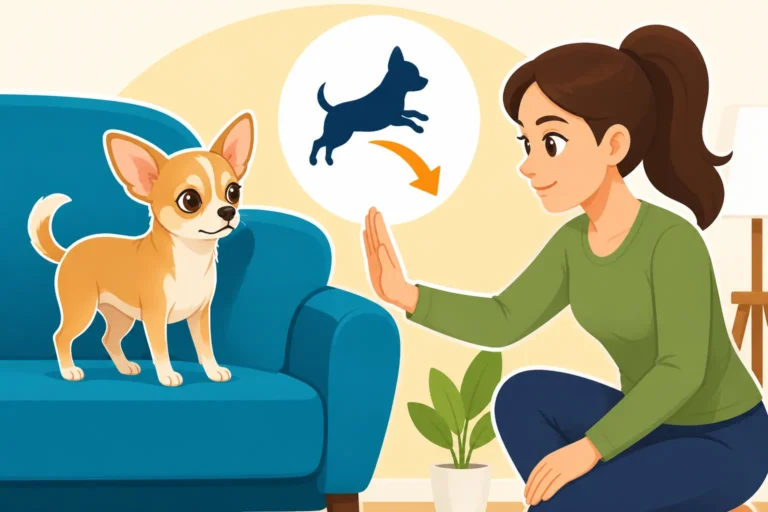
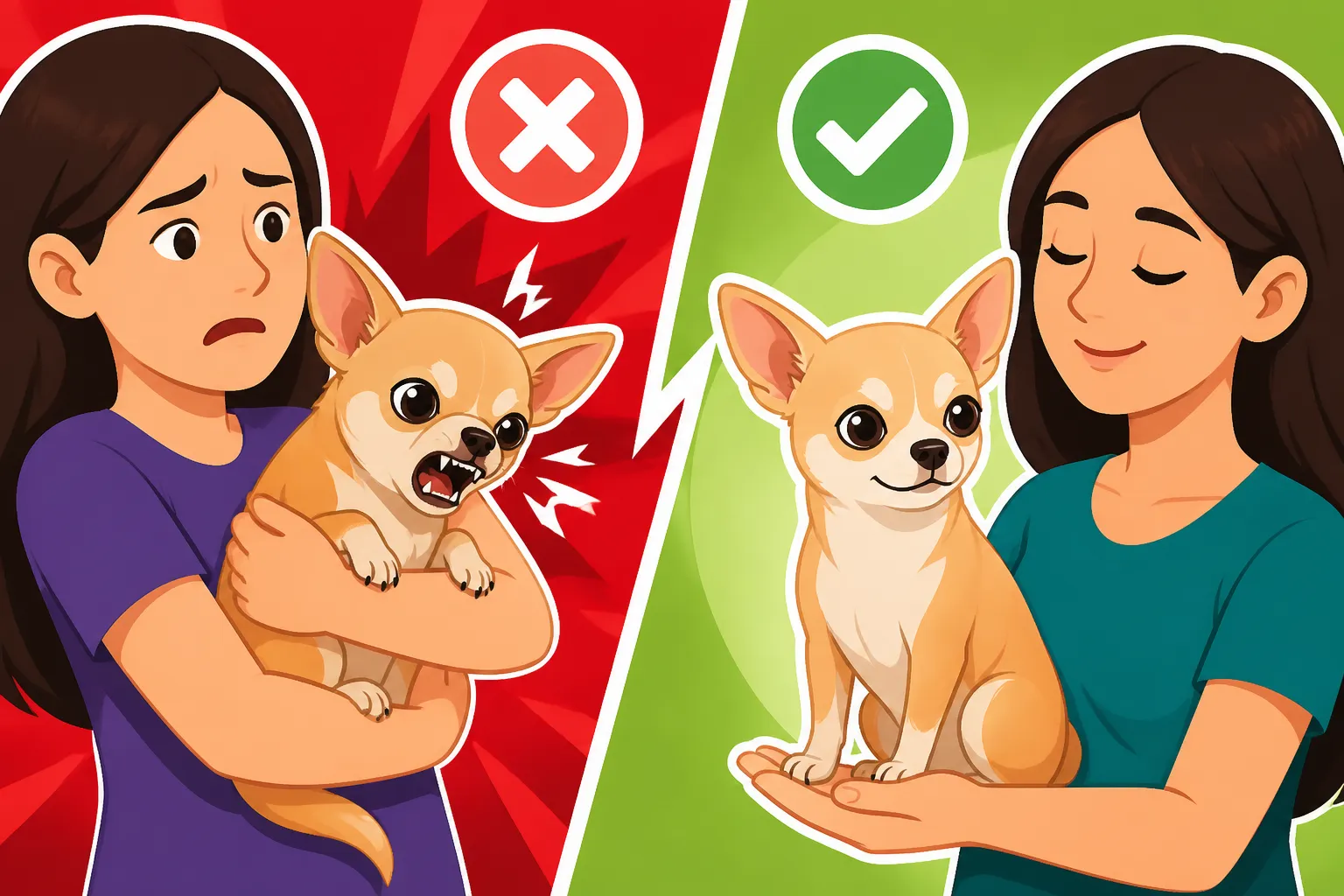
This also applies to interaction. Teach family members and guests Chihuahua Handling and Consent. Instead of swooping down to pick them up, teach people to invite the Chihuahua to them, perhaps by tapping their lap or offering a gentle hand for sniffing. This teaches the Chihuahua that they have agency, that they can choose to engage, rather than feeling constantly subjected to external forces. This shift in control is incredibly empowering for a small dog.
Encouraging Exploration and Play
Play is not just for fun; it's a vital tool for building confidence, problem-solving skills, and a strong bond between you and your Chihuahua. Provide them with a variety of toys appropriate for their size, from soft plushies to puzzle toys that challenge their minds. Engage in interactive play sessions, like gentle tug-of-war or indoor fetch, which help them burn energy and learn boundaries. Indoor Games for a Chihuahua can be really beneficial.
Puzzle toys, which require your Chihuahua to figure out how to get a treat, are fantastic for building confidence and mental resilience. They teach your dog to persevere through a challenge and experience the satisfaction of a "win." Start with easy puzzles and gradually introduce more complex ones as their skills improve. This mental engagement is just as important as physical exercise for a well-rounded, confident dog.
Even simple exploration around the house can be a confidence booster. Create small "adventure zones" with blankets, tunnels, or cardboard boxes for them to explore. Hide treats for them to find, encouraging their natural foraging instincts. These activities, which allow them to use their senses and problem-solving abilities in a safe, controlled environment, are invaluable for fostering a sense of capability and independence.
Alternative Ways to Protect Your Chihuahua
It’s completely valid to want to protect your Chihuahua; the goal isn't to expose them to unnecessary risks. The shift is about moving from carrying as the primary protection method to proactive management and training. There are many effective ways to keep your tiny companion safe without compromising their confidence and independence.
Smart Management in High-Traffic Areas
When you're in a busy public space, like a crowded street fair, a bustling farmer's market, or a vet clinic waiting room, carrying your Chihuahua might still seem like the only option. However, instead of immediately scooping them up, consider alternatives that still offer protection but allow them to stay on the ground. A comfortable, secure pet stroller can be a lifesaver in these situations. It allows your Chihuahua to be at a safer height, observe the environment without being overwhelmed by feet, and still experience the sights and sounds without direct physical contact from strangers.
Alternatively, a sturdy pet carrier or a specially designed dog backpack can be used in short bursts. The key is that these are temporary solutions, not their default mode of transport. Your Chihuahua should be comfortable and calm in their carrier, ideally having been crate trained beforehand. This provides them with a mobile safe space where they can feel secure but are still present in the environment, rather than completely isolated.
When walking in areas with larger dogs, keep your Chihuahua on a short leash and be hyper-aware of your surroundings. Give a wide berth to any dog you don't know, and don't hesitate to politely ask other owners to give you space if their dog is off-leash or overly exuberant. Your primary role becomes an advocate for your dog's space and safety, rather than simply physically removing them from every potential interaction. This involves being proactive, not reactive.
Creating Safe Zones at Home and Away
Just as a pet stroller provides a mobile safe zone, establishing physical safe zones in various environments is crucial. At home, this means a crate, a playpen, or a dedicated dog bed where your Chihuahua can retreat if guests arrive, or if the house gets too noisy. This space should be consistently respected by all family members, especially children, as their personal sanctuary. This teaches them that they have control over their environment and can choose to opt out of overwhelming situations.
When visiting friends or family, bring a familiar safe zone with you – perhaps their travel crate or a familiar bed. This provides a consistent sense of security in an unfamiliar environment. Don't force them to be the center of attention; let them settle into their safe space and approach guests when and if they feel ready. This respect for their boundaries greatly contributes to their overall confidence and trust in you.
Consider using baby gates to section off areas of your home, especially if you have larger dogs or small children. This allows your Chihuahua to have their own space without being constantly worried about being trampled or bothered. They can still see and hear the family, but they have a physical barrier that gives them a sense of security and autonomy.
Understanding When Not to Intervene
This is perhaps the hardest lesson for many protective Chihuahua owners: knowing when to step back and let your dog figure things out. Not every startled jump or quick bark requires immediate intervention. Sometimes, allowing your Chihuahua to experience a mild scare, then recover and self-soothe, is a powerful learning experience. They learn that they can indeed handle these small challenges and that the world isn't constantly a threat.
Of course, this doesn't mean letting them get into genuinely dangerous situations. It means distinguishing between a perceived threat (a new sound, a distant dog) and an actual threat (an aggressive dog bearing down on them). For the former, observe, be present, and offer quiet reassurance if needed, but allow them the space to process and respond. For the latter, proactive removal or intervention is absolutely necessary.
The goal is to empower your Chihuahua with coping skills, not to protect them from every single discomfort. By allowing them to navigate minor stressors, you build their resilience and equip them for a more confident and independent life. It’s about being a supportive guide, not a constant rescuer, recognizing that a little independence goes a long way in fostering a well-adjusted, brave little dog.
The Role of Training in Confident Chihuahua Behavior
Training isn't just about teaching tricks; it's about building a language of communication and trust between you and your Chihuahua. For a small dog often perceived as fragile, consistent and appropriate training is perhaps the most powerful tool for fostering confidence and ensuring they can navigate the world safely and happily.
Basic Obedience for a Small Dog
Every Chihuahua, regardless of size, benefits immensely from basic obedience training. Commands like "sit," "stay," "come," and "leave it" are not just party tricks; they are vital safety cues and confidence builders. A Chihuahua who knows these commands feels more secure because they understand what's expected of them, and they can respond appropriately to your directions in various situations. When you have a reliable "come," for instance, you can call them away from a potentially risky situation with confidence, rather than needing to scoop them up. The Commands Every Chihuahua Should Know will make a huge difference.
Furthermore, training sessions provide crucial mental stimulation. Chihuahuas are intelligent dogs, and they thrive on having a "job" to do, even if that job is just learning new cues. This mental engagement reduces boredom and can curb unwanted behaviors that stem from a lack of stimulation. Regular, short training sessions (three to five minutes, several times a day) are much more effective for Chihuahuas than long, drawn-out sessions, as their attention spans can be quite short.
Remember that Training a Chihuahua Exactly Like a Big Dog is the key to success. Don't dumb down commands or excuse behaviors just because they're small and "cute." Set clear expectations and reward success generously with tiny, high-value treats and enthusiastic praise. This consistency shows your Chihuahua that they are capable, intelligent, and valued members of the family, boosting their self-esteem and willingness to engage.
Seeking Professional Guidance
If you're struggling with specific behavioral issues, or just want to ensure you're setting your Chihuahua up for success, don't hesitate to seek professional guidance. A certified professional dog trainer or behaviorist can offer tailored advice and hands-on support. Look for trainers who use positive reinforcement methods and have experience with small breeds. Avoid any trainer who suggests harsh corrections or force, as these methods can be highly damaging to a sensitive Chihuahua and erode their trust.
Many communities offer puppy classes that can be invaluable for early socialization and basic obedience. Look for classes that separate dogs by size or have very controlled play sessions to ensure your Chihuahua isn't overwhelmed or injured by larger, more boisterous pups. An online program, like the one offered by BAXTER & Bella, can also provide structured guidance and support from the comfort of your home, allowing you to work at your own pace. These resources often include comprehensive lessons on everything from house-training to leash manners, providing a holistic approach to training.
A good trainer will not only work with your dog but also teach you how to effectively communicate with and understand your Chihuahua. They can help you identify subtle body language cues, understand the root cause of behaviors like barking or fear, and develop strategies to address them. This investment in professional help can pay dividends in building a confident, well-behaved companion for years to come. When vetting a trainer, asking about their experience with toy breeds is paramount. Vetting a Trainer Before You Book a Chihuahua is a helpful resource.
Consistency is Key to Success
Perhaps the most important aspect of training and building a confident Chihuahua is consistency. This means everyone in the household needs to be on the same page regarding rules, commands, and expectations. If one person carries the Chihuahua all the time, while another tries to train them to walk, it sends mixed messages and confuses the dog. Establish clear household rules, such as "four paws on the floor" for greetings, or "always ask before you lift," and ensure everyone adheres to them.
Consistency also applies to your routine and expectations. Regular training sessions, consistent meal times, and predictable potty breaks create a sense of security and predictability for your Chihuahua. They learn what to expect, which reduces anxiety and helps them feel more in control of their world. When their environment is consistent, they are more likely to relax and respond positively to training.
Remember, building confidence and changing long-standing habits (both yours and your Chihuahua's) takes time and patience. There will be setbacks, but persistence with positive, consistent methods will ultimately yield a more confident, independent, and joyful Chihuahua who is ready to explore the world right by your side, on their own four paws.
Here's a quick comparison of the outcomes of constant carrying versus encouraging independent walking:
| Feature | Constant Carrying | Encouraging Independent Walking |
|---|---|---|
| Behavior | Increased fear, anxiety, reactivity, clinginess | Increased confidence, resilience, independence |
| Socialization | Limited, fear of other dogs/people, poor social skills | Enhanced, learns appropriate greetings and interactions |
| Physical Health | Weakened muscles/bones, higher injury risk from falls | Stronger muscles/bones, better balance, lower injury risk |
| Problem Solving | Dependent on owner, poor coping mechanisms | Develops self-soothing and environmental navigation skills |
| Owner's Role | Rescuer, always intervening | Guide, advocate, empowering instructor |
| Overall Quality of Life | Restricted, potentially anxious | Enriched, engaged, well-adjusted |
Disclaimer
This article is for general informational purposes only and does not constitute professional advice. Laws, prices and regulations vary by location and change over time. Consult a qualified professional for guidance on your specific situation.