Chihuahua Behavior at the Vet Clinic
The thought of taking your tiny Chihuahua to the vet can fill you with dread, can't it? It's not just the worry about what the vet might find, but often the sheer panic of getting your little one through the appointment itself. Many Chihuahua owners face real struggles with their dogs shaking, growling, or even snapping at the vet, making routine check-ups feel like a battlefield. This guide is here to walk you through why vet visits can be so overwhelming for your pint-sized companion and, more importantly, how you can make these essential trips less stressful and more manageable for both of you.
Understanding Why Vet Visits are So Stressful for Chihuahuas
It’s easy to dismiss a Chihuahua’s fear at the vet as "just being a Chihuahua," but that doesn't really get to the heart of the issue, does it? For such a small dog, the veterinary clinic is a truly colossal, often terrifying place. They’re subjected to unfamiliar smells, loud noises, strange people, and often, invasive handling. It's a lot for a dog that's already wired to be wary.
The Overwhelm of a Big, Noisy Environment
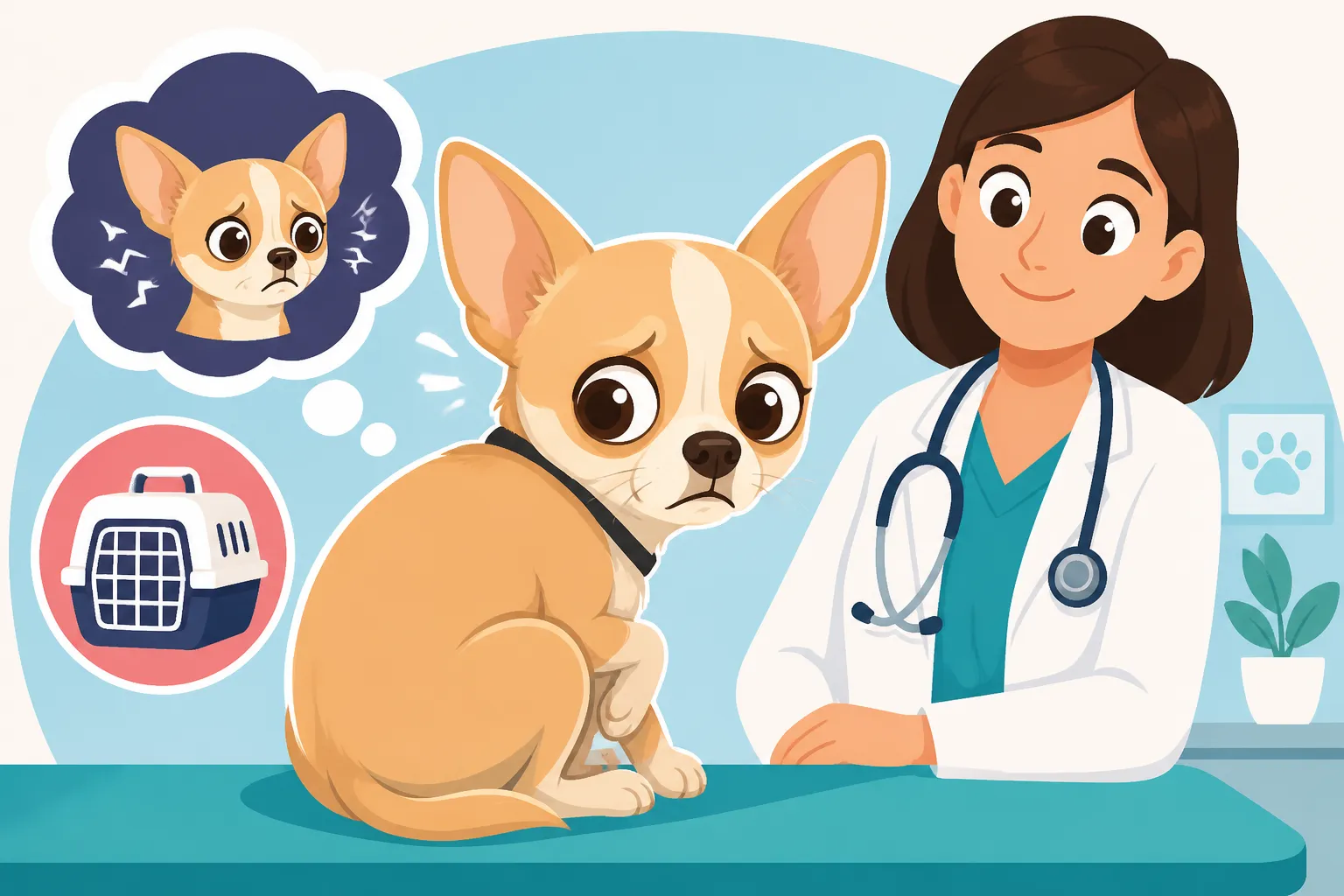
Imagine being 5 inches tall in a room full of giants, with strange smells, loud barking, and sudden movements. That's often what a vet clinic feels like to your Chihuahua. Their sense of hearing is much more acute than ours, so the sounds of other distressed animals, clanging instruments, and bustling staff can be amplified and incredibly frightening. The waiting room alone, with other dogs much larger than them, can be a huge source of anxiety.
Think about it: Your Chihuahua is used to the quiet comforts of your home, perhaps nestled in a blanket on the sofa. Suddenly, they're in a brightly lit room, surrounded by unfamiliar scents of antiseptic, other animals' stress hormones, and strange pheromones. Even the simple act of being placed on a cold, stainless steel exam table can be a shock to their system. They can't see over the edge, they feel unstable, and it isolates them from your comforting presence. This sensory overload is a significant factor in why your little one might become defensive or shut down. They’re experiencing a situation that directly contradicts their natural need for safety and predictability.
The Fear of Unfamiliar Handling and Restraint
Chihuahuas, more than many other breeds, often experience handling that can be, shall we say, less than gentle or consensual. Because they're so small, people tend to scoop them up without warning, hold them tightly, or manipulate them in ways that larger dogs might never tolerate. At the vet, this is often necessary for examinations, but it can be incredibly traumatic if your Chihuahua isn't prepared.
Picture your tiny dog being held firmly, perhaps on their back, for an injection or a temperature check. They can't escape, and they might feel completely vulnerable. If they've had a bad experience where a sudden lift led to a fall, or a quick restraint caused pain, they’ll remember that. This is where the breed's reputation for being "snappy" often comes from; it's a defense mechanism. They learn that a growl or a snap might get the scary hand to back off. It's not aggression; it's fear-based communication. This is why we often talk about Why Harsh Handling Damages a Chihuahua Fast – it erodes their trust and can escalate fear behaviors.
Negative Past Experiences and Learned Fear
Dogs, especially intelligent ones like Chihuahuas, are incredibly good at making associations. If their first few vet visits involved scary shots, uncomfortable examinations, or feeling generally overwhelmed, they'll quickly learn to associate the car ride, the building, and even the smell of the clinic with those negative feelings. This learned fear can be incredibly powerful and hard to undo.
A single painful vaccination or an uncomfortable dental exam where they woke up disoriented can cement a lifelong fear of the vet. They don’t understand why these things are happening, only that they are happening in this specific place. It creates a cycle: the dog is scared, the vet staff might need to use more restraint, which makes the dog even more scared next time. Breaking this cycle requires a conscious effort to change those negative associations into positive ones, slowly and patiently.
Proactive Steps to Prepare Your Chihuahua for the Vet
You can't just expect your Chihuahua to magically be okay with vet visits. It takes work, especially with a breed that often has a sensitive nature. The good news is, a lot of this work can be done at home, long before you ever step foot in the clinic.
Early Positive Exposure is Key
Starting early is truly the golden rule when it comes to any kind of socialization for your Chihuahua, and vet visits are no exception. From the moment you bring your puppy home, you have a window of opportunity to make the world, including the vet's office, a less scary place. Even if you've adopted an older Chihuahua, don't despair – while it might take longer, positive exposure can still make a difference.
During their critical socialization period (roughly 8-16 weeks), take your Chihuahua puppy for "happy visits" to the vet. These aren't for examinations or shots. Instead, simply walk into the waiting room, let your puppy sniff around while you give them high-value treats, say hello to a friendly receptionist, and then leave. The goal is to create positive associations with the environment, linking the clinic with yummy snacks and pleasant interactions, not poking and prodding. Think of it as exposure therapy, but for puppies, where every new experience is a chance to build confidence. You want them to think, "Oh, the vet? That's where the good cookies are!" This helps with Socialization That Does Not Flood a Chihuahua by keeping interactions brief and positive.
Desensitization and Counter-Conditioning at Home
This is where the real work happens. You want to practice mock vet exams at home, associating every touch and manipulation with something incredibly rewarding. Start small: touch their ear, give a treat. Touch a paw, give a treat. Gradually build up to more invasive touches that mimic what a vet might do.
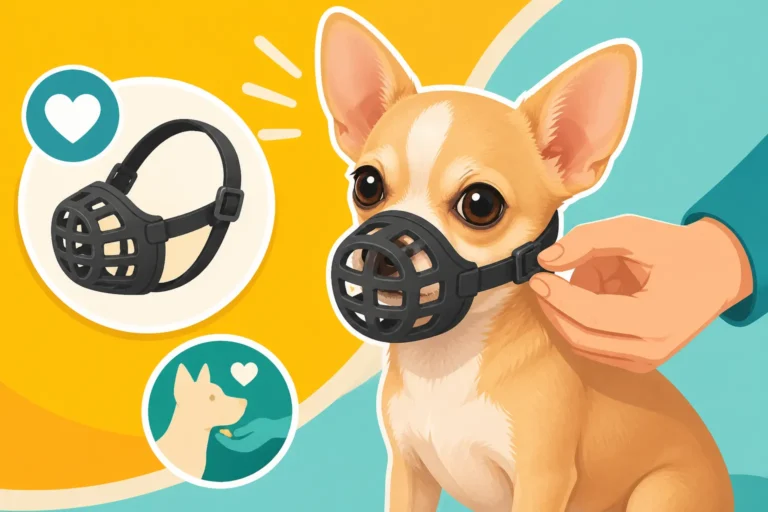
Use high-value treats – something your Chihuahua absolutely adores, like tiny bits of cooked chicken or cheese. Practice opening their mouth and looking at their teeth, feeling their legs and tummy, lifting their tail, and holding their paws. If they tolerate it, immediately reward them. If they pull away, stop, wait a moment, and try again with a gentler touch and an even better treat. You can even get a soft, flexible muzzle (available on Amazon) and desensitize them to wearing it, just in case it's ever needed for their safety or the vet staff's. This kind of cooperative care training helps teach your Chihuahua that handling isn't something to fear, but something that earns rewards. Marker Training a Chihuahua From Eight Weeks can be incredibly effective here, using a clicker or verbal marker to pinpoint the exact moment your Chihuahua offers desired behavior.
Training for Cooperative Care
Beyond just tolerating touch, you can actually train specific behaviors that help the vet. Teaching your Chihuahua to voluntarily offer their paw for a nail trim, to stand still for a quick exam, or to lie on their side for a tummy palpation can be incredibly empowering for them and make the vet's job much easier.
Training programs like those offered by BAXTER & Bella often include modules on cooperative care and handling, which are invaluable for Chihuahua owners. They break down complex behaviors into small, manageable steps, guiding you on how to teach your dog to participate actively in their own care. This isn't about forcing them; it's about giving them a voice and choice. For example, you can teach a "chin rest" cue, where they rest their chin on your hand, making it easier for a vet to examine their head or administer eye drops. This respects the idea of Letting a Chihuahua Opt Out of Handling by giving them cues they can perform voluntarily, rather than being passively subjected to procedures.
| Behavior Goal | Training Steps | Reward Examples |
|---|---|---|
| Paws Handling | 1. Gently touch a paw, say "touch." Treat. 2. Lift paw slightly, say "lift." Treat. 3. Hold paw for 1-2 seconds, say "hold." Treat. 4. Pretend to trim a nail (without clippers), say "nails." Treat. |
High-value treats (cooked chicken, cheese), enthusiastic praise, a favorite tiny toy. |
| Mouth Examination | 1. Touch muzzle, say "mouth." Treat. 2. Gently lift lip, say "lips." Treat. 3. Briefly open mouth, say "open." Treat. 4. Progress to touching a tooth. |
Soft, chewable treats, a lick of peanut butter, a squeaky toy immediately after. |
| Full Body Touch | 1. Start with light petting, gradually increasing pressure over the entire body (ears, neck, back, tail, belly, legs). 2. Associate each area with a soft verbal cue (e.g., "belly rubs"). 3. Practice holding different positions (e.g., on side). |
Sustained petting in their favorite spots, a warm blankie, verbal reassurance, a small chew. |
| Chin Rest | 1. Hold a treat near your hand. 2. Lure Chihuahua's chin to rest on your open palm. 3. Mark and treat when chin touches. 4. Build duration of rest. |
Consistent, quick rewards for correct placement, a calm tone of voice. |
| Wearing a Harness | 1. Show harness, treat. 2. Put harness on briefly, treat, remove. 3. Increase duration, reward for calmness. 4. Practice short walks indoors. |
Praise, walking outside (if positive association), a puzzle toy filled with treats after removing. |
Strategies for a Smoother Vet Appointment
Even with all the home preparation, the actual vet visit can still be a hurdle. Having a game plan for the appointment itself can significantly reduce your Chihuahua's stress levels.
Choosing the Right Vet for a Small Dog
Not all vet clinics are created equal, especially for toy breeds. Some clinics have embraced "fear-free" practices, which prioritize reducing stress, fear, and anxiety for pets. This can make an enormous difference for a Chihuahua. Look for clinics that have separate waiting areas for cats and dogs, or even small dog-only spaces. Ask about their approach to handling anxious pets – do they use calming pheromone sprays, offer non-slip surfaces on exam tables, or allow examinations on the floor or in your lap?
It's worth seeking out a vet who understands the unique needs and sensitivities of Chihuahuas. Some vets are much more patient and gentle with toy breeds, taking extra time for positive reinforcement during the exam. Don't be afraid to interview potential clinics or vets. After all, this is your tiny family member's healthcare provider, and you want them to be in the best, most understanding hands possible. Many practices are proud of their fear-free certification, so it's a good question to ask.
Managing the Clinic Environment
When you actually have an appointment, there are proactive steps you can take to make the experience less jarring for your Chihuahua. A secure, comfortable carrier is non-negotiable. It provides a safe den for your dog in a chaotic environment. Line it with a familiar blanket or an item of your clothing that carries your scent, and place a favorite toy inside. You can even spray a calming pheromone in the carrier a few minutes before you leave.
Consider scheduling appointments during quieter times, like mid-morning or early afternoon, to avoid crowded waiting rooms. If possible, call ahead and ask if you can wait in your car until the exam room is ready, minimizing exposure to other animals. Once in the exam room, ask if the exam can be done on the floor or with your Chihuahua on your lap, rather than immediately placing them on a cold, slippery table. Bring plenty of high-value treats and a puzzle toy (you can find many suitable options on Amazon) to keep them distracted and rewarded throughout the visit. Even if they're too stressed to eat, having them available is a good idea.
Communicating with the Vet Team
You are your Chihuahua's best advocate. Don't be shy about communicating your dog's fears and preferences to the vet and their staff. Explain what triggers your Chihuahua's anxiety, what handling techniques they respond best to, and what rewards motivate them. A good vet team will appreciate this information and work with you.
For example, you might say, "My Chihuahua tends to shake when picked up quickly; could we try doing the exam on the floor, or with her in my lap?" or "He's very food motivated, so if we use these chicken treats, he'll be much more cooperative." By clearly outlining your dog's needs, you empower the vet team to provide care in a way that minimizes stress for everyone. This open dialogue helps prevent situations where your Chihuahua might be misunderstood or feel forced into uncomfortable positions, which often leads to A Chihuahua That Turns Sharp Overnight due to fear.
Common Challenges and How to Address Them
Despite your best efforts, Chihuahuas can still present unique challenges at the vet. Knowing how to react in the moment can make a world of difference.
Dealing with Fear-Based Reactivity
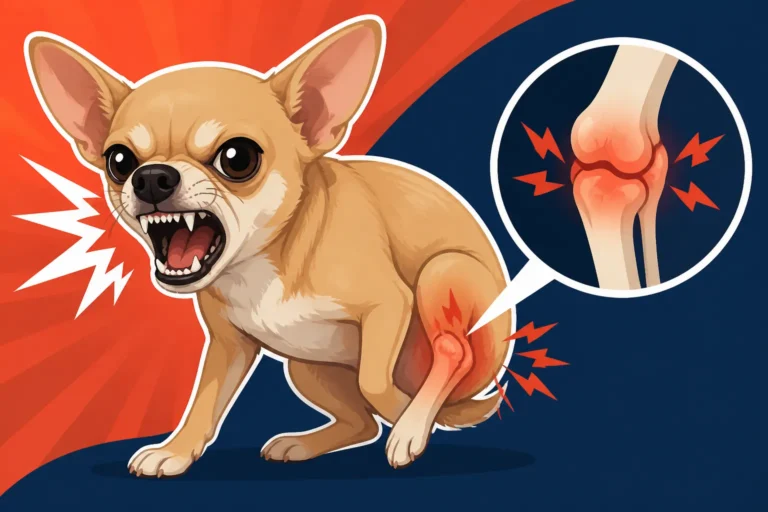
It's heartbreaking to see your tiny Chihuahua growl or snap at a kind vet tech, but remember, it's almost always rooted in fear. They're not being "bad"; they're saying, "I'm scared, and I need space." If your Chihuahua is prone to lunging, growling, or snapping, acknowledge it and work with it. A Chihuahua That Flinches When You Lift It or A Chihuahua Snapping Because Its Knee Hurts are common scenarios, highlighting that underlying pain or past trauma often drives reactive behaviors.
For highly reactive Chihuahuas, a soft basket muzzle might be a necessary safety tool, not a punishment. As mentioned earlier, positive desensitization to a muzzle at home is crucial before you need it. Talk to your vet about fear-reducing medication that can be given before the appointment. A mild sedative can take the edge off their anxiety, allowing them to cope better and reducing the chance of them forming further negative associations. This isn't about doping them up, but about making the experience tolerable. Sometimes, this is the kind of practical intervention needed to protect both your dog and the staff.
Injections and Procedures
These are often the most dreaded parts of a vet visit. For injections, try to distract your Chihuahua with a high-value treat or a lick mat covered in peanut butter. The vet can often administer the shot while your dog is happily engaged in licking. This technique helps redirect their attention and makes the moment of the poke less noticeable.
For more involved procedures, discuss options with your vet. Can they do blood draws quickly while you offer treats? Can they move slowly and explain each step to you, so you can help reassure your dog? Sometimes, even the way the vet holds the needle or applies pressure can make a difference in your Chihuahua's reaction. Again, open communication is key. You can create a "happy station" at home (a blanket on the floor, some treats) and practice quick, gentle pokes with your finger, followed by lavish praise and treats, so the sensation isn't entirely new or terrifying.
Post-Visit Recovery and Reinforcement
Once the vet visit is over, the work isn't quite finished. When you get home, make sure your Chihuahua has a quiet, comfortable space to decompress. Offer a special long-lasting chew or a food puzzle to help them relax and associate home with positive, calming activities. Avoid immediately scrutinizing them for signs of pain or discomfort, which might increase their anxiety.
If you had to give medication before the visit, allow them to fully recover from its effects. Take note of what went well and what didn't. Did a specific treat work wonders? Was a certain type of handling particularly distressing? Use this information to refine your strategy for the next visit. Every vet visit, even a challenging one, is an opportunity to learn and improve for the future. You're building a foundation of trust, one careful, patient step at a time. The First Year Mistakes Chihuahua Owners Make often include not prioritizing these essential early experiences, making later vet visits much harder than they need to be.
Disclaimer
This article is for general informational purposes only and does not constitute professional advice. Laws, prices and regulations vary by location and change over time. Consult a qualified professional for guidance on your specific situation.