A Stop Cue That Works on a Barking Chihuahua
It can be incredibly frustrating when your tiny Chihuahua, with its mighty bark, seems to alert the entire neighborhood to every leaf that blows by, every distant siren, or every person walking past your window. You adore your little companion, but the constant yapping can quickly fray nerves and make you feel like you're living in a perpetual state of "shush!" This guide is here to walk you through exactly how to teach your Chihuahua a reliable "quiet" cue, helping you regain some peace and give your little one a more productive way to communicate.
Understanding Why Chihuahuas Bark So Much
Before we can even begin to teach a "quiet" cue, it’s vital to understand why your Chihuahua barks in the first place. These aren't just random acts of noise; they're almost always rooted in deep-seated instincts or learned behaviors. When you grasp the motivation behind the bark, you can address the cause, not just the symptom.
The Instinct Behind the Big Bark from a Little Dog
Chihuahuas, despite their diminutive size, carry the spirit of much larger guard dogs in their tiny frames. They are naturally alert, often possessing a keen sense of hearing and a strong territorial instinct. Think about it: in the wild, a small creature relies on its voice to warn others, scare off threats, and make itself seem bigger than it is. Your Chihuahua's ancestors likely used their barks to alert their pack to danger, and that instinct remains strong today.
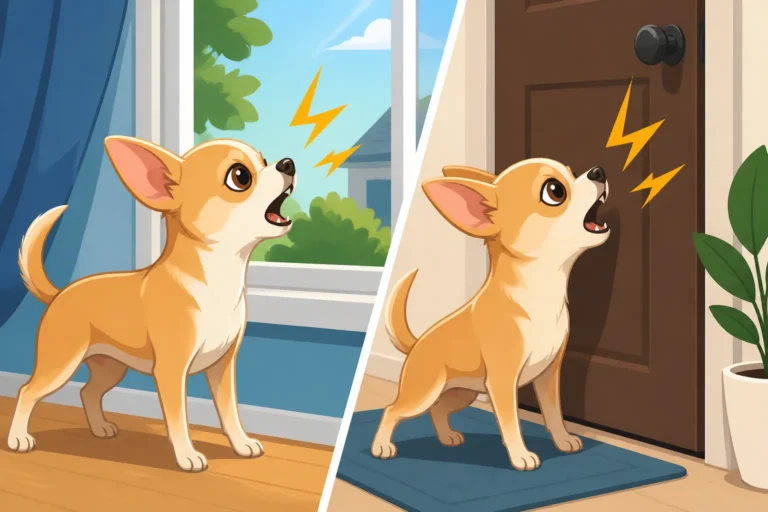
This means that many barks are simply your Chihuahua doing its job – warning you that someone is at the door, or that a squirrel has dared to trespass on your lawn. They see themselves as the protector of their home and their people, and barking is their primary tool. While this can be endearing in small doses, it becomes a problem when their definition of "danger" includes the mail carrier, the neighbor's cat, or even a sudden gust of wind. It's not malicious; it's just hardwired. We dive deeper into these triggers in Chihuahua Barking and What Sets a Six Pound Dog Off.
They might also bark out of sheer excitement or frustration. Imagine being so small in a big world; everything can feel overwhelming or incredibly stimulating. A Chihuahua might bark purely because they are overjoyed to see you, or because they can't reach a toy they desperately want. Understanding that these barks often come from a place of earnestness, rather than naughtiness, can help you approach the training with patience and empathy.
When Barking Signals Fear or Anxiety
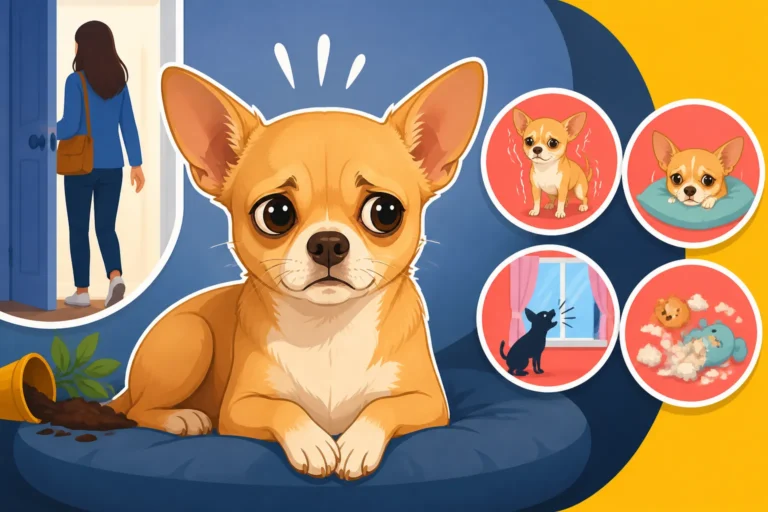
Sometimes, barking isn't about protecting or alerting; it's a cry for help or a defensive maneuver. Chihuahuas, being so small, can feel incredibly vulnerable in many situations. A stranger looming over them, a larger dog approaching too quickly, or even a loud, unexpected noise can trigger a fear response. Barking, in these instances, is their way of saying, "Stay away!" or "I'm scared!"
This type of fear-based reactivity is incredibly common in the breed. Your Chihuahua isn't being aggressive; they're trying to create distance and appear threatening because they feel threatened themselves. If you've noticed your Chihuahua lunging and barking at other dogs or people on walks, or trembling while barking, it's likely rooted in fear. We explore this extensively in Chihuahua Fear Reactivity, the Breed's Real Problem.
Addressing fear barking requires a different approach than territorial barking. It's not about silencing the dog, but about building their confidence and changing their emotional response to the trigger. This might involve careful desensitization and counter-conditioning, helping them associate scary things with positive outcomes, rather than just trying to stop the noise.
Barking for Attention and What It Teaches Them
Let's be honest, sometimes Chihuahuas bark because it works. If your Chihuahua barks, and you immediately look at them, talk to them, or pick them up, you've just taught them a very effective communication strategy: "Bark = Get attention." This is a completely natural learning process for a dog, and they'll continue to do what gets results.
This type of barking can manifest in many ways. It might be a bark to demand food, a bark to ask to go outside, or even a bark to initiate play. While it’s good that your Chihuahua feels comfortable communicating with you, you want them to use more appropriate methods. Teaching them a "quiet" cue also means teaching them that barking isn't the only way to get what they want, and sometimes, it's not the best way.
It’s easy to fall into this trap, especially with such a small, cute dog. Who can resist a tiny bark? But consistency is key. If you sometimes give in to the barking and sometimes ignore it, you're actually training your Chihuahua that they just need to bark longer and louder to get your attention.
Laying the Foundation for a "Quiet" Command
Before you even utter the word "quiet," there's some crucial groundwork to lay. Teaching a new command effectively, especially one that counters a strong instinct like barking, requires preparation, management, and often, teaching an alternative behavior first.
Managing the Environment to Reduce Triggers
One of the best things you can do to manage barking is to manage the environment. If your Chihuahua constantly barks at passersby out the window, simply reducing their ability to see those triggers can dramatically cut down on unnecessary barking. This isn't about avoiding training; it's about setting your dog up for success and preventing rehearsals of unwanted behavior.
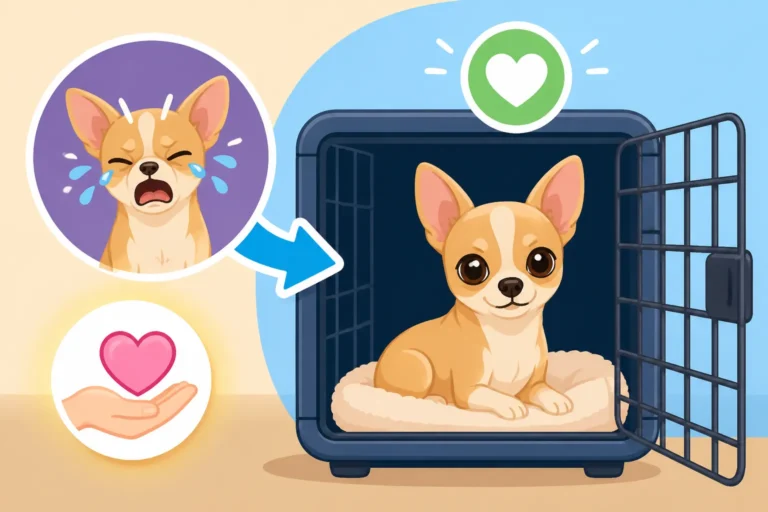
Consider using window film, especially on lower windows, or keeping curtains and blinds closed during peak "trigger" times, like when kids are walking home from school or the mail truck arrives. Even rearranging furniture so your Chihuahua's favorite lookout spot isn't right by the window can make a huge difference. For some Chihuahuas, a crate in a quieter part of the room or another room entirely can be a fantastic way to give them a calm, quiet space away from stimulating views. Window Film and Blocking a Chihuahua's View can offer more practical ideas for this.
Environmental management also extends to sound. If your Chihuahua barks at every distant siren or neighbor's conversation, consider playing white noise, classical music, or having the TV on to help mask those sounds. This can lower their overall arousal level, making them less reactive and more receptive to your training. Preventing the barking from starting is half the battle won.
Teaching an Alternative "Speak" Command First
This might sound counterintuitive, but teaching your Chihuahua to "speak" on command can actually make teaching "quiet" much easier. Why? Because it puts the barking under your control. If your dog knows when it's okay to bark, they'll understand more clearly when it's not okay. This also gives you a way to elicit barking on cue, which is useful for the next step of training "quiet."
To teach "speak," hold a treat near your Chihuahua's nose and wait for them to bark (you might need to tap a door or make an exciting noise if they're not naturally vocal). The instant they bark, say "Speak!" and give them the treat. Repeat this many times. Soon, you'll find they associate the word "Speak" with barking. The goal here isn't to make them bark more, but to give them a specific, requested outlet for their voice. Giving a Chihuahua an Alternative to Barking provides a good framework for this.
Once they reliably bark on cue, you've established a foundation of understanding: "This sound means something." This control makes the transition to "quiet" much smoother because you can deliberately trigger the barking and then immediately work on silencing it. It’s about creating a clear distinction for your Chihuahua.
Ensuring Your Chihuahua Knows Basic Obedience
A reliable "quiet" cue is built on a foundation of general obedience. If your Chihuahua struggles with basic commands like "sit," "stay," or "come," it will be much harder for them to understand and respond to a more complex command like "quiet." Think of basic obedience as learning the alphabet before you can write a novel.
Commands like "sit" or "down" can be especially useful, as they require your Chihuahua to focus on you and be still, which is the opposite of barking frantically. Practice these commands in various environments, increasing distractions gradually. A good online training program, like those offered by BAXTER & Bella, can provide structured lessons to build this foundation, especially for small dogs who often get less formal training.
The more your Chihuahua understands what you're asking of them in general, the more they will trust your guidance and respond to your "quiet" cue. A dog that is used to listening and responding to commands is a dog that is much easier to train in specific behaviors. If your Chihuahua needs a refresher, consider going back to basics. The Commands Every Chihuahua Should Know can help you assess what your little one already knows and what needs more practice.
Step-by-Step: Implementing a "Quiet" Cue Effectively
Now that you've laid the groundwork, it's time to teach the actual "quiet" command. This process requires patience, consistency, and plenty of positive reinforcement. Remember, we're not punishing the barking; we're rewarding the absence of barking.
Capturing the Calm After the Storm
The absolute best time to introduce the "quiet" cue is after your Chihuahua has just finished barking, and there's a brief moment of silence. This might be a challenge at first, but it's crucial. Wait for a moment when they've barked at something – perhaps the doorbell rang – and then fallen silent. The instant that silence occurs, say "Quiet!" and immediately reward them with a high-value treat.
Timing is everything here. You're trying to capture and label the absence of barking. If you say "Quiet!" while they're still barking, they might interpret "quiet" as a command to continue barking. It's a subtle but critical distinction. Keep your voice calm and positive; this isn't a reprimand, it's an instruction.
Repeat this many times. Create opportunities for barking to happen (e.g., have someone knock on the door, but not ring the bell), and then seize that moment of silence. Your Chihuahua will start to associate the word "Quiet!" with the lovely feeling of getting a tasty treat. Small, soft treats work best, especially for tiny mouths, and you can find a great variety on Amazon.
Pairing the Cue with the Action
Once your Chihuahua starts to show an understanding of "Quiet!" meaning "stop barking and get a treat," you can begin to pair the cue more directly with the action of stopping. The ideal scenario is that your Chihuahua barks, you say "Quiet!", and they stop. This takes practice.
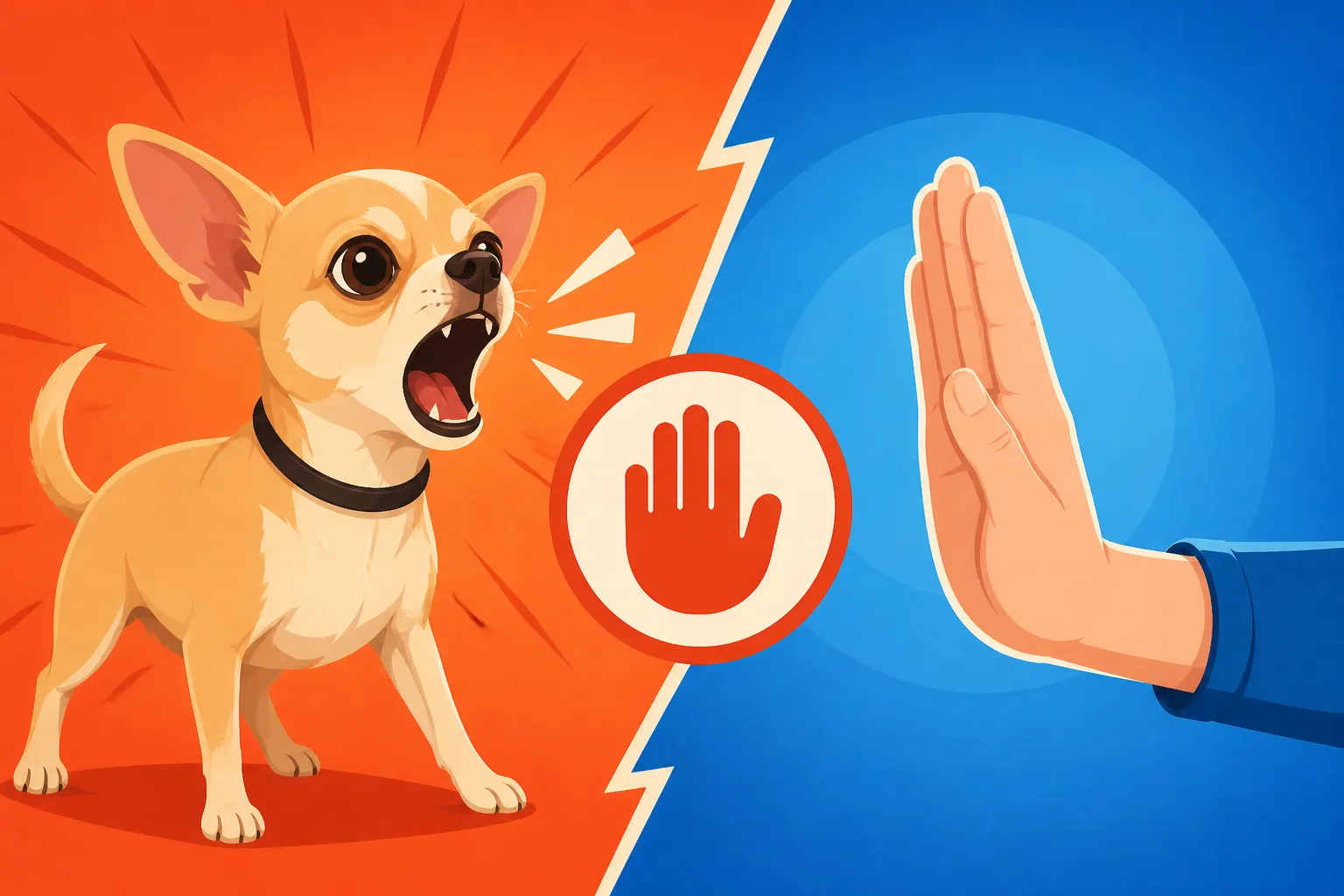
Start in a controlled environment with minimal distractions. Trigger a bark (using your "speak" cue, if you've taught it). Let them bark for just a second or two, then calmly say "Quiet!" The instant they stop, reward them generously. If they don't stop right away, you might need to make a sudden, mild noise (like a quick "shhh!") or briefly cover their eyes to interrupt the barking, then immediately say "Quiet!" and reward the ensuing silence. The goal is to interrupt the barking without punishing it.
Consistency across all family members is paramount. Everyone in the household needs to use the same cue and the same method. If one person allows barking and another tries to enforce "quiet," your Chihuahua will become confused and the training will stall. Make sure your rewards are truly motivating – something they absolutely love and only get for this special command.
Generalizing the "Quiet" Cue in Different Situations
Once your Chihuahua is reliably responding to "Quiet!" in controlled, low-distraction environments, it's time to practice in real-world scenarios. This is where the command really becomes useful. Start by practicing in slightly more distracting situations, then gradually increase the level of challenge.
For example, if your Chihuahua barks at the mail carrier, stand by the window with your dog (but behind a barrier, like a baby gate, if necessary). The moment the mail carrier appears and your Chihuahua starts to bark, deliver your "Quiet!" cue. When they stop, reward them heavily. It will take many repetitions, but slowly, they will learn to associate the cue with stopping their barking even in the face of their biggest triggers.
Remember to keep training sessions short, positive, and frequent. A few minutes several times a day is much more effective than one long, frustrating session. And always end on a high note, with success! This generalization phase is often the longest, as dogs don't automatically transfer what they learn in one situation to another. Be patient and consistent, and your Chihuahua will get there.
Troubleshooting Common "Quiet" Cue Challenges
Even with the best intentions and methods, training isn't always linear. You might encounter bumps in the road, especially with a vocal breed like the Chihuahua. Don't get discouraged; these challenges are normal, and most can be overcome with a bit of adjustment and perseverance.
Why Your Chihuahua Might Be Ignoring You
It can feel incredibly frustrating when you've diligently practiced, and your Chihuahua suddenly seems to "forget" the "quiet" cue, especially when they're in full bark mode. One of the most common reasons for this is that the environment is simply too stimulating for them to cope. If the trigger is too intense (e.g., a huge dog barking right back at them), your Chihuahua's emotional state might be too high for them to process your command.
Another reason could be a lack of consistency. If you sometimes enforce "quiet" and sometimes let the barking slide, your Chihuahua learns that the command is optional. Or, perhaps your rewards aren't high-value enough, or your timing is off. Are you waiting too long to say "Quiet!" after they stop barking? Are you rewarding them enthusiastically enough?
It's also possible that underlying issues, like pain or health problems, are contributing to increased vocalization. A Chihuahua might bark more if they are uncomfortable. For instance, joint pain from conditions like patellar luxation could make them irritable and more prone to barking. If you notice a sudden increase in barking or a change in behavior, it's always worth a vet check-up to rule out any medical causes.
Avoiding Punishment and Fostering Positive Reinforcement
It's tempting, when a Chihuahua is barking incessantly, to yell at them, use a shock collar, or resort to other harsh methods. However, this almost always backfires, especially with sensitive breeds like Chihuahuas. Punishment might suppress the barking in the short term, but it doesn't address the underlying reason for the barking, and it can severely damage your bond with your dog.
Instead of teaching your Chihuahua to be quiet, punishment teaches them to fear you or fear the situation that causes them to bark. For a fearful Chihuahua, being yelled at for barking will only confirm that the world is a scary place and that you aren't a safe haven. This can lead to increased anxiety, aggression, or a dog that just barks when you're not around. As discussed in Why Harsh Handling Damages a Chihuahua Fast, positive reinforcement is always the way to go.
Focus on rewarding the behaviors you want to see. When your Chihuahua is quiet, give them attention, praise, or a treat. When they stop barking on cue, make it a huge celebration. This builds a positive association with silence and teaches them a polite alternative to demanding attention or expressing fear. It fosters a dog that is happy to cooperate, rather than one that is trying to avoid punishment.
When to Seek Professional Help
Sometimes, despite your best efforts, a Chihuahua's barking can feel overwhelming, or it might be accompanied by other concerning behaviors like aggression or severe anxiety. In these cases, it's absolutely okay – and often necessary – to seek help from a professional dog trainer or a veterinary behaviorist.
A qualified professional can observe your Chihuahua in person, assess the root causes of their barking, and develop a customized training plan. They can help you identify subtle body language cues you might be missing and guide you through more advanced techniques like desensitization, counter-conditioning, or even medication if anxiety is severe. Look for trainers who use positive reinforcement methods and have experience with small, vocal breeds. Many certified trainers are available for virtual consultations, making it easier to find help even if local options are limited. BAXTER & Bella also offers one-on-one coaching sessions, which can be invaluable for personalized guidance.
Don't wait until you're at your wit's end. Addressing barking issues early can prevent them from becoming deeply ingrained habits. Seeking help is a sign of a responsible pet owner who wants the best for their Chihuahua, ensuring both of you can live a more peaceful and harmonious life together. Finding a Trainer Who Takes a Chihuahua Seriously offers guidance on how to choose the right professional.
Here’s a quick overview of common barking triggers and their suggested solutions:
| Barking Trigger | Chihuahua Behavior | Training Approach | Environmental Management |
|---|---|---|---|
| Doorbell/Knocks | Alarm barking, territoriality | Teach "Quiet" cue, desensitization to doorbell sound, redirect to a specific "place" on a mat. | Ignore the doorbell, use a smart doorbell with quiet mode, have visitors call ahead. |
| Passing dogs/people (window) | Territorial, fear-based reactivity | "Look at that" game (reward looking at trigger without barking), counter-conditioning. | Block view with window film or curtains, move furniture, use a crate away from windows. |
| Loneliness/Boredom | Attention seeking, anxiety | Increase mental stimulation with puzzle toys, adequate exercise, structured alone time. | Provide enrichment toys (e.g., KONGs from Amazon), background noise, consider a dog walker. |
| Fear/Strangers | Defensive, warning bark | Positive reinforcement for calm behavior, slow, controlled introductions, desensitization to triggers. | Create a safe space, remove from overwhelming situations, avoid forced interactions. |
| Excitement | Over-arousal, greeting behavior | Teach an incompatible behavior (e.g., "sit" for greetings), reward calm. | Keep greetings low-key, avoid over-stimulating play indoors. |
Disclaimer
This article is for general informational purposes only and does not constitute professional advice. Laws, prices and regulations vary by location and change over time. Consult a qualified professional for guidance on your specific situation.