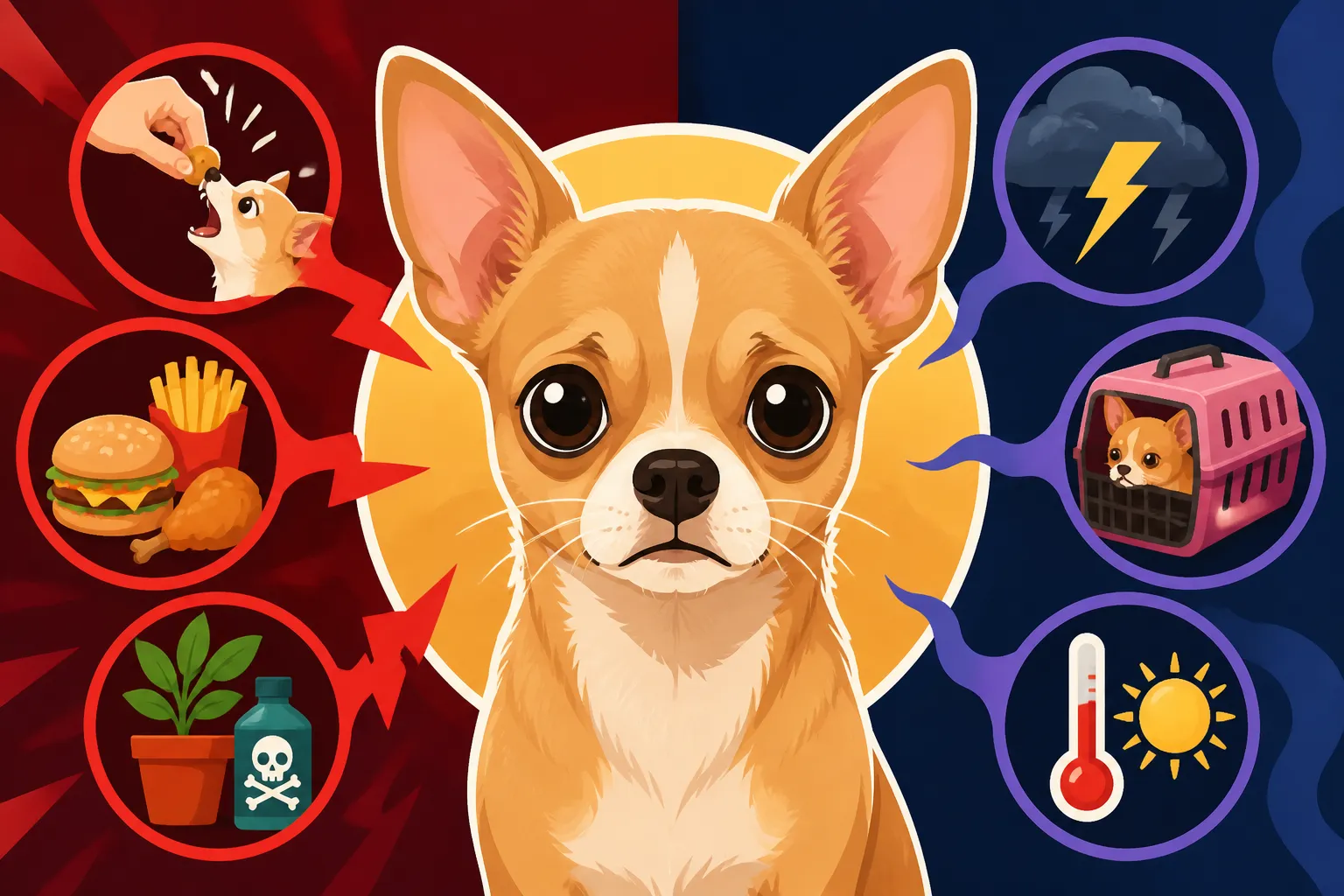
What Actually Shortens a Chihuahua’s Life
It's heartbreaking to think about our tiny companions having their lives cut short when Chihuahuas are known for living such incredibly long lives. We bring them into our homes, envisioning a decade and a half, maybe even two decades, of loyal companionship. So, when we hear of a Chihuahua passing away much too soon, it’s a punch to the gut and a terrifying thought for any owner. This guide is here to shed light on the less-talked-about factors that can tragically shorten a Chihuahua's otherwise long lifespan, and what we can do to protect them.
The Silent Threats: Overlooked Health Conditions and Genetics
Chihuahuas, despite their robust average lifespan, come with a unique set of genetic predispositions and physical characteristics that, if not managed, can lead to serious health issues that shorten their time with us. It's not about scaremongering; it's about being informed so you can be your little one's best advocate.
Congenital Conditions Present from Birth
Some Chihuahuas are born with conditions that, without intervention, significantly impact their longevity. These aren't always immediately obvious but can become critical over time. A common concern for apple-head Chihuahuas, in particular, is Hydrocephalus in an Apple-Head Chihuahua. This condition involves an accumulation of cerebrospinal fluid in the brain, leading to pressure and neurological damage. Puppies with severe hydrocephalus often don't survive long, displaying signs like a domed skull, difficulty learning, and abnormal gait. Early diagnosis and management are crucial, though the prognosis can vary wildly.
Another unique trait is the Chihuahua Molera and What a Soft Spot Means. While many Chihuahuas have a soft spot on their skull that closes over time or remains open without issue, a molera can indicate a more fragile skull. In rare cases, a severe impact to this area could lead to fatal brain injury, especially in an accident. Understanding that this soft spot exists means taking extra precautions, ensuring your tiny friend isn't exposed to situations where head trauma is a risk. It’s not about being overprotective, but about being realistic about their physical vulnerabilities.
Inherited Musculoskeletal and Organ Issues
Beyond the skull, Chihuahuas can inherit other conditions that, if left untreated, can severely diminish their quality of life and shorten their years. Patellar Luxation, the Chihuahua's Commonest Joint Problem, is a prime example. This is where the kneecap slips out of place, causing pain and difficulty walking. While not immediately fatal, chronic, severe patellar luxation can lead to debilitating arthritis and a reluctance to move, impacting the dog's overall health due to inactivity. Untreated pain also causes immense stress on their tiny bodies. Many owners find themselves navigating treatments, from pain management to surgery, to give their dog relief and maintain their mobility. The cumulative effect of chronic pain and reduced activity can contribute to other health problems over a lifetime.
Moreover, heart issues are sadly common in the breed as they age. Conditions like Chihuahua Heart Disease as the Breed Ages, particularly Mitral Valve Disease, can begin subtly with a murmur and progress to congestive heart failure. This disease involves the mitral valve in the heart degenerating and failing to close properly, leading to blood leakage back into the atrium. Once it progresses to congestive heart failure, the heart can no longer pump blood efficiently, leading to fluid buildup in the lungs and abdomen. This significantly shortens their life if not carefully managed with medication. Regular vet check-ups, even if your dog seems fine, are essential to catch these issues early.
Everyday Dangers: Accidents, Toxins, and Environmental Hazards
Sometimes, it's not a genetic predisposition but the daily environment or unforeseen circumstances that pose the greatest threat to a Chihuahua's life. Their small size makes them particularly vulnerable to dangers that larger breeds might shrug off.
The Risk of Traumatic Injuries
A Chihuahua’s delicate frame means they are incredibly susceptible to accidents. A fall from a sofa, a misstep down the stairs, or even being stepped on inadvertently by a human can result in severe, life-threatening injuries like broken bones or internal trauma. Their small stature, while endearing, means we must be hyper-aware of their presence, especially in busy households. It’s not uncommon to hear tragic stories of a Chihuahua puppy being stepped on by a child or an adult who simply didn't see them. This is why strict household rules about where a Chihuahua can and cannot go, and teaching children how to interact gently, are non-negotiable.
Beyond household accidents, outdoor dangers are amplified. A simple encounter with a larger, rambunctious dog, even one that means no harm, can be devastating. A playful paw to the head or a shake during play could easily cause severe injury. This is why many Chihuahua owners are rightfully cautious about dog parks or off-leash interactions with unknown dogs. Their size also makes them targets for predators; a hawk or an owl could easily snatch a tiny Chihuahua from an unfenced yard, a horrifying thought that underscores the need for constant supervision outdoors.
Metabolic Crises and Toxin Exposure
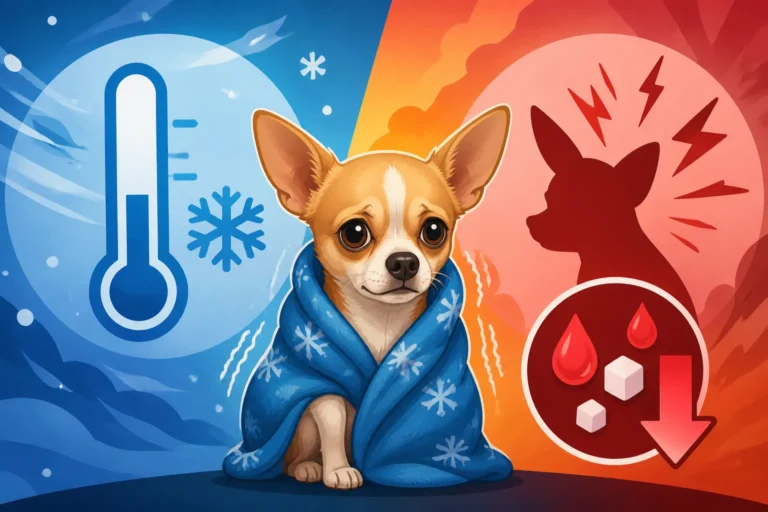
Chihuahua puppies, especially, are prone to a dangerous condition called Chihuahua Hypoglycemia and the Puppy Emergency. Because of their small body mass and fast metabolism, they can quickly burn through their blood sugar reserves, leading to a sudden and life-threatening drop in glucose. This can manifest as lethargy, weakness, disorientation, and even seizures, and if not treated immediately with a source of sugar, it can be fatal. This is why understanding Why a Chihuahua Runs Out of Blood Sugar So Fast and knowing how often a Chihuahua puppy must eat is critical in their first few months. Adult Chihuahuas can also experience hypoglycemia, often triggered by stress, cold, or prolonged periods without food, emphasizing the need for consistent meal timing.
Furthermore, their low body weight means common household toxins become far more potent. A dose of chocolate that might give a Labrador an upset stomach could be fatal to a 5-pound Chihuahua. Common human medications, cleaning supplies, certain plants, and even seemingly innocuous items like sugar-free gum containing xylitol are all amplified dangers. Because they are low to the ground and naturally curious, Chihuahuas can easily ingest something harmful left within reach. Owners must be meticulously vigilant, treating their home as a fortress against potential poisons. This level of awareness can feel exhausting, but it's vital for their safety.
The Cumulative Toll: Poor Lifestyle Choices and Preventable Neglect
While some factors are beyond our direct control, many significant contributors to a shortened Chihuahua lifespan stem from the care and choices we make as their guardians. These aren't always sudden crises but rather slow, insidious processes that erode their health over time.
The Scourge of Dental Disease
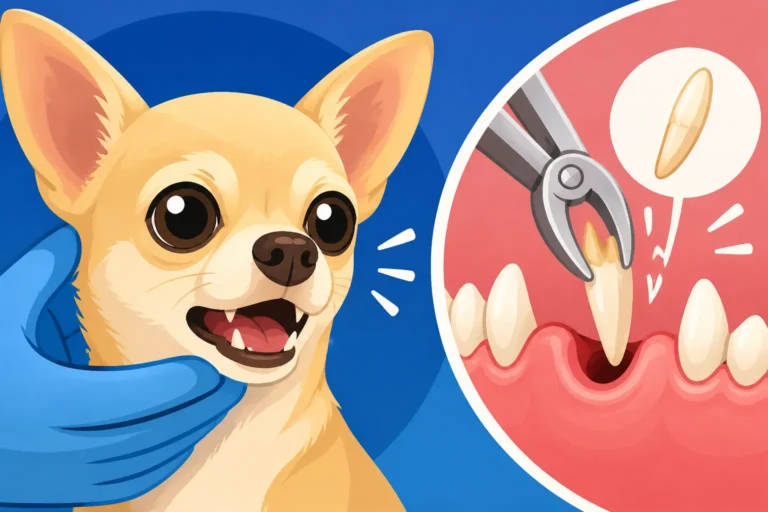
Perhaps the most underestimated threat to a Chihuahua's longevity is Chihuahua Dental Disease in a Crowded Small Jaw. Many owners mistakenly view bad breath and plaque as minor inconveniences, but for Chihuahuas, dental issues are a severe systemic problem. Their tiny mouths are prone to overcrowding, which leads to rapid tartar buildup, gum inflammation, and eventually, periodontal disease. By the age of three, many Chihuahuas already have significant dental problems. The bacteria from infected gums don't stay in the mouth; they enter the bloodstream and can wreak havoc on vital organs like the heart, kidneys, and liver, contributing to chronic disease and organ failure that can significantly shorten their life.
The cost and perceived risk of Anesthesia Risk During a Chihuahua Dental can make owners hesitant, but the risks of untreated dental disease far outweigh the risks of a properly conducted professional cleaning. Regular professional dental cleanings, ideally annually or bi-annually, are not a luxury but a necessity for this breed. This commitment to oral health can feel like a constant battle, but it's one of the best investments you can make in your Chihuahua's overall health and longevity. It is often the biggest recurring cost for Chihuahua owners for a reason – it’s essential care.
Obesity: A Silent Killer for Small Dogs
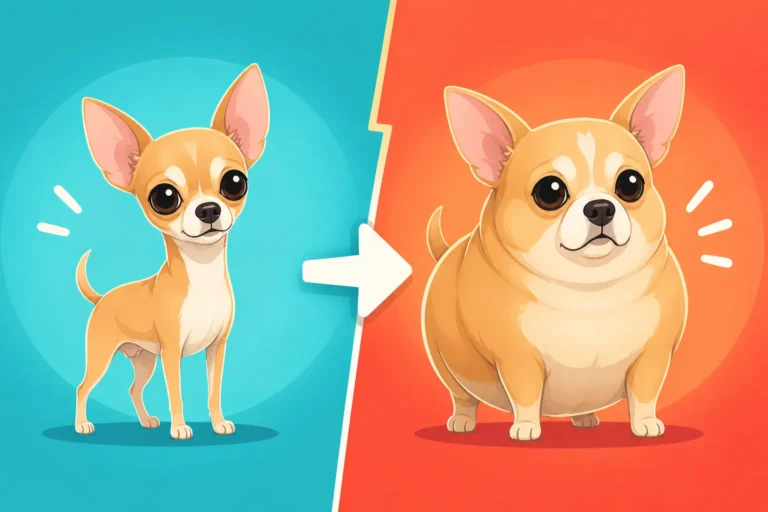
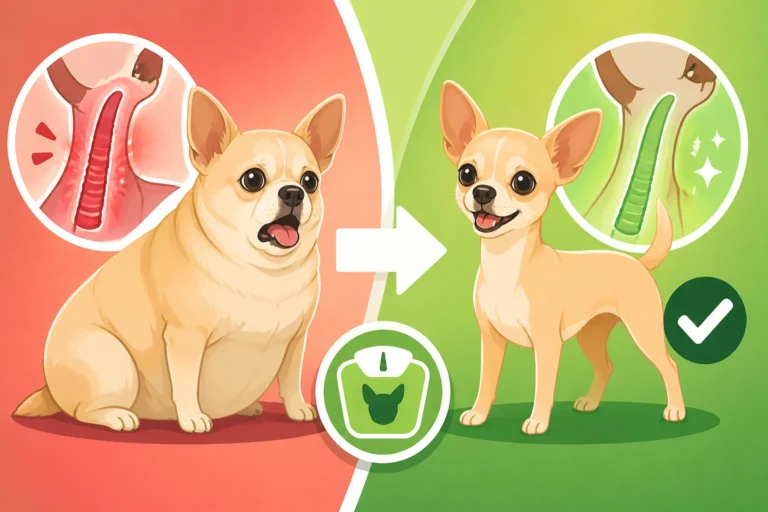
It's easy to overfeed a small dog, especially when they give you those adorable puppy-dog eyes. A few extra kibbles or treats seem so insignificant, but for a 5-pound Chihuahua, even half a pound of excess weight is a significant burden. This is why Chihuahua Obesity on a Six Pound Frame is a serious concern. Obesity puts immense strain on their tiny joints, exacerbating conditions like patellar luxation and leading to arthritis. It also increases their risk of diabetes, heart disease, and respiratory problems, including making Collapsing Trachea in a Chihuahua and Its Triggers much worse. A Chihuahua with collapsing trachea will often have a honking cough, and excess weight can make breathing even more difficult.
Managing a Chihuahua’s weight requires precise portion control and a realistic understanding of their caloric needs. We're talking about measuring food to the gram, not by eye, to keep them at a healthy body condition. It can feel a little obsessive, but when their entire health hangs in the balance, it’s a non-negotiable part of responsible ownership. Regular exercise, appropriate for their size and health, also plays a crucial role in maintaining a healthy weight and muscle tone, which supports their joint health.
Proactive Steps: Extending Your Chihuahua's Precious Years
While it's unsettling to think about all the things that can shorten our Chihuahua's lives, the good news is that informed, proactive care can make a monumental difference. Your commitment as an owner is the single biggest factor in helping your little one defy the odds and live a full, happy life.
Prioritizing Consistent Veterinary Care
Regular veterinary check-ups are not just for when your Chihuahua is sick; they are your frontline defense against many life-shortening conditions. These routine visits allow your vet to catch subtle changes, conduct preventive screenings, and stay ahead of potential problems. For example, your vet can assess the grade of a heart murmur or the stability of their kneecaps, providing you with early warnings and management strategies. Discussing Senior Chihuahua Care Past the Age of Twelve with your vet early on can help you prepare for age-related changes and interventions needed to maintain their quality of life. As Chihuahuas age, these visits become even more important for monitoring organ function and managing age-related discomforts.
It's also crucial to have a veterinarian who understands toy breeds. Not all vets are equally experienced with the unique physiology and common ailments of Chihuahuas. Don't be afraid to ask about their experience with small dogs or seek a referral to a specialist if your Chihuahua has a complex health issue. Having a vet who genuinely understands a Chihuahua's specific needs, from appropriate anesthesia protocols for tiny bodies to recognizing early signs of disease, is invaluable.
Creating a Safe and Enriched Environment
Prevention is always better than cure, especially for a breed as fragile as a Chihuahua. Childproofing your home takes on a whole new meaning when you have a tiny dog. This includes blocking off stairs, supervising interactions with children and larger pets, securing heavy objects that could fall, and keeping all human foods and medications safely out of reach. Think about their perspective: what's on the floor or within jumping distance from a chair? Consider ramps or steps for access to furniture to protect their delicate joints and prevent falls, which can lead to serious injuries.
Beyond safety, a mentally and physically enriched environment contributes significantly to their overall health and well-being. This includes providing appropriate exercise, like short, frequent walks or indoor playtime, ensuring they are mentally stimulated with puzzle toys, and offering comfortable, warm bedding. Chihuahuas are notorious for shivering, and Why a Chihuahua Shivers and What It Means often comes down to being cold or anxious. Providing them with cozy blankets, sweaters when outdoors in cool weather, and a warm sleeping area can reduce stress and help maintain their body temperature, which is especially vital for preventing hypoglycemia.
| Factor Shortening Lifespan | Why it's a Risk for Chihuahuas | Proactive Prevention & Management |
|---|---|---|
| Congenital/Genetic Issues | Hydrocephalus, severe Molera, Patellar Luxation, Heart Disease | Choose reputable breeders, genetic screening, early vet diagnosis, specific treatments. |
| Accidental Trauma | Fragile bones, small size, vulnerability to being stepped on/dropped, larger animals. | Supervised interactions, secure home environment, ramps, constant vigilance. |
| Hypoglycemia (Low Blood Sugar) | Fast metabolism, low body fat, especially in puppies. | Frequent, scheduled meals (especially for puppies), glucose gel on hand, warm environment, stress reduction. |
| Toxin Exposure | Low body weight means smaller doses are lethal. | Secure all household chemicals, medications, toxic foods (chocolate, xylitol), and plants. |
| Dental Disease | Overcrowded mouths, rapid tartar buildup, systemic infection risk. | Daily toothbrushing, annual professional dental cleanings, dental-appropriate chews. |
| Obesity | Exacerbates joint issues, heart disease, respiratory problems; easy to overfeed. | Precise food measurement, controlled treats, regular appropriate exercise, regular vet weight checks. |
| Lack of Regular Vet Care | Missed early detection of chronic conditions (heart, kidney, dental). | Annual (or bi-annual for seniors) veterinary check-ups, follow-up on any concerns. |
Financial Preparedness and Support Systems
Let's be real, comprehensive veterinary care, especially for chronic conditions, can be expensive. This is where preparing financially becomes a critical component of ensuring your Chihuahua lives a long life. Pet insurance can be a lifesaver, helping to cover the costs of unexpected emergencies or ongoing treatments for conditions like heart disease or patellar luxation. Companies like Healthy Paws offer coverage options that can significantly ease the financial burden, allowing you to make medical decisions based on what's best for your dog, not just your wallet. Researching policies when your Chihuahua is young and healthy can prevent pre-existing condition exclusions later.
Beyond insurance, having a support system, whether it’s a trusted pet sitter who understands Chihuahua needs, or friends and family who can help in an emergency, is invaluable. Knowing who to call and what steps to take when your Chihuahua is sick or injured can make all the difference in a critical situation. This comprehensive approach, addressing both medical and environmental risks, is how we give our cherished Chihuahuas the best possible chance at living out their incredibly long and happy lives with us.
Disclaimer
This guide offers general information and is not a substitute for professional veterinary advice. Always consult with a qualified veterinarian for any health concerns or before making any decisions about your Chihuahua's care.