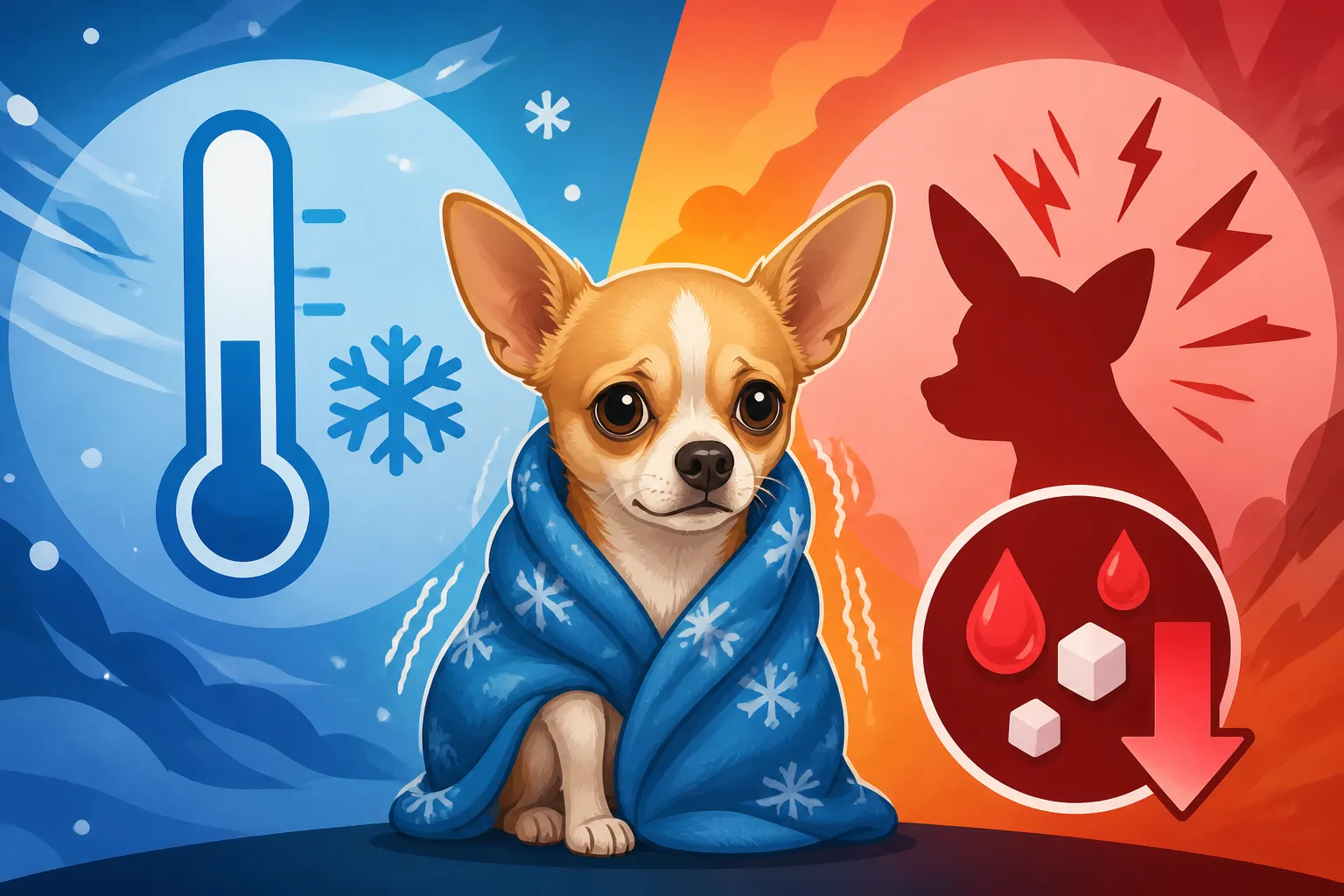
Why Cold and Stress Drop Chihuahua Blood Sugar
It's truly alarming to see your tiny Chihuahua suddenly start trembling, become lethargic, or even stumble, and for many owners, the first thought isn't always "low blood sugar." But for our pint-sized companions, a sudden drop in glucose, known as hypoglycemia, is a serious and unfortunately common risk, especially when they're cold or under stress. This guide is all about helping you understand why these specific factors impact your Chihuahua so profoundly and what you can do to keep your little one safe and healthy.
The Unique Vulnerability of Chihuahuas to Blood Sugar Crashes
If you've ever owned a Chihuahua, you know they're not just small dogs; they're a whole different breed (pun intended!) when it comes to their physiology. Their diminutive size, coupled with a naturally high metabolism, means their bodies operate on a much finer margin than larger dogs. It's not just about how much food they eat; it's about how efficiently their tiny systems manage and store energy. This inherent vulnerability is why hypoglycemia is such a frequent concern, particularly in puppies and sometimes even in adult Chihuahuas under certain conditions.
Tiny Bodies, Big Energy Demands
Think about it: a Chihuahua might weigh as little as two or three pounds, yet they're often bundles of energy, zipping around, playing, and keeping up with the household chaos. All that activity, even just maintaining their body temperature, requires a constant fuel source: glucose. Because they have such a high surface area-to-volume ratio, they lose heat incredibly quickly. Their small size means there's less tissue to insulate them, and their little engines are always working overtime just to stay warm. This is a primary reason why a Chihuahua runs out of blood sugar so fast. When you compare this to a Labrador, for instance, which has substantial body mass and lower metabolic rate relative to its size, the difference in energy management becomes stark. Our little Chihuahuas are like high-performance sports cars; they burn through fuel incredibly quickly.
Immature Liver and Limited Glycogen Stores
A critical factor, especially for young Chihuahuas, is the development of their liver. The liver is the body's primary organ for regulating blood sugar. It stores glucose in the form of glycogen and releases it as needed to maintain stable blood sugar levels. In puppies, this system isn't fully mature. A Chihuahua puppy's liver simply doesn't have the robust capacity to store and release glucose as efficiently as an adult dog's. This is why Chihuahua Hypoglycemia and the Puppy Emergency is a term every new owner should know. Even in adult Chihuahuas, while their livers are mature, their sheer size means they have smaller overall glycogen reserves compared to a larger dog. If these limited reserves are depleted rapidly due to cold or stress, a sugar crash can happen incredibly quickly. This emphasizes why consistent, frequent feeding, especially for young pups, is non-negotiable to prevent their blood sugar from dipping dangerously low.
The Chilling Truth: How Cold Weather Drops Blood Sugar
We often joke about Chihuahuas needing sweaters and burrowing under blankets, but it's not just for cuteness – it's a matter of survival. Their vulnerability to cold isn't just about feeling a bit chilly; it has a direct, profound impact on their metabolic function and, crucially, their blood sugar levels. A cold Chihuahua is a Chihuahua rapidly burning through its precious energy reserves.
Battling the Brrr: Energy Drain from Shivering
When your Chihuahua gets cold, its body instinctively kicks into gear to generate heat. The most noticeable way it does this is by shivering. Shivering is essentially rapid, involuntary muscle contractions, and while it's effective at raising body temperature, it's an incredibly energy-intensive process. Imagine running a marathon, but just in place, all your muscles tensing and relaxing. This is what your Chihuahua's body is doing, and it burns through glucose at an accelerated rate. For a dog with already limited glycogen stores, even a relatively short period of shivering can quickly deplete their blood sugar, leading to Trembling and Weakness in a Chihuahua Puppy that is actually a sign of hypoglycemia, not just cold. A drafty room, a quick dash outside in cool weather, or even just sitting on a cold floor can initiate this process and trigger a rapid decline in blood sugar.
Environmental Factors and Exposure
It's not just extreme blizzards that pose a risk. Subtle environmental factors can be enough to chill a Chihuahua. Think about those brisk autumn walks or even a slightly underheated home during winter. Chihuahuas have minimal body fat to insulate them, and while long-haired Chihuahuas might seem a bit more protected, even their coats aren't dense enough to ward off significant cold. If your Chihuahua is prone to seeking out warm spots or burrowing, they're communicating their need for warmth. Without adequate protection, such as sweaters, coats, or warm bedding, their body has to work harder to maintain its core temperature. This sustained effort can sneakily drain their glucose reserves, leading to an unexpected hypoglycemic episode. This is precisely why Chihuahua Sweaters, Coats and Boots aren't just fashion statements; they're vital tools for their health and well-being.
The Weight of Worry: How Stress Leads to Sugar Crashes
While physical cold is a clear culprit, psychological and physical stress can be just as potent in causing a Chihuahua's blood sugar to plummet. Their sensitive nature and tendency to bond intensely with their people can make them particularly susceptible to stress, and their tiny bodies react with a dramatic physiological response that ultimately impacts their glucose levels.
Adrenaline Rush and Glucose Depletion
When a Chihuahua experiences stress, whether it's a loud noise, a new environment, a vet visit, or even just separation from their favorite person, their body releases stress hormones like adrenaline and cortisol. This is the classic "fight or flight" response. Initially, adrenaline can cause a temporary spike in blood sugar as the body mobilizes glucose for immediate energy. However, this is quickly followed by a rapid depletion of these reserves. The body uses up the available sugar in its heightened state of alert, and if there isn't a steady supply to replenish it, a crash ensues. This rapid draw on resources can be particularly dangerous for a Chihuahua due to their already limited glycogen stores. You might see a Chihuahua suddenly become very agitated, barking excessively, or frantically pacing, only to collapse into lethargy a short time later – a classic sign of this adrenaline-fueled glucose crash.
Emotional and Physical Stressors
Stress can come in many forms for a small dog. A trip to the vet, even for a routine check-up, can be incredibly stressful for a Chihuahua. The unfamiliar smells, sounds, and handling can overwhelm their senses. Similarly, a car ride, especially a long one or if they're not used to it, can induce significant stress. Even positive excitement, like meeting new people or going to a new park, can trigger an adrenaline response that, if sustained, can deplete blood sugar. More chronic stressors, such as Chihuahua Separation Anxiety and Time Alone, can lead to ongoing physiological stress, making them more prone to a crash when an additional acute stressor hits. Consider a Chihuahua who normally manages fine but then experiences a traumatic grooming session or a fright from a larger dog; their system is already running on fumes, and the additional stress pushes them over the edge. It's a delicate balance, and recognizing your Chihuahua's individual stress triggers is key to prevention.
Proactive Protection: Preventing and Managing Hypoglycemia
Understanding why cold and stress are such potent triggers is the first step, but what really matters is knowing how to keep your little one safe. Preventing these dangerous drops in blood sugar is a continuous effort, but one that is incredibly rewarding for your Chihuahua's health and longevity.
Strategic Feeding and Environmental Control
The cornerstone of preventing hypoglycemia in Chihuahuas is a consistent and appropriate feeding schedule. For puppies, this means frequent, small meals throughout the day, often every 2-4 hours, which is why understanding How Often a Chihuahua Puppy Must Eat is crucial. For adults, usually 2-3 meals a day will suffice, but always ensure they are receiving adequate calories for their activity level. Weighing their food, rather than just using a scoop, can make a huge difference, especially given their tiny portions.
Beyond food, managing their environment is paramount. Keep your home comfortably warm, free from drafts, especially where your Chihuahua sleeps. Provide cozy, insulated beds and plenty of blankets for burrowing. During colder months, embrace those adorable sweaters and coats when going outdoors. Consider ramps or steps for furniture to prevent injuries that could cause stress and lead to a crash. Always ensure your Chihuahua has access to a safe, quiet space where they can retreat if feeling overwhelmed or cold.
Recognizing Warning Signs and Immediate Action
Being vigilant about the early signs of hypoglycemia can be life-saving. Don't wait for your Chihuahua to collapse. Look for subtle cues like lethargy, trembling (beyond what might just be a natural Chihuahua tremor), weakness, an uncoordinated gait, disorientation, or a dull, glassy-eyed stare. If you notice these signs, immediate action is necessary. The most common advice is to rub a small amount of a sugary substance, like Karo syrup, honey, or a specialized glucose gel, on your Chihuahua's gums. This allows for rapid absorption directly into the bloodstream. This is why it's so important to always be Keeping Glucose Gel for a Chihuahua at Home or readily available.
After applying the sugar, offer a small meal. If they refuse to eat or their symptoms worsen, it's time for an emergency vet visit. These situations can escalate quickly, turning into seizures if left untreated. When facing unexpected emergencies like these, having pet insurance from a provider like Healthy Paws can be an absolute lifesaver, helping to cover the often-high costs of critical care. Understanding The Emergency Bills That Reach Chihuahua Owners can help you prepare for these possibilities.
When to Involve Your Veterinarian
While immediate at-home care can address a mild hypoglycemic episode, it's not a substitute for professional veterinary attention, especially if the episode is severe, recurring, or you're unsure of the cause. If your Chihuahua doesn't respond to sugar within 10-15 minutes, or if they have a seizure, get them to an emergency vet immediately. The vet can administer IV fluids with dextrose to rapidly raise blood sugar and investigate underlying causes.
For Chihuahuas, especially puppies, persistent issues with low blood sugar warrant a thorough diagnostic workup. This might involve blood tests to check organ function, hormone levels, or even to rule out congenital conditions. If your Chihuahua is an adult experiencing Hypoglycemia in an Adult Chihuahua, it’s even more critical to find the root cause, as it could indicate a more serious health issue. Discussing prevention strategies, appropriate feeding guidelines, and having an emergency plan in place with your vet is crucial. Again, pet insurance can be invaluable here, ensuring you can afford the necessary tests and treatments without delay. Companies like Healthy Paws offer various plans, and it's worth investigating Chihuahua Pet Insurance and Its Low Premium to see how it can protect your finances and your furry friend.
Here's a quick comparison of the two main triggers for hypoglycemia in Chihuahuas:
| Feature | Cold-Induced Hypoglycemia | Stress-Induced Hypoglycemia |
|---|---|---|
| Primary Trigger | Exposure to low temperatures, drafts, thin bedding | Fear, anxiety, excitement, loud noises, vet visits |
| Physiological Mechanism | Increased metabolic rate and shivering to generate heat, rapidly depleting glucose. | Adrenaline surge initially mobilizes glucose, followed by rapid depletion and inability to replenish. |
| Common Symptoms | Trembling, shivering, lethargy, cold ears/paws, weakness. | Trembling, pacing, excessive barking followed by lethargy, disorientation, sometimes vomiting. |
| Immediate Action | Warm the dog (blankets, body heat), offer sugary substance on gums, then small meal. | Remove from stressor, offer sugary substance on gums, then small meal, provide quiet space. |
| Prevention | Provide warm clothing, heated beds, avoid drafts, limit cold exposure. | Gradual socialization, minimize stressors, positive reinforcement, consistent routine. |
Disclaimer
The information provided in this article is for educational purposes only and is not a substitute for professional veterinary advice. Always consult with a qualified veterinarian for any health concerns or before making any decisions about your pet's medical care.