Weight Loss as Chihuahua Trachea Treatment
It's heartbreaking to watch your tiny Chihuahua struggle with a persistent, honking cough that sounds like they're trying to clear something stuck in their throat, especially when you know it's often due to something as serious as tracheal collapse. This condition can severely impact their breathing and quality of life, and for many owners, the struggle to find effective relief is a constant worry. This guide will walk you through how managing your Chihuahua's weight can be one of the most powerful, yet often overlooked, treatments for alleviating the symptoms of tracheal collapse.
Understanding Tracheal Collapse in Chihuahuas
Tracheal collapse is a chronic, progressive respiratory condition that is particularly prevalent in toy breeds like our beloved Chihuahuas. It's a structural weakness in the windpipe, which normally consists of C-shaped cartilage rings that keep the airway open. When these rings weaken, they flatten, narrowing the trachea and making it difficult for air to pass through to the lungs. It's not just a minor irritation; it's a serious condition that can cause significant distress.
How a Collapsing Trachea Affects a Small Dog
Imagine trying to breathe through a flattened straw; that's essentially what your Chihuahua experiences with tracheal collapse. The condition often manifests as a dry, harsh, goose-like cough, which can be triggered by excitement, exercise, drinking water, or even just pulling on a collar. Owners frequently describe it as a "honking cough." Beyond the cough, you might notice your little one gagging, experiencing difficulty breathing, or showing a decreased tolerance for exercise. They might seem more tired than usual after a short walk or a burst of play. The severity can range from mild, intermittent coughing to life-threatening respiratory distress, particularly during times of stress or heat. Because it's a progressive issue, meaning it tends to worsen over time, early and consistent management is key to maintaining their comfort and health. It's a tough diagnosis to get, and seeing your little companion struggle through these coughing fits is truly upsetting. For a more detailed look at the symptoms, you can check out our guide on Collapsing Trachea and the Chihuahua Honking Cough.
The Role of Excess Weight in Worsening Symptoms
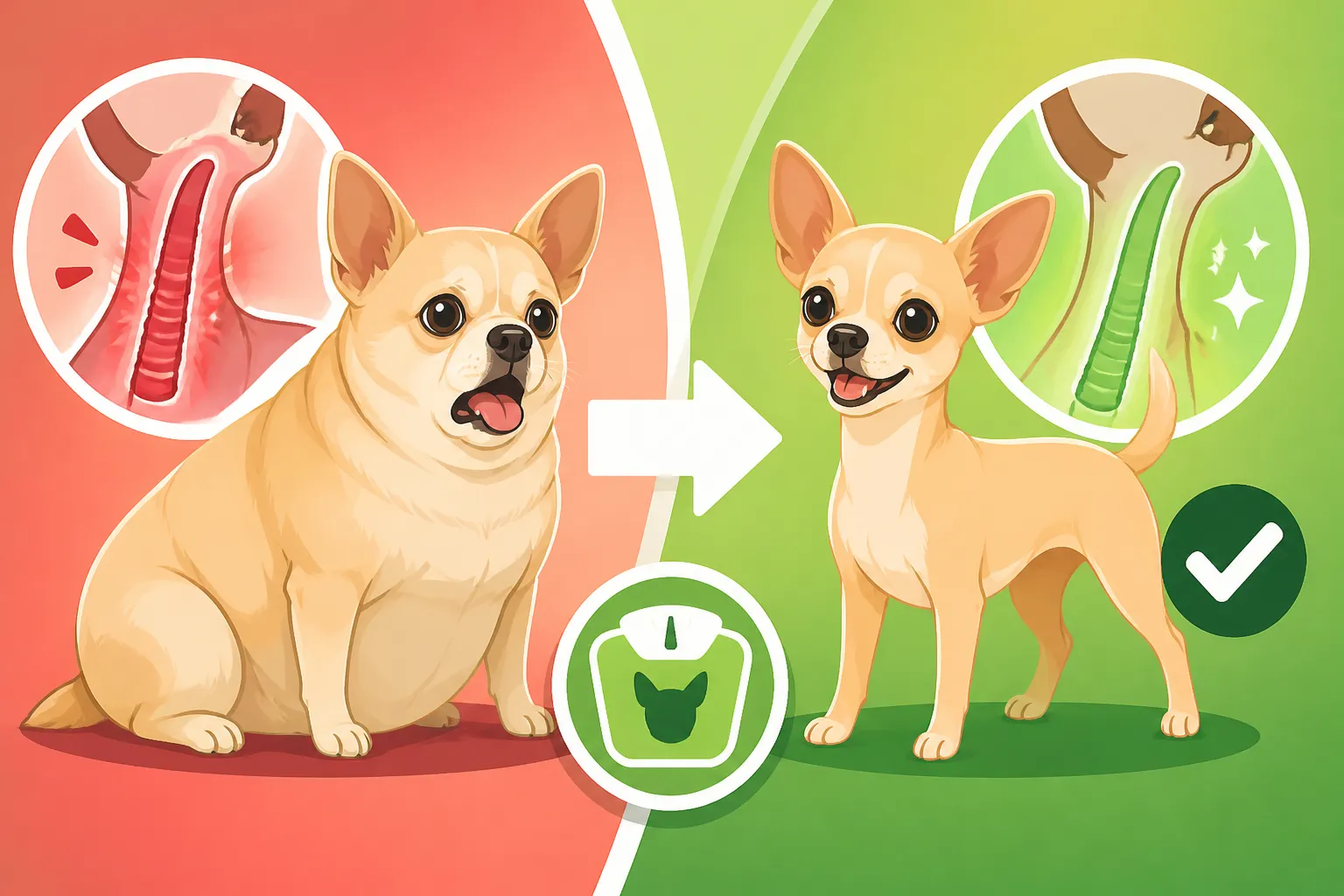
Now, let's talk about something incredibly important: weight. When a Chihuahua carries even a tiny bit of extra weight, it places undue pressure on their already compromised windpipe and surrounding respiratory structures. Imagine a small, delicate tube already struggling to stay open; adding external pressure from fat around the neck and chest makes that struggle exponentially harder.
Even a half-pound over their ideal weight can be significant for a dog whose entire body might only weigh five or six pounds. This extra bulk doesn't just sit there; it encroaches on the chest cavity, reducing lung capacity and forcing the diaphragm to work harder with every breath. This constant strain can exacerbate coughing episodes, make breathing more labored, and increase the overall stress on their respiratory system. It's a vicious cycle where discomfort leads to less activity, which then leads to more weight gain, further worsening the collapse. Many owners report seeing a noticeable improvement in their Chihuahua's coughing and breathing simply by getting them to a healthier weight, often to their immense relief. It validates the frustration you might feel when other treatments don't seem to make a huge difference, sometimes the simplest change can have the biggest impact.
Developing a Safe and Effective Weight Loss Plan
Tackling weight loss for a Chihuahua with tracheal collapse isn't about crash dieting or excessive exercise; it's about a carefully managed, vet-approved plan that prioritizes their delicate system.
Calculating the Ideal Weight and Calorie Needs
The very first step, and arguably the most crucial, is to consult your veterinarian. They can accurately assess your Chihuahua's current body condition, determine their ideal weight, and rule out any other underlying health issues that might affect a weight loss plan. What seems like a small amount of extra weight to us can be a huge percentage of a Chihuahua's tiny body mass. For example, a six-pound Chihuahua gaining one pound is like a 150-pound person gaining 25 pounds—it's a massive proportional increase that puts enormous strain on their system.
Once an ideal weight target is set, your vet can help you calculate a safe daily calorie intake for gradual weight loss. Generally, a reduction of about 10-20% from their current maintenance calories is a good starting point, but this needs to be precise. For a small dog, even 10-20 calories can make a difference. It's crucial to measure every single morsel of food using a kitchen scale, not just a measuring cup, to ensure accuracy. A small scoop can be off by grams, and for a Chihuahua, grams matter. You can read more about precise feeding in our article on Weighing Chihuahua Food on a Kitchen Scale.
Here's a general guideline, but always consult your vet for precise numbers:
| Chihuahua Weight | Ideal Body Condition (Approx.) | Daily Calorie Range (Maintenance) | Daily Calorie Range (Weight Loss) |
|---|---|---|---|
| 3 lbs (1.36 kg) | Lean, ribs palpable | 120-150 calories | 100-130 calories |
| 5 lbs (2.27 kg) | Lean, ribs palpable | 200-250 calories | 170-220 calories |
| 7 lbs (3.18 kg) | Lean, ribs palpable | 280-350 calories | 240-310 calories |
| 9 lbs (4.08 kg) | Could be overweight | 360-450 calories | 300-400 calories |
Remember, these are rough estimates. A very active Chihuahua might need more, a very sedentary one less. Your vet will tailor this to your specific dog.
Dietary Adjustments and Feeding Strategies
Once you have your calorie target, it's time to adjust their diet. Many vets recommend moving to a high-quality, vet-prescribed weight-management food specifically formulated for small breeds. These foods are often lower in calories but higher in fiber to help your Chihuahua feel full without overeating. If a prescription diet isn't an option, look for commercial foods with lower fat and calorie content.
Portion control is absolutely paramount. Divide their calculated daily calorie allowance into two or three small meals throughout the day rather than one large one. This can also help prevent sudden drops in blood sugar, which Chihuahuas can be prone to. We discuss this further in Three Small Meals a Day for a Chihuahua. For treats, ditch the high-calorie biscuits. Instead, offer tiny pieces of vet-approved vegetables like carrots, green beans, or blueberries. Make sure any treats are accounted for in their daily calorie count. It’s amazing how quickly those tiny treat calories add up for such a small dog. For ideas on appropriate rewards, check out Chihuahua Treats Inside a Tiny Calorie Budget. Consistent, measured feeding is the bedrock of a successful weight loss program.
Incorporating Safe Exercise Routines
Exercise is vital for weight loss and overall health, but for a Chihuahua with tracheal collapse, it needs to be carefully managed to avoid exacerbating their condition. The goal is low-impact, short-duration activity that doesn't put undue strain on their windpipe.
Think gentle, short walks (5-10 minutes, a few times a day) on a well-fitted harness, never a collar. A harness distributes pressure across their chest and shoulders, completely bypassing the delicate trachea. This is so important that we have a dedicated article, Why a Harness Matters for a Chihuahua Windpipe. Indoor play can also be great; tossing a soft toy for a few rounds of fetch, or engaging in short, supervised play sessions can provide activity without over-exertion. Avoid strenuous activities, long walks in hot or humid weather, or anything that causes heavy panting or coughing. Monitor them closely for any signs of respiratory distress, and stop immediately if you notice increased coughing or labored breathing. For more ideas on how to keep your little one active safely, explore Chihuahua Exercise for a Dog That Fits in a Bag. Consistency, not intensity, is the key here.
Managing Tracheal Collapse Beyond Weight Loss
While weight management is a powerful tool, it's part of a broader strategy for living with tracheal collapse.
Environmental Modifications to Reduce Tracheal Strain
Beyond managing weight, making a few changes to your home environment can significantly reduce the triggers for your Chihuahua's cough. First, eliminate all airborne irritants. This means no smoking indoors, avoiding strong air fresheners, scented candles, or harsh cleaning chemicals that can irritate their sensitive airways. Keeping the air clean and fresh is paramount.
Consider using a humidifier, especially in dry climates or during winter months when indoor air can be very dry. Moist air can soothe irritated airways and potentially reduce coughing fits. Conversely, very hot and humid weather can also make breathing harder, so ensure your home is kept at a comfortable, cool temperature, particularly during warmer months. You can find more advice on this in Heat and Humidity Worsening a Chihuahua Cough. A calm, low-stress environment also helps, as excitement and anxiety can often trigger coughing.
Medications and Veterinary Interventions
For many Chihuahuas, medication plays a crucial role alongside weight management and environmental controls. Your vet might prescribe cough suppressants to ease the severity and frequency of coughing, anti-inflammatory drugs to reduce inflammation in the airways, or bronchodilators to help open up the air passages. These medications are not a cure, but they can significantly improve your Chihuahua's comfort and quality of life. Regular veterinary check-ups are essential to adjust medication dosages as needed and monitor the progression of the disease.
In severe cases where medical management is no longer sufficient, your vet might discuss surgical options, such as the placement of a tracheal stent. This is typically considered a last resort due to its invasiveness and potential complications, but it can be life-changing for some dogs. Understanding these options, and the associated costs, is important. Pet insurance, like a comprehensive plan from Healthy Paws, can be an absolute lifesaver when facing potentially high veterinary bills for chronic conditions or emergency interventions. It’s worth looking into early on, before conditions become pre-existing, to ensure you’re covered for treatments such as Chihuahua Cough Medication and Long-Term Care or Stent Surgery for a Chihuahua Trachea. Understanding what your policy covers for chronic conditions like this is critical, so be sure to check into Tracheal Collapse Coverage on a Chihuahua Policy.
Monitoring Progress and Adapting the Plan
Successfully managing tracheal collapse with weight loss requires consistent monitoring and a willingness to adapt. Keep a journal of your Chihuahua's weight, feeding schedule, exercise routines, and any coughing episodes. Note the severity, frequency, and potential triggers of their cough. This detailed record will be invaluable for your vet to assess the effectiveness of the treatment plan and make any necessary adjustments.
Be patient; weight loss takes time, especially in small breeds where even small changes are significant. Celebrate small victories, like a slight reduction in coughing or a quarter-pound lost. Regular weigh-ins at home, ideally weekly, using a small pet scale or even a kitchen scale (if they are small enough), can help you track progress. If you notice any worsening of symptoms or if your Chihuahua seems to be struggling, contact your vet immediately. A proactive approach, including regular vet visits and maintaining open communication with your veterinary team, is your best defense in ensuring your Chihuahua lives their happiest, most comfortable life with tracheal collapse. It's situations like these where having a reliable pet insurance provider such as Healthy Paws can give you peace of mind, knowing you can pursue the best care without financial strain.
The Long-Term Benefits of Weight Management
Committing to weight management for your Chihuahua isn't just about controlling a cough; it's about investing in a significantly better future for them.
Improved Quality of Life and Reduced Symptoms
The most immediate and rewarding benefit of successful weight loss is often a dramatic improvement in your Chihuahua's quality of life. Imagine your little dog, once prone to hacking fits, now breathing more freely and comfortably. Owners frequently report a noticeable reduction in the frequency and severity of the honking cough, sometimes even seeing it disappear almost entirely in milder cases. This means less distress for your Chihuahua and less worry for you.
With less pressure on their trachea and an improved ability to breathe, your Chihuahua will likely have more energy and better exercise tolerance. They might enjoy their short walks more, engage in play with renewed vigor, and simply seem happier and more comfortable in their own skin. This isn't a small thing; for a breed predisposed to this condition, the ability to breathe easily can transform their daily existence, allowing them to truly thrive.
Delaying Progression and Minimizing Other Health Risks
Beyond immediate symptom relief, maintaining a healthy weight is a powerful preventative measure. It can help slow the progression of tracheal collapse, potentially delaying the need for more aggressive medical interventions or even surgery down the line. By reducing the strain on their respiratory system, you're actively preserving the remaining strength of their tracheal cartilage.
Furthermore, a healthy weight has a ripple effect on their overall health, mitigating the risk of numerous other conditions that disproportionately affect Chihuahuas. Carrying extra weight significantly increases the likelihood of developing other health issues such as Chihuahua Arthritis in the Teenage Years due to added joint strain, or even contributing to serious conditions like Chihuahua Obesity on a Six Pound Frame which can exacerbate heart disease and diabetes. By prioritizing your Chihuahua's weight, you're not just treating one condition; you're safeguarding their entire health for a longer, happier life. It's a testament to how crucial comprehensive care, including proper nutrition and exercise, truly is for our long-lived little companions.
Disclaimer
This article is intended for informational purposes only and does not substitute for professional veterinary advice. Always consult with your veterinarian regarding your Chihuahua's specific health condition, diagnosis, and treatment plan, especially concerning conditions as serious as tracheal collapse.