Chihuahua Cataracts in Older Dogs
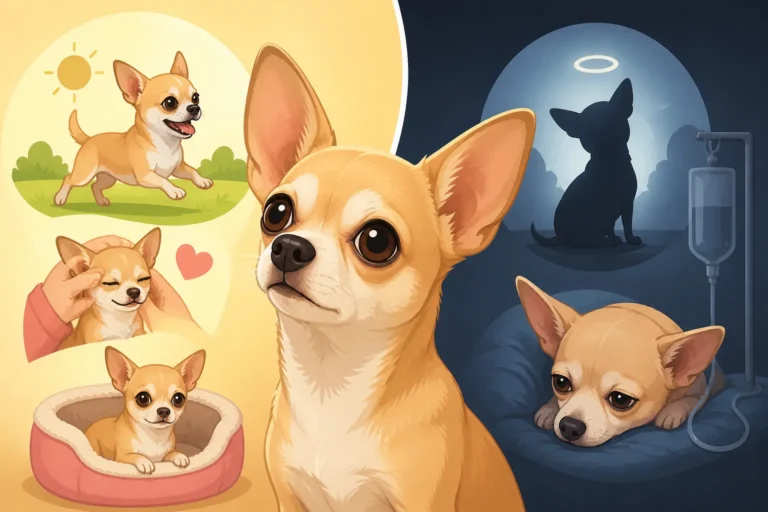
It's incredibly disheartening to watch our beloved Chihuahuas start to lose their keen vision as they age, especially when they've been such bright-eyed, curious little adventurers their whole lives. That cloudy film or hesitant step can really throw you for a loop, leaving you worried about their comfort and independence. This guide is here to walk you through understanding cataracts in older Chihuahuas, recognizing the subtle signs, exploring the treatment options available, and ultimately, how to help your furry friend navigate the world with grace even if their sight isn't what it used to be.
Understanding Canine Cataracts in Chihuahuas
When your Chihuahua starts getting on in years, usually past the age of eight or nine, you might notice their once sparkling eyes taking on a somewhat cloudy appearance. It's easy to jump to conclusions and assume the worst, but it's important to understand exactly what cataracts are and how they differ from other age-related changes that can happen in a senior dog's eyes. Chihuahuas, with their exceptionally long lifespans – often reaching sixteen years or more – are certainly prone to a range of age-related health issues, and their eyes are no exception.
What Exactly Are Cataracts?
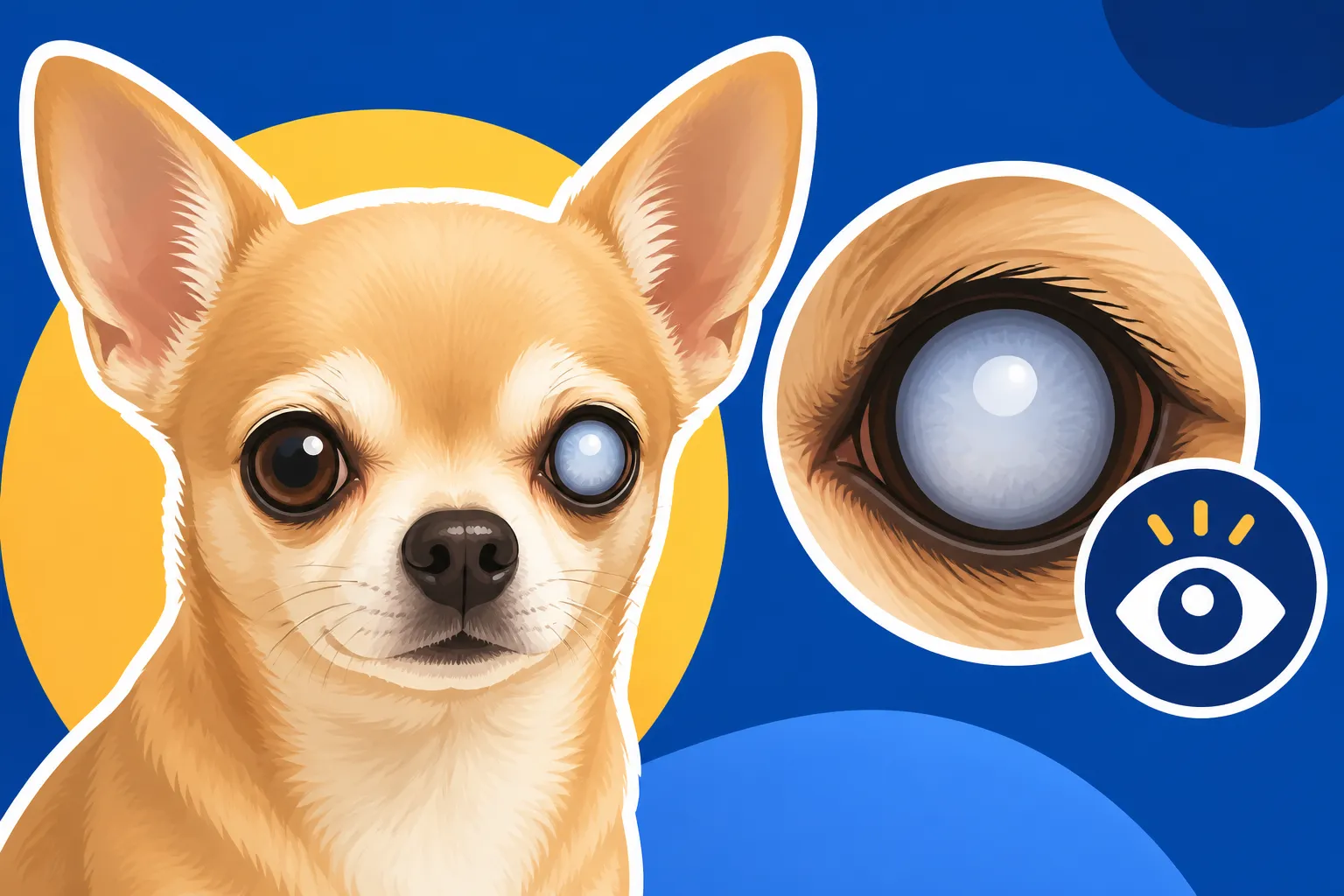
Simply put, a cataract is an opacity or clouding of the eye's natural lens. Think of it like looking through a window that's become frosted or smudged – light can't pass through clearly, which obviously impacts vision. The lens of a dog's eye, just like ours, is normally clear and works to focus light onto the retina at the back of the eye. When the proteins within the lens start to break down and clump together, they form these cloudy areas. Initially, a cataract might be tiny, affecting only a small part of the lens and causing minimal visual impairment. However, over time, these opacities can grow, becoming denser and covering more of the lens, eventually leading to partial or even complete blindness in the affected eye.
For Chihuahuas, while cataracts can sometimes be genetic (juvenile cataracts, seen in younger dogs), the most common type we see is age-related, or senile, cataracts. These typically develop slowly as the dog matures and ages. It's a natural process of the body wearing down, much like Chihuahua Arthritis in the Teenage Years can affect their joints. The rate at which they progress varies greatly from one dog to another, and even between a dog's two eyes. Some Chihuahuas might live out their golden years with only minor cataracts that barely impact their day-to-day life, while others might experience significant vision loss that requires intervention.
Differentiating Cataracts from Lenticular Sclerosis
Now, this is where things can get a little confusing for us Chihuahua parents. You see that bluish-gray haze in your senior dog's eyes and immediately think "cataracts!" But often, what you're actually observing is a very common, normal age-related change called lenticular sclerosis, sometimes referred to as nuclear sclerosis. This condition causes the lens to appear hazy or grayish, but it's not a cataract.
With lenticular sclerosis, the lens fibers simply harden and compress over time, scattering light as it passes through. This makes the eye look cloudy, but unlike a cataract, it generally doesn't significantly impair vision. Dogs with lenticular sclerosis can usually still see quite well, though they might have a slight decrease in their ability to focus on close-up objects, like reading fine print. A dog with advanced lenticular sclerosis can typically still navigate a familiar room with ease, track a toy, and avoid bumping into furniture.
The key difference lies in how light passes through the lens. With lenticular sclerosis, light can still reach the retina, just not as efficiently. With a true cataract, the opacity blocks light from reaching the retina entirely, leading to vision loss. A veterinary ophthalmologist can easily tell the difference using specialized equipment to examine the eye's interior. If you're unsure, or even if you think you know, it’s always best to let your vet confirm. Knowing the exact condition helps you understand what to expect and how best to support your older Chihuahua.
Recognizing the Signs of Cataracts in Your Older Chihuahua
Spotting cataracts in your older Chihuahua involves a combination of visual inspection and paying close attention to their behavior. Remember, Chihuahuas are incredibly adaptable, and they might hide early signs of vision loss quite well, especially in familiar surroundings. Their small size means their world is often confined to smaller spaces, and their reliance on scent and hearing can compensate for a while.
Visual Cues and Changes in Appearance
The most obvious sign of cataracts is a change in the physical appearance of your Chihuahua's eyes. You might start noticing:
- A cloudy or opaque pupil: Instead of a clear, dark pupil, you'll see a white, grayish, or bluish-white haze. This cloudiness can range from a small, subtle spot to a dense, milky-white obstruction that fills the entire pupil.
- A "glow" or reflection: Sometimes, in certain lighting conditions, you might notice a distinct "glow" coming from the eye, almost like a flash reflecting off the cloudy lens.
- Decreased pupil response: In advanced cases, the pupil might appear fixed or respond sluggishly to changes in light, as the cataract prevents light from properly stimulating the retina.
- Irregular appearance: While less common for simple cataracts, sometimes a cataract can cause the eye to appear slightly irregular in shape or size, especially if inflammation or secondary issues are present.
- Redness or irritation (secondary issues): If the cataract matures and causes inflammation inside the eye, you might notice redness, tearing, or your Chihuahua rubbing at their eyes. This can be painful and needs immediate veterinary attention, much like other common Chihuahua Eye Problems in a Shallow Socket can present.
It's important to observe these changes in both bright and dim light, as the appearance can vary. Early on, the cloudiness might only be noticeable in specific lighting angles. Keep in mind that a fully mature cataract will make the pupil appear solid white and opaque, making it clear that vision is severely compromised or completely lost in that eye.
Behavioral Indicators of Vision Loss
Beyond the physical appearance, changes in your Chihuahua's behavior are often the most telling signs that their vision is declining due to cataracts. Because they're small and often carried, these behavioral shifts can be easy to miss if you're not actively looking for them.
- Bumping into objects: This is a classic sign. Your Chihuahua might start bumping into furniture that's been in the same spot for years, especially in unfamiliar environments or when the lighting changes. They might hesitate to enter dimly lit rooms.
- Hesitation or difficulty with stairs and curbs: Walking up or down stairs, or stepping off a curb, requires good depth perception. A Chihuahua with cataracts might hesitate, misjudge steps, or fall. Ramps can become an essential aid at this stage.
- Increased clinginess or anxiety: Vision loss can be disorienting and frightening for a dog. Your Chihuahua might become more clingy, stay closer to you, or seem more anxious, particularly when startled or in new places. They might startle more easily if approached from behind.
- Difficulty finding toys or food bowl: While their sense of smell is strong, a Chihuahua relying solely on scent might struggle to locate a dropped toy or their food and water bowls, even if they're in their usual spot. You might notice them sniffing around aimlessly more often.
- Changes in play or activity levels: They might become less enthusiastic about games that require visual tracking, like fetch. Their overall activity level might decrease, not necessarily due to pain, but because navigating is more challenging.
- Altered sleep patterns or disorientation at night: Dogs with significant vision loss, especially if they also have problems with night vision (like in cases of Retinal Atrophy Taking a Chihuahua's Night Vision), might become disoriented or anxious when it gets dark. You might notice them pacing, barking, or seeming lost.
- More reliance on other senses: You'll likely observe your Chihuahua using their nose and ears more prominently. They might sniff the air more, track sounds, and be more sensitive to changes in air currents to orient themselves.
If you observe any of these behavioral changes, especially in conjunction with physical changes in their eyes, it's definitely time for a vet visit. Early detection is crucial, not just for cataracts, but for other conditions like glaucoma, which can be secondary to cataracts and cause significant pain.
Diagnosis and Treatment Options for Chihuahua Cataracts
Once you suspect your older Chihuahua might be developing cataracts, the next step is a professional veterinary evaluation. This isn't just about confirming cataracts; it's also about ruling out other serious eye conditions and determining the best course of action to maintain their quality of life. Considering the comprehensive care a Chihuahua needs as it becomes a senior, understanding potential costs and having a reliable pet insurance provider like Healthy Paws can make a significant difference in managing these age-related health challenges.
The Veterinary Examination and Specialist Referral
Your regular veterinarian will perform a thorough eye examination. This typically involves:
- Ophthalmoscopy: Using a special instrument called an ophthalmoscope, your vet can look into the back of the eye to assess the lens, retina, and optic nerve. This helps them determine the extent and maturity of the cataract and differentiate it from lenticular sclerosis.
- Pupil light reflex test: This checks how your Chihuahua's pupils respond to light, which can indicate how much light is reaching the retina through the cloudy lens.
- Schirmer Tear Test: This measures tear production, as dry eye can exacerbate other eye conditions.
- Tonometry: This measures the pressure inside the eye, which is critical for checking for glaucoma – a painful condition that can occur secondary to cataracts.
If cataracts are confirmed and are significantly impacting your Chihuahua's vision, or if there's any suspicion of other complex eye issues, your vet will likely recommend a referral to a board-certified veterinary ophthalmologist. These specialists have advanced training and equipment to perform more detailed examinations, such as:
- Gonioscopy: A procedure to examine the drainage angle of the eye, which is important for assessing glaucoma risk.
- Electroretinography (ERG): This test measures the electrical activity of the retina to ensure it's functioning properly. A healthy retina is crucial for successful cataract surgery.
- Ocular ultrasound: An ultrasound can be used to visualize the structures behind a dense cataract that cannot be seen otherwise, ensuring there are no other underlying problems.
This comprehensive evaluation is vital to determine if your Chihuahua is a good candidate for cataract surgery, as the retina must be healthy for the surgery to restore vision.
Cataract Surgery: The Gold Standard
For Chihuahuas whose cataracts are significantly affecting their vision and whose eyes are otherwise healthy, cataract surgery is generally considered the most effective treatment. It's truly incredible what modern veterinary medicine can do to give our tiny companions their sight back. The procedure, called phacoemulsification, is very similar to human cataract surgery.
During the surgery, a tiny incision is made in the cornea. A small ultrasonic probe is then inserted, which uses high-frequency sound waves to break up the cloudy lens into tiny pieces. These pieces are then gently suctioned out. Once the old lens is removed, an artificial intraocular lens (IOL) is implanted, restoring the eye's ability to focus light.
Success Rates and Risks:
Cataract surgery has a high success rate, often restoring excellent vision in about 90-95% of cases. However, like any surgery, it comes with risks. These can include:
- Post-operative inflammation: This is common and managed with eye drops.
- Glaucoma: Increased eye pressure can occur, sometimes requiring long-term medication or further surgery.
- Retinal detachment: Though rare, this can lead to permanent blindness.
- Infection or bleeding.
Your Chihuahua will need to undergo general anesthesia for this procedure, and while anesthesia for small dogs has its own considerations, advances in veterinary anesthesiology have made it much safer. For instance, understanding Anesthesia Risk During a Chihuahua Dental provides context on how careful vets are with toy breeds. Post-operative care is crucial and involves strict adherence to a regimen of multiple eye drops several times a day for weeks, sometimes months, along with limited activity. This dedication from the owner is paramount for a good outcome.
The cost of cataract surgery can be substantial, often ranging from $2,500 to $5,000 per eye, and sometimes both eyes are done at once. This is where having pet insurance like Healthy Paws can be a lifesaver, helping to cover a significant portion of these expenses, especially if your Chihuahua was enrolled before the cataracts developed and weren't considered a pre-existing condition. Make sure to check your policy details. Understanding Chihuahua Surgery Costs at Toy Size can help you budget for such an important procedure.
Managing Cataracts Without Surgery
Not every Chihuahua is a candidate for cataract surgery. Sometimes, their overall health might preclude general anesthesia, especially if they have concurrent conditions like Chihuahua Heart Disease as the Breed Ages, or the cataracts might not be causing enough visual impairment to warrant surgery. In other cases, the cost might be prohibitive. If surgery isn't an option, the focus shifts to supportive care and improving your Chihuahua's quality of life.
- Supportive Eye Drops: While there are no eye drops that will dissolve a cataract, your vet might prescribe anti-inflammatory drops if the cataract is causing inflammation (uveitis), which can be painful and lead to glaucoma. These drops aim to reduce secondary complications, not reverse the cataract itself.
- Creating a Safe Environment: This is paramount. We'll dive into more detail in the next section, but generally, it involves keeping furniture in consistent locations, using baby gates to block off hazards, and padding sharp corners.
- Managing Secondary Conditions: Untreated cataracts can sometimes lead to painful secondary glaucoma or lens luxation (where the lens dislocates). Regular vet check-ups are essential to monitor eye pressure and overall eye health. If glaucoma develops, it will need to be managed with specific eye drops to reduce pressure, which is vital for comfort even if vision is already lost.
- Enrichment for Other Senses: Since their vision is compromised, focus on engaging your Chihuahua's other powerful senses. Scent games, puzzle toys that emit sounds, and consistent verbal cues can help them navigate and enjoy their environment. This really helps to keep their minds active and their spirits up.
The goal when managing cataracts without surgery is to ensure your Chihuahua remains comfortable, safe, and happy, even with reduced or lost vision. It’s about adapting your routine and home to their changing needs.
Living with a Chihuahua with Impaired Vision
Discovering your beloved Chihuahua is losing their sight can be incredibly upsetting. It forces you to think differently about their needs and how they interact with the world. But trust me, Chihuahuas are resilient little creatures, and with your help, they can absolutely continue to live full, happy lives. It just means a few thoughtful adjustments around the house and a renewed focus on other forms of enrichment. This kind of careful adaptation is part and parcel of providing Senior Chihuahua Care Past the Age of Twelve.
Adapting Your Home Environment
The key to helping a vision-impaired Chihuahua is consistency and safety. They rely on memory, scent, and touch to navigate, so any sudden changes can be disorienting and frightening.
- Maintain a Consistent Layout: This is probably the most crucial tip. Once your Chihuahua has learned the layout of your home, try not to move furniture. Every piece of furniture, every wall, becomes a landmark in their mental map. If you do need to move something, guide them around the new obstacle repeatedly until they've re-learned the path.
- Create Clear Pathways: Ensure hallways and main living areas are free of clutter that could be tripping hazards. Remove small rugs that might slide or catch their paws, especially if they already have issues like The Skipping Gait That Signals a Chihuahua Knee.
- Protect Sharp Edges: Consider padding sharp corners on furniture, especially at your Chihuahua's eye level, to prevent painful bumps. Pool noodles cut in half work wonders!
- Use Sensory Cues:
- Scent Markers: You can place a drop of a unique essential oil (like vanilla or lavender diluted in water, used safely and away from direct contact with their fur) on specific landmarks, such as their food bowl, water bowl, or bed. This provides a strong olfactory cue.
- Texture Mats: Place different textured mats in front of important areas, like their potty spot or the entrance to a room, to give them tactile information.
- Gate Off Hazards: Stairs can become very dangerous for a blind Chihuahua. Use baby gates to block off staircases, balconies, or any other areas where they could fall or get into trouble.
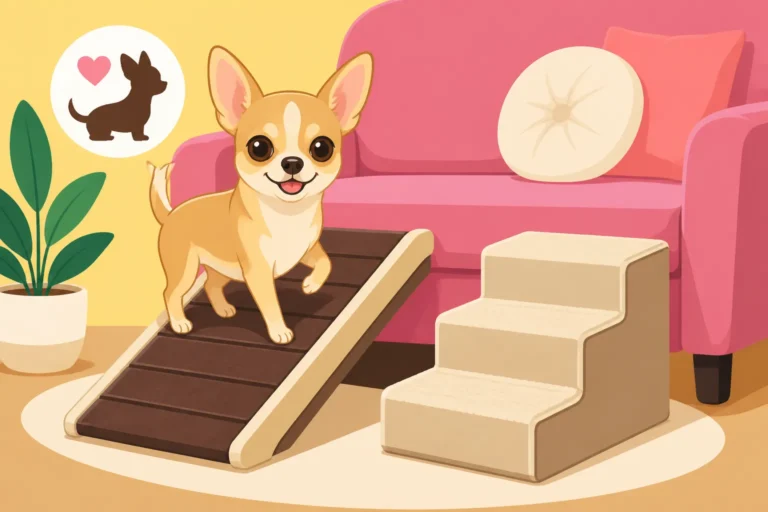
- Ramps and Steps: If your Chihuahua loves to get onto the sofa or bed, invest in pet ramps or steps. These allow them to safely access their favorite spots without jumping, which can be hard on their joints and dangerous if they misjudge the landing due to poor vision. You can find excellent options online from brands like PetSafe or PupSTEP.
- Consistent Potty Area: If your Chihuahua goes outside, lead them to the exact same spot every time. Use a consistent verbal cue ("Go potty!") to help them associate the location and task. For indoor potty training, using a consistent indoor potty area can be a lifesaver, especially for a breed known for its tiny bladder, which you can read more about in House Training a Chihuahua With a Tiny Bladder.
Maintaining Quality of Life
Vision loss doesn't mean the end of fun and happiness for your Chihuahua. It simply means finding new ways to engage their brilliant little minds and bodies.
- Verbal Cues and Communication: Start using more verbal cues. Say their name often, talk to them as you approach, and use words for actions ("step up," "find toy," "bedtime"). This helps them anticipate what's happening and feel more secure. A simple "Watch out!" can prevent a collision.
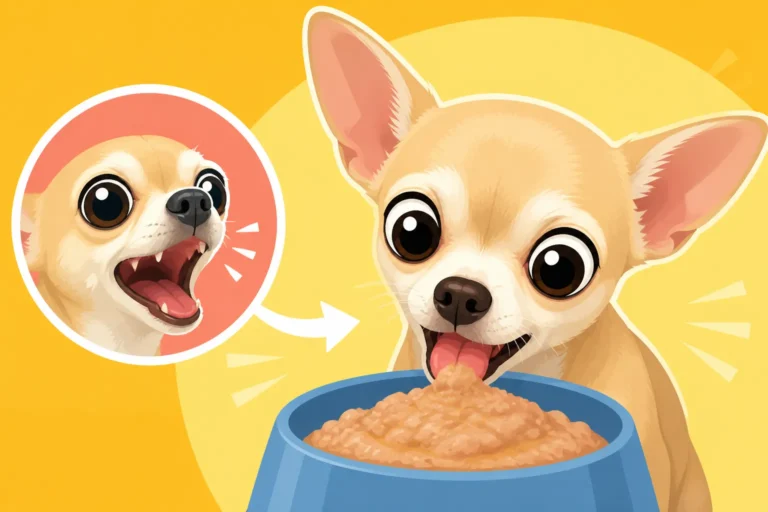
- Scent Games: Chihuahuas have an incredible sense of smell. Hide treats around the house and encourage them to "find it!" using their nose. This is a wonderful way to provide mental stimulation. Snuffle mats are also fantastic for this.
- Sound Toys: Invest in toys that make noise, like squeaky balls or crinkly toys. This allows them to "track" their toys using sound rather than sight, keeping playtime enjoyable.
- Consistent Routines: Predictability is comforting. Stick to a regular feeding schedule, potty breaks, and playtime. This consistency helps reduce anxiety and builds their confidence.
- Gentle Touch and Grooming: Regular grooming sessions (brushing, gentle massages) become even more important for bonding and for you to check for any bumps, scrapes, or injuries they might have acquired while navigating. This is also a good time to check their delicate paws, a topic we cover in Chihuahua Nail and Paw Care at Toy Size.
- Socialization (Controlled): Don't isolate your Chihuahua. Continue to introduce them to familiar, calm people and dogs, always in a controlled and safe environment where they won't be startled. Always inform others that your Chihuahua can't see well so they approach gently.
- Explore New Smells and Sounds: Take them on leashed walks in new, safe environments, focusing on allowing them to sniff and explore new scents. Just be extra vigilant about their safety. A good, secure harness is essential.
- Confidence Building: Praise them enthusiastically for successfully navigating a room, finding their food bowl, or playing with a toy. Positive reinforcement builds their confidence and helps them adapt more quickly. Remember, these little guys are intelligent, and while The Age a Chihuahua Counts as Senior often brings new challenges, it also highlights their incredible resilience.
By embracing these adaptations, you can ensure your Chihuahua continues to thrive, proving that love and understanding can overcome many obstacles, even vision loss.
Cataracts vs. Lenticular Sclerosis Comparison
To help clarify the differences between these two common age-related eye conditions in Chihuahuas, here's a quick comparison:
| Feature | Cataracts | Lenticular Sclerosis |
|---|---|---|
| Appearance | White, opaque, milky cloudiness in the pupil. | Bluish-gray haze or cloudiness in the pupil. |
| Cause | Protein clumping and breakdown in the lens. | Normal hardening and compression of lens fibers. |
| Impact on Vision | Significant to complete vision loss. | Minimal vision loss, mainly close-up focus issues. |
| Progression | Can worsen over time, leading to blindness. | Generally stable once developed, non-progressive. |
| Treatment | Surgical removal of the lens (phacoemulsification), if suitable. | No treatment required, as it's a normal aging change. |
| Secondary Issues | Can lead to painful inflammation, glaucoma, lens luxation. | Does not typically lead to secondary painful conditions. |
| Veterinary Diagnosis | Confirmed by ophthalmoscopy, potentially ERG/ultrasound. | Confirmed by ophthalmoscopy, easily differentiated. |
| Urgency | Potentially urgent if vision is severely affected or secondary issues are present. | Non-urgent, generally monitored during routine exams. |
Disclaimer
The information provided in this article is for educational purposes only and is not a substitute for professional veterinary advice. Always consult with your veterinarian or a board-certified veterinary ophthalmologist for any concerns regarding your Chihuahua's health, diagnosis, and treatment.