Chihuahua or Min Pin for a First Small Dog
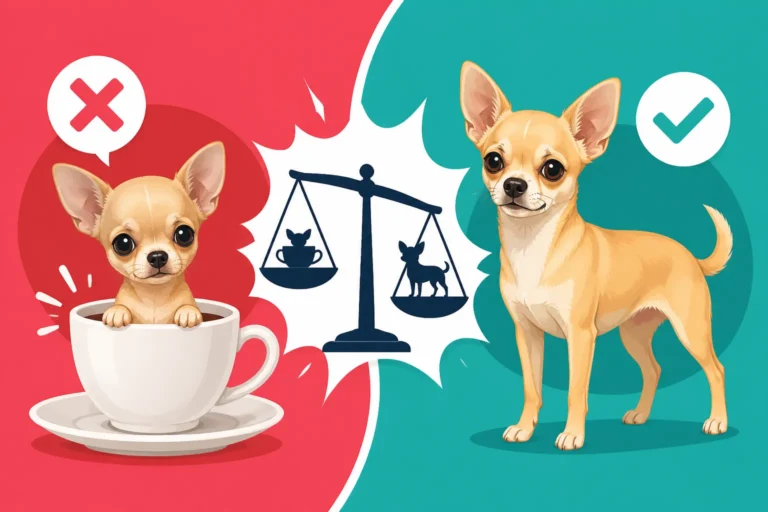
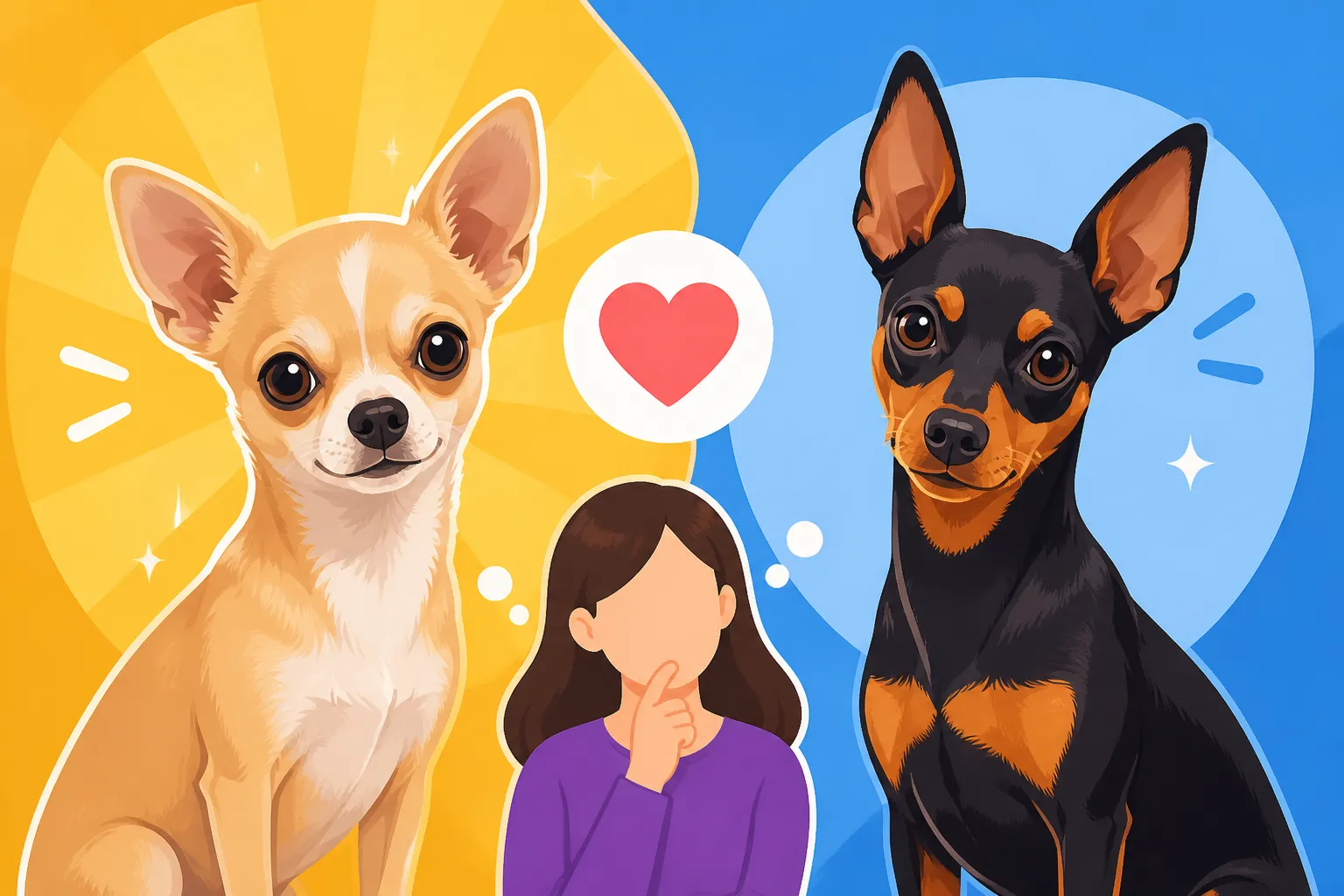
Choosing your very first small dog is such an exciting time, but it can also feel overwhelming when you're faced with so many adorable options that seem similar at first glance. Many people find themselves torn between a Chihuahua and a Miniature Pinscher, both lively, confident little dogs with big personalities. While they might share a tiny stature, their temperaments, training needs, and lifestyle requirements are surprisingly different, and understanding these distinctions is key to finding the perfect furry companion to welcome into your home. This guide will help you unpack the unique characteristics of each breed, making your decision a clear and confident one.
Temperament and Personality: A Tale of Two Spirits
When you first meet a Chihuahua and a Miniature Pinscher, you might notice their small size and energetic presence. However, delve a little deeper, and you'll discover vastly different personalities lurking beneath their charming exteriors. It's truly a tale of two distinct spirits, each with its own way of interacting with the world and its human family.
The Chihuahua's Dedicated Affection
Chihuahuas are renowned for their intense, almost singular devotion to their chosen person. They are the quintessential "velcro dogs," often wanting nothing more than to be by your side, on your lap, or tucked under your arm. This deep bond means they thrive on close companionship and can become quite attached, sometimes to the exclusion of others. If you're looking for a shadow, a constant companion who will follow you from room to room, a Chihuahua might be your perfect match.
However, this fierce loyalty often comes with a degree of wariness towards strangers and sometimes other animals. Without proper, early socialization, a Chihuahua might react with caution, barking, or even shyness when faced with new people or unfamiliar dogs. This isn't aggression; it's often a defense mechanism born from their small size and natural apprehension. They can be incredibly smart and eager to please their person, making them surprisingly trainable when their intelligence isn't underestimated. Why a Chihuahua Deserves Real Obedience Training It's vital to remember that despite their diminutive size, they are still dogs with complex emotional lives, not mere accessories.
Their affectionate nature truly blossoms in a calm, consistent environment where they feel safe and secure. They thrive on routine and the comfort of their human's presence. A Chihuahua will happily burrow under blankets, nap in a sunbeam on your chest, and offer endless cuddles. They don't always understand their small size, though, and can sometimes be quite bold when protecting their perceived territory or beloved owner, which can be both endearing and, at times, a bit challenging if not managed with proper guidance.
The Miniature Pinscher's Bold Independence
In contrast to the Chihuahua's devoted nature, the Miniature Pinscher is often described as a "King of Toys" – and for good reason. They possess a bold, confident, and independent spirit that belies their small stature. Min Pins are energetic, spirited, and often mischievous, carrying themselves with a proud, high-stepping gait that perfectly matches their self-assured attitude. They don't typically bond to one person with the same intensity as a Chihuahua, often distributing their affection more broadly among family members, though they'll certainly have favorites.
Miniature Pinschers have a higher drive and a more inherent sense of adventure than many Chihuahuas. They were originally bred to hunt vermin, and that quick, alert, and active instinct is still very much present. This means they need more mental stimulation and structured play to prevent boredom and destructive behaviors. While they enjoy cuddling, they aren't content to simply be lap ornaments all day; they want to be involved in the action, exploring, playing, and investigating.
They tend to be outgoing and curious, often approaching new situations with a fearless attitude. However, this doesn't mean they're universally friendly. Like Chihuahuas, they can be wary of strangers, but their reaction is more likely to be an alert bark or a bold "investigation" rather than a cowering retreat. Their confidence means they need a firm but fair hand in training, as they can quickly take advantage of a perceived leadership vacuum. They are constantly alert, making them excellent little watchdogs, but also prone to barking if not taught otherwise.
Training and Socialization: Setting Them Up for Success
Both Chihuahuas and Miniature Pinschers are intelligent breeds capable of learning a great deal, but their different temperaments mean that your approach to training and socialization will need to be tailored to each. Overlooking these differences can lead to behavioral challenges that are frustrating for both dog and owner. Remember, a well-trained small dog is a joy, while an untrained one, no matter how small, can be a handful.
Early Intervention for Chihuahuas
For Chihuahuas, early and consistent socialization is paramount. Because they can be naturally cautious and tend to bond so strongly with their primary owner, they need to be introduced to a wide variety of sights, sounds, people, and other friendly, small dogs from a young age. This helps them build confidence and prevents the development of fear-based reactivity, which is a common complaint among Chihuahua owners. Fear-Based Reactivity in a Chihuahua A Chihuahua who hasn't been properly socialized might become overly fearful, leading to excessive barking, trembling, or even nipping when overwhelmed. Think of it as building their "bravery muscle" little by little.
Positive reinforcement training works wonders with Chihuahuas. They respond beautifully to gentle encouragement, praise, and tiny, high-value treats. Treats Small Enough for Chihuahua Training Keep training sessions short, fun, and frequent, as their attention spans can be brief. It's crucial to treat them like any other dog, expecting good behavior and not excusing undesirable habits just because they're small. The concept of "small dog syndrome" isn't a genetic trait; it's often a result of owners failing to provide proper training and boundaries, allowing behaviors in a small dog they'd never tolerate in a larger breed. Small Dog Syndrome and Why It Is Not Genetic They truly thrive when given clear rules and guidance.
House training can be a marathon, not a sprint, with Chihuahuas. Their tiny bladders mean they simply cannot hold it for as long as larger dogs. How Small a Chihuahua Bladder Actually Is Frequent potty breaks (every 2-3 hours for puppies, and even adult Chihuahuas need more frequent outings than larger breeds) are essential. Indoor potty pads or a litter box can be lifesavers, especially in cold or wet weather, but shouldn't replace regular outdoor excursions for exercise and mental enrichment. Patience, consistency, and positive reinforcement are your best tools here.
Consistent Boundaries for Miniature Pinschers
Miniature Pinschers, with their bold and intelligent nature, thrive on consistent boundaries and clear leadership. While they are small, they often have a much stronger will than Chihuahuas and can be quite adept at testing limits. Early training is just as important, but the focus will often be on channeling their energy and independence into constructive behaviors rather than overcoming inherent shyness. They need to understand who is in charge from day one, delivered with kindness and positive reinforcement, of course.
Their high energy levels and natural curiosity mean that structured exercise and mental games are vital. A bored Min Pin is a destructive Min Pin! Puzzle toys, interactive play, and training that challenges their minds can prevent unwanted behaviors like excessive chewing or barking. They can be prone to leash pulling if not trained early, as their desire to explore and "hunt" is strong. A good quality harness can be helpful, but consistent leash training is still key. They're also notorious escape artists, so a secure yard and watchful eye are always necessary.
Miniature Pinschers are generally more physically robust than Chihuahuas, meaning they can handle a bit more active play and training. However, this doesn't mean they should be treated roughly. Gentle, positive methods are always best, but their resilient nature allows them to bounce back from minor bumps or tumbles more readily than a delicate Chihuahua. They are quick learners, but their independence means they'll often weigh whether obeying is worth their while, so motivation (tasty treats, exciting toys) is crucial. Consistency across all family members is essential, as they will quickly exploit any cracks in the rules.
Exercise and Lifestyle Needs: Matching Your Pace
When considering a small dog, it's easy to assume their exercise needs are minimal. While it's true that neither Chihuahuas nor Miniature Pinschers require the intense daily workouts of, say, a Border Collie, their specific energy levels and physical sensitivities vary significantly. Matching their needs to your lifestyle is crucial for a happy, well-adjusted pet.
Chihuahua: The Lapdog with Hidden Pep
While often portrayed as the ultimate lapdog, Chihuahuas still possess a surprising amount of energy and benefit greatly from daily activity. They might fit into a handbag, but they are not inanimate objects! A couple of short walks a day (15-20 minutes each) coupled with indoor playtime is usually sufficient to meet their exercise needs. Chihuahua Exercise Needs Every Day They love a good romp around the house, chasing toys, or playing a game of fetch in the living room. However, their bursts of energy are often followed by equally enthusiastic naps, usually cuddled up beside or on top of you.
One of the most critical lifestyle considerations for a Chihuahua owner is their sensitivity to cold. With very little body fat and often short coats (even long coats don't provide much insulation), Chihuahuas shiver easily and can get cold quickly. Keeping a Chihuahua Warm Through Winter In cooler climates, sweaters, coats, and even booties are not just fashion statements – they're necessities. Indoor temperatures should be kept comfortable, and they absolutely adore burrowing under blankets or snuggling into heated beds. Avoid long walks in chilly or wet weather.
Their delicate joints, particularly the knees (prone to patellar luxation), mean that excessive jumping from furniture can be risky. Providing ramps or steps to help them safely access sofas and beds can prevent injuries and extend their comfort as they age. Ramps and Steps for a Chihuahua Sofa While they enjoy exploring, they are generally content with a more domesticated lifestyle, making them excellent companions for apartment dwellers or those with smaller homes, as long as they get their daily dose of attention and stimulation.
Miniature Pinscher: The Energetic Explorer
The Miniature Pinscher, on the other hand, is a much more active and energetic breed. They might be small, but they have a big motor! These dogs aren't content with just a quick trot around the block. They need longer, more vigorous walks, opportunities to run in a securely fenced area, or active play sessions that challenge both their bodies and minds. Think of them as tiny, athletic adventurers. A Min Pin would likely enjoy dog sports like agility or obedience if you're inclined towards that kind of activity.
Their natural curiosity and prey drive mean they love to explore and chase. Secure fencing is non-negotiable, as they are quick, agile, and can squeeze through surprisingly small gaps if something interesting catches their eye. They thrive in homes where their owners enjoy outdoor activities like hiking or long walks, and they make great jogging partners for moderate distances. While they are resilient, they are still short-coated and can get chilly, so a good coat for winter walks is still a wise investment.
Miniature Pinschers are a great fit for active individuals or families who can dedicate time to regular exercise and mental engagement. They thrive on having a "job" to do, whether it's learning new tricks, participating in structured play, or simply exploring a new walking route. Without adequate outlets for their energy, they can become bored and channel that energy into less desirable behaviors, like excessive barking, chewing, or becoming restless. They appreciate a warm bed and cuddles after a good exercise session, but they're not content to be couch potatoes all day.
Health and Care Considerations: Tiny Bodies, Big Responsibilities
Both Chihuahuas and Miniature Pinschers are generally healthy breeds, often living long lives, but they are prone to certain health issues common in small dogs. Understanding these potential challenges and committing to proactive care is a significant part of being a responsible owner.
Common Chihuahua Health Concerns
Chihuahuas are wonderful dogs, but they do have a few health predispositions you should be aware of. One of the most common orthopedic issues is patellar luxation, where the kneecap slips out of place. Patellar Luxation, the Chihuahua's Commonest Joint Problem This can range from mild, intermittent skipping to severe lameness. Another concern is collapsing trachea, which can cause a characteristic honking cough, especially when excited or pulling on a collar. Collapsing Trachea and the Chihuahua Honking Cough Using a harness instead of a collar is often recommended to protect their delicate windpipes.
Dental disease is almost universal in Chihuahuas due to their crowded small jaws. Their teeth simply don't have enough space, leading to tartar buildup, gum disease, and early tooth loss. Chihuahua Dental Disease in a Crowded Small Jaw Daily tooth brushing is not just a recommendation; it's a necessity to help mitigate these issues, alongside regular professional dental cleanings under anesthesia. Another critical concern, especially in puppies, is hypoglycemia (low blood sugar), which can be an emergency for tiny Chihuahuas. Chihuahua Hypoglycemia and the Puppy Emergency Owners must be vigilant about regular feeding and managing stress.
Their small size also means extra considerations for medical procedures. Anesthesia carries a higher risk for tiny dogs, requiring meticulous monitoring and special protocols to keep them warm and stable. Anesthesia Risk During a Chihuahua Dental Responsible breeders will often screen their dogs for these hereditary conditions, which is why it's so important to choose a reputable source for your puppy.
Common Miniature Pinscher Health Concerns
Miniature Pinschers, while generally robust, also share some common health concerns with other toy breeds. Patellar luxation, similar to Chihuahuas, is a known issue. Another orthopedic condition seen in Min Pins is Legg-Calve-Perthes disease, a degenerative disease of the hip joint that can cause lameness in young dogs. They can also be prone to certain eye conditions and sometimes thyroid issues. As with any breed, responsible breeding practices are key to minimizing the risk of inherited conditions.
Min Pins tend to have slightly stronger bone structure than Chihuahuas, which can sometimes make them a touch less delicate, but they are by no means immune to injury. Their active nature means they can sometimes be a bit reckless, so care should still be taken to prevent falls or impacts. Their smooth, short coats require minimal grooming, which can be a relief for busy owners.
Regular veterinary check-ups, a balanced diet, and appropriate exercise contribute significantly to a Min Pin's overall health and longevity. While they might be small, they have a big capacity for health issues if not cared for properly, just like any dog. Being aware of their predispositions allows you to be proactive with your vet and keep an eye out for any subtle signs that might indicate a problem.
Daily Care Comparison
When it comes to the day-to-day routine, both breeds require dedicated attention, but the specifics of their care diverge in a few key areas.
| Care Aspect | Chihuahua | Miniature Pinscher |
|---|---|---|
| Grooming | Smooth coat: Weekly brushing. Long coat: Daily brushing, occasional professional trim. | Smooth, short coat: Minimal brushing, occasional wipe-down. |
| Feeding | Small, frequent meals due to hypoglycemia risk, especially as puppies. Very precise portioning. | 2-3 meals daily. Still requires careful portioning to avoid obesity. |
| Temperature Sensitivity | Highly sensitive to cold, needs sweaters/coats, heated beds, warm indoor environment. | Sensitive to cold, may need coats in chilly weather, less extreme than Chihuahua. |
| Dental Care | Critical daily tooth brushing. High risk of early dental disease. | Important daily tooth brushing. Prone to dental disease, but potentially less severe than Chihuahuas. |
| Exercise | Moderate: 2 short walks, indoor play. Prefers bursts of energy then rest. | High: Longer, vigorous walks, runs, active play sessions. Needs mental stimulation. |
| Training Needs | Early, extensive socialization for confidence. Positive reinforcement, patience with house training. | Consistent boundaries, firm but fair hand. Needs mental challenge, can be strong-willed. |
As you can see, daily dental care is non-negotiable for both breeds. Brushing a Chihuahua's Teeth Every Single Day Starting early with a tiny toothbrush and dog-specific toothpaste can make a huge difference in their long-term health. When it comes to feeding, portion control is vital for both small breeds to prevent obesity, which can exacerbate joint problems. You'll want to measure their food carefully, maybe even with a kitchen scale, and ensure you're getting high-quality kibble or fresh food that meets their caloric needs. Many owners find it helpful to purchase their portioned meals and treats from reliable online retailers like Chewy, ensuring they have access to the right sizes and formulations for tiny mouths. Feeding a Chihuahua on Two Hundred Calories a Day
In essence, while both are small, their core requirements for a happy, healthy life stem from their breed's historical purpose and temperament. The Chihuahua asks for devoted companionship and careful protection from the elements, while the Miniature Pinscher demands an active lifestyle and consistent guidance for their bold spirit.
Choosing between a Chihuahua and a Miniature Pinscher for your first small dog truly comes down to understanding your own lifestyle, energy levels, and commitment to training and care. Are you looking for a dedicated, affectionate shadow who thrives on snuggles and a calmer pace, or do you envision a bold, energetic companion who loves adventure and needs a structured outlet for their boundless spirit? Neither breed is inherently "better" than the other, but one will undoubtedly be a better fit for the life you can offer. Take the time to genuinely reflect on these differences, and you'll be well on your way to welcoming the perfect pint-sized pal into your family.
Disclaimer
This article is for general informational purposes only and does not constitute professional advice. Laws, prices and regulations vary by location and change over time. Consult a qualified professional for guidance on your specific situation.