Whether Chihuahua Color Should Set the Price
It’s easy to get swept up in the excitement of searching for a new Chihuahua puppy, especially when you stumble upon listings touting "rare" or "exotic" colors. Suddenly, you might find yourself wondering if that unique blue fawn or merle puppy is worth a significantly higher price tag. This guide aims to cut through the hype and help you understand whether a Chihuahua's coat color truly dictates its value, or if there are far more important factors you should be considering before you open your wallet and welcome a tiny new family member home.
The Allure of "Rare" Colors and What It Really Means
We all love something unique, right? It's human nature to be drawn to what stands out. In the world of Chihuahuas, this often translates into a fascination with coat colors that aren't as commonly seen as, say, a classic fawn or black and tan. But when you delve a little deeper, you'll discover that "rare" doesn't always equate to "better" or "healthier," especially when it comes to a living creature.
Standard Colors vs. Marketing Hype
When you look at the breed standard, which is essentially the blueprint for what a Chihuahua should embody in terms of appearance and temperament, you'll find a wide array of accepted colors. From solid black, white, and fawn to chocolate, cream, and various combinations like black and tan or sable, Chihuahuas come in a beautiful rainbow of hues. Chihuahua Colors the AKC Recognizes covers many of these. Each of these standard colors is perfectly normal, healthy, and contributes to the breed's charm. A fawn Chihuahua with a gorgeous apple head and sparkling eyes is just as wonderful as a black one, and their inherent value as a companion animal isn't tied to their coat.
The term "rare" is often a marketing tool employed by breeders who want to justify charging a premium. They might tell you that a certain color is incredibly hard to produce, therefore commanding a higher price. While some genes are indeed less common, the focus on color over fundamental aspects like health, temperament, and responsible breeding practices can be a huge red flag. A truly dedicated and ethical breeder focuses on producing healthy, well-socialized puppies, and their pricing reflects the extensive care, health testing, and lineage research that goes into each litter, not just a flashy coat. Don't fall for the idea that a "rare" color alone makes a puppy superior.
Understanding Non-Standard or Controversial Colors
Beyond the standard colors, there are a few that often catch people's eyes due to their striking appearance, but these can come with significant considerations. These are often the colors that breeders label "rare" and slap a hefty price tag on. However, this is where you really need to do your homework, because some of these colors are linked to genetic health risks if not bred with extreme caution.
Let's talk about merle, for instance. A merle Chihuahua has a distinctive mottled or patched coat, often with blue or lighter eyes. It's undeniably eye-catching. However, the merle gene, especially when two merle dogs are bred together (known as double merle), is strongly associated with severe health problems. These can include significant hearing loss or deafness, vision impairments, and even malformed eyes. Reputable breed registries often have strict rules or even outright refuse to register merle Chihuahuas, or at the very least, they caution against breeding merle to merle. This is why it's so important to understand Merle Chihuahuas and Why Registries Object. If a breeder is charging a premium for a merle puppy without transparently discussing the genetic risks and providing evidence of extensive health testing on the parents, you should be extremely wary. You could be paying top dollar for a puppy destined for a lifetime of expensive veterinary care.
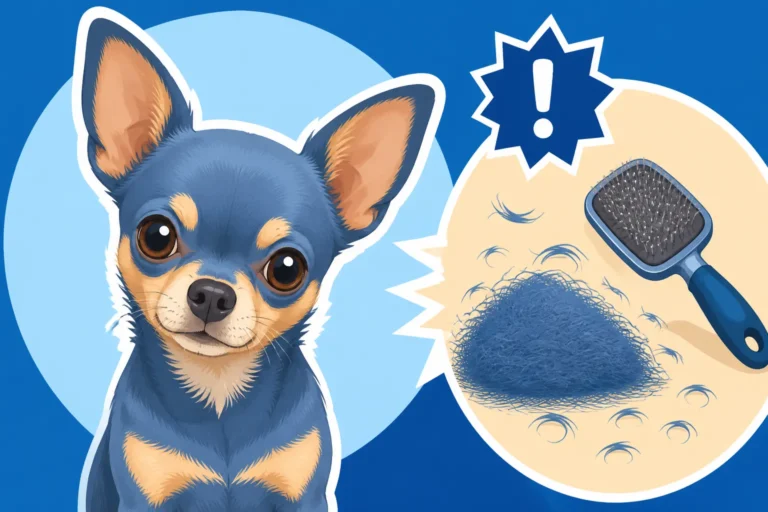
Another color that sometimes falls into this "rare" category is blue. Blue Chihuahuas are essentially black Chihuahuas with a dilute gene, giving their coat a silvery, grayish-blue hue. Again, very beautiful! However, this dilute gene can, in some cases, be linked to a condition called Color Dilution Alopecia (CDA). Dogs with CDA might experience thinning hair, bald patches, and chronic skin issues. While not every blue Chihuahua will develop CDA, it's a known risk factor that responsible breeders should be aware of and screen for. You can learn more about Blue Chihuahuas and the Coat Problem That Follows. A breeder selling a "rare" blue Chihuahua at an inflated price, but who can't speak confidently about their understanding of CDA or provide health clearances related to skin conditions in their lines, is not prioritizing the health of their puppies.
Why Color-Based Pricing Can Be Misleading and Dangerous
The thought of owning a Chihuahua with a unique coat color can be incredibly tempting, and some breeders leverage this desire to charge significantly more. However, focusing solely on color when making your purchasing decision can lead you down a path that prioritizes aesthetics over the long-term health and well-being of your future companion. This can be misleading and, frankly, dangerous for the puppy.
The Upside-Down Economics of "Rare" Colors
In a truly ethical breeding program, "rarity" in color often doesn't dramatically inflate the price unless that rarity is tied to exceptional health, proven lineage, or extensive titles, which is almost never the case with a simple coat color. Instead, what you often see is an upside-down economic model where the most appealing "rare" colors, especially those linked to potential health issues, are priced highest. This creates an incentive for less scrupulous breeders to prioritize producing these flashy colors, often at the expense of proper health testing and genetic screening.
Imagine finding two Chihuahua puppies. One is a standard fawn color, and the breeder has a detailed health guarantee, genetic clearances for both parents, a strong history of healthy dogs, and openly discusses temperament and socialization. The other is a stunning merle, priced much higher, but the breeder seems vague about health testing, can't provide extensive pedigree information, and only highlights the "exotic" color. Which one is truly worth more in the long run? The fawn puppy, despite its common color, represents a much more responsible investment in a healthy, happy future. Buying a puppy purely based on a "rare" color from a breeder who doesn't prioritize health is essentially gambling with a living being's welfare. It's often where you find Chihuahua Puppy Prices From a Backyard Breeder, which come with their own set of risks. The initial cost might just be the tip of the iceberg when it comes to future veterinary expenses.
The Hidden Costs of Health Risks Associated with Certain Colors
As mentioned, some "rare" colors, particularly merle, carry inherent genetic risks. If you buy a merle Chihuahua that hasn't been carefully bred and screened, you could be setting yourself up for a lifetime of heartache and significant financial strain. Think about the costs associated with caring for a deaf dog, for instance. While completely manageable, it requires extra training, safety precautions, and potentially specialized equipment. Vision impairments, from mild to severe, also demand dedicated care and can incur substantial veterinary bills.
| Color Type | Typical Appearance | Potential Health Concerns (If Irresponsibly Bred) | Impact on Price (Often Misleading) |
|---|---|---|---|
| Standard Colors | Fawn, Black & Tan, Cream, Red, etc. | Generally none specific to color | Reflects breeder care & health |
| Blue (Dilute) | Grayish-blue coat | Color Dilution Alopecia (CDA) | Often inflated as "rare" |
| Merle | Mottled, patched coat | Deafness, blindness, eye defects | Significantly inflated as "rare" |
These aren't just minor inconveniences; they are serious conditions that impact a dog's quality of life and your wallet. You might pay $1,000 more for a "rare" merle puppy upfront, only to spend thousands more down the line on specialized vet visits, medications, and assistive devices. This makes the initial price premium seem small in comparison. When you consider that Chihuahua Dental Bills as the Biggest Recurring Cost can already run into hundreds or even over a thousand dollars annually for any Chihuahua, adding a genetic predisposition to other major health problems can quickly lead to overwhelming expenses. This isn't to say all merle or blue Chihuahuas are unhealthy, but it highlights the critical need for a breeder to prioritize health over color. A responsible breeder will be transparent about these risks and actively work to mitigate them through careful genetic selection and testing.
What Should Influence a Chihuahua's Price (It's Not Just Color!)
When you're looking for a Chihuahua, whether you're dreaming of a tiny companion for your apartment or a show prospect, understanding what truly justifies a puppy's price is paramount. It's about investing in a healthy, well-adjusted dog that will bring joy for years to come, not just a fleeting aesthetic. Forget the color; let's talk about what really matters.
Health Testing, Pedigree, and Breeder Reputation
This is, without a doubt, the number one factor that should influence the price of a Chihuahua puppy. A responsible breeder invests significant time, effort, and money into ensuring their breeding dogs are healthy and free from common genetic conditions. This includes extensive health testing, not just a quick vet check. For Chihuahuas, this means screening for conditions like patellar luxation (slipping kneecaps) and heart disease. Look for breeders who can provide proof of these clearances for both parents, often from organizations like the Orthopedic Foundation for Animals (OFA) for knees and hearts. Understanding Chihuahua Patella Certification Before Breeding and Cardiac and Eye Clearances on a Chihuahua Parent is crucial.
The breeder’s reputation is also incredibly important. Do they have a long-standing history of producing healthy, happy dogs? Are they transparent about their breeding practices, openly sharing information about their dogs' health, temperaments, and living conditions? A reputable breeder will welcome questions, invite you to meet the puppy's parents (or at least the mother), and provide ongoing support after you take your puppy home. They often have waiting lists, which is a good sign, as it indicates demand for their quality dogs. Their prices reflect the true cost of responsible breeding: high-quality food, proper veterinary care for the mother and puppies, genetic testing, socialization efforts, and ongoing education. They can even provide you with The Patella and Cardiac Papers on a Chihuahua Litter. You might pay a bit more upfront for a puppy from such a breeder, but you're paying for peace of mind and significantly reducing the likelihood of expensive health problems down the road.
Conformation, Temperament, and Socialization Efforts
Beyond health, a puppy's physical structure, or conformation, plays a role in its long-term well-being. A Chihuahua bred to the standard should have a sturdy, well-balanced body that supports its small frame. This isn't just about looks; good conformation can prevent future orthopedic issues. The breed standard, which includes guidelines like The Six Pound Limit in the Chihuahua Standard, helps breeders strive for dogs that are not only beautiful but structurally sound. Overly tiny or poorly conformed "teacup" Chihuahuas, for instance, often face more health challenges.
Just as vital as health and conformation is temperament. A well-bred Chihuahua should be confident, curious, and friendly, not overly fearful or aggressive. Temperament is heavily influenced by genetics, but also by early socialization. A responsible breeder puts immense effort into socializing their puppies from birth, exposing them to various sights, sounds, people, and gentle handling. This sets the foundation for a well-adjusted adult dog that can navigate the world with confidence. Think about The Chihuahua Puppy Curriculum Month by Month; a breeder following this kind of plan is investing in your puppy's mental and emotional health. This early work helps prevent common behavioral issues like excessive fear or reactivity, which can be challenging to manage later on.
When you weigh all these factors – comprehensive health testing, a verifiable pedigree, a breeder's stellar reputation, sound conformation, and dedicated socialization efforts – against a single coat color, the choice becomes clear. These are the elements that contribute to a Chihuahua's true value and the happiness it will bring to your home. While you're getting ready for your new puppy, remember to stock up on all the essentials, like food, toys, and a cozy bed, which you can easily find on sites like Chewy. You'll want to be prepared to give your little one the best start, regardless of what color its beautiful coat happens to be. Chewy often carries specialized diets for puppies and adult Chihuahuas, should your vet recommend them. Plus, for those daily dental care routines that are so important for Chihuahuas, Chewy has a wide selection of tiny toothbrushes and dental chews.
Ultimately, a Chihuahua's color is purely aesthetic. It's a matter of personal preference. What truly matters is the ethical foundation of its breeding, its health, and its readiness to become a loving member of your family. Don't let a "rare" color convince you to overlook these critical considerations.
Disclaimer
This article is for general informational purposes only and does not constitute professional advice. Laws, prices and regulations vary by location and change over time. Consult a qualified professional for guidance on your specific situation.