What Separates a Chihuahua Breeder From a Seller
It’s easy to get confused when you start looking for a Chihuahua puppy. You’ll see listings everywhere – online marketplaces, local classifieds, social media groups, and even physical pet stores. But there’s a massive, crucial difference between a responsible Chihuahua breeder and someone who is simply a seller, and understanding this distinction can save you years of heartbreak, unexpected vet bills, and the profound sadness of a sick puppy. This guide is here to walk you through the key indicators that separate the dedicated, ethical breeder from someone just looking to make a quick buck off an adorable toy breed.
The Core Difference: Responsibility and Intent
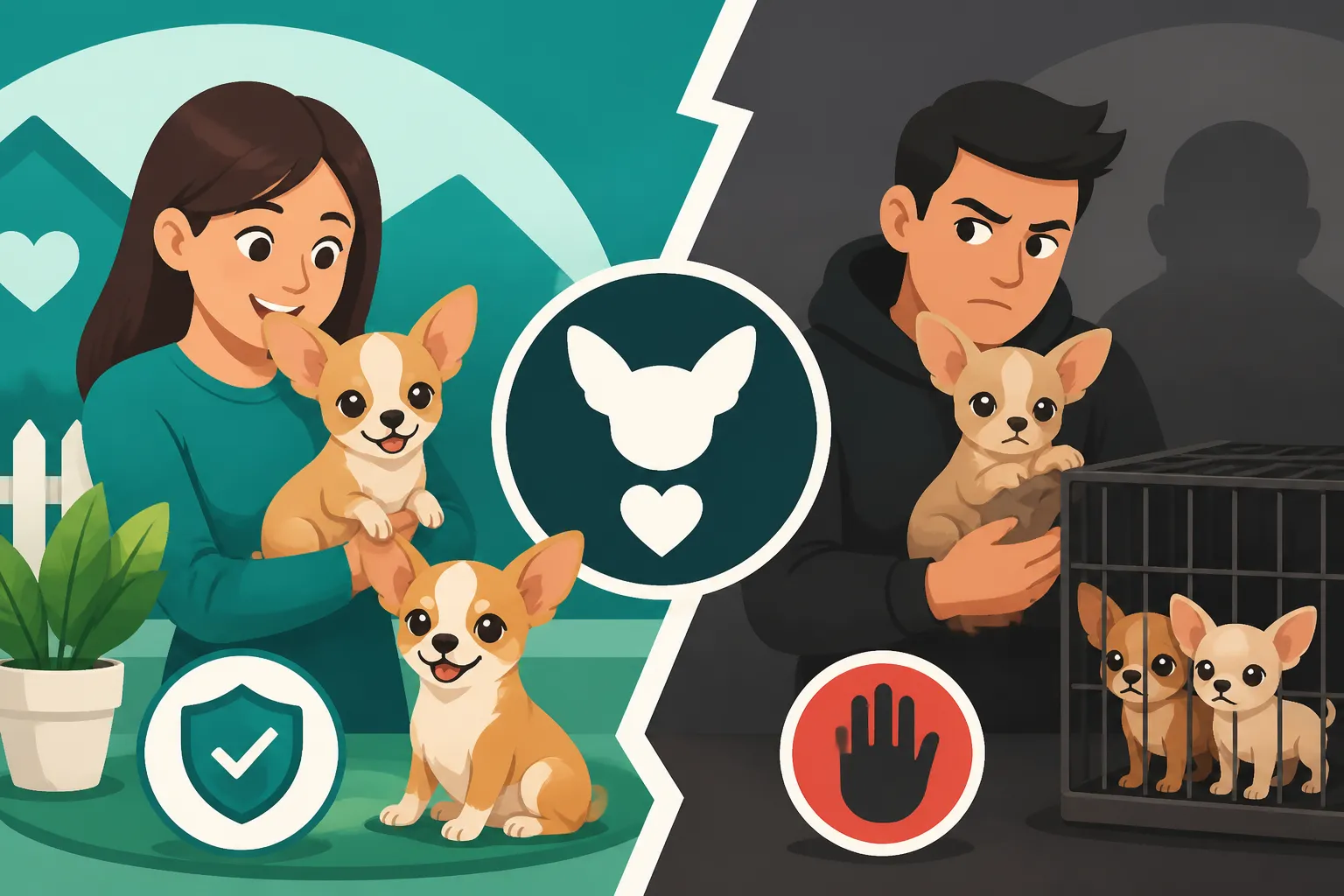
When you're searching for a furry family member, it’s natural to be drawn to the cutest face or the most convenient option. However, the path your puppy takes to get to you tells you everything about the health, temperament, and future well-being you can expect. A true breeder sees themselves as a steward of the breed, while a seller often views puppies as a commodity.
Breeding for the Future vs. Selling for Profit
A responsible Chihuahua breeder has a deep, abiding love for the breed. Their primary goal isn't just to make money; it's to improve the breed, maintain its health standards, and ensure that each puppy finds a suitable, loving home. They spend years studying genetics, understanding the Chihuahua Lifespan and Why the Breed Reaches Sixteen, and working to produce Chihuahuas that are healthy, well-tempered, and conform to the breed standard. They invest significant time, money, and emotional energy into their dogs. Their decisions are based on the health and future of the litter, not simply on how many puppies they can produce or how quickly they can sell them.
On the other hand, a seller's motivation is often purely commercial. They might buy puppies from various sources, sometimes even from disreputable puppy mills, and then sell them to the public with little to no knowledge of the puppy's background, health, or genetic predispositions. Their focus is on high turnover and maximizing profit margins. They won't be concerned with where the puppy goes long-term or how it impacts the breed as a whole. They are simply moving inventory.
The Investment of Time, Money, and Heart
Consider the sheer scale of investment a reputable breeder makes. They dedicate countless hours to researching pedigrees, health testing parent dogs, and meticulously planning litters. The pregnancy itself requires careful monitoring, sometimes including specialized veterinary care, and the whelping process often means sleepless nights. After the puppies arrive, there’s an intensive period of around-the-clock care, early socialization, and health checks. This includes proper nutrition for the mother and pups, vaccinations, deworming, and ensuring a clean, safe environment.
This deep investment isn't just about money, although the financial outlay for health clearances, quality food, veterinary care, and proper facilities is substantial. It's about a profound commitment to each individual puppy. A good breeder will know each puppy's personality intimately, understanding their quirks, energy levels, and even their preferred cuddles. A seller, particularly one with multiple breeds or a high volume of puppies, simply cannot offer this level of personal involvement or oversight. They often can't tell you anything specific about the puppy's parents beyond perhaps a picture, and they certainly won't know the intricate details of its early development.
What a Reputable Chihuahua Breeder Does
The hallmark of a responsible breeder is transparency, dedication to health, and a commitment to the well-being of their dogs long after they leave for their new homes. They are a resource, not just a transaction.
Health Testing and Genetic Screening
This is perhaps the single biggest differentiator. Chihuahuas, despite being generally long-lived, are prone to certain genetic health conditions due to their small size and distinct features. A responsible breeder will proactively screen their breeding dogs for these issues to minimize the chances of passing them on to puppies. This isn't a cheap or quick process, but it's vital.
Common health tests for Chihuahuas include:
- Patellar Luxation (Knee Caps): Many Chihuahuas are prone to slipping kneecaps. Reputable breeders will have their breeding dogs certified clear by the Orthopedic Foundation for Animals (OFA) or similar registries. This involves a vet checking the knees for stability. You should always ask for documentation of Chihuahua Patella Certification Before Breeding.
- Cardiac Issues (Heart): Heart problems, particularly mitral valve disease, can affect Chihuahuas as they age. Breeders should have their dogs screened by a board-certified veterinary cardiologist. You can ask for The Patella and Cardiac Papers on a Chihuahua Litter.
- Eye Conditions: Certain eye conditions can be hereditary. Ophthalmic exams by a veterinary ophthalmologist can help identify issues.
- Hydrocephalus: This condition, often associated with the "apple head" skull, can be a serious issue. While a specific DNA test isn't common, breeders are aware of it and observe their lines carefully. You can ask Whether a Chihuahua Breeder Screens for Hydrocephalus.
- Dental Health: While almost all Chihuahuas will face dental issues, a good breeder will ensure their lines have good jaw structure and educate buyers on preventing Chihuahua Dental Disease in a Crowded Small Jaw.
A seller, on the other hand, will rarely, if ever, perform these tests. They might tell you the parents are "healthy," but without official certifications and documentation, those are just empty words. The cost of these tests is significant, and skipping them dramatically reduces their overhead, allowing them to sell puppies at a lower initial price, but potentially costing the new owner far more in vet bills down the line. If a seller can't provide verifiable health clearances for both parents, walk away. This also applies to general health checks like fecal tests and initial vaccinations—a breeder will ensure these are done by a licensed vet, not just a friend with a needle.
Understanding the Breed Standard and Temperament
A dedicated breeder doesn’t just breed two Chihuahuas; they breed two Chihuahuas with specific goals in mind. They strive to produce puppies that not only meet the physical characteristics of the breed standard (size, ear set, coat type, structure) but also possess the desired temperament. They understand the nuances of Chihuahua Temperament and What the Standard Asks For, aiming for a confident, alert, and friendly dog, rather than one that is overly timid or aggressive due to poor breeding choices.
They carefully select breeding pairs to complement each other, addressing any minor faults in one parent with strengths in the other. They track their dogs' lineage, often going back many generations, to avoid known health problems or undesirable traits. This depth of knowledge about their dogs’ ancestors is something no casual seller can offer. They'll also be transparent about the potential for certain traits, like whether a specific line tends to be more outgoing or reserved.
Providing Early Socialization and Care
The first weeks of a puppy's life are critical for their development and future behavior. A reputable breeder understands this deeply and provides an environment rich with appropriate stimuli. This means:
- Safe and Clean Environment: Puppies are raised indoors, typically within the breeder's home, exposed to normal household sights and sounds in a clean, warm, and secure space.
- Early Neurological Stimulation (ENS): Many breeders utilize programs like ENS to give puppies a head start in coping with stress and developing neurological pathways.
- Socialization: Puppies are regularly handled by various people, exposed to different gentle sounds, textures, and age-appropriate interactions. They are often introduced to other vaccinated, calm adult dogs to learn canine social cues. This helps prevent issues like Chihuahua Fear Reactivity, the Breed's Real Problem later on.
- Weaning and Potty Training Start: Puppies are slowly weaned onto high-quality solid food and begin the basics of potty training, often using pee pads or a designated outdoor area, making the transition to their new home much smoother.
- Health Records: They will provide a detailed health record including vaccination dates, deworming schedule, and any veterinary checks. This record is crucial for your vet.
A seller, particularly one who sources puppies from commercial kennels or mills, offers none of this. Puppies from these sources are often raised in overcrowded, unsanitary conditions, with minimal human interaction or environmental enrichment. This early neglect can lead to lifelong behavioral problems, severe fear issues, and compromised immune systems.
Understanding Different Types of Chihuahua Sellers
While the term "breeder" often implies responsibility, not everyone who breeds dogs fits the bill. It's crucial to distinguish reputable breeders from various types of sellers who may operate under different pretenses.
The Backyard Breeder: Uninformed Intentions
Backyard breeders are often well-intentioned pet owners who decide to breed their Chihuahua, usually without extensive knowledge of genetics, health testing, or breed standards. They might think it would be "fun" to have a litter, or they want to make some extra money, or they mistakenly believe their dog needs to have puppies once. While they might love their own pets, their lack of expertise often leads to problems.
- Lack of Health Testing: They typically skip the crucial health screenings mentioned above, not understanding their importance or the cost involved. This means you have no guarantee that your puppy is free from inheritable conditions like luxating patellas or heart issues.
- Limited Genetic Knowledge: They often don't understand pedigrees, line breeding, or how to avoid potential genetic pitfalls. They might breed two dogs simply because they are both Chihuahuas, without considering how their individual traits will combine.
- Poor Socialization: Puppies might be raised in a family home, which is a good start, but they might not receive the structured socialization necessary to develop into well-adjusted adults. They might also be separated from their littermates and mother too early.
- No Contracts or Guarantees: Beyond a basic receipt, backyard breeders rarely offer comprehensive contracts or health guarantees, leaving buyers with little recourse if problems arise.
- Unfamiliarity with The Health Tests a Chihuahua Breeder Should Run: They often aren't even aware these tests exist or why they're important, which highlights their lack of education on responsible breeding practices.
While a backyard breeder might seem more accessible or offer a lower price, the long-term risks to the puppy's health and your wallet are substantial.
Pet Stores and Brokers: The Middlemen
Pet stores, especially those selling puppies, typically function as middlemen. They don't breed the dogs themselves; they acquire them from various sources, often from large-scale commercial breeding operations, commonly known as puppy mills. The adorable puppy in the window might have traveled hundreds or even thousands of miles to get there.
- Unknown Origins: Pet store staff rarely know the parents of the puppies they sell, let alone their health clearances or genetic history. They cannot answer detailed questions about the puppy's lineage or early upbringing.
- Increased Risk of Illness: Puppies from commercial breeding facilities are often housed in crowded conditions, making them more susceptible to illnesses like kennel cough, giardia, and parvovirus. Shipping stress further compromises their immune systems.
- Lack of Socialization: Puppies are often removed from their mothers too early and kept in small, sterile cages, depriving them of critical early socialization experiences. This can lead to significant behavioral problems, including fear, anxiety, and aggression.
- High Markups: Despite the often questionable origins, pet store puppies frequently come with a hefty price tag, reflecting the various intermediaries and the store's overhead. They often list prices that are comparable to, or even higher than, what you'd pay a reputable breeder.
- Misleading Information: They might make claims about "teacup" Chihuahuas or rare colors to justify higher prices, without educating buyers on Why Teacup Chihuahua Is Not a Real Size and why such terms are often associated with irresponsible breeding.
- No Ongoing Support: Once you take the puppy home, the pet store's responsibility ends. They won't offer guidance on training, health issues, or anything beyond the initial sale.
While pet stores might seem convenient, they perpetuate the cycle of irresponsible breeding by creating a market for mass-produced puppies.
The Reality of Puppy Mills
Puppy mills are commercial breeding facilities that prioritize profit over the health and welfare of their animals. They are the most egregious form of irresponsible selling, and sadly, many pet store puppies originate from these places.
- Deplorable Conditions: Dogs are kept in cramped, unsanitary cages, often without adequate food, water, veterinary care, or human interaction. They rarely touch grass or see sunlight.
- Constant Breeding: Female dogs are bred repeatedly, often from a young age and into old age, with little to no recovery time between litters. Their sole purpose is to produce puppies.
- Lack of Health Care: Parent dogs receive minimal to no veterinary care. Puppies are often born with congenital defects or contract illnesses due to poor sanitation and stress. Issues like Chihuahua Hypoglycemia and the Puppy Emergency can be exacerbated in these environments due to poor nutrition and stress.
- Genetic Problems: With no health testing or careful breeding practices, genetic diseases are rampant. Puppies are often sold with predispositions to lifelong health problems.
- Behavioral Issues: The lack of socialization, enrichment, and humane treatment results in dogs that are often fearful, anxious, undersocialized, and difficult to train.
- False Advertising: Puppy mills often sell through online brokers, pet stores, or seemingly legitimate websites, using attractive photos and misleading descriptions to hide the true origins of the puppies. The Signs of a Chihuahua Mill Listing often include multiple breeds for sale, immediate availability, and no opportunity to meet the parent dogs or see the facility.
Supporting a puppy mill, even indirectly through a pet store, fuels a cruel industry. Always avoid any source that prevents you from visiting the breeding facility and meeting the mother dog.
| Feature | Reputable Chihuahua Breeder | Backyard Breeder | Pet Store/Broker | Puppy Mill |
|---|---|---|---|---|
| Primary Goal | Breed improvement, health, temperament, finding good homes | "Having puppies," making some money | Selling inventory, profit margin | Mass production for profit, minimal care |
| Health Testing | Extensive, documented (OFA, cardiologist, eye exams) | Rarely, if ever, done | Unknown, unlikely for source dogs | None for breeding dogs, minimal for puppies |
| Knowledge of Breed | Deep understanding of standard, genetics, health issues | Limited, often anecdotal | Varies by staff, but limited on individual puppy | Minimal, focused on quantity |
| Environment for Puppies | Clean, stimulating home environment, socialized | Home environment, but often lacks structured enrichment | Sterile, small display cages | Cramped, unsanitary, minimal socialization |
| Parent Access | Always allows meeting the mother, sometimes the father | Usually allows meeting mother | Never allows meeting parents or visiting facility | Never allows meeting parents or visiting facility |
| Contracts/Guarantees | Comprehensive health guarantee, spay/neuter contract | Basic receipt, few guarantees | Sometimes store guarantee (limited scope) | None, or unenforceable |
| Ongoing Support | Lifelong resource for questions and advice | Varies, usually limited | None after sale | None |
| Screening of Buyers | Thorough interview process to ensure good fit | Less rigorous, often first-come, first-served | None, focused on ability to pay | None |
| Transparency | Open about practices, health, lineage | Often evasive about details | Limited by knowledge, often misleading | Intentional deception |
The Breeder-Buyer Relationship: Support and Commitment
A key indicator of a good breeder isn't just what happens before you take the puppy home, but what happens after. They are invested in the puppy's entire life.
Contracts, Guarantees, and Return Policies
A reputable Chihuahua breeder will always have a comprehensive contract. This isn't just paperwork; it’s a commitment from both sides. This contract typically includes:
- Health Guarantee: This often covers genetic health issues for a certain period, usually the first year or two of the puppy's life. It might specify a refund or replacement if a serious genetic condition is found.
- Spay/Neuter Agreement: Most pet-quality puppies are sold with a spay/neuter clause, requiring you to sterilize the dog by a certain age to prevent unplanned litters and maintain breed integrity.
- Return Policy: A responsible breeder will always, always take a dog back at any point in its life if the owner can no longer care for it. This is a non-negotiable ethical standard, ensuring their dogs never end up in shelters.
- Specific Terms: Details about registration, microchipping, and required veterinary care might also be outlined.
Sellers, especially those from puppy mills or pet stores, rarely offer such comprehensive agreements. Their "guarantees" are often limited to a few days for infectious diseases, and they certainly won't take the dog back years down the line. This places all the burden and risk on the new owner.
Lifelong Support and Resources
Imagine having a direct line to someone who knows your Chihuahua’s lineage better than anyone else. That’s what a good breeder offers. They become a mentor, a resource, and often a friend. If you have questions about Chihuahua House Training with a Tiny Bladder, feeding, or even a sudden behavior change, your breeder is often the first person you can call. They have a vested interest in the puppy thriving because it reflects on their breeding program and their reputation.
This ongoing support can include:
- Training Advice: Recommendations for appropriate training methods, classes, or even specific trainers who understand toy breeds. They might even encourage you to pursue training, knowing that real obedience training is vital for a well-adjusted dog.
- Nutritional Guidance: Specific advice on what to feed, how much, and what to watch out for, especially with a breed prone to Chihuahua Hypoglycemia in the First Twelve Weeks.
- Health Information: Insights into potential health issues in their lines, advice on finding a good vet, and understanding typical Chihuahua health concerns like Chihuahua Heart Disease as the Breed Ages.
- Community: They might connect you with other owners of their puppies, creating a support network.
Sellers, once the transaction is complete, typically offer no such support. You're on your own, left to navigate the challenges of puppy ownership without expert guidance. This can be especially daunting for first-time dog owners. While resources like Chewy offer fantastic products and sometimes even veterinary help lines, they can't replace the deep, personalized knowledge of a dedicated breeder.
The Interview Process and Why It Matters
A responsible breeder doesn’t just sell to anyone with cash. They interview prospective buyers rigorously. They want to know about your living situation, your experience with dogs, your lifestyle, and your expectations for a Chihuahua. They might ask Questions Worth Asking a Chihuahua Breeder in return, demonstrating their commitment to finding the perfect match. This isn't about being judgmental; it's about ensuring their precious puppies go to homes where they will be loved, well-cared for, and thrive.
They want to ensure you understand the specific needs of a Chihuahua – their delicate structure, their need for warmth, their potential for barking, and their fierce loyalty. They might even put you on a waiting list because they breed infrequently and carefully. This process can feel intrusive, but it’s a strong sign of their dedication. They are essentially vetting you as much as you are vetting them.
A seller, in contrast, rarely asks more than how you plan to pay. They want a quick sale and are not concerned with whether you are truly prepared for a Chihuahua.
Red Flags to Watch Out For
Knowing what a reputable breeder does is helpful, but it's equally important to recognize the signs of a problematic seller. Trust your gut feeling; if something seems off, it probably is.
No Health Records or Parent Information
This is a deal-breaker. If a seller cannot provide clear, verifiable health certifications for the parents (not just a vet check for the puppy), or if they can't tell you about the health history of the lineage, walk away. They should be able to show you documents from organizations like the OFA for patellas and cardiac clearances. If they claim their dogs are "healthy" but have no paperwork, they are either uninformed or hiding something.
Similarly, if you cannot meet the mother dog (and ideally the father, if he's on-site), that's a huge red flag. The mother’s temperament and living conditions are crucial indicators of how the puppies were raised. A seller who insists on meeting you in a public place like a park or parking lot, or brings the puppy to you without letting you see where it was raised, is likely trying to hide substandard conditions.
Pressure to Buy and Lack of Transparency
A good breeder will take their time. They will answer all your questions thoroughly, encourage you to ask more, and often require a thoughtful application process. They won't pressure you to make an immediate decision. In fact, if they have immediate availability for multiple puppies all the time, that's a warning sign of a high-volume operation.
A seller, however, might try to rush the sale. They might say there are other buyers interested, or that the price is only good for today. They might be evasive about details or provide vague answers. Transparency is key: a reputable breeder will be open about their practices, their facilities, and any potential challenges in their lines. A seller with something to hide will be guarded and defensive. Watch out for listings that seem too good to be true, like unbelievably low prices or promises of "perfect" or "rare" Chihuahuas without any proof of health. Be especially wary if they want cash-only transactions without any formal contract or paper trail.
Unrealistic Claims and "Teacup" Terminology
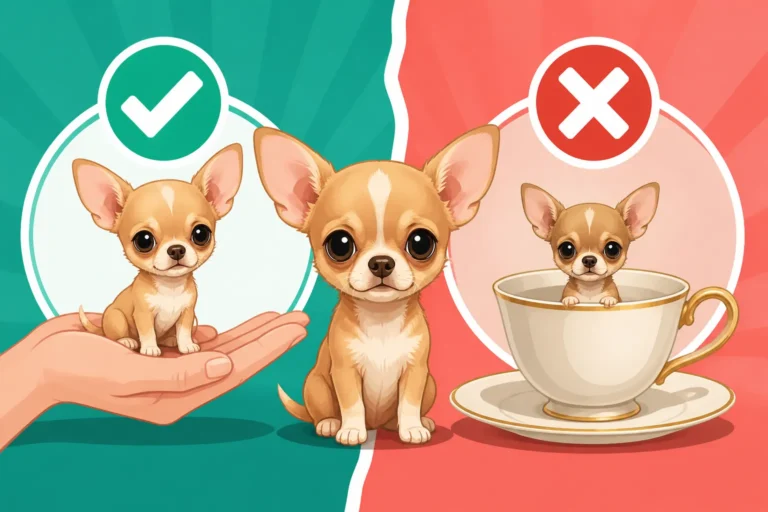
Be highly suspicious of any seller advertising "teacup Chihuahuas" or guaranteeing an adult weight of two or three pounds. As discussed in Why Teacup Chihuahua Is Not a Real Size, "teacup" is not a recognized breed size; it's a marketing term used to describe undersized or runty Chihuahuas, which are often prone to severe health problems like hypoglycemia, fragile bones, and organ issues. Responsible breeders prioritize health and breed to the AKC standard, which specifies a weight of typically under six pounds, with four to six pounds often being considered ideal for health and longevity.
Any seller pushing these "teacup" labels is likely prioritizing extreme smallness over health, which is a major red flag for unethical breeding practices. They may even inflate prices for these "rare" tiny dogs. Focus on breeders who talk about healthy weight ranges and who are committed to the breed standard, rather than chasing extreme size.
Disclaimer
This article is for general informational purposes only and does not constitute professional advice. Laws, prices and regulations vary by location and change over time. Consult a qualified professional for guidance on your specific situation.