Whether a Chihuahua Breeder Screens for Hydrocephalus
Bringing a new Chihuahua puppy home is an incredibly exciting time, but the joy can quickly turn to worry when you start researching potential health issues. One concern that often looms large for Chihuahua owners, especially those new to the breed, is hydrocephalus—a scary-sounding condition that can significantly impact a puppy's quality of life. Understanding what this means for your tiny companion and whether a breeder has taken the necessary steps to prevent it is crucial, and this guide will walk you through exactly what you need to know.
Understanding Hydrocephalus in Chihuahuas
When we talk about hydrocephalus, it often conjures up images of severely affected puppies, and it's certainly a condition that demands attention. But what exactly is it, and why does it seem to be more prevalent in breeds like the Chihuahua? It's not just a big word; it's a real medical challenge that can impact these tiny dogs profoundly.
What Exactly Is Hydrocephalus?
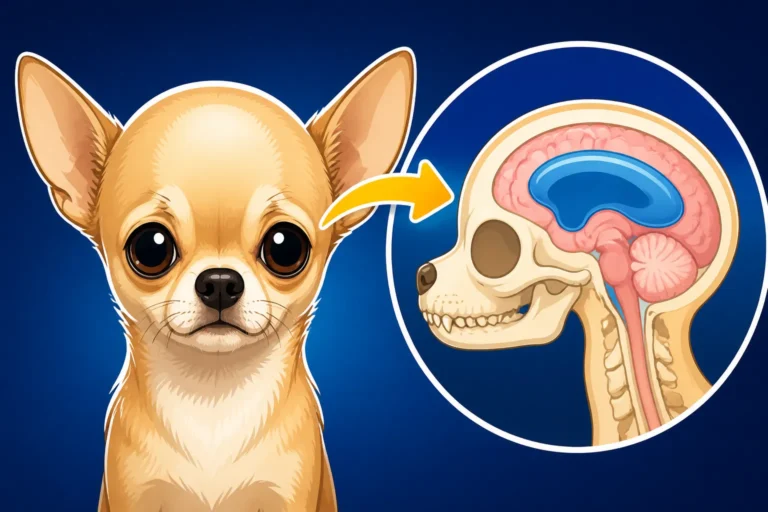
At its heart, hydrocephalus is a condition where there's an abnormal accumulation of cerebrospinal fluid (CSF) within the brain's ventricles, which are essentially fluid-filled spaces deep inside the brain. Think of it like this: your brain is cushioned by this fluid, which flows, provides nutrients, and removes waste. Normally, it's produced, circulated, and then reabsorbed in a continuous cycle. With hydrocephalus, something goes wrong in this delicate balance. Either too much fluid is produced, its flow is blocked, or it's not absorbed properly, leading to a buildup that puts pressure on the brain tissue.
In Chihuahuas, this is often a congenital condition, meaning a puppy is born with it. This is typically due to a structural abnormality in the brain or skull development. Given that Chihuahuas are known for their distinctive "apple head" shape and often have a The Chihuahua Molera and What a Soft Spot Means, which is an open fontanelle, their unique skull development can sometimes contribute to this issue. The pressure from excess fluid can damage brain tissue, leading to a range of neurological problems that can manifest as subtle quirks or severe disabilities. It's a condition that truly speaks to the delicate nature of these tiny creatures.
Recognising the Signs in a Chihuahua Puppy
Spotting hydrocephalus isn't always obvious in the very first weeks, but there are definitely signs that should make any prospective owner or breeder take notice. The symptoms often depend on the severity of the fluid buildup and the age of the puppy. In young puppies, a prominent, domed head (which can sometimes be mistaken for a desirable "apple head" trait, but is actually disproportionately large) is a classic indicator. You might also notice a wide-open soft spot, or molera, that seems unusually large or doesn't close as expected. This is why understanding When a Chihuahua Soft Spot Should Worry You is so important.
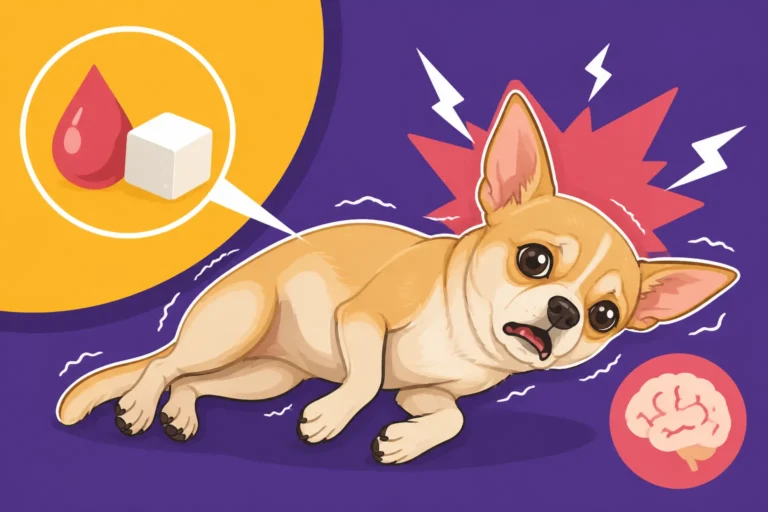
Beyond physical appearance, neurological signs are key. Affected puppies might seem slow to develop compared to their littermates. They could struggle with coordination, appearing clumsy or stumbling frequently. You might observe them A Chihuahua Puppy Circling or Pressing Its Head against objects, or simply staring blankly. Seizures can also occur, though these can sometimes be confused with other conditions like severe hypoglycemia in tiny puppies. Behavioral changes such as unusual lethargy, difficulty learning basic commands, or persistent crying might also point to an underlying neurological issue. It's a heartbreaking situation for both the puppy and the owner, and recognizing these signs early can be critical for seeking veterinary care.
The Complexities of Screening for Hydrocephalus in Breeding Chihuahuas
It’s natural to assume that a responsible breeder would simply "screen" their dogs for hydrocephalus, ensuring no affected puppies are born. However, the reality is a bit more nuanced. Unlike some genetic conditions with clear DNA tests, hydrocephalus isn't always straightforward to predict or definitively screen for in breeding adults before they even produce a litter. This creates a significant challenge for even the most dedicated breeders.
Challenges in Pre-Breeding Screening
The biggest hurdle for breeders when it comes to hydrocephalus is the lack of a simple, definitive pre-breeding test for adult dogs. We don't have a blood test or a quick swab that can tell us if a healthy-looking adult Chihuahua carries a gene that might cause hydrocephalus in its offspring. Most cases in Chihuahuas are believed to be congenital and polygenic, meaning multiple genes, or a combination of genetic and environmental factors, contribute to its development. This makes genetic screening, in the traditional sense, incredibly difficult, if not impossible, at this point in veterinary science.
Furthermore, identifying carriers can be tricky. A dog might be a carrier and never show any symptoms itself, yet pass on the predisposition to its puppies. Breeders are largely reliant on the health history of their breeding lines—looking at the prevalence of the condition in ancestors, siblings, and previous offspring. This emphasizes the importance of transparency and long-term relationships within the breeding community, something many excellent breeders strive for. It's not like screening for something easily identifiable, such as Chihuahua Patella Certification Before Breeding, where a vet can physically examine the knee and assign a grade. The brain is far more complex.
What Responsible Chihuahua Breeders Should Do
Despite the challenges, responsible Chihuahua breeders do take steps to minimize the risk of hydrocephalus, even if direct pre-breeding screening isn't available. Their primary tool is careful selection and maintaining detailed health records. This means they should be thoroughly aware of the health history of their breeding dogs, looking back through pedigrees for any incidence of hydrocephalus or other neurological issues. If a particular pairing has produced affected puppies, a responsible breeder would ideally cease that specific breeding combination.
They also pay very close attention to their puppies from birth. They monitor for any Hydrocephalus Signs in a Chihuahua Puppy, such as an excessively large or abnormally shaped skull, gait abnormalities, or developmental delays. While a Chihuahua Molera and What a Soft Spot Means is normal in the breed, a breeder will know what constitutes an unusually large or slow-closing fontanelle that might indicate an issue like hydrocephalus or even Hydrocephalus in an Apple-Head Chihuahua. A responsible breeder will be upfront about any health concerns in their lines and transparent about the medical care they provide. They’ll also ensure their puppies receive appropriate early veterinary check-ups before going to new homes, where a vet might notice subtle signs that warrant further investigation. They truly embody the dedication needed to ensure the best possible start for every puppy.
Finding a Responsible Breeder Who Prioritises Health
When you're looking for a Chihuahua puppy, the sheer number of online listings can be overwhelming. It's easy to get swept up in cute pictures, but discerning a truly responsible breeder from someone just looking to make a quick sale is vital, especially when it comes to potentially serious conditions like hydrocephalus. You're not just buying a puppy; you're investing in a family member's health and future.
Questions to Ask About Hydrocephalus and General Health
Asking the right questions is your superpower when vetting a breeder. Don't be shy; a good breeder will appreciate your thoroughness. Start by directly asking about hydrocephalus. Inquire if they have ever had a puppy diagnosed with hydrocephalus in any of their litters, or if it appears in the pedigrees of their breeding dogs. While they can't "screen" for it definitively, they should know their lines. Ask about the health history of the sire and dam's parents, grandparents, and previous offspring. A breeder who can provide detailed, multi-generational health information is a big positive.
Beyond hydrocephalus, ask about other common Chihuahua health issues. Inquire about Chihuahua Patellar Luxation, the Chihuahua's Commonest Joint Problem, Chihuahua Dental Disease in a Crowded Small Jaw, and Chihuahua Heart Disease as the Breed Ages. A truly responsible breeder will readily share information about health clearances for these conditions, even if they can't for hydrocephalus specifically. They should be able to provide documentation, such as OFA (Orthopedic Foundation for Animals) or CERF (Canine Eye Registry Foundation) certifications for eyes and knees, on their breeding stock. Ask what their protocol is if a puppy develops an issue like hydrocephalus after going home – a good breeder will have a health guarantee and be willing to offer support. This due diligence is part of The Health Tests a Chihuahua Breeder Should Run to demonstrate their commitment to the breed.
Red Flags and Green Lights in Breeder Practices
Knowing what to look for, and what to avoid, can make all the difference.
Red Flags:
- No Health Information: A breeder who can't or won't discuss health testing or the prevalence of health issues in their lines is a major warning sign.
- "Teacup" Marketing: Be extremely wary of anyone advertising "teacup Chihuahuas" at inflated prices, as this often indicates irresponsible breeding for extreme smallness, which can exacerbate health problems like hydrocephalus or hypoglycemia. Remember, Why Teacup Chihuahua Is Not a Real Size.
- Multiple Breeds/Litters: A breeder with many different breeds or multiple litters available simultaneously might be a puppy mill or a high-volume commercial operation, less likely to provide individualized care and health monitoring.
- No Home Visits: Refusal to let you visit their home where the puppies are raised is a huge red flag. You should see the environment and interact with the parents if possible.
- Pushy Sales Tactics: High-pressure sales or demands for immediate deposits without proper vetting of you as an owner.
Green Lights:
- Transparency: Openly discussing both the good and potential challenges of the breed, including health.
- Health Clearances: Providing documentation for patellas, hearts, and eyes for their breeding dogs.
- Limited Litters: Focusing on a few well-planned litters a year, raising puppies in their home environment.
- Thorough Vetting of Buyers: A good breeder will ask you lots of questions to ensure their puppies go to suitable homes.
- Lifetime Support: Offering guidance and support for the lifetime of the dog, and a willingness to take a dog back if circumstances change.
- Veterinary Records: Providing complete veterinary records for the puppy, including initial vaccinations and deworming.
Choosing a breeder isn't just about finding the cutest puppy; it's about choosing a responsible partner who prioritizes health, temperament, and the well-being of the breed.
| Breeder Characteristic | Red Flag (Avoid) | Green Light (Seek Out) |
|---|---|---|
| Health Info | Vague answers, no health testing documentation | Openly discusses health, provides specific test results |
| Transparency | Hides health history, pushes "perfect" puppies | Shares challenges, honest about potential breed issues |
| Environment | Won't allow visits, meet in public places | Invites you to their home to meet parents and puppies |
| Puppy Availability | Always has puppies available, multiple breeds | Limited litters, sometimes has waiting lists, focuses on one or two breeds |
| Contract/Guarantee | No health guarantee, vague return policy | Written health guarantee, clear return/rehoming policy |
| Knowledge | Cannot answer specific breed or health questions | Deep knowledge of breed standard, health, and temperament |
Living With a Chihuahua Diagnosed With Hydrocephalus
Despite the best efforts of responsible breeders and careful vetting by owners, sometimes hydrocephalus can still occur or be diagnosed later in a Chihuahua's life. It's a daunting diagnosis, but it doesn't always mean a life sentence of suffering. Many Chihuahuas with hydrocephalus can lead happy, managed lives with the right care.
Diagnosis and Treatment Options
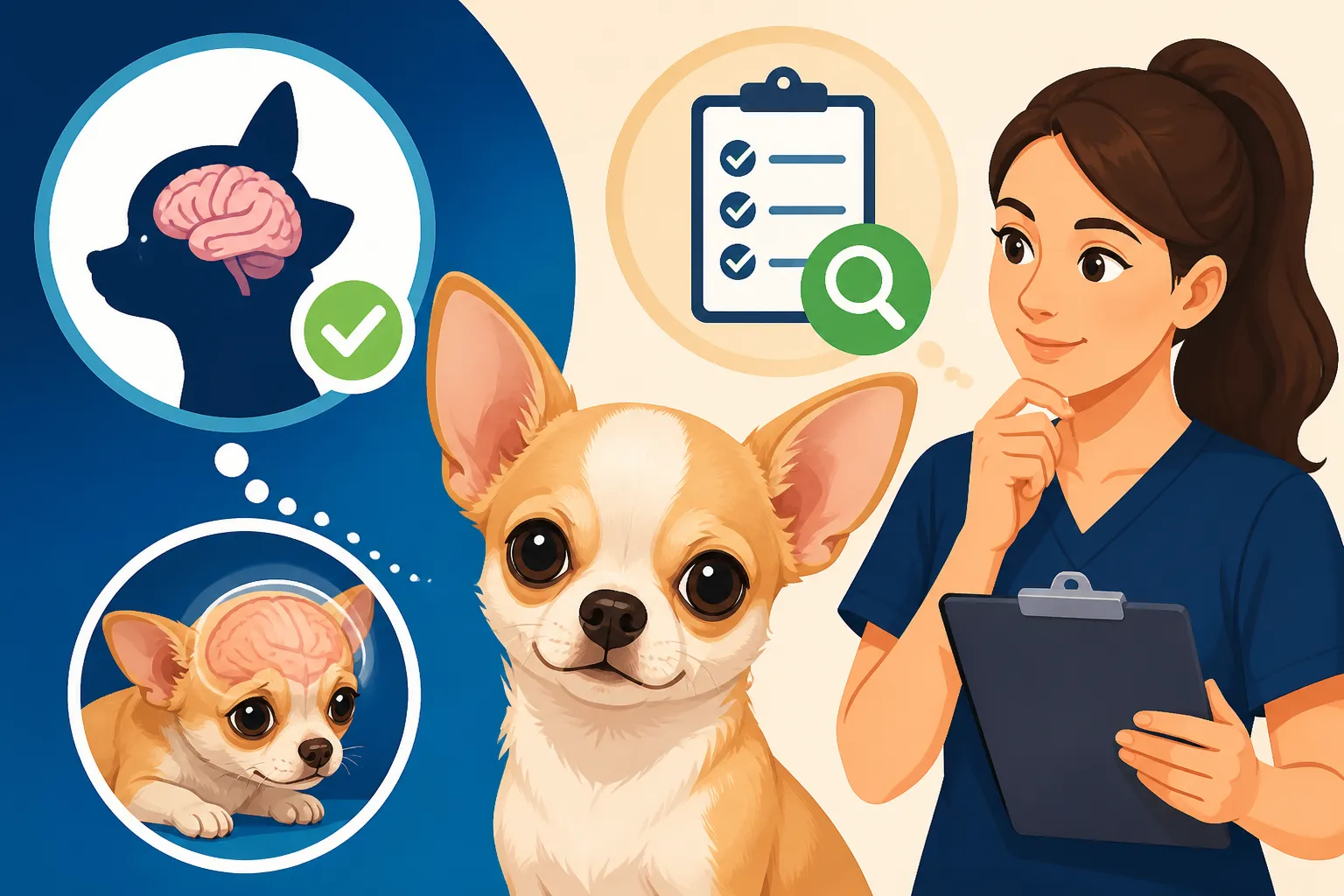
If you suspect your Chihuahua puppy (or even an older dog, as some cases can be acquired later due to trauma or other conditions) might have hydrocephalus, the first step is always a prompt veterinary visit. Your vet will perform a thorough neurological exam and likely recommend further diagnostics. The most definitive way to diagnose hydrocephalus is through advanced imaging, such as an MRI. MRI Diagnosis of Chihuahua Hydrocephalus provides detailed images of the brain and allows the veterinarian to assess the extent of fluid buildup and any associated brain damage. Sometimes, an ultrasound through an open fontanelle can provide an initial indication in very young puppies.
Once diagnosed, treatment options generally fall into two categories: medical and surgical. Medical management often involves medications like diuretics (e.g., furosemide) or corticosteroids (e.g., prednisone) to help reduce CSF production or inflammation, aiming to decrease pressure on the brain. This approach is usually tried first, especially in milder cases. If medical management isn't sufficient or the condition is severe, surgical intervention might be considered. The most common surgical procedure is the placement of a ventriculoperitoneal (VP) shunt. This is a delicate operation where a tiny tube is inserted into the brain's ventricles to drain excess CSF into the abdominal cavity, where it can be safely reabsorbed. It's a complex procedure, but for many, it offers the best chance at a significantly improved quality of life.
Managing Daily Life with a Special Needs Chihuahua
Living with a Chihuahua with hydrocephalus certainly presents unique challenges, but it's also incredibly rewarding. These dogs often have big personalities despite their medical hurdles. Management involves a holistic approach, encompassing medication, environmental adjustments, and a lot of patience and love. You'll work closely with your veterinarian, potentially a neurologist, to fine-tune medication dosages and monitor for any changes.
Environmental enrichment is key, but often needs modification. Because their brains might be compromised, these Chihuahuas can be more prone to seizures, so it's vital to know What to Do During a Chihuahua Seizure. Creating a safe, predictable environment free from excessive stimulation or potential hazards is crucial. For instance, ramps or steps can help prevent falls that could injure a fragile head or exacerbate neurological symptoms. They might require more frequent potty breaks if their bladder control is affected, making Indoor Toilets for a Chihuahua That Hates Rain a good option. Consistent routines are often very beneficial for dogs with neurological conditions. You might find that pet insurance, like a policy from Healthy Paws, can be a lifesaver when facing the potentially significant costs associated with diagnostics, medications, or even surgery for a condition like hydrocephalus. Planning ahead for these types of health challenges is simply part of being a responsible pet parent, and Healthy Paws can help alleviate some of that financial stress.
These special Chihuahuas may need extra enrichment and mental stimulation tailored to their abilities, often involving gentle puzzle toys or short, engaging training sessions using positive reinforcement. Their unique needs mean they might not be suitable for busy, chaotic households, thriving instead in calmer environments. While it requires dedication, the bond you can form with a special needs Chihuahua is truly profound, and they offer just as much love and companionship as any other dog. Considering how long these little dogs can live, sometimes up to Chihuahua Lifespan and Why the Breed Reaches Sixteen years, investing in their well-being truly matters.
Disclaimer
This article is for general informational purposes only and does not constitute professional advice. Laws, prices and regulations vary by location and change over time. Consult a qualified professional for guidance on your specific situation.