Why a Chihuahua Watches Everything
It's a common sight for Chihuahua owners: you glance over and there they are, eyes wide, ears perked, meticulously scanning their surroundings or intently fixed on a single, distant point. This constant vigilance can sometimes feel like an endearing quirk, but for many, it also brings up questions about why these tiny dogs seem to watch everything. This guide delves into the fascinating reasons behind your Chihuahua's watchful nature, helping you understand whether it's normal breed behavior, a sign of something deeper, or a combination of both.
The Roots of Vigilance: Chihuahua Instincts and History
When you see your Chihuahua intensely observing the world, you’re not just seeing a small dog; you’re witnessing centuries of instinct at play. These little dynamos carry a rich history, and many of their behaviors, including their keen observational skills, are deeply rooted in their past. It’s not just paranoia; it’s practically in their DNA.
A Legacy of Alertness: Ancient Ancestors
The ancestors of today's Chihuahuas, like the ancient Techichi dogs of Mesoamerica, weren't just decorative companions. While details are somewhat shrouded in history, it's believed these dogs played various roles, including being cherished companions and potentially even guard animals, albeit on a very small scale. Imagine living in ancient settlements where dangers could come from various sources – predators, unfamiliar people, or environmental shifts. A small, agile dog with sharp senses would have been invaluable as an early warning system. Their survival often depended on being acutely aware of their surroundings. This inherent need for situational awareness has been passed down through generations, meaning your little buddy probably views himself as the resident sentinel, regardless of how safe your living room is. This historical context helps explain why they often seem to take their observational duties so seriously. The Chihuahua From Techichi to American Lapdog offers more insights into their long lineage.
Terrier-Like Spirit in a Toy Package
Despite their delicate appearance, Chihuahuas often possess a spirit akin to much larger, more robust breeds – particularly terriers. The breed standard itself often highlights a "terrier-like" temperament, which includes being alert, lively, and intelligent. Terriers, by nature, were bred to hunt and dispatch small prey, requiring intense focus, quick reflexes, and an unwavering gaze. While your Chihuahua isn't likely to be digging for badgers in your backyard, that same intense focus translates into their everyday watching. They notice the slightest movement, the faintest sound, and every shift in human body language. This isn't just curiosity; it's an intrinsic part of their being, a finely tuned instrument of observation. It's why they can seem to know what you're thinking before you even open your mouth! The Terrier-Like Chihuahua Spirit the Standard Wants delves deeper into these personality traits.
Protective Instincts and Their Scale
Chihuahuas are renowned for forming incredibly strong bonds with their primary caregivers, often becoming fiercely devoted. This devotion frequently manifests as a protective instinct. Because they are so small, they cannot physically deter a threat like a Rottweiler might, but they compensate with their vocal cords and their intense observational skills. They watch everything because they are, in their minds, safeguarding their person and their territory. This means they'll track visitors, monitor sounds from outside, and keep a close eye on any perceived change in the household dynamic. For them, watching is an act of love and loyalty, a constant readiness to sound the alarm if their beloved human or home is threatened. It can be startling how quickly they go from a snuggly lap dog to a barking watch-dog at the sight of a leaf blowing past the window.
The World Through Small Eyes: Vulnerability and Sensory Input
Being a Chihuahua means navigating a world built for much larger creatures. Every sensory input, every movement, and every change in their environment can hold disproportionate significance when you are the size of a loaf of bread. This inherent vulnerability and heightened sensory experience profoundly influence why a Chihuahua watches everything.
The Disadvantage of Tiny Size
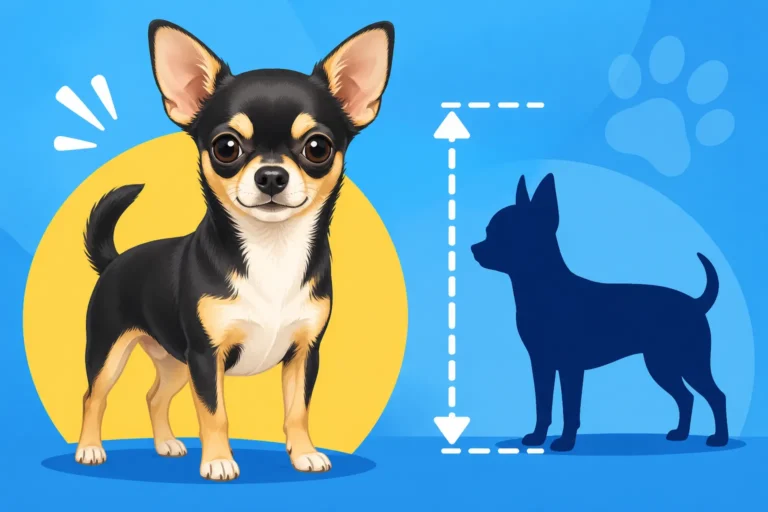
Imagine living in a world where everything around you is enormous – furniture is like mountains, other dogs are giants, and even a child's hand can feel overwhelming. This is the daily reality for a Chihuahua. Their small stature inherently makes them feel more vulnerable. They can't simply brush off a perceived threat or easily intimidate an intruder. Because of this, their primary defense mechanism is often acute awareness. They need to see, hear, and process every potential danger or change before it becomes an immediate threat. This means their eyes are constantly scanning, their ears are always swiveling, and their tiny brains are working overtime to assess their surroundings. It’s a survival strategy born from their physical reality. Why a Chihuahua Is Risky Around Small Children touches on some of the challenges related to their size.
Heightened Senses and Environmental Awareness
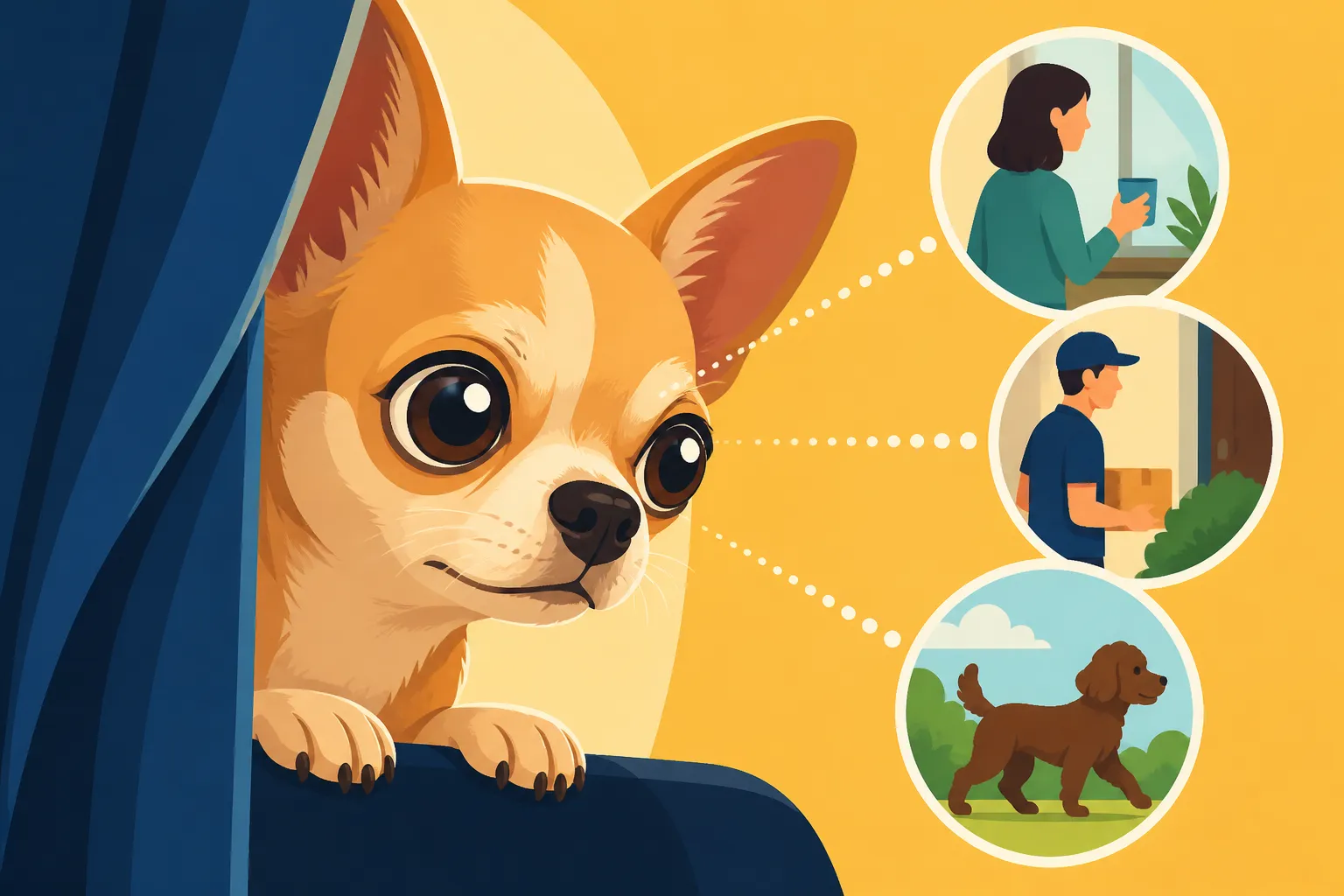
Chihuahuas, like many small breeds, often have incredibly acute senses. Their hearing is exceptionally sharp, picking up sounds that human ears might miss or dismiss. Their eyesight, especially for detecting movement, can also be very keen. This heightened sensory input means they are simply more aware of what's happening around them. The rustle of a bush outside, the distant rumble of a car, a faint creak in the floorboards – all these things register on their radar. What might seem like your Chihuahua staring blankly at a wall could actually be them intently listening to the neighbor's cat walking past the other side. This constant intake of sensory information necessitates constant processing and vigilance. They're like little biological radar dishes, always active.
Reading the Room: Non-Verbal Cues
Beyond just external threats, Chihuahuas are often incredibly attuned to the subtle non-verbal cues from their human companions. They watch your facial expressions, your body language, and even the nuances of your tone of voice. Being so dependent on their humans for safety and comfort, they learn to interpret these signals with remarkable precision. If you're stressed, happy, or even just thinking about getting up, your Chihuahua is likely already watching and preparing for the next action. This isn't just watching; it's deep observation, a way for them to predict and adapt to their environment by understanding the most significant beings in it. Sometimes, their "watching" is simply them trying to figure out what you are going to do next.
Owner Influence and Environmental Factors
While instincts play a huge role, a Chihuahua's environment and the way they are raised and interact with their humans can significantly shape their watchful habits. Owners, often unknowingly, can either mitigate or exacerbate a Chihuahua's natural vigilance.
The Role of Socialization and Confidence Building
Early and consistent socialization is paramount for Chihuahuas. If a puppy isn't properly introduced to various sights, sounds, people, and other dogs in a positive, controlled manner, their natural caution can quickly escalate into fear. A fearful Chihuahua will naturally be more watchful, as they perceive more threats in their environment. Imagine being perpetually on edge; you'd watch everything too! Conversely, a well-socialized Chihuahua, one who has learned that the world isn't inherently scary, will still be alert but with a sense of confident awareness rather than constant apprehension. Puppy classes that group Chihuahuas with other toy breeds can be incredibly beneficial, as they build confidence in a safe space. Products from retailers like Chewy, such as puzzle toys or calming beds, can also support a less anxious demeanor in the home. Building a Chihuahua's confidence starts from day one. Socializing a Chihuahua Without Overwhelming It provides further guidance.
Distinguishing Alertness from Anxiety
It's crucial for owners to understand the difference between a Chihuahua's natural, healthy alertness and signs of anxiety or fear reactivity. Healthy alertness means they notice things, maybe give a quick bark, and then settle. Anxious watching, however, is often accompanied by other stress signals: trembling, tail tucked, ears pinned back, excessive panting, lip licking, or refusing treats. A dog that is constantly scanning, unable to relax, and reacting intensely to minor stimuli might be experiencing anxiety rather than just being "alert." It's not uncommon for their vigilance to be misunderstood. For example, a Chihuahua might intently watch every person who walks past the window, which could be just alert barking, but if they then pace, whine, and refuse to settle for a long time afterward, that points more towards anxiety. If you notice signs like a Chihuahua That Trembles Around Strangers or a Chihuahua That Lunges at Every Passing Dog, it might be more than just healthy vigilance.
Here's a quick comparison to help differentiate:
| Behavior Aspect | Healthy Alertness | Anxious Vigilance |
|---|---|---|
| Body Language | Relaxed, loose, ears up, tail soft/wagging, curious | Stiff, tense, tail tucked, ears back, lip licking, yawning |
| Response Duration | Brief reaction, then quickly settles | Prolonged scanning, difficulty settling, hyper-vigilance |
| Vocalization | Purposeful bark, stops when cued | Excessive, frantic, difficult to interrupt, high-pitched |
| Engagement | Can be easily redirected, takes treats | Hard to distract, may ignore treats, avoids eye contact |
| Overall Demeanor | Confident, inquisitive, takes in surroundings calmly | Jumpy, easily startled, withdrawn, seeks hiding spots |
Creating a Secure Environment
The home environment plays a significant role in how much a Chihuahua feels the need to watch. A chaotic, noisy, or unpredictable household can keep a naturally watchful dog perpetually on edge. Conversely, a calm, predictable environment with clear boundaries can help a Chihuahua relax and reduce their need to constantly monitor for threats. This includes providing a safe, quiet den (like a crate or a soft bed from Chewy in a low-traffic area), consistent routines, and minimizing overwhelming stimuli. For example, if your Chihuahua constantly barks at activity outside the window, consider using window film or strategically placed furniture to block their view. This isn't about making them ignorant; it's about reducing unnecessary stressors that trigger their excessive vigilance. Chihuahua Crate Size and Setup can help create a secure personal space.
When "Watching" Becomes a Concern
While some level of watchfulness is normal and even desirable in a Chihuahua, there are times when it can tip into problematic territory. Recognizing these signs and knowing when to intervene is crucial for your Chihuahua's well-being and your household's peace.
Signs of Over-Vigilance and Stress
An overly vigilant Chihuahua is a stressed Chihuahua. If their constant watching prevents them from relaxing, playing, or even sleeping soundly, it’s a problem. Signs of over-vigilance can include:
- Difficulty settling: They can't lie down and truly rest, always popping their head up at the slightest sound.
- Exaggerated reactions: A mild stimulus (like a bird chirping) elicits a strong, prolonged reaction (barking, growling, lunging).
- Resource guarding: They may intensely watch and guard their space, toys, or even their favorite person, seeing everyone else as a potential threat. Chihuahua Resource Guarding and Snapping is a clear sign.
- Avoidance or hiding: Constantly seeking refuge under furniture or in quiet corners suggests they feel overwhelmed by their environment.
- Loss of appetite or gastrointestinal issues: Stress can manifest physically.
If your Chihuahua is exhibiting these behaviors regularly, it’s a clear signal that their watching has become detrimental. Their quality of life can be severely impacted by living in a state of perpetual alarm, and it can also become quite draining for you as an owner.
Addressing Fear Reactivity and Insecurity
When watching turns into fear-based reactivity – barking, lunging, or snapping at perceived threats – it needs to be addressed proactively. This isn't your Chihuahua being "mean" or "dominant"; it's a dog operating from a place of intense fear and insecurity, trying to make the scary thing go away. Often, what appears as aggression is really a desperate attempt to create distance. Instead of punishing these reactions, which only increases fear, the goal is to build confidence and change their emotional response to triggers. This involves methods like desensitization and counter-conditioning. For example, if your Chihuahua barks at every dog on a walk, instead of scolding, work on associating other dogs (at a safe distance) with high-value treats. You want them to think, "Oh, another dog! That means good things happen!" Consistency is key. Fear Reactivity as the Top Chihuahua Complaint is a common challenge for the breed, and understanding it is the first step toward helping your dog.
Seeking Professional Guidance
If your Chihuahua's constant vigilance, anxiety, or reactivity is significantly impacting their (or your) quality of life, it's absolutely okay – and often necessary – to seek professional help. A qualified positive reinforcement dog trainer or a veterinary behaviorist can provide invaluable insight and create a tailored plan to help your dog feel safer and more secure in their environment. They can help you accurately assess whether the watching is a normal breed trait, a behavioral issue, or even has an underlying medical cause. For example, pain from an orthopedic issue could make a Chihuahua more irritable and watchful. Don't feel like you have to tackle complex behavioral issues alone. Investing in professional guidance is an investment in your Chihuahua's long-term happiness and your peace of mind. Many trainers specialize in small breeds and understand their unique challenges, ensuring your tiny companion gets the serious consideration they deserve. Vetting a Trainer Before You Book a Chihuahua is a good first step.
Disclaimer
This article is for general informational purposes only and does not constitute professional advice. Laws, prices and regulations vary by location and change over time. Consult a qualified professional for guidance on your specific situation.