The Chihuahua Against a Yorkshire Terrier
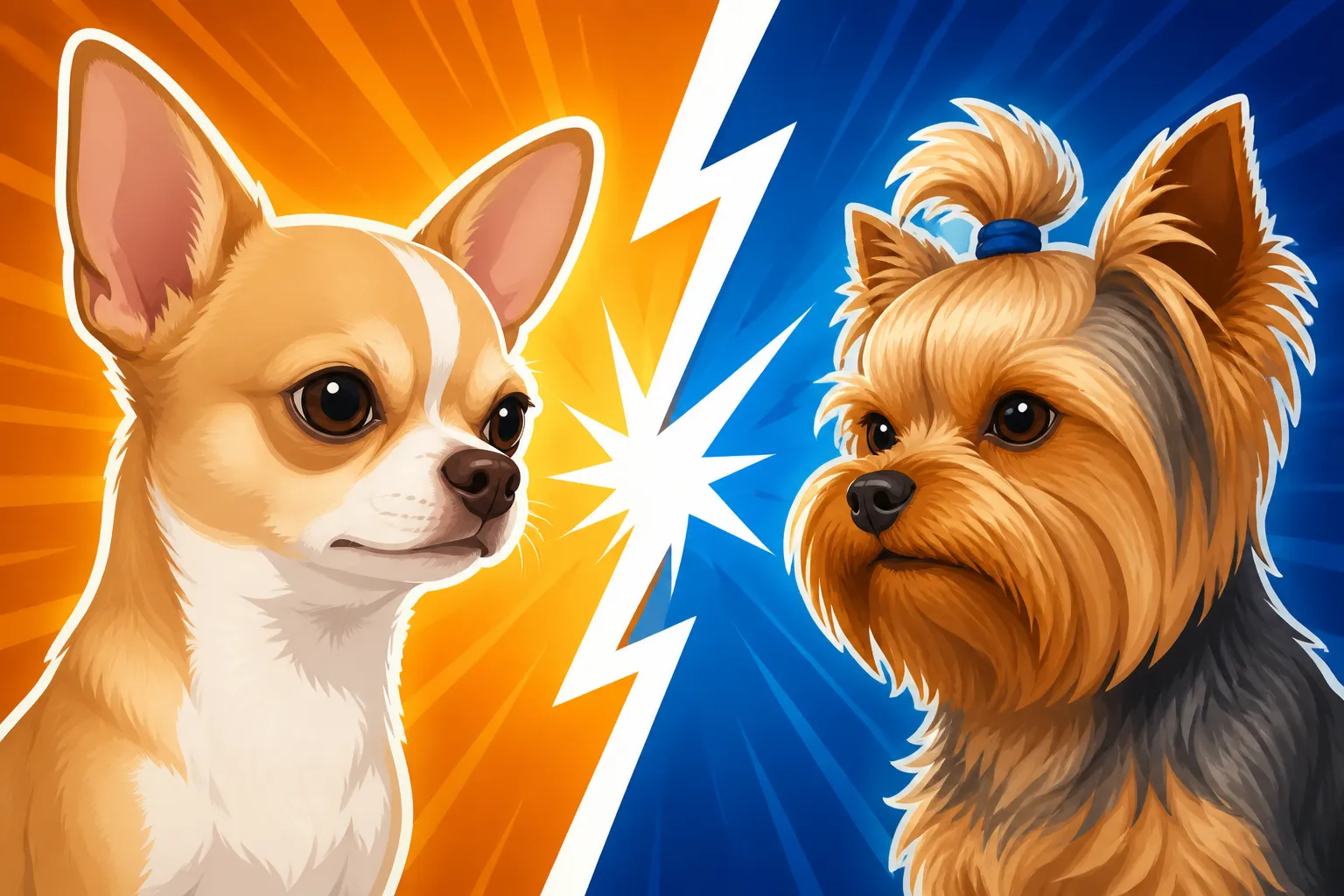
Deciding between a Chihuahua and a Yorkshire Terrier can feel like choosing between two sparkling gems – both are incredibly appealing, famously small, and full of personality. Many people see them as interchangeable, little handbag dogs that essentially offer the same experience, but that couldn't be further from the truth. While they both thrive as beloved companions and demand similar careful handling due to their diminutive size, beneath the surface, these two breeds boast distinct histories, temperaments, and care needs that can significantly impact which one is the better fit for your home and lifestyle. This guide will meticulously break down their differences and similarities, helping you understand the unique joys and challenges each pint-sized pup brings.
Origins and Breed Purpose: More Than Just Lap Warmers
It’s easy to look at a Chihuahua and a Yorkshire Terrier today and assume their purpose has always been to adorn laps and look adorable. And while they certainly excel at that, their origins tell very different stories, shaping the core of who they are. Understanding where they came from helps us appreciate why they behave the way they do and why their instincts differ.
The Ancient Roots of the Chihuahua
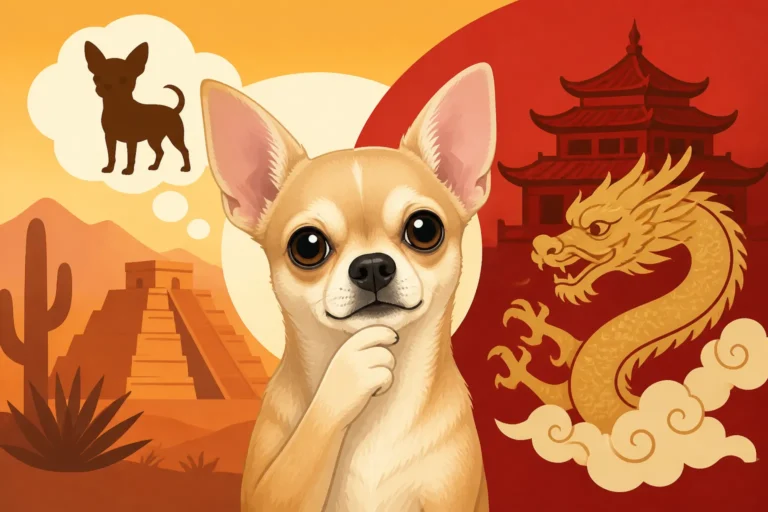
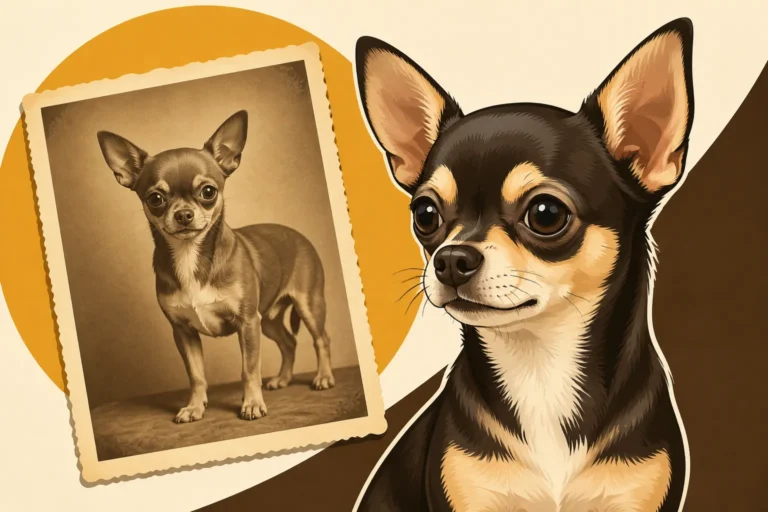
The Chihuahua's lineage is steeped in ancient mystery and warm, sunny climates. Imagine a small dog, cherished by ancient civilizations in what is now Mexico, long before Europeans ever set foot on the continent. These aren't just myths; archaeological evidence and ancient carvings, like those depicting the Techichi, point to a history that stretches back centuries. The Chihuahua From Techichi to American Lapdog tells us a lot about this fascinating journey. The Techichi were companions to the Toltecs and later the Aztecs, serving various roles, some ceremonial, some spiritual, and undoubtedly, some as beloved pets. They were not bred for hunting vermin or working on a farm; their purpose was companion-centric, even sacred. This long history of being a cherished, albeit sometimes mystical, companion has perhaps ingrained a certain independent dignity and intense loyalty to their chosen human.
These dogs were part of a rich cultural tapestry, often associated with spiritual beliefs and believed to guide souls. The Chihuahua Ancestor Carved in 300 BC gives us a glimpse into just how far back their presence goes. They weren't just animals; they were woven into the very fabric of society. This deep-rooted history as companions, rather than working dogs, might explain why many Chihuahuas tend to bond so fiercely with one person and can sometimes be a little aloof with strangers – they choose their people, and once chosen, that bond is paramount. Their survival through centuries of societal shifts, from ancient empires to modern-day popularity, speaks volumes about their adaptability and enduring charm.
Yorkshire Terrier: A Working Class Hero
Contrast that with the Yorkshire Terrier, a breed with a much more recent, yet equally compelling, history rooted in the grit and grime of 19th-century industrial England. These weren't dogs of nobility or ancient rituals; they were the tough, plucky companions of factory workers and miners in Yorkshire, England. Their primary job? To hunt rats and other vermin that infested textile mills and coal mines. This heritage means they come from a long line of tenacious, fearless, and intelligent little dogs bred for a specific, demanding task. They weren't just cute faces; they were workers, and they took their jobs seriously.
The Yorkshire Terrier's ancestors were likely a mix of various small terriers brought by Scottish weavers to England, including the Skye Terrier, the now-extinct Paisley Terrier, and the Waterside Terrier. These small, agile dogs were indispensable for keeping the rat population in check, which was crucial for hygiene and preventing damage to goods. This "working dog" background imbues the Yorkie with a distinct personality: they are often bold, energetic, and possess that classic terrier "gameness." They might be small, but they don't know it, and they certainly won't back down from a challenge. This tenacious spirit is a direct legacy of their pest-control days, and it's a vital trait for any prospective Yorkie owner to understand and appreciate.
Physical Traits: Beyond the Tiny Stature
When you line up a Chihuahua and a Yorkshire Terrier, you see two undeniably small dogs. Both are truly pint-sized, making them ideal for apartment living or as travel companions. However, a closer look reveals several key physical differences that impact their care, appearance, and even their perceived fragility. These aren't just cosmetic distinctions; they speak to different grooming routines, temperature tolerances, and inherent predispositions.
Size, Weight, and Build Differences
While both breeds are firmly in the toy group, there are subtle but important differences in their typical size and build. Chihuahuas, as defined by the American Kennel Club (AKC) standard, should not exceed six pounds. This isn't just a suggestion; it's a strict guideline for show dogs. Some Chihuahuas might be a bit larger, but the ideal is certainly petite. The Six Pound Limit in the Chihuahua Standard really highlights this breed characteristic. They often have a more delicate bone structure, giving them a dainty, almost fragile appearance. Their bodies are typically longer than they are tall, with a graceful, agile movement. Even within Chihuahuas, there's a range from the tiny "teacup" types (which aren't a recognized breed, but rather small examples of the breed) to those at the higher end of the standard, but all are undeniably small.
Yorkshire Terriers, on the other hand, typically weigh between four and seven pounds. While the upper end of that range overlaps with Chihuahuas, Yorkies can often present with a sturdier build for their size. They are compact, well-proportioned little dogs, conveying an air of confident athleticism despite their small stature. Their build reflects their working terrier ancestry – agile and strong enough to pursue vermin through tight spaces. You might notice a Yorkie feeling a bit more "solid" in your arms compared to a Chihuahua, even if they weigh roughly the same. This subtle difference in build can influence how owners perceive their robustness and how cautious they might be with rough play.
Coat Types and Grooming Demands
Here's where a major distinction lies, impacting daily care significantly. Chihuahuas come in two coat varieties: smooth coat and long coat. The Two Chihuahua Coat Varieties Explained details these differences. Smooth coats are sleek, glossy, and lie close to the body, requiring minimal grooming – a quick brush a couple of times a week to remove loose hair is usually sufficient. Long coat Chihuahuas have soft, flowing hair that can be straight or slightly wavy, with feathering on the ears, legs, and tail. While beautiful, this longer coat does require more attention, typically needing brushing several times a week to prevent mats and tangles. Neither type, however, is particularly prone to heavy shedding, especially when compared to many other breeds.
Yorkshire Terriers, in contrast, are known for their single, long, silky coat that is fine in texture and typically hangs straight down. This coat is often described as feeling like human hair, and indeed, it grows continuously and doesn't have an undercoat. While stunning, this exquisite coat demands considerable grooming. Daily brushing is often necessary to prevent tangles and mats, which can become painful if neglected. Many Yorkie owners opt to keep their dog's coat trimmed short in a "puppy cut" to manage the grooming burden. Without regular care, the Yorkie's coat can quickly become a tangled mess, leading to skin irritation and discomfort. This difference in coat type translates directly to a difference in the amount of time and effort you'll invest in keeping them looking and feeling their best.
Distinctive Head Shapes and Features
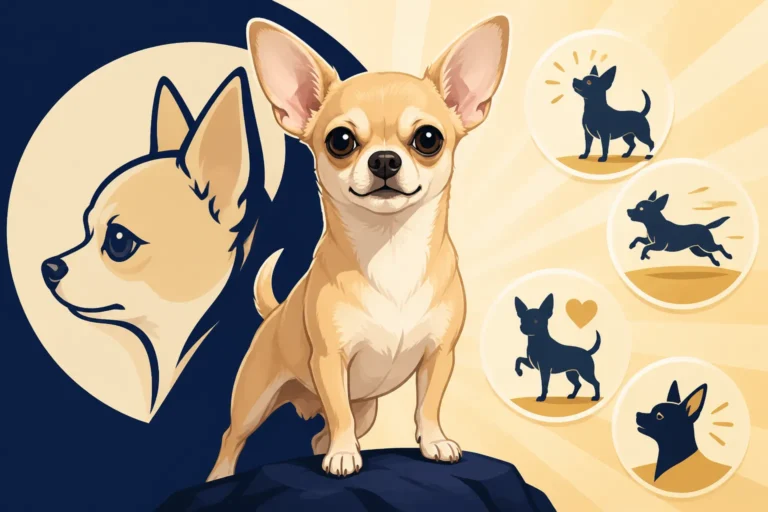
Beyond their coats, their head shapes and facial features offer another easy way to tell these two breeds apart, and these characteristics are deeply ingrained in their breed standards. Chihuahuas are famous for their "apple head" – a distinctively rounded, domed skull. While some Chihuahuas have "deer heads" (a more sloped forehead and longer muzzle), the apple head is characteristic of the breed standard. They also possess large, luminous eyes that are often dark, and large, erect ears that flare to the sides. Their muzzle is typically short and pointed, and their expression is alert and intelligent. This combination gives them that iconic, almost cartoon-like cuteness that is instantly recognizable.
Yorkshire Terriers, on the other hand, have a smaller, flatter skull with a moderate stop (the indentation between the eyes). Their muzzle is proportionate and their eyes are medium-sized, dark, and sparkling with intelligence. Their ears are small, V-shaped, and carried erect, though some may drop slightly in puppies or adults. The overall impression of a Yorkie's head is often described as neat and refined, especially with their long facial hair typically tied up with a bow in show dogs (a practical measure to keep the hair out of their eyes). While both have expressive faces, the Chihuahua's large eyes and apple head give it a more "wide-eyed" or "innocent" look, while the Yorkie's smaller features lend a more mischievous or spirited appearance.
Temperament and Personality: Fire vs. Sparkle
Perhaps the most significant differences between Chihuahuas and Yorkshire Terriers lie in their temperaments and personalities. Both are undeniably full of character, but the flavor of that character is quite distinct. These aren't just small dogs; they're individuals with strong wills and unique ways of interacting with the world.
Chihuahua's Fierce Loyalty and Independence
Chihuahuas are renowned for their fierce loyalty, often forming an incredibly strong bond with one primary person in the household. They become devoted shadows, preferring to be close to their chosen human at all times. This intense attachment is both a blessing and, if not managed, can become a challenge. They can be wary of strangers, often barking or retreating when unfamiliar people approach, and they might even exhibit protective behaviors towards their person. While this can be endearing to their owners, it's a common frustration for guests or family members who aren't their "chosen one." This isn't aggression for aggression's sake; it's often a manifestation of their insecurity and deep protective instinct. Chihuahua Fear Reactivity, the Breed's Real Problem explores this in more detail.
Despite their intense loyalty, Chihuahuas also possess a strong independent streak. They know what they want and aren't afraid to let you know it! They can be surprisingly assertive for their size, and if given an inch, they'll often take a mile. This is why consistent training and boundaries are so crucial, even for such a tiny dog. Many owners describe Chihuahuas as having a "big dog" personality in a small package, and it's absolutely true. They're often sassy, confident, and full of spirited defiance, which can be delightful to an owner who appreciates their unique quirks.
Yorkshire Terrier's Bold and Spirited Nature
Yorkshire Terriers, true to their terrier heritage, are bold, confident, and incredibly spirited. They have an almost boundless energy and an unshakeable belief that they are much larger than they actually are. This "terrier tenacity" means they are often fearless, ready to investigate any new sound or smell, and always up for an adventure. They possess a curious and adventurous spirit, often enjoying exploring new places and meeting new people, as long as they feel secure. While they can certainly be devoted to their families, they tend to be a bit more outgoing and less "one-person" oriented than many Chihuahuas, often happily interacting with all members of the household and even well-introduced strangers.
Their spirited nature also means they can be quite vocal. Barking at the doorbell, at passersby, or at suspicious squirrels is a common Yorkie trait, a remnant of their vermin-hunting days when alerting their human to an intruder was part of the job. They are playful well into adulthood, often enjoying games of fetch or tug-of-war. They are intelligent and eager to please (when it suits them!), making them generally receptive to training, though their independent terrier will can sometimes make them a little stubborn. The Yorkie's personality is often described as vivacious and feisty, a little dog with a lot of spark and an unwavering sense of self-importance.
Addressing "Small Dog Syndrome" in Both Breeds
Ah, "small dog syndrome" – the bane of responsible toy dog owners everywhere. It's not a genetic condition, but rather a set of learned behaviors that often arise when owners treat small dogs differently than large dogs. Think about it: a Chihuahua or a Yorkie lunging and barking on a leash might be seen as "cute" or "harmless," whereas a Labrador doing the same would be quickly corrected. This disparity in expectations creates the problem. Small Dog Syndrome and Why It Is Not Genetic explains this phenomenon perfectly. Both Chihuahuas and Yorkshire Terriers are susceptible to developing these behaviors if their owners don't establish clear boundaries, provide consistent training, and socialize them properly.
For Chihuahuas, this might manifest as excessive protectiveness, territorial barking, or snapping at perceived threats. For Yorkies, it could mean constant barking, challenging larger dogs, or being overly bossy. The key is to remember that both breeds are highly intelligent and capable of learning the same commands and manners as any larger dog. Training a Chihuahua Exactly Like a Big Dog is a philosophy that applies equally to Yorkies. Treat them like dogs, not fragile ornaments. Provide them with proper training, socialization, and confidence-building experiences, and you'll find they are much more well-adjusted, delightful companions, free from the annoying traits often attributed to "small dog syndrome."
Health and Lifespan: What to Expect Down the Road
One of the fantastic things about both Chihuahuas and Yorkshire Terriers is their impressive lifespans. It's not uncommon for either breed to live well into their teens, sometimes even approaching 20 years with proper care. However, like all breeds, they come with their own set of potential health predispositions. Being aware of these common issues can help you provide proactive care and work closely with your veterinarian.
Common Health Concerns for Chihuahuas
Chihuahuas, while generally robust for their size, do have some breed-specific health concerns that prospective owners should be aware of. One of the most talked-about is patellar luxation, where the kneecap slips out of place. This can range from mild, intermittent skipping to more severe lameness. Another concern is hypoglycemia, especially in puppies, where their tiny bodies can't regulate blood sugar effectively. Chihuahua Hypoglycemia and the Puppy Emergency is a crucial read for new puppy owners. Collapsing trachea is also relatively common, leading to a characteristic "honking" cough, often triggered by excitement or collar pressure. Collapsing Trachea and the Chihuahua Honking Cough details this condition.
Due to their prominent eyes, Chihuahuas can also be prone to eye injuries and conditions like dry eye or corneal ulcers. Hydrocephalus, a buildup of fluid on the brain, is more prevalent in Chihuahuas, especially those with very pronounced apple heads, and a condition known as a "molera" or soft spot on their skull that may or may not close completely. The Chihuahua Molera and What a Soft Spot Means offers insight into this unique characteristic. While a molera isn't always a problem, it does require careful handling. Regular vet check-ups, a high-quality diet, and careful handling are essential for managing these potential issues and ensuring a long, healthy life for your Chihuahua.
Typical Yorkie Ailments
Yorkshire Terriers share some common health concerns with Chihuahuas, such as patellar luxation and collapsing trachea, but they also have their own set of predispositions. Legg-Calve-Perthes disease, a condition affecting the hip joint, can occur in Yorkies, leading to pain and lameness. Portosystemic shunt (PSS), a congenital liver condition where blood bypasses the liver, is also seen in the breed and can cause a variety of symptoms including neurological issues. Dental disease is rampant in small breeds, and Yorkies are no exception, often suffering from overcrowded mouths and early tooth loss.
Yorkies can also be prone to skin allergies, manifesting as itching, redness, or hair loss. Their long, silky coat, while beautiful, can sometimes be associated with certain skin sensitivities. Eye conditions, similar to Chihuahuas, can also affect Yorkies, including cataracts and progressive retinal atrophy. Again, responsible breeding practices that include health screenings can help reduce the incidence of these conditions. Regular veterinary care, including preventative screenings and a watchful eye for any changes, is key to keeping a Yorkie happy and healthy.
Dental Care: A Shared Tiny Dog Challenge
This is one area where both Chihuahuas and Yorkshire Terriers are almost universally affected. Small breeds, in general, are highly prone to dental disease, often starting at a surprisingly young age. Their small mouths mean that teeth are often crowded, making it easier for plaque and tartar to accumulate. Chihuahua Dental Disease in a Crowded Small Jaw explains this issue perfectly. The consequences of neglected dental health aren't just bad breath; they can lead to painful infections, tooth loss, and even systemic health problems like heart and kidney disease.
Because of this predisposition, daily dental care is not just recommended, it's virtually mandatory for both Chihuahuas and Yorkies. This means daily tooth brushing with dog-specific toothpaste. If daily brushing isn't feasible, then a combination of dental chews (chosen carefully for size and efficacy, like some options you might find on Chewy), water additives, and regular professional dental cleanings under anesthesia are absolutely necessary. You should factor in the cost of these regular cleanings into your budget; Chihuahua Dental Cleaning at $300 to $700 gives you an idea of the expense, which can recur annually or bi-annually. Proactive dental care is perhaps the single most important thing you can do to extend the healthy life of either a Chihuahua or a Yorkie.
Living with Each Breed: Daily Life and Training
Bringing a Chihuahua or a Yorkshire Terrier into your home means adjusting to the unique rhythms of life with a toy dog. While both are small, their activity levels, house training needs, and social preferences can differ, making one a better match for specific lifestyles than the other. Understanding these nuances helps set realistic expectations and ensures a harmonious life together.
Exercise Needs and Indoor Activities
Neither Chihuahuas nor Yorkshire Terriers are going to need marathon running partners. Their exercise needs are moderate and can often be met with indoor play and short walks, which is great for apartment dwellers or those with limited outdoor space. Chihuahuas, despite their energetic bursts, are often content with a couple of short walks a day and some indoor playtime. They love to snuggle and are perfectly happy to spend a good portion of the day curled up on a lap or buried in blankets. They're not built for extreme temperatures, either, and often need sweaters or coats when it's chilly outside. Keeping a Chihuahua Warm Through Winter is a must-read for cold-weather climates. Indoor games like fetch with a soft toy, hide-and-seek, or puzzle toys can keep their minds and bodies engaged.
Yorkshire Terriers, with their terrier energy, generally have a slightly higher drive for activity. They are lively and playful, often enjoying longer periods of play or more vigorous walks. They're still small, so their "vigorous" is relative, but they thrive on mental and physical stimulation. They love to chase toys, engage in interactive play, and explore. While they can be perfectly content in an apartment, they benefit from regular outings to burn off their energy and satisfy their curious nature. Like Chihuahuas, they are sensitive to cold, so appropriate attire for outdoor adventures is a good idea. For both breeds, mental stimulation through training and puzzle toys is just as important as physical exercise to prevent boredom and destructive behaviors.
House Training Realities
Ah, house training a tiny dog! This is where many prospective owners, and even experienced ones, face challenges. Both Chihuahuas and Yorkshire Terriers are notorious for being difficult to house train. It's not that they're unintelligent; it's simply that their bladders are incredibly small, and their signals for needing to go can be very subtle. A tiny puddle can be easily missed, and if not thoroughly cleaned, the scent can invite repeat offenses. House Training a Chihuahua With a Tiny Bladder highlights this struggle. Consistent, frequent potty breaks are the absolute key, especially with puppies.
For Chihuahuas, who can be sensitive to cold or rain, indoor potty options like pee pads or a designated indoor grass patch can be a lifesaver, ensuring they have a comfortable place to relieve themselves even when the weather is unpleasant. Yorkies, with their terrier determination, can also be stubborn about house training. Their independent streak means they might decide a corner of your rug is just as good as the great outdoors if you're not absolutely on top of their routine. Positive reinforcement, patience, and vigilance are paramount for both breeds. If you live in an apartment, having an indoor solution or a very quick, consistent outdoor routine is essential for success.
Socialization and Training Approaches
Both Chihuahuas and Yorkshire Terriers are intelligent and capable of learning a wide range of commands and tricks. However, their specific temperaments influence the approach to training and socialization. For Chihuahuas, early and consistent socialization is crucial to prevent them from becoming overly fearful or reactive. Exposing them gently to a variety of sights, sounds, people, and other well-behaved dogs from a young age, without overwhelming them, helps them develop into confident, well-adjusted adults. They respond best to positive reinforcement and gentle methods, as harsh correction can easily break their trust and exacerbate fear. Chihuahua Barking and What Sets a Six Pound Dog Off shows how easily their fear can translate into noise.
Yorkshire Terriers, with their bold and spirited nature, also benefit immensely from early socialization, but it might look a little different. Their fearlessness can sometimes translate into overconfidence, leading them to challenge much larger dogs or get into situations they can't handle. Therefore, controlled introductions to new experiences and teaching them appropriate dog-dog etiquette is important. Like Chihuahuas, Yorkies thrive on positive reinforcement. Their intelligence and desire to please (when it suits them!) make them quick learners, but their terrier stubbornness means consistency and clear boundaries are a must. For both breeds, enrolling in puppy classes and continuing with obedience training helps build their confidence and strengthens the bond with their owner. Remember, a well-trained tiny dog is a joy, and an untrained one can quickly become a nuisance, regardless of size.
Which Tiny Companion Suits Your Lifestyle?
Ultimately, the choice between a Chihuahua and a Yorkshire Terrier comes down to finding the best match for your specific lifestyle, preferences, and expectations. Both are wonderful companions, but their distinct traits mean they thrive in different environments or with different types of owners. This isn't about one being "better" than the other, but about compatibility.
Best Fit for Families and Other Pets
When it comes to families, particularly those with young children, caution is key for both breeds. Their small size makes them incredibly vulnerable to accidental injury. A toddler's clumsy step or enthusiastic hug can easily cause serious harm. For this reason, many breeders and rescues prefer not to place Chihuahuas or Yorkies in homes with very young children. If there are children in the home, they should be old enough to understand how to interact gently and respectfully with a small dog, often older than 8-10 years old. Constant supervision is non-negotiable.
Chihuahuas, due to their tendency to bond closely with one person and their wary nature with strangers, might be more challenging in a bustling, multi-person household unless they are exceptionally well-socialized from a very young age. They can be good with older, respectful children who understand their boundaries. With other pets, Chihuahuas can often coexist peacefully, especially if raised with them. However, they may still display some territoriality towards their chosen human or space.
Yorkshire Terriers, with their more outgoing and robust (for their size) personality, might adapt slightly better to a busy family dynamic, provided children are respectful and gentle. They can be playful and enjoy being part of the action. When it comes to other dogs, Yorkies often get along well, even with larger, gentle breeds, as their fearlessness means they don't always back down. However, their bossy terrier nature can sometimes lead to conflicts if not managed, so careful introductions are important. Remember to always provide a safe space and supervise interactions between any small dog and larger pets.
Adaptability to Different Environments
Both Chihuahuas and Yorkshire Terriers are highly adaptable, making them excellent choices for various living situations, particularly in urban environments. Their minimal exercise requirements and small size mean they can thrive in apartments or smaller homes without a yard. In fact, many Chihuahuas would prefer to use an indoor potty option rather than brave inclement weather. Chihuahua or Yorkie for a Small Apartment is a common dilemma, and both are indeed excellent choices.
However, consider the climate. Chihuahuas, especially smooth coats, have very little body fat and thin coats, making them quite sensitive to cold. They shiver easily and require protection in cool temperatures. Yorkies, with their single coat, also get cold quickly and benefit from sweaters or coats in chilly weather. Neither breed tolerates extreme heat well either, so always ensure they have shade and water.
For those who travel frequently, both breeds are excellent travel companions due to their compact size. They often fit comfortably in airline-approved carriers that can be stowed under the seat in the cabin. This portability makes them ideal for adventurers who want to bring their furry friend along. You might even find some cute travel accessories for them on Chewy.
Time and Financial Commitment Overview
Owning either a Chihuahua or a Yorkshire Terrier is a significant time and financial commitment, often spanning 15 years or more. While their food costs are relatively low due to their tiny appetites, veterinary expenses, especially for preventative care and potential breed-specific conditions, can add up.
| Category | Chihuahua (Typical) | Yorkshire Terrier (Typical) |
|---|---|---|
| Lifespan | 12-20 years | 11-15 years |
| Food Cost | Low (approx. $15-30/month) | Low (approx. $15-30/month) |
| Grooming Time | Smooth: Low; Long: Moderate (2-3x/week brush) | High (daily brush, professional trims, hair care) |
| Exercise Needs | Low to Moderate (short walks, indoor play) | Moderate (regular walks, active indoor play) |
| Dental Care | High priority (daily brushing, annual professional cleanings) | High priority (daily brushing, annual professional cleanings) |
| Vet Visits | Regular preventative care, monitoring for patellar luxation, trachea, molera, eye issues | Regular preventative care, monitoring for patellar luxation, trachea, LCPD, PSS, eye issues |
| Socialization Needs | High (critical for confidence and reducing reactivity) | High (important for channeling terrier energy positively) |
| House Training | Can be challenging, requires consistency & patience | Can be challenging, requires consistency & patience |
The main difference in recurring costs will often come down to grooming. A Yorkie with its continuously growing, silky coat might require regular professional grooming appointments in addition to daily home care, which can add to the monthly budget. Chihuahuas, particularly smooth coats, will have much lower grooming expenses. For both, however, budgeting for yearly dental cleanings is a non-negotiable expense that can range significantly. Pet insurance is often a wise investment for either breed, given their propensity for certain health issues later in life. Ultimately, both offer years of companionship, but they require owners who are prepared for the specific responsibilities their small size and breed traits entail.
Disclaimer
This article is for general informational purposes only and does not constitute professional advice. Laws, prices and regulations vary by location and change over time. Consult a qualified professional for guidance on your specific situation.