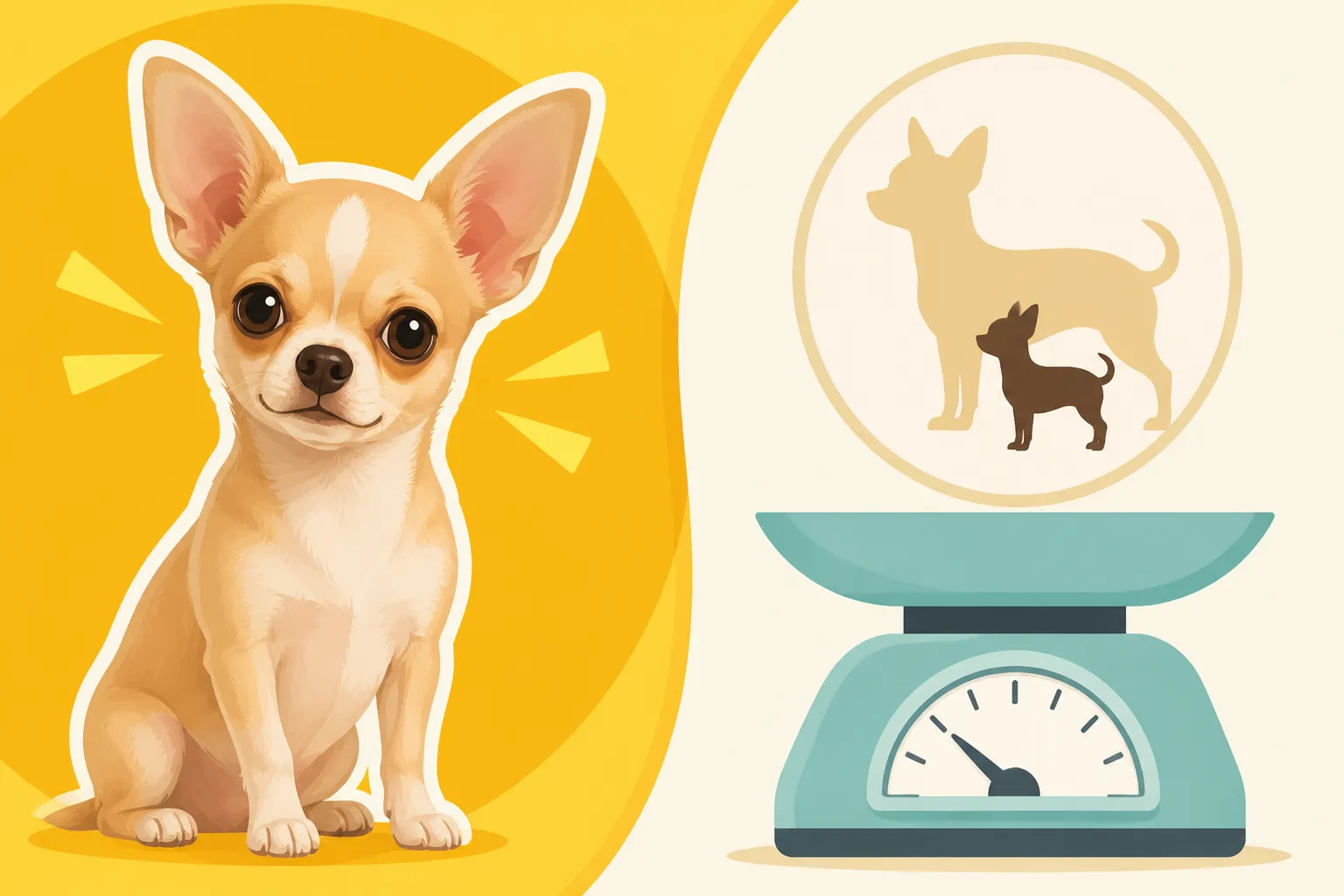
What a Chihuahua Weighs Under the Standard
One of the most common anxieties for new and experienced Chihuahua owners alike is knowing if their beloved tiny companion is at a healthy weight. With a breed so small, even a few ounces can make a significant difference, leading to confusion about what's "normal" or "ideal." This guide will cut through the misinformation and give you a comprehensive understanding of what a Chihuahua weighs under the breed standard, why it matters, and how to maintain a healthy weight for your furry friend throughout their life.
The Official AKC Standard for Chihuahua Weight
When we talk about the official weight for a Chihuahua, we're primarily referring to the guidelines set by kennel clubs, most notably the American Kennel Club (AKC) in the United States. These standards are not just arbitrary numbers; they are carefully crafted to define the ideal physical traits and conformation that breeders strive for in show dogs, ensuring the preservation of the breed's distinct characteristics. However, it's crucial to understand that while these standards are paramount in the show ring, they don't always dictate the only healthy weight for a pet Chihuahua.
The Six Pound Ceiling for a Show Chihuahua
The AKC standard for Chihuahuas states a preference for dogs that do not exceed six pounds. This "six-pound ceiling" is a definitive benchmark for Chihuahuas competing in conformation shows. A dog weighing even a little over this limit, no matter how beautifully it's structured otherwise, would likely be disqualified or heavily penalized in the show ring. This specific weight limit encourages breeders to produce Chihuahuas that embody the breed's signature delicate, petite frame, which is part of their unique charm. It's a key part of what makes a show-quality Chihuahua, well, show quality.
For a breeder aiming for show ring success, every ounce counts. They meticulously monitor puppy growth, understand genetics, and select breeding pairs that consistently produce offspring within this tight weight range, alongside other critical breed characteristics. This doesn't mean lighter is always better, though. A Chihuahua that is too dainty might lack the robust health needed for a long life or be prone to injuries. The goal is a compact, well-proportioned dog that fits the standard without sacrificing vitality.
What Happens if a Chihuahua Weighs Seven Pounds
If your Chihuahua weighs seven pounds, it means they are outside the AKC show standard. For a pet owner, this is generally not a cause for alarm if the dog is otherwise healthy and well-proportioned. In fact, many perfectly healthy, happy Chihuahuas fall outside this strict six-pound limit. A seven-pound Chihuahua is often robust, perhaps a touch taller or longer-bodied than their show-standard counterparts, but still undeniably a Chihuahua. They might have a bit more muscle, or a slightly thicker bone structure, which can actually be beneficial for an active pet, offering a little more resilience against common small dog issues like patellar luxation.
The main impact of exceeding the six-pound standard falls squarely on breeders and those involved in the show circuit. A seven-pound Chihuahua simply wouldn't be competitive in AKC conformation events. However, for the average family looking for a loving companion, a Chihuahua weighing seven, eight, or even nine pounds can be an absolutely wonderful addition. The emphasis for pet owners should always be on maintaining a healthy body condition, which isn't solely determined by a number on the scale but by overall health, muscle tone, and visible waistline.
Why No Registry Recognizes a Teacup Chihuahua
The term "Teacup Chihuahua" is one that often causes a lot of confusion and concern among prospective owners. Despite its widespread use in advertising and by some sellers, it's crucial to understand that no reputable kennel club or breed registry officially recognizes a "Teacup Chihuahua" as a distinct size or variety. The AKC, for example, only recognizes Chihuahuas, with the breed standard preferring dogs under six pounds. Any dog marketed as "teacup" is simply an undersized Chihuahua, often bred to be as small as possible, which can unfortunately lead to significant health problems.
These extremely small Chihuahuas, often weighing two to four pounds, are frequently the result of breeding runts or deliberately selecting for the smallest individuals in a litter. While their tiny size can be undeniably adorable, it often comes at a steep price. These dogs are at a much higher risk for a host of health issues, including Chihuahua Hypoglycemia and the Puppy Emergency, fragile bones prone to fractures, severe dental problems due to crowded jaws, and difficulties regulating their body temperature. The allure of a dog small enough to fit in a teacup is understandable, but responsible breeders prioritize health and temperament over extreme miniaturization.
Why Six Pounds? Understanding the Rationale
The establishment of a specific weight standard, like the six-pound limit for Chihuahuas, is deeply rooted in the history and purpose of the breed. It’s not just about aesthetics; it’s about maintaining a consistent breed type, preserving their unique physical characteristics, and historically, perhaps even reflecting a practical purpose for their small size.
Historical Context of the Weight Standard
To truly understand why the six-pound limit exists, we need to glance back at The Chihuahua From Techichi to American Lapdog. The ancestors of today's Chihuahuas, believed to be the ancient Techichi dogs of Mexico, were likely small, but perhaps not as universally tiny as the modern breed. As these dogs were discovered by Americans in the mid-19th century and brought north, they became prized for their miniature size. The push to refine the breed into an even smaller, more delicate companion likely led to the emphasis on a compact frame.
When the AKC recognized the Chihuahua in 1904, the standard began to solidify. Breeders at the time, wanting to distinguish their breed and perfect its unique attributes, would have naturally leaned towards defining the ideal size. The six-pound limit likely emerged as a consensus for what constituted a perfectly proportioned, dainty, yet still robust enough, small dog. It prevented the breed from becoming too large and losing its toy dog essence, while also (ideally) discouraging extreme miniaturization that could compromise health, though as we've discussed, the "teacup" trend shows this isn't always successful.
Impact on Breed Type and Structure
The weight standard profoundly impacts the overall breed type and structure of the Chihuahua. A dog kept within the six-pound limit typically exhibits the delicate bone structure, refined features, and compact body that are hallmarks of the breed. This includes a distinct "apple head" skull, large expressive eyes, and erect ears, all contributing to that signature Chihuahua look. The standard also covers proportions: a Chihuahua should be slightly longer than tall, giving them a balanced, agile appearance despite their small size.
Deviation from this weight can lead to changes in these characteristics. An overweight Chihuahua, for example, might lose its defined waist and appear blockier, while an undersized "teacup" might have an overly fragile frame, spindly legs, and an almost skeletal appearance that detracts from the desired sturdy, yet small, build. The standard aims for a happy medium – a dog that is small and charming, but not so tiny as to be frail or disproportionate. It’s about ensuring that a Chihuahua, whether in the show ring or at home, truly looks and moves like a Chihuahua, embodying the breed’s specific elegance and spirited nature.
Beyond the Standard: Healthy Weight Ranges for Chihuahuas
While the AKC standard provides a useful benchmark, it's essential to remember that it's primarily for show dogs. For the vast majority of Chihuahuas living as beloved pets, a healthy weight can comfortably fall outside the strict six-pound limit. What matters most is a healthy body condition, which assesses your dog's overall shape rather than just a number on the scale.
Ideal Body Condition Score for a Chihuahua
Instead of fixating on a specific weight in pounds, veterinarians and responsible owners often rely on a Body Condition Score (BCS). This is a visual and tactile assessment of your dog's fat reserves and muscle mass, typically on a scale of 1 to 9, where 1 is emaciated, 9 is obese, and 4-5 is ideal. For a Chihuahua, an ideal BCS means:
- Ribs: You should be able to easily feel your Chihuahua's ribs with slight pressure, like feeling the knuckles on the back of your hand when your palm is flat. You shouldn't see them prominently, but they shouldn't be hidden under a thick layer of fat either.
- Waistline: When viewed from above, your Chihuahua should have a distinct "waist" where their body tapers in just behind the rib cage.
- Abdominal Tuck: When viewed from the side, their belly should tuck up slightly, rather than hanging low or being parallel to the ground.
- Spine: You should be able to feel the bony prominences of the spine with gentle pressure, but they shouldn't be sharply visible or protruding.
Achieving this ideal A Chihuahua Body Condition on a Tiny Frame ensures your Chihuahua is lean and agile, reducing strain on their tiny joints and organs, and promoting overall health. Many Chihuahuas who are considered healthy and fit by their vets might weigh 7, 8, or even 10 pounds, as long as they maintain this lean body condition. It's about proportion and fitness, not just absolute weight.
Recognizing a Healthy Weight Outside the Show Ring
For your everyday pet Chihuahua, a "healthy weight" isn't necessarily just "under six pounds." It's the weight at which they are energetic, comfortable, and free from weight-related health issues. This can vary quite a bit depending on individual genetics, build, and activity level. Some Chihuahuas are naturally a bit larger, with heavier bone structure, and for them, 7 or 8 pounds might be their lean, ideal weight. Others might be smaller and naturally sit closer to 4 or 5 pounds.
The key is consistency and observation. Are they active? Do they play enthusiastically? Is their breathing normal during activity? Are their ribs easily palpable? A healthy Chihuahua, regardless of if they meet the show standard, should move freely, have a good appetite, and exhibit their characteristic spirited personality. Regularly checking their body condition, rather than just the number on the scale, is the most accurate way to ensure they are at a weight that supports their well-being. If you're unsure, a quick check with your vet can provide clarity.
The Risks of Being Under or Over the Standard Weight
While the six-pound standard is mainly for show, venturing too far below or above a healthy weight, regardless of the official standard, carries significant health risks for any Chihuahua. Their tiny bodies are particularly sensitive to deviations from their ideal body condition.
Health Problems Associated with Underweight Chihuahuas
An underweight Chihuahua is not just a delicate Chihuahua; it's a vulnerable one. Being significantly underweight can lead to a host of serious health problems, especially in a breed as small as the Chihuahua.
One of the most immediate and critical concerns for underweight Chihuahuas, particularly puppies, is Chihuahua Hypoglycemia and the Puppy Emergency. Their small bodies have limited fat reserves and can quickly run out of stored glucose, leading to dangerously low blood sugar levels. Symptoms can include lethargy, trembling, weakness, and even seizures or collapse. If not addressed promptly, severe hypoglycemia can be fatal. This is why careful feeding schedules and consistent monitoring are crucial for small or underweight Chihuahuas.
Beyond hypoglycemia, an underweight Chihuahua is also more susceptible to:
- Fragile Bones and Injuries: With less muscle and fat padding, their delicate bones are at a higher risk of fractures from even minor falls or jumps. Their skeletal system is simply not as protected.
- Poor Immune Function: A body lacking adequate nutrition struggles to maintain a strong immune system, making the dog more prone to infections and slower to recover from illness.
- Difficulty Regulating Body Temperature: Chihuahuas are already known for shivering due to their minimal body fat. Being underweight exacerbates this, making them very sensitive to cold and potentially leading to hypothermia. This is why you often see them in little sweaters, especially those who are on the smaller side.
- Dental Issues: While all Chihuahuas are prone to Chihuahua Dental Disease in a Crowded Small Jaw, those who are underweight might have weaker jawbones, making them more susceptible to jaw fractures during dental procedures or from severe gum disease.
- Muscle Wasting: Chronic underfeeding or underlying health issues can lead to loss of muscle mass, further weakening the dog and making everyday movements difficult.
If you suspect your Chihuahua is underweight, consult your veterinarian immediately to rule out underlying medical conditions and establish a safe and effective feeding plan.
Health Risks of an Overweight Chihuahua
Just as being too light is dangerous, an overweight Chihuahua faces an equally daunting list of health challenges. Even a small amount of extra weight on a tiny frame can put immense strain on their delicate systems. When we talk about What One Extra Pound Does to a Chihuahua, imagine that one pound is a significant percentage of their total body weight – it's like a person carrying an extra 20-30 pounds on a small frame.
The most common and serious risks associated with an overweight Chihuahua include:
- Joint Problems: Chihuahuas are already predisposed to Patellar Luxation, the Chihuahua's Commonest Joint Problem. Extra weight significantly increases the stress on their kneecaps and other joints, exacerbating existing conditions or accelerating their onset. This can lead to pain, arthritis, and the need for costly surgeries. Two Extra Pounds on a Chihuahua Explained means even more pressure on those tiny, vulnerable joints, making mobility a painful chore.
- Heart Disease: Carrying excess fat puts a greater workload on the heart. Overweight Chihuahuas are at an increased risk for Chihuahua Heart Disease as the Breed Ages, including congestive heart failure.
- Respiratory Issues: Their small windpipes are already prone to Collapsing Trachea and the Chihuahua Honking Cough. Extra weight around the neck and chest can put pressure on the trachea and lungs, making breathing more difficult and worsening conditions like tracheal collapse.
- Diabetes: Obesity is a major risk factor for insulin resistance and the development of diabetes mellitus, a condition that can be difficult to manage in small dogs.
- Reduced Stamina and Heat Intolerance: Overweight Chihuahuas have less energy, tire easily during walks, and are more prone to overheating, especially in warmer weather.
- Liver Disease: Fatty liver can develop in obese dogs, impacting their overall health and metabolism.
- Increased Anesthetic Risk: Should your Chihuahua need surgery (and many will for dental work or luxating patellas), an overweight status can increase the risks associated with anesthesia. This is a crucial factor to consider as they age.
Maintaining a lean body condition is one of the most proactive steps you can take to ensure your Chihuahua lives a long, healthy, and comfortable life. It impacts almost every aspect of their well-being.
How to Accurately Monitor Your Chihuahua's Weight
Keeping tabs on your Chihuahua's weight and body condition is an ongoing responsibility that pays huge dividends in their long-term health. Given how sensitive they are to slight changes, regular monitoring is key.
Weighing Your Chihuahua at Home
While your vet will have a precise scale, you can easily monitor your Chihuahua's weight at home between appointments. For such a small dog, a standard kitchen scale can be incredibly accurate. Here's a simple method:
- Weigh yourself: Step on your bathroom scale and record your weight.
- Weigh yourself holding your Chihuahua: Pick up your Chihuahua and step back on the scale.
- Subtract: Subtract your weight (from step 1) from the combined weight (from step 2). This will give you your Chihuahua's weight.
For even more precision, especially with tiny puppies, a digital kitchen scale is fantastic. Just place a small, sturdy box or bowl on it, zero it out, and then place your Chihuahua inside. It's best to do this at the same time of day, perhaps before their first meal, to ensure consistency. Keep a simple logbook or use an app to track their weight weekly or bi-weekly. This allows you to spot trends, like a gradual increase or decrease, before it becomes a significant problem. Remember, tiny fluctuations are normal, but consistent changes warrant attention.
Vet Visits and Professional Weight Assessment
Regular veterinary check-ups are paramount for accurately assessing and managing your Chihuahua's weight and overall health. Your vet has specialized scales that are calibrated for small animals, providing the most precise readings. Beyond just the number, they'll perform a thorough physical examination, feeling for ribs, checking for a waistline, and assessing muscle tone – essentially conducting a professional Body Condition Score.
These routine visits are also crucial for catching any underlying health issues that might be causing weight changes. For example, sudden weight loss could indicate parasites, dental pain, or more serious systemic disease, while unexplained weight gain might point to metabolic problems. Your vet can provide tailored advice on diet, portion control, and exercise appropriate for your Chihuahua's age, activity level, and any existing health conditions. They can also recommend appropriate food, like those available through Chewy for specific dietary needs, and discuss supplements if necessary. Don't hesitate to ask them for a demonstration of how to feel for an ideal body condition on your own dog; hands-on guidance is invaluable.
Factors Influencing a Chihuahua's Weight
A Chihuahua's weight is a dynamic thing, influenced by a complex interplay of diet, activity, age, genetics, and even their environment. Understanding these factors helps you make informed choices for their health.
Age and Metabolism
Just like humans, a Chihuahua's metabolism changes throughout their life. Puppies are bundles of energy, growing rapidly, and have incredibly fast metabolisms. They need a higher calorie intake relative to their size to fuel this growth and maintain stable blood sugar levels, especially to prevent issues like hypoglycemia. The Feeding Schedule a Chihuahua Breeder Sends Home for a young puppy will typically involve multiple small meals throughout the day.
As Chihuahuas transition into adulthood, usually around 10-12 months, their metabolism begins to slow. Their growth plateaus, and their calorie needs decrease. If their food intake isn't adjusted, weight gain can easily creep up. Senior Chihuahua Care Past the Age of Twelve often involves a further metabolic slowdown. Older Chihuahuas might become less active due to arthritis or other age-related conditions, meaning they require even fewer calories. It’s a delicate balance, as some older Chihuahuas might also lose weight if they have dental problems making eating painful or if they develop kidney disease or other health issues. Monitoring their weight and adjusting their diet accordingly is essential as they age.
Diet and Exercise
These two factors are arguably the most significant controllable influences on your Chihuahua's weight.
Diet: What and how much you feed your Chihuahua directly impacts their weight. Chihuahuas have tiny stomachs and even tinier calorie requirements. For a six-pound adult Chihuahua, their daily calorie intake might be around 200 calories, or even less for a less active dog. Overfeeding by just a few kibbles or an extra treat can quickly lead to weight gain. This is why Weighing Chihuahua Food on a Kitchen Scale is far more accurate than using a measuring cup, which can be wildly imprecise for such small portions. Choosing a high-quality food appropriate for their life stage and size is also important. Many owners opt for smaller kibble sizes to ensure their Chihuahuas can easily chew their food. Websites like Chewy offer a wide range of small-breed specific foods. Remember, treats add up! Factor them into the daily calorie budget or choose very low-calorie options.
Exercise: Even though Chihuahuas are small, they still need regular exercise. This doesn't mean marathon runs, but daily walks, playtime, and mental stimulation are crucial. A good 20-30 minute walk, weather permitting, coupled with indoor games like fetch or hide-and-seek, helps burn calories, build muscle, and keep their metabolism active. Lack of activity, combined with even slightly too many calories, is a direct path to Chihuahua Obesity on a Six Pound Frame. For Chihuahuas prone to joint issues, low-impact exercise is best. Regular movement also aids digestion and mental well-being, both of which contribute to a healthy weight.
Genetics and Health Conditions
Sometimes, despite your best efforts with diet and exercise, a Chihuahua's weight can be influenced by factors beyond immediate control. Genetics play a significant role. Just like in humans, some Chihuahuas are naturally predisposed to be slightly larger or smaller, or to gain weight more easily, due to their genetic makeup. A Chihuahua from a lineage of larger, more robust Chihuahuas might naturally sit at 8 pounds even when lean, while another from a line of daintier dogs might always be closer to 4. This is why it’s important to look at the parents and grandparents of a puppy if you know their history, as it can give you a clue about their likely adult size and build. Whether a Smaller Chihuahua Lives Longer is a common question, and while extreme smallness often comes with risks, a naturally smaller, healthy Chihuahua can certainly be long-lived.
Underlying health conditions can also dramatically impact weight. For instance:
- Hypothyroidism: An underactive thyroid gland can slow metabolism, leading to weight gain despite normal food intake.
- Cushing's Disease: This condition involves excessive cortisol production and can cause increased appetite and a pot-bellied appearance.
- Dental Pain: Severe dental disease can make eating painful, leading to weight loss if the dog refuses to eat enough.
- Diabetes: As mentioned, this can be both a cause and a consequence of weight issues.
- Parasites: Internal parasites can steal nutrients, causing an otherwise well-fed Chihuahua to be underweight.
If your Chihuahua's weight is fluctuating significantly or you're struggling to maintain a healthy body condition despite proper diet and exercise, a vet visit is essential to rule out any medical reasons. Many of these conditions are manageable once diagnosed, allowing your Chihuahua to return to a healthy weight.
Chihuahua Weight Table: Show Standard vs. Healthy Pet Range
This table helps illustrate the difference between the strict show standard and a healthy weight range for pet Chihuahuas, as well as the risks associated with deviations.
| Characteristic | AKC Show Standard | Healthy Pet Range | Underweight Risk (Pet) | Overweight Risk (Pet) |
|---|---|---|---|---|
| Weight | Not to exceed 6 lbs | 4-10 lbs (BCS dependent) | <4 lbs (often "teacup") | >7-10 lbs (BCS dependent) |
| Body Condition Score | Ideal 4-5 | Ideal 4-5 | 1-3 (Emaciated, thin) | 6-9 (Heavy, obese) |
| Ribs | Easily felt, not seen | Easily felt, not seen | Easily seen, sharp | Hard to feel |
| Waistline | Distinctly tucked | Distinctly tucked | Severe tuck, hollow flanks | None, straight or bulging |
| Energy Level | Active, alert | Active, playful | Lethargic, weak | Reduced, easily tired |
| Health Concerns | Conformation focused | Optimal health | Hypoglycemia, fractures, poor immunity | Patellar luxation, heart disease, diabetes |
| Breeding | Highly desirable for conformation | Not a primary concern | Detrimental to health, potentially unethical | Detrimental to health |
Remember, your veterinarian is your best resource for determining the ideal weight and body condition for your individual Chihuahua.
Disclaimer
This article is for general informational purposes only and does not constitute professional advice. Laws, prices and regulations vary by location and change over time. Consult a qualified professional for guidance on your specific situation.