Why the Deer Head Chihuahua Lost the Standard
Many Chihuahua owners, particularly those new to the breed, often feel a pang of confusion when they hear terms like "Apple Head" and "Deer Head." If you adore your long-nosed, gentle-sloping Chihuahua, it can be truly disheartening to learn that their distinct look isn't considered "standard" in the show ring. This guide aims to clear up the mystery, explaining why the deer head conformation, while perfectly healthy and beloved by many, is not aligned with the breed standard, and what that actually means for your beloved companion.
Understanding the Breed Standard and Its Purpose
Before we dive into the specifics of why a deer head conformation isn't part of the official breed standard, it's crucial to understand what a breed standard actually is and why it exists. It's not just a fancy rulebook for dog shows; it's a blueprint designed to preserve the unique characteristics and health of a breed.
What a Breed Standard Represents
Think of a breed standard as the ideal description of a particular dog breed. It's a detailed document that outlines everything from head shape, ear set, eye color, and muzzle length, all the way down to temperament, gait, and coat type. This blueprint serves several vital purposes. Firstly, it provides a unified vision for breeders, guiding them in their efforts to produce healthy, type-correct puppies. It helps ensure that a Chihuahua looks, moves, and acts like a Chihuahua, whether it's born in California or New York. Without a standard, breeders might pursue different traits, and over time, the breed could splinter into many different, unrecognizable types. Secondly, it's the guideline for judges in conformation shows, allowing them to objectively evaluate dogs against a common ideal. It’s about maintaining the purity and consistency of the breed for future generations.
The Role of Breed Clubs and the AKC
In the United States, the American Kennel Club (AKC) is the primary registry for purebred dogs. They don't create the standards themselves, but rather approve and uphold the standards developed by individual breed clubs. For Chihuahuas, this means the Chihuahua Club of America (CCA) is responsible for crafting and refining the breed standard. These clubs are made up of dedicated breeders and enthusiasts who have studied the breed's history, health, and characteristics for decades, sometimes even generations. They vote on changes and ensure the standard promotes the breed's long-term well-being. So, when we talk about a Chihuahua "losing" the standard, it's not a casual decision. It's a deliberate choice by the breed's most devoted custodians to define what represents the quintessential Chihuahua, particularly for those competing in conformation events. This doesn't diminish the value or charm of a deer head Chihuahua in any way; it simply clarifies their place within the competitive showing world. For most pet owners, the standard is simply a historical and descriptive document rather than a set of rules for their furry family member. You can read more about AKC Recognition of the Chihuahua in 1904.
The Defining Features of an Apple Head Chihuahua
When the Chihuahua breed standard was established and refined, it solidified a particular aesthetic. This aesthetic is most strongly embodied by what we now call the "Apple Head" Chihuahua. Understanding these defining features helps clarify why the deer head variety is considered a deviation.
The Iconic Rounded Skull
The most distinguishing feature of the Apple Head Chihuahua, and the one that gives it its name, is its distinctively rounded, dome-shaped skull. Imagine holding a small apple in your hand – that's the desired curvature. This skull shape often results in a soft spot on top of the head, known as a molera, which is considered a normal breed trait rather than a defect. This unique head structure contributes significantly to the breed's iconic look and is a hallmark of what the standard describes. It creates a very pronounced stop, which is the indentation where the muzzle meets the forehead, almost at a 90-degree angle. This sharp angle is a key characteristic that judges look for in the show ring, emphasizing the compact and distinctive silhouette of the breed. You can learn all about The Rounded Skull of an Apple Head Chihuahua.
Eyes, Ears, and Muzzle Proportions
Beyond the skull, the Apple Head Chihuahua has specific proportions for its facial features that complement the rounded head. The eyes are typically large, round, and set well apart, giving them an expressive, intelligent look. They should not be bulging or too close together. The ears are large, erect, and set wide apart, flaring slightly to the sides when alert, but never flopping or dropping. And the muzzle? It's short, pointed, and slightly upturned, blending smoothly into that pronounced stop. A deep, defined stop is crucial. This combination of large eyes, erect ears, and a short muzzle sitting squarely on a rounded skull creates the quintessential Chihuahua expression that the standard celebrates. These features are all meticulously detailed in Apple Head Chihuahua Eyes and Ear Set.
Overall Conformation for the Show Ring
The Apple Head's defining features extend to its overall body conformation, which is described as compact and well-balanced. The neck is slightly arched and slender, leading to a level back. The body is sturdy, though not coarse, and a well-sprung rib cage is desired. The tail is often carried high and curved over the back, sometimes even touching it. Weight is also a critical factor; the breed standard famously states that Chihuahuas should not exceed six pounds. While some Apple Heads might be slightly larger, this weight limit heavily influences breeding decisions for show dogs. The entire package, from the tiny, compact frame to the distinct head, contributes to a picture of elegance and alertness. When judges evaluate a Chihuahua, they're looking for this total balance, where every feature flows harmoniously with the iconic apple head shape. This adherence to specific proportions and weight is why The Six Pound Ceiling for a Show Chihuahua is so important in the show world.
The Characteristics of a Deer Head Chihuahua
Now that we've thoroughly explored the Apple Head, let's turn our attention to the Deer Head Chihuahua. While not conforming to the breed standard, deer heads are incredibly common and cherished pets. Their distinct appearance often leads to questions about their lineage and health.
The Flatter Skull and Longer Muzzle
The most noticeable difference in a Deer Head Chihuahua is their head shape. Instead of the pronounced, rounded dome of the Apple Head, a Deer Head typically has a flatter skull that slopes more gently towards the muzzle. There's less of a sharp "stop" where the forehead meets the nose; it's a much smoother transition. Their muzzle is also distinctly longer and more slender, giving them a more traditional canine profile, much like a young deer, hence their name. This elongated muzzle creates a softer, less abrupt appearance compared to the compact facial structure of an Apple Head. It's a perfectly natural variation, but one that falls outside the specific requirements set forth by the breed standard for conformation. This distinction is clearly detailed in resources like The Flat Skull of a Deer Head Chihuahua.
Different Eye and Ear Set
Due to the flatter skull and longer muzzle, the eye and ear set on a Deer Head Chihuahua often appears different as well. Their eyes might not be as large or as prominently round as those of an Apple Head; they tend to be set a bit more towards the front of the face, aligning with the longer muzzle. The ears, while still typically large and erect, might be set a little lower on the head, or perhaps not flare out quite as much when alert. These subtle differences contribute to their overall "deer-like" appearance, making them look somewhat less "bug-eyed" or "saucer-eyed" to some observers. These variations, while charming and perfectly healthy, simply don't match the specific visual criteria outlined in the official standard. For pet owners, these aesthetic nuances are often what they find endearing.
Why They Often Appear Larger
Another common characteristic of Deer Head Chihuahuas is that they often appear, and sometimes actually are, larger than their Apple Head counterparts. While the breed standard sets a maximum weight of six pounds for show Chihuahuas, deer heads frequently fall outside this range. This isn't necessarily because they are genetically predisposed to being oversized, but rather because breeders not focusing on the show ring might prioritize other traits or simply aren't as stringent about weight within their lines. Their longer limbs and bodies, combined with the less compact head shape, can give the illusion of greater size even if their weight is comparable. This doesn't mean they are less healthy or less purebred; it simply means they are not bred to the strict physical dimensions required for the show ring. For many families, a slightly larger, sturdier Chihuahua is actually preferred, especially if they have children or other pets, making them a wonderful family companion. Many owners find that shopping for harnesses, for example, is easier with a slightly larger deer head, as options from brands like Chewy are more readily available in a wider range of sizes that fit their proportions well.
Why the Deer Head Diverged from the Standard
It's clear that Apple Heads and Deer Heads have distinct appearances. The question then becomes, why did the breed standard lean so heavily towards one over the other? The answer lies in a combination of historical preferences, perceived functionality, and the desire to maintain a consistent breed type.
Historical Preferences and Evolution
When the Chihuahua breed was first recognized and refined, particularly by American enthusiasts in the late 19th and early 20th centuries, there was a concerted effort to establish a unique and distinct look. The rounded, apple-shaped head, with its pronounced stop and delicate features, became the desired ideal. This wasn't necessarily to the exclusion of other types, but rather an elevation of specific traits that breeders at the time felt best represented the "essence" of the Chihuahua. Over time, as selective breeding intensified, these "apple head" features were emphasized and became more prevalent in show lines. The goal was to differentiate the Chihuahua from other small breeds and create a truly unmistakable silhouette. This historical preference became ingrained in the written standard, solidifying the Apple Head as the "type" that judges would reward. It's a fascinating look at How the Chihuahua Standard Has Shifted over the decades.
Health Considerations and Functionality
It's also worth noting that some of the features of the Apple Head, particularly the short muzzle, were historically thought to contribute to a certain "cute" or "toy-like" appearance. While modern understanding of brachycephalic (short-nosed) breeds has evolved, the early standards were sometimes set without a full appreciation of potential health implications. However, the short muzzle of the Apple Head Chihuahua is not typically associated with the severe breathing issues seen in some other extremely brachycephalic breeds. The longer muzzle of a Deer Head Chihuahua can offer some practical advantages, such as slightly better airflow and potentially a larger oral cavity, which could theoretically contribute to fewer dental crowding issues, although Chihuahuas as a breed are generally prone to dental problems. But for the standard, the focus was more on the established aesthetic than on these nuanced functional differences at the time of its inception. In fact, many Deer Head Chihuahuas are known for their robust health, demonstrating that a departure from the standard doesn't necessarily mean a less healthy dog.
Maintaining Breed Type and Unification
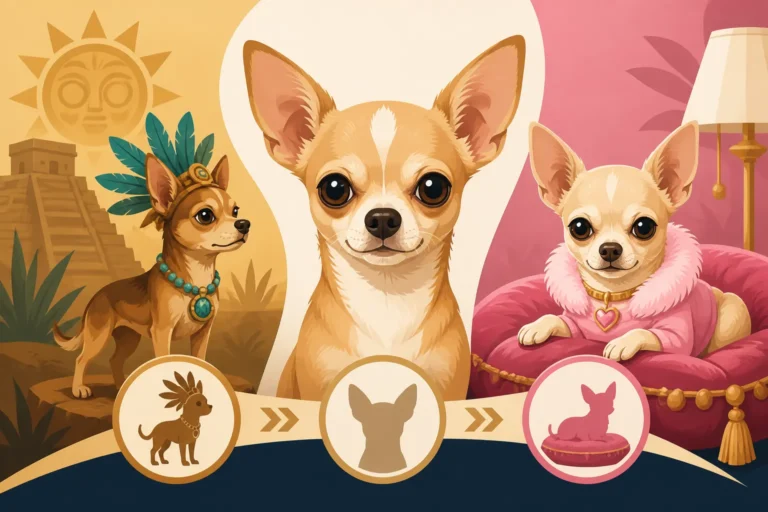
Ultimately, the primary reason the Deer Head Chihuahua lost the standard, or rather, was never fully embraced by it, boils down to the concept of maintaining "breed type." A breed standard serves as a unifying document, ensuring that all dogs representing that breed share a recognizable set of characteristics. If a standard were to encompass both extremely rounded heads and flat heads, both very short muzzles and long muzzles, the breed's visual identity could become diluted. The breed club's role is to define a consistent image, and for the Chihuahua, that image became the Apple Head. It's not about one type being "better" than the other, but about establishing a clear, specific blueprint for what a show-quality Chihuahua should look like. This decision helps breeders know what to strive for in terms of conformation, and it provides a consistent basis for judging. The standard focuses on a specific ideal to ensure the breed remains distinct and recognizable, a commitment you can find echoed in The Chihuahua From Techichi to American Lapdog. For those outside the show ring, it's just a matter of personal preference, and the charm of a Deer Head is undeniable.
Life with a Deer Head Chihuahua: Beyond the Standard
For the vast majority of Chihuahua owners, whether their dog conforms to a breed standard or not is irrelevant. What truly matters is the health, happiness, and companionship their furry friend brings. Living with a Deer Head Chihuahua is often a wonderful experience, filled with all the personality and loyalty the breed is known for.
Health and Temperament Similarities
It's a common misconception that because a Deer Head Chihuahua doesn't meet the breed standard, they are inherently less healthy or have a different temperament. This is simply not true. Both Apple Head and Deer Head Chihuahuas share the vast majority of their genetic makeup and thus, their breed-specific health concerns and personality traits. They are both prone to conditions like patellar luxation, dental disease, and hypoglycemia as puppies. Chihuahua Lifespan and Why the Breed Reaches Sixteen is a testament to the breed's overall robustness, regardless of head shape.
Similarly, their temperaments are very much alike. Deer Head Chihuahuas are typically just as loyal, intelligent, and spirited as their Apple Head cousins. They can be equally feisty, cuddly, curious, and sometimes a bit stubborn. Any variations in temperament are more likely due to individual personality, early socialization, and training than to head shape. If you're looking for a dog with a big personality in a small package, a Deer Head Chihuahua will deliver just as much joy and companionship. Many even argue that the slightly longer muzzle might contribute to fewer respiratory issues, though this isn't a universally accepted scientific fact, it's certainly a common observation among owners.
Finding a Reputable Breeder or Rescue
If you're drawn to the Deer Head type, finding a responsible source for your puppy or adult dog is paramount. Since Deer Head Chihuahuas are not bred for the show ring, you won't find breeders focusing on specific "lines" in the same way. However, a reputable breeder, regardless of whether they produce Apple or Deer Heads, will prioritize health testing, proper socialization, and lifetime support for their puppies. They should be transparent about the parents' health clearances, allow you to visit their facility, and ask you many questions to ensure you're a good fit. They will care deeply about where their puppies go.
Alternatively, adopting a Deer Head Chihuahua from a rescue or shelter is an incredible way to give a deserving dog a second chance. Many Chihuahuas, including deer heads, unfortunately find themselves in shelters through no fault of their own. Rescues often have a thorough vetting process and can provide insights into a dog's personality and known history. Organizations often list available Chihuahuas on sites like Chewy's adoption portal or local shelter websites. Regardless of your choice, focusing on the health and welfare of the animal, rather than strict adherence to a show standard, should always be your top priority. You can learn more about Adopting a Chihuahua From a Shelter.
The Love That Transcends Conformation
Ultimately, the breed standard is a tool for breed preservation and exhibition, not a measure of a dog's worth as a companion. For those of us who share our lives with Chihuahuas, the shape of their head is far less important than the warmth of their cuddle, the spark in their eyes, and the unwavering loyalty they offer. A Deer Head Chihuahua is every bit as much a Chihuahua as an Apple Head, carrying the same history, charm, and unique personality.
They thrive on love, consistency, and appropriate care, just like any other dog. Whether your Chihuahua has a rounded skull or a flatter one, a short muzzle or a longer one, they deserve the best life you can give them. Focus on providing excellent nutrition, regular vet care (perhaps even setting up an automatic food delivery like Chewy offers to ensure you always have their specific kibble), consistent training, and boundless affection. The love of a Chihuahua, regardless of their specific features, is truly one of life's greatest joys. Don't let a breed standard define the love you have for your unique, wonderful companion.
Disclaimer
This article is for general informational purposes only and does not constitute professional advice. Laws, prices and regulations vary by location and change over time. Consult a qualified professional for guidance on your specific situation.