When a Long Coat Chihuahua Grows Its Full Coat
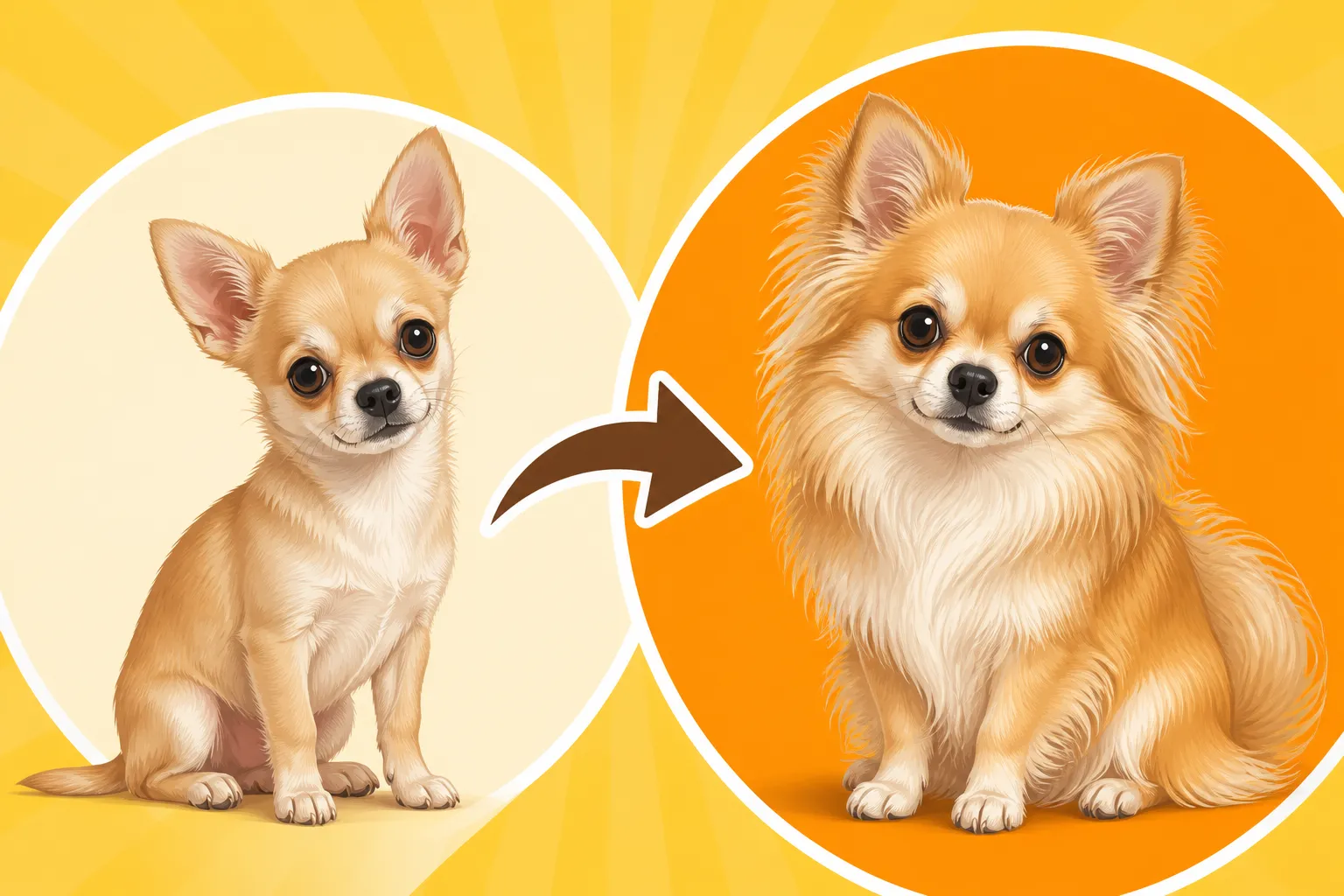
Oh, the long coat Chihuahua! They are simply stunning, aren't they? With those luxurious flowing locks, they capture hearts wherever they go. But if you’ve brought home a fluffy little long coat puppy, you’re probably looking at their wispy baby fur and wondering when that magnificent mane is actually going to come in. It’s a common question, and honestly, it can feel like forever waiting for that full, glorious coat to develop. This guide is going to walk you through the entire journey of a long coat Chihuahua's fur development, from that adorable puppy fluff to the full, adult splendor, so you know exactly what to expect and when.
The Timeline of a Long Coat Chihuahua's Fur Development
It's easy to get a little impatient when you're dreaming of that show-stopping long coat on your Chihuahua, especially when you compare your little one to the adult dogs you see in pictures. But like all good things, a truly spectacular long coat takes time. Understanding the stages of development can help manage expectations and ensure you're providing the right care along the way.
Puppy Fluff and Early Stages 0-3 Months
When you first bring home your long coat Chihuahua puppy, they’ll be covered in what we lovingly call "puppy fluff." This coat is generally very soft, fine, and has a wispy, almost downy texture. It’s not dense, and certainly doesn’t show any of the classic long coat characteristics like feathering or a ruff around the neck. Think of it more like a baby blanket – delicate and not built for the long haul. At this stage, your puppy will look like a miniature version of a short coat Chihuahua, just with slightly longer, softer strands.
Many new owners are surprised by this initial appearance, perhaps expecting something a bit more substantial right out of the gate. But this early coat is primarily for warmth and basic protection during their most vulnerable weeks. It's designed to be lightweight and easy to manage for both the puppy and their mom. Don't worry if your little one looks a bit sparse; this is perfectly normal. Their little bodies are focused on growing big and strong, and developing a magnificent coat comes a little later down the line. Caring for them at this stage means focusing on their overall health and well-being, including getting them settled and comfortable, which you can read more about in Settling a Two Pound Chihuahua Puppy Into the House.
The Awkward Adolescent Coat 3-9 Months
Ah, the "ugly duckling" phase of the long coat Chihuahua! Around three to four months, you'll start to notice some changes. The puppy fluff begins to shed, making way for the coarser, thicker adult hair to grow in. This transition can be a bit… well, awkward. You might see patches where the new hair is coming in faster than others, leading to an uneven, almost scraggly appearance. The coat might look messy, with some areas appearing thicker and longer, while others still hold onto the wispy puppy fur.
During this time, it's not uncommon for owners to worry that their Chihuahua won't develop a proper long coat. You might even start to see some "feathering" on the ears, legs, and tail, but it will be sparse and not nearly as prominent as it will be later. This is simply a phase, and patience is key. Your Chihuahua's body is busy replacing the old with the new, and like a teenager growing into their limbs, their coat is going through its own growth spurts. Consistent brushing, even if the coat isn't long yet, can help remove the shedding puppy fur and encourage healthy growth. Be prepared for your little one to look a bit dishevelled, but know that it's all part of the natural process towards their stunning adult look.
Approaching Maturity 9-18 Months
As your long coat Chihuahua moves further into adolescence, generally between nine months and a year and a half, you'll see more significant development in their coat. This is where the characteristic feathering really starts to fill in. You’ll notice the hair on their ears getting longer and more pronounced, creating those lovely fringed edges that are so distinctive. The "mane" or ruff around their neck will become thicker, and the feathering on their legs and chest will start to gain some length and body.
The tail is another area where the long coat truly shines, and it will begin to develop its full plume during this period. It won't be as dense or as long as it will eventually become, but the foundation will be undeniably there. While the coat is certainly growing and looking much more like the adult long coat you're expecting, it's still not at its peak density or length. Think of it as a beautifully sketched drawing that’s waiting for the final shading and detail. This stage requires continued diligent grooming to prevent any mats or tangles, especially as those longer hairs start to develop. Many Chihuahuas are also going through their own version of teenage rebellion around this time, which you can learn more about in Chihuahua Adolescence and Testing Behavior.
Factors Influencing Coat Growth and Fullness
While genetics lay the foundation for whether your Chihuahua will have a long coat, several other factors play a crucial role in how quickly and how fully that coat develops. Understanding these influences can help you support your dog's coat health and ensure it reaches its full potential.
Genetics and Lineage
The most significant factor determining if your Chihuahua will have a long coat and how full it will be is, without a doubt, genetics. A long coat Chihuahua inherited a specific recessive gene from both parents that dictates this coat type. Beyond just having a long coat, the quality and density of that coat are also highly heritable. If your puppy's parents and grandparents had thick, luxurious, well-feathered coats, there's a very high probability that your Chihuahua will develop a similar coat.
Conversely, if one or both parents had a somewhat sparse long coat, your puppy might also end up with a less dense or full coat, even with the best care. This is why it's so important to see the parents of any puppy you are considering, especially with a long coat. A responsible breeder will be able to show you the lineage and often the previous generations' coat quality, giving you a good indication of what to expect. While you can influence coat health with diet and care, you can't change the genetic blueprint that determines the fundamental characteristics of their fur. Asking a breeder about their dogs' coat types and history is a valuable part of Questions Worth Asking a Chihuahua Breeder.
Nutrition and Overall Health
Just like with humans, what your Chihuahua eats directly impacts the health and appearance of their skin and coat. A high-quality diet, rich in essential nutrients, is absolutely vital for promoting robust hair growth and a shiny, healthy coat. If your Chihuahua is on a diet that's lacking in protein, vitamins, or essential fatty acids, their coat can appear dull, brittle, and may not grow to its full potential length or density.
Look for dog foods that list a high-quality animal protein as the first ingredient and contain omega-3 and omega-6 fatty acids. These fatty acids are particularly important for skin and coat health, helping to keep the fur strong, supple, and less prone to breakage. Supplements like fish oil, dosed appropriately for a small dog, can also make a noticeable difference in coat quality. Ensuring your Chihuahua is at a healthy weight and free from underlying health issues is also critical; a sick or malnourished dog will often have a poor coat, regardless of their genetic predisposition. Many excellent options are available from retailers like Chewy, making it easy to find suitable food and supplements that support a healthy, flourishing long coat. You can learn more about appropriate portion sizes in Feeding a Chihuahua on Two Hundred Calories a Day.
Hormonal Changes and Spay/Neuter
Hormones play a surprisingly significant role in a dog's coat quality and growth, and this is particularly evident in long coat breeds. Intact dogs (those who have not been spayed or neutered) often maintain a somewhat different coat texture and density compared to altered dogs. The presence of reproductive hormones can influence the growth cycle of the hair, leading to a coat that might be silkier or have a slightly different fall.
One phenomenon often observed in long-coated breeds after spaying or neutering is the development of what some call a "spay coat" or "neuter coat." This isn't a universal experience, but it's common enough to be worth mentioning. A spay coat typically refers to a change in texture and sometimes density – the coat might become thicker, softer, and more cotton-like, sometimes losing some of its silky sheen. This is due to the hormonal shifts that occur when the reproductive organs are removed, altering the hair growth cycle. While it can mean a slightly different texture than you might have expected, it doesn't necessarily mean a worse coat, just a different one. It's an important consideration when discussing the timing of surgical procedures with your veterinarian, and you can explore more about that in Spay Timing for a Chihuahua Under Six Pounds.
What a Fully Developed Long Coat Looks Like
Once your long coat Chihuahua has moved past the awkward adolescent phases and is approaching or has reached full maturity, typically around 18 months to two years of age, their coat will truly come into its own. This is when all those genetic promises and diligent care finally pay off, revealing the stunning features that make the long coat variety so beloved.
The Signature Feathering
The hallmark of a fully developed long coat Chihuahua is its magnificent feathering. This isn't just long hair all over; it's specific areas where the fur grows noticeably longer and creates a distinct, elegant fringe. You'll see beautiful feathering on the ears, giving them a soft, flowing outline that frames their expressive faces. A prominent ruff or "mane" will encircle their neck and chest, creating a fluffy, regal collar. This not only looks stunning but also offers a bit of extra warmth, which is especially beneficial for Chihuahuas who tend to get chilly.
Beyond the neck and ears, the feathering extends to their legs, creating a delicate fringe that runs down the back of their forelegs and sometimes on their hind legs as well. The most dramatic display of feathering is often found on their tail. A fully coated long coat Chihuahua will have a beautiful, flowing plume that arches gracefully over their back, often reaching down towards their body. This feathered tail is one of the most striking features, adding to their overall sophisticated appearance. This beautiful hair requires regular maintenance to prevent tangles and mats, something you might encounter as explained in Long Coat Chihuahua Mats Behind the Ears.
Texture and Density
A mature long coat Chihuahua's fur should feel incredibly soft and silky to the touch, often with a slight wave or kink, especially in the longer sections. It shouldn't be coarse or woolly, which could indicate a different coat type or a health issue. The coat will also have a noticeable density, thanks to both a soft undercoat and a longer, protective topcoat. This combination creates a rich, full appearance that provides insulation without being overly heavy.
The density of the coat contributes to the overall "fluffiness" and body, making your Chihuahua look fuller and more substantial than their smooth-coat counterparts. This dense coat isn't just for show; it serves a practical purpose, offering an extra layer of protection against the elements. While Chihuahuas are known for shivering, a good, full long coat can certainly help them retain more body heat, especially when paired with a cozy sweater or blanket. It’s part of what helps them stay warm through colder temperatures, a topic explored further in Keeping a Chihuahua Warm Through Winter.
Full Maturity and Ongoing Care 2+ Years
While you'll see significant coat development by 18 months, many long coat Chihuahuas don't truly achieve their absolute full coat potential, in terms of maximum length and density, until they are two, or even three years old. It’s a marathon, not a sprint! By this age, the coat should have reached its terminal length, and the density should be at its peak, creating that picture-perfect, flowing appearance. The individual hairs on the feathering will be at their longest, and the overall coat will have a beautiful, healthy sheen.
Maintaining this gorgeous coat is an ongoing commitment. Regular brushing, ideally several times a week, is essential to prevent mats and tangles, especially in the feathering behind the ears, on the legs, and on the tail. Without consistent grooming, these long hairs can quickly become a matted mess, which can be uncomfortable for your dog and difficult to remove. Investing in good quality grooming tools, such as a soft slicker brush and a metal comb, is crucial. Products like detangling sprays or conditioning treatments, available through retailers like Chewy, can also help keep the coat manageable and looking its best. Proper care ensures not only beauty but also comfort for your cherished companion. For more detailed grooming advice, check out Brushing a Long Coat Chihuahua Weekly.
Here's a quick comparison of the coat stages:
| Feature | Puppy Coat (0-3 Months) | Adolescent Coat (3-18 Months) | Adult Coat (18+ Months) |
|---|---|---|---|
| Texture | Very soft, fine, wispy | Varied, can be scraggly, mixing old and new | Soft, silky, often slightly wavy |
| Density | Sparse, light | Patchy, uneven, gradually thickening | Dense, full, with undercoat and topcoat |
| Length | Short overall, light fluff | Uneven, feathering beginning to emerge | Long with distinct feathering on ears, tail, legs |
| Feathering | None | Beginning to form, sparse | Prominent and luxurious on specific areas |
| Shedding | Minimal | Noticeable puppy coat shedding | Moderate, seasonal shedding |
| Overall Look | Delicate, baby-like | "Ugly duckling" phase, disheveled | Elegant, flowing, well-groomed look |
Disclaimer
This article is for general informational purposes only and does not constitute professional advice. Laws, prices and regulations vary by location and change over time. Consult a qualified professional for guidance on your specific situation.