How Breeders Produce Undersized Chihuahuas
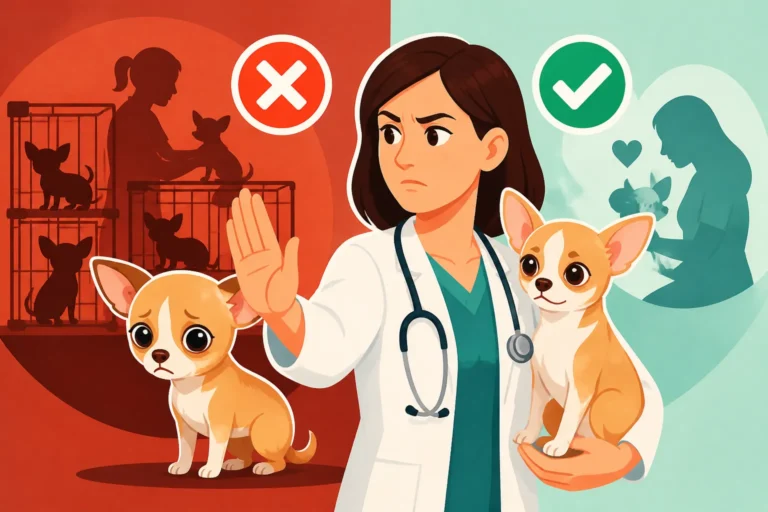
It's heartbreaking to see how many people fall in love with the idea of a "teacup" Chihuahua, only to find themselves facing a myriad of health problems and heartbreaking veterinary bills. The reality is, there's no official "teacup" breed, and the methods used to create these tiny dogs often come with significant ethical and health concerns. This guide will pull back the curtain on how some breeders produce these undersized Chihuahuas, the risks involved, and how you can make a truly informed choice when bringing a tiny companion into your life.
The Allure and Reality of "Teacup" Chihuahuas
There’s no denying the magnetic pull of an impossibly small puppy, one that promises to fit in a teacup or a handbag forever. The idea of a tiny, delicate companion is incredibly appealing, and the term "teacup" itself conjures images of preciousness and exclusivity. But what many prospective owners don't realize is that this alluring label often masks a darker truth about breeding practices and the potential for a lifetime of health struggles for these tiny creatures.
Why the "Teacup" Label is Misleading
Let's get one thing straight right away: "teacup" is not a recognized size or breed variation by any legitimate canine registry, including the American Kennel Club (AKC). The official breed standard for a Chihuahua clearly states that they should not weigh more than six pounds. There's no separate category for a dog that is, say, three pounds or less. When a breeder advertises a "teacup" Chihuahua, they are using a marketing term designed to appeal to buyers, often implying a rarer, more valuable, or cuter version of the breed. This term often allows them to command exorbitant prices for dogs that may be simply undersized, sickly, or genetically compromised. The standard is there for a reason, defining the healthy, ideal characteristics of the breed. Anything significantly outside that standard, especially on the low end of weight, typically comes with increased risks. Remember, a Chihuahua is meant to be a small, sturdy dog within that The Six Pound Limit in the Chihuahua Standard, not a fragile ornament.
The Health Risks Associated with Extreme Smallness
When a Chihuahua is bred to be unnaturally small, often below the lower end of the breed standard, they face an increased risk of a frightening array of health issues. These aren't just minor sniffles; we're talking about serious, life-threatening conditions. One of the most common and immediate concerns for tiny puppies is Chihuahua Hypoglycemia and the Puppy Emergency. Because of their minuscule body mass, they struggle to store enough glucose and can experience rapid drops in blood sugar, leading to lethargy, disorientation, seizures, and even death if not promptly treated. Their tiny bones are also incredibly fragile, making them prone to fractures from even minor falls or clumsy handling, something that is far less common in a sturdier, standard-sized Chihuahua. Beyond that, many undersized Chihuahuas can suffer from open fontanelles (a "soft spot" on the skull that never fully closes), neurological issues, heart defects, liver shunts, and underdeveloped organs. They also struggle more with temperature regulation, getting cold much faster than their slightly larger counterparts due to their lack of body fat and small surface area, which can be a real concern in cooler climates.
Methods Used to Produce Undersized Chihuahuas
Understanding why these dogs are often so small requires looking at the methods some breeders employ. It’s not always through malice, but often through a misunderstanding of genetics, a focus on market trends over health, or, unfortunately, sometimes intentional neglect. Responsible breeding takes years of study, careful planning, and a deep commitment to the health and longevity of the breed. When that commitment is absent, shortcuts are often taken, leading to the production of these fragile "teacup" puppies.
Breeding the Smallest of Litters (Runts)
One common way undersized Chihuahuas are produced is by breeding two already small Chihuahuas together, hoping to produce an even smaller litter. While responsible breeders aim for healthy, well-structured dogs within the standard, those seeking extreme smallness might prioritize diminutive size above all else. They might also specifically select the "runt" of a litter for future breeding, perpetuating a line of smaller, potentially weaker, animals. A runt, by definition, is typically smaller or weaker than its littermates due to factors like poor placental attachment or competition for nutrients in the womb. While some runts grow up to be perfectly healthy, many may have underlying health issues, a weaker immune system, or simply never "catch up" in terms of development. Marketing a runt as a "teacup" is a common tactic, leveraging its small size for a premium price without addressing the potential health vulnerabilities. This is why it's so important to be cautious when you see a listing advertising a Whether a Runt Chihuahua Is Sold as Teacup, as it often signals a breeder prioritizing size over wellness.
Line Breeding and Inbreeding for Size
Another method, often more insidious, is aggressive line breeding or even inbreeding solely to reduce size. Line breeding involves breeding closely related dogs to concentrate certain traits, while inbreeding goes a step further by breeding siblings or parent-offspring. When done responsibly, with an extensive understanding of genetics and health clearances, limited line breeding can solidify desirable traits. However, when the primary goal is extreme smallness, and health is secondary, these practices can quickly go awry. Concentrating genes from very small dogs can also concentrate genes for undesirable traits or genetic health conditions that might otherwise remain dormant in a more diverse gene pool. This drastically increases the risk of inherited diseases, structural defects, and overall poor health, weakening the breed's genetic diversity and making the resulting puppies much more susceptible to illness. An ethical breeder prioritizes genetic health and temperament, ensuring that their breeding pairs are sound and have passed The Health Tests a Chihuahua Breeder Should Run to minimize the transmission of hereditary conditions.
Early Weaning and Malnourishment
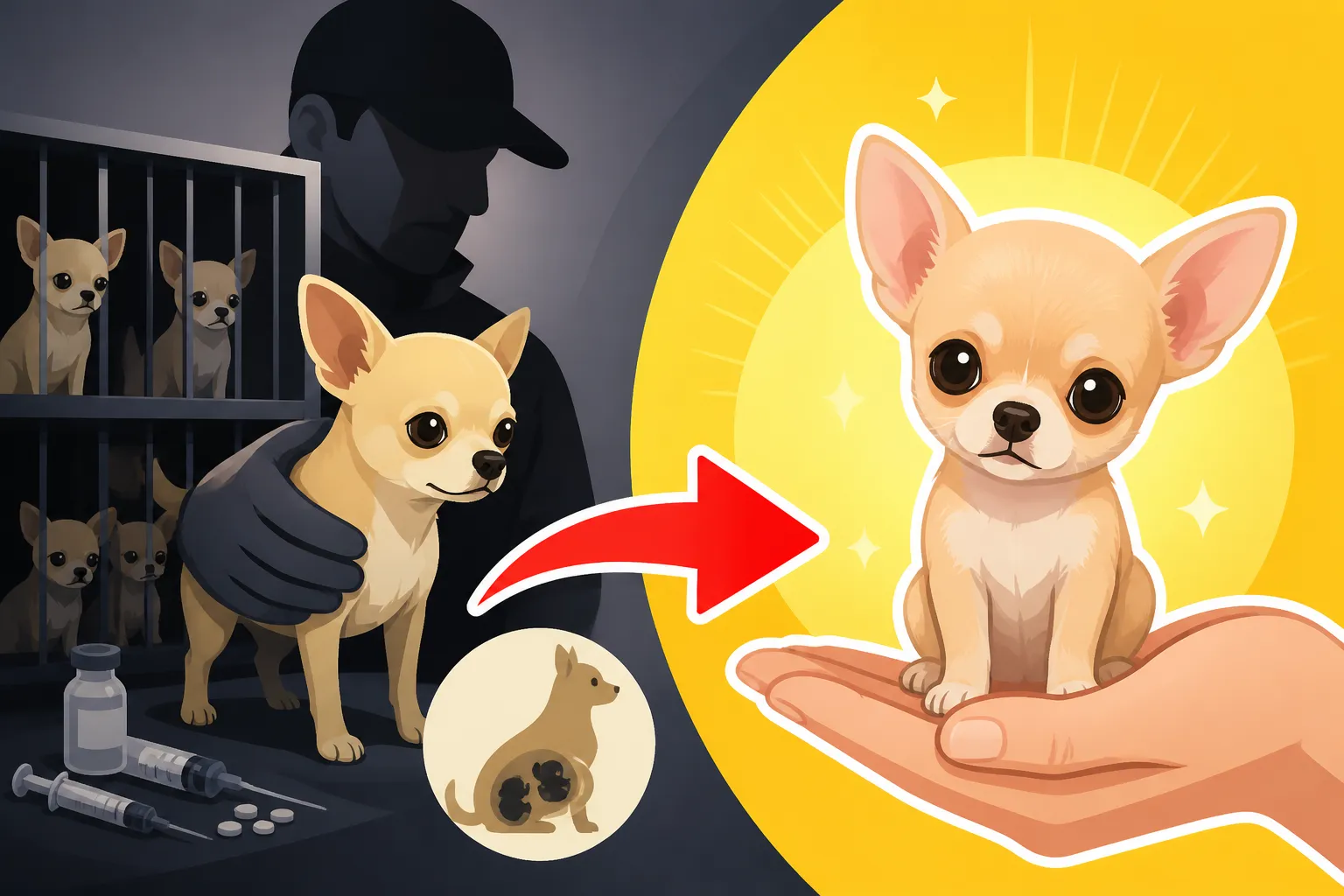
This is perhaps the most egregious and unethical method, but unfortunately, it happens. Some unscrupulous individuals might intentionally restrict a puppy's nutrition or wean them too early to stunt their growth and keep them unnaturally small. Puppies require a very specific and nutrient-dense diet for healthy growth and development, especially a Chihuahua Puppy That Needs Food due to its tiny size and propensity for hypoglycemia. Depriving them of this crucial nutrition during their formative weeks can have devastating, long-lasting consequences on their organ development, immune system, and overall health. A puppy that looks "teacup" small because it has been starved is not a healthy pet; it's a victim of neglect, and will likely face a lifetime of health struggles, often requiring extensive and costly veterinary intervention. This practice is entirely unacceptable and a clear sign of an exploitative breeder.
Recognizing Responsible vs. Irresponsible Breeders
Navigating the world of dog breeders can feel like a minefield, especially when you're caught up in the excitement of getting a new puppy. The key is to be diligent, ask hard questions, and understand what constitutes responsible breeding. It’s about more than just finding a pretty puppy; it’s about finding a healthy companion whose well-being has been prioritized from day one. Many trusted sources, even online retailers like Chewy, provide educational content and resources about responsible pet ownership that can help you discern between reputable and questionable breeders.
What to Look for in a Reputable Breeder
A responsible Chihuahua breeder will be transparent, knowledgeable, and genuinely passionate about the health and temperament of their dogs. They will prioritize the breed standard and focus on producing healthy, well-socialized puppies, not on marketing "teacup" sizes. Here's what to expect:
- Health Testing and Clearances: They will provide verifiable health clearances for the parent dogs, not just a vet check for the puppy. This includes screening for common Chihuahua ailments like patellar luxation, heart disease, and eye conditions. You should specifically ask to see their Chihuahua Patella Certification Before Breeding and other cardiac and eye clearances. They'll know the health history of their lines and be eager to discuss it.
- Transparency and Openness: A good breeder will welcome questions, allow you to visit their facility (or conduct thorough video calls if geographical distance is an issue), and let you meet the puppy's parents. They'll have nothing to hide. If a breeder is evasive about where the puppies are raised or won't let you see the mother, that's a huge red flag.
- Knowledge of the Breed: They should be able to discuss the breed's history, temperament, common health issues, and proper care in detail. They'll be invested in educating you about the commitment required to own a Chihuahua.
- Puppy Care and Socialization: Puppies should be raised in a clean, stimulating environment, well-fed, and socialized from an early age. They should appear bright, alert, and curious.
- Contract and Guarantees: A reputable breeder will have a written contract outlining health guarantees, spay/neuter clauses, and often a "return to breeder" policy if for any reason the dog can't stay with you.
- No "Teacup" Labeling: They will use appropriate terminology for the breed and will not market their puppies using terms like "teacup" or "micro." They understand the implications of these labels.
Red Flags to Watch Out For
Sadly, there are many breeders who are more interested in profit than puppy welfare. Learning to spot these red flags can save you immense heartache and expense down the road.
- Advertising "Teacup," "Micro," or "Mini" Chihuahuas: This is the biggest warning sign. As discussed, these are marketing terms, not legitimate breed classifications. Any breeder using them to sell puppies is likely prioritizing size over health. These often appear in Fake Teacup Chihuahua Listings Online.
- High Prices for Undersized Dogs: Breeders who market "teacups" often charge significantly more for them, falsely implying rarity or superiority. Responsible breeders price their puppies based on their investment in health, care, and quality, not on a gimmick.
- Lack of Health Records or Proof of Testing: If a breeder cannot or will not provide documentation of health clearances for the parents, or dismisses concerns about genetic conditions, walk away. A vague "vet checked" for the puppy is not enough.
- Pressure to Buy Quickly: A good breeder wants to ensure their puppies go to the right homes and will often have an application process. If someone is rushing you to make a decision, demanding cash, or doesn't seem to care about your living situation, be very wary.
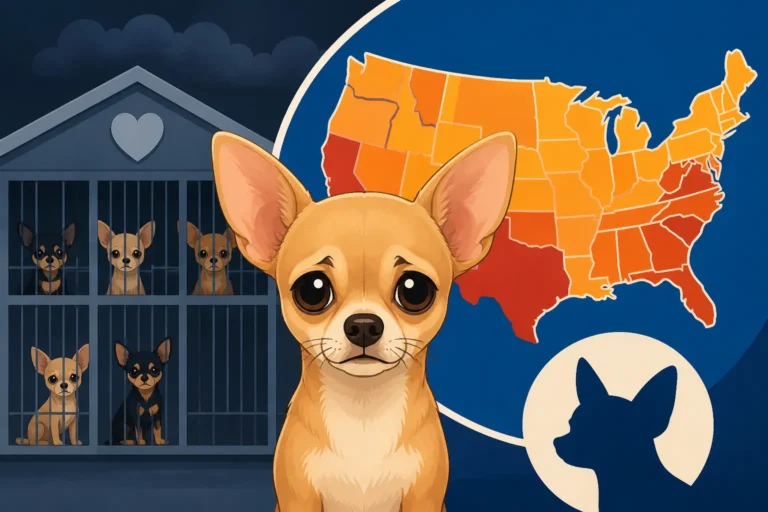
- Multiple Breeds or Litters on Site: "Backyard breeders" or "puppy mills" often have many different breeds or multiple litters available at once, indicating a commercial operation rather than a dedicated focus on one breed's welfare. This is often seen in Chihuahua Puppy Prices From a Backyard Breeder.
- Not Allowing Visits: If a breeder insists on meeting you in a neutral location, sends the puppy via a third-party transport without you ever seeing the facility, or otherwise prevents you from seeing where the puppies are raised, this is a major red flag. They might be hiding unsanitary conditions or puppy mill operations.
The True Cost Beyond the Purchase Price
The initial price tag of a "teacup" Chihuahua might seem high, but for many owners, the true financial and emotional toll comes much later. These tiny, fragile dogs often require specialized care that quickly adds up, transforming a dream pet into a source of constant worry and escalating bills. It's crucial to consider the long-term commitment and potential expenses before falling for the "teacup" myth. Responsible ownership means understanding the full scope of what it means to care for a Chihuahua, especially one with potential health vulnerabilities, for their entire Chihuahua Lifespan and Why the Breed Reaches Sixteen.
Higher Veterinary Bills and Special Care Needs
An undersized Chihuahua is, unfortunately, much more likely to incur significant veterinary expenses throughout its life. Their fragile health makes them prone to more frequent trips to the vet, often for emergency situations that can be incredibly costly. For instance, tiny puppies are at constant risk of Chihuahua Hypoglycemia Signs in a Young Puppy, which can require immediate veterinary intervention to stabilize their blood sugar. This means after-hours emergency visits, which come with premium pricing. Their delicate bones mean a simple jump off a sofa could result in a fracture requiring surgery. Many also suffer from congenital issues like heart murmurs or liver shunts that demand ongoing medication, specialized diets, and regular check-ups. You might find yourself needing to purchase specialized equipment, like ramps to prevent jumping injuries, or a wardrobe of sweaters and heated beds just to keep them warm. These dogs often have very specific dietary needs, requiring carefully measured portions of high-quality food, which you can typically find from reputable suppliers like Chewy. These recurring costs contribute heavily to The Emergency Bills That Reach Chihuahua Owners and can quickly dwarf the initial purchase price. This is precisely why many informed owners look into options like Chihuahua Pet Insurance and Its Low Premium early on, though even insurance might not cover pre-existing conditions if not obtained before a diagnosis.
The Emotional Toll on Owners
Beyond the financial strain, caring for a chronically ill or extremely fragile "teacup" Chihuahua can take a significant emotional toll on owners. The constant worry about their delicate health, the stress of frequent vet visits, and the heartbreak of watching a beloved pet suffer can be overwhelming. Many owners become acutely aware of every subtle change in their pet's behavior, knowing that a minor symptom could quickly escalate into a life-threatening emergency. This can lead to anxiety, guilt, and a feeling of being constantly on edge. The initial excitement of bringing home a tiny, "unique" puppy can quickly give way to exhaustion and sadness as you grapple with ongoing health issues. It's vital to remember that a dog, regardless of its size, is a sentient being deserving of a full, healthy, and happy life, not a fashion accessory or a novelty item. Choosing to support breeders who prioritize health and ethical practices over extreme smallness is a powerful way to ensure you're setting yourself and your future companion up for the best possible experience.
Here's a comparison to help you understand the differences between ethical and "teacup" breeding practices:
| Feature | Ethical Chihuahua Breeder | "Teacup" Chihuahua Breeder (Often Unethical) |
|---|---|---|
| Primary Goal | Health, temperament, adherence to breed standard (under 6 lbs) | Extreme smallness (often under 4 lbs), novelty, profit |
| Terminology Used | Chihuahua, Smooth Coat, Long Coat, specific weight ranges | "Teacup," "Micro," "Tiny," "Mini" |
| Health Testing | Extensive clearances for parents (patellas, heart, eyes), vet checks for puppies | Often minimal or no health testing for parents; "vet checked" for puppies |
| Genetic Diversity | Focus on diverse lines to minimize inherited disease risks | Aggressive line breeding/inbreeding to reduce size, increasing genetic risks |
| Puppy Environment | Clean, stimulating home environment; well-socialized | Often poor conditions, limited socialization, focus on quick sales |
| Transparency | Welcomes visits, open about practices, provides references | Evasive about visits, pushy sales tactics, hides information |
| Pricing Rationale | Reflects investment in health, care, quality breeding | Inflated prices based on perceived rarity/smallness |
| Post-Sale Support | Offers ongoing advice, takes dog back if needed | Often disappears after sale, no long-term support |
| Risk of Health Issues | Lower, due to careful screening and breeding choices | Significantly higher (hypoglycemia, fractures, organ issues) |
| Long-Term Outlook | Aim for a long, healthy life (12-20 years) | Often shorter lifespan, chronic health problems |
Disclaimer
This article is for general informational purposes only and does not constitute professional advice. Laws, prices and regulations vary by location and change over time. Consult a qualified professional for guidance on your specific situation.